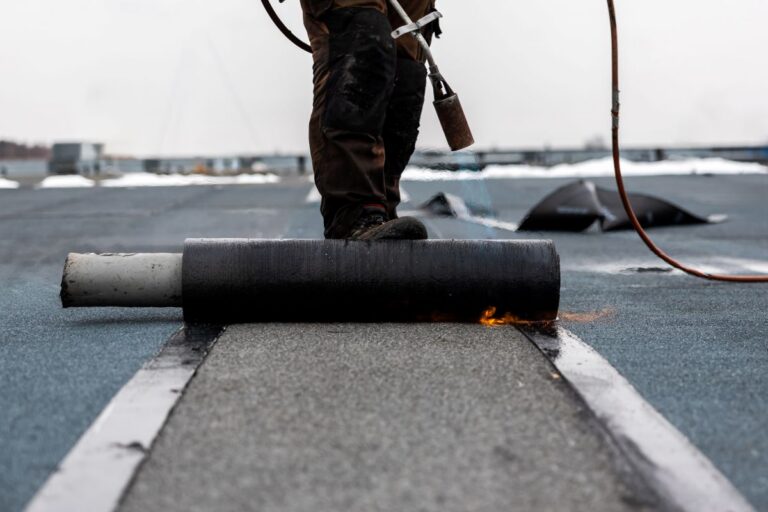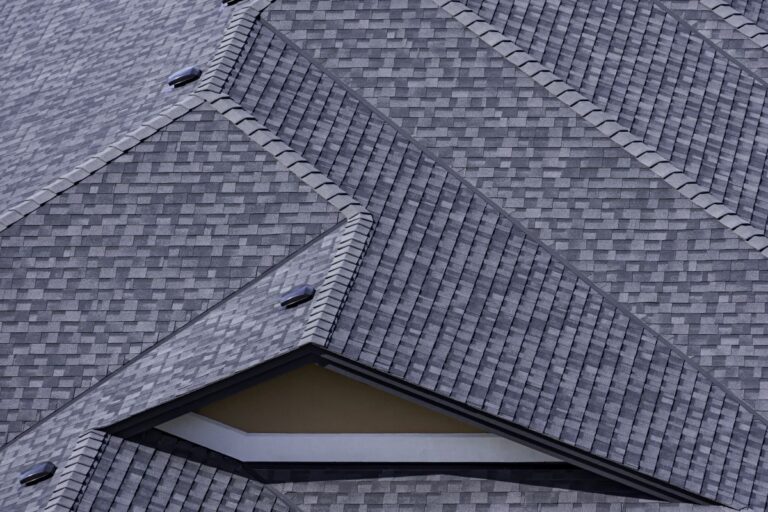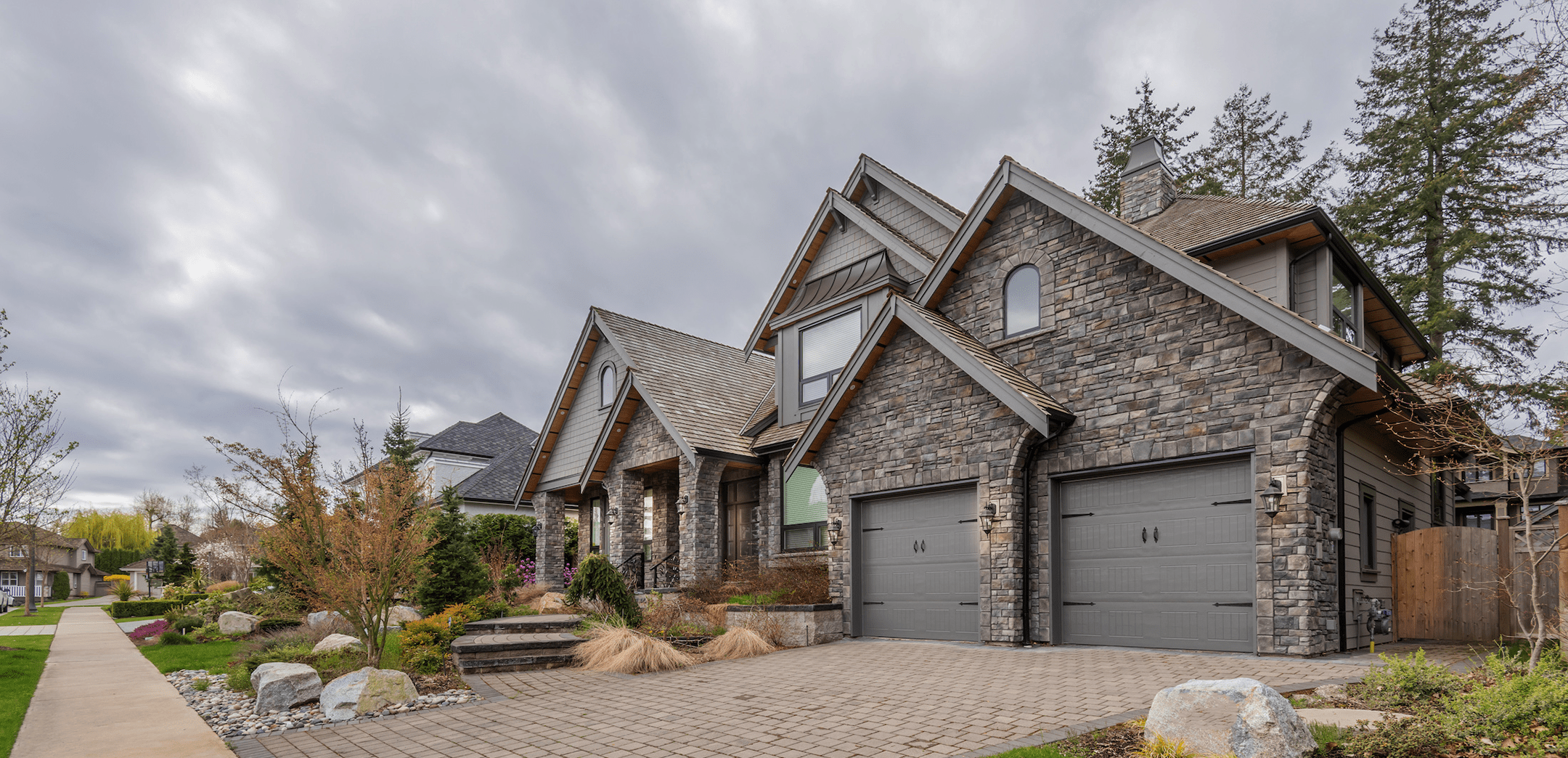
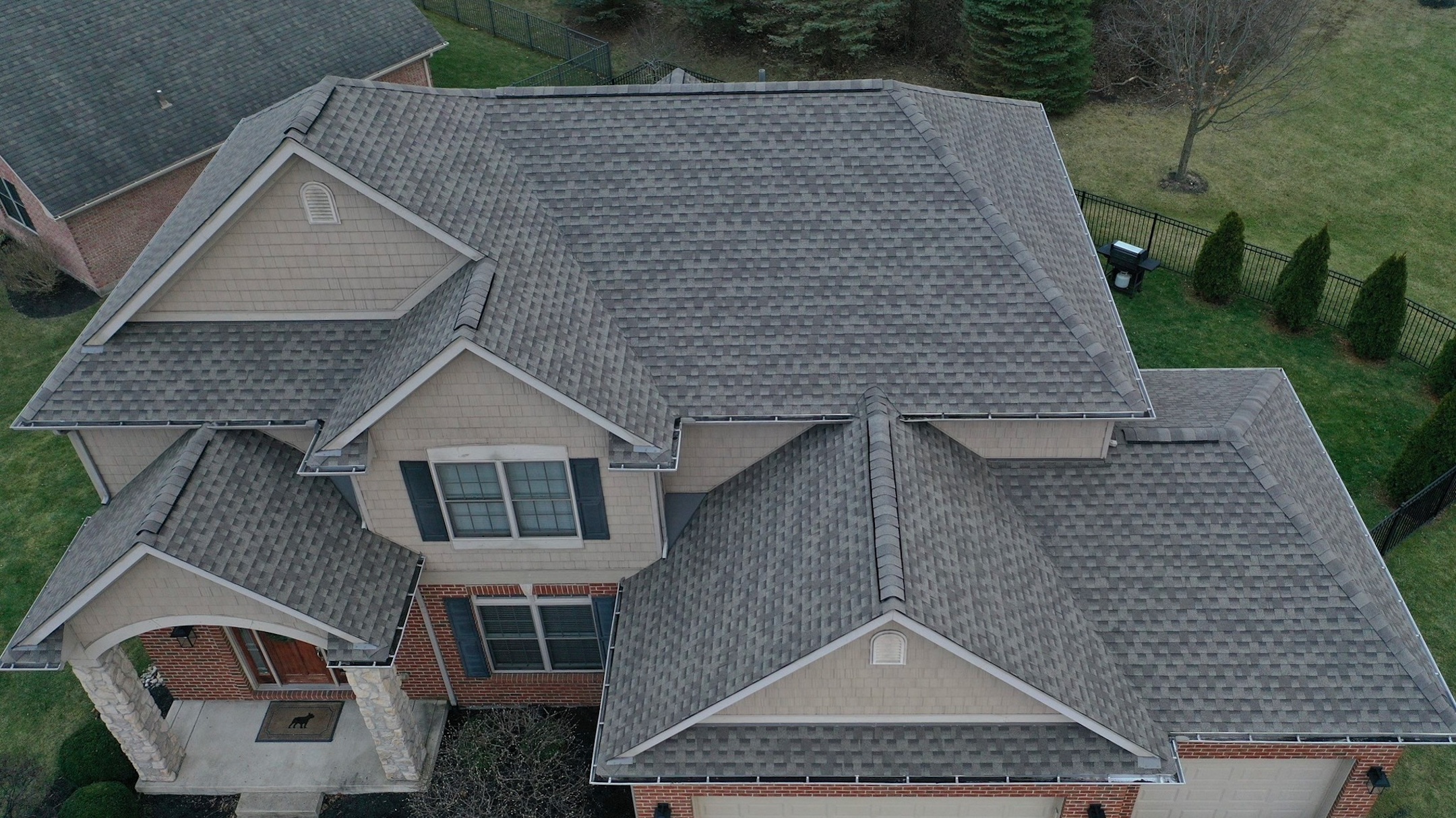

If you’ve ever wondered what is a gable roof, you’re not alone, this classic roof style is one of the most common designs found on homes across Ohio. Recognized by its triangular shape and two sloping sides that meet at a ridge, the gable roof is valued for its simplicity, effective drainage, and timeless curb appeal. Homeowners in Sugarcreek and surrounding areas often choose this design for its balance of function and affordability.
- Simple design: Two sloping planes meet at a central ridge for easy construction.
- Excellent drainage: The steep pitch allows rain and snow to slide off efficiently.
- Versatile style: Works well with both traditional and modern home designs.
Understanding the structure, advantages, and potential drawbacks of a gable roof can help you decide whether it’s the right fit for your home.
The Basic Structure of a Gable Roof
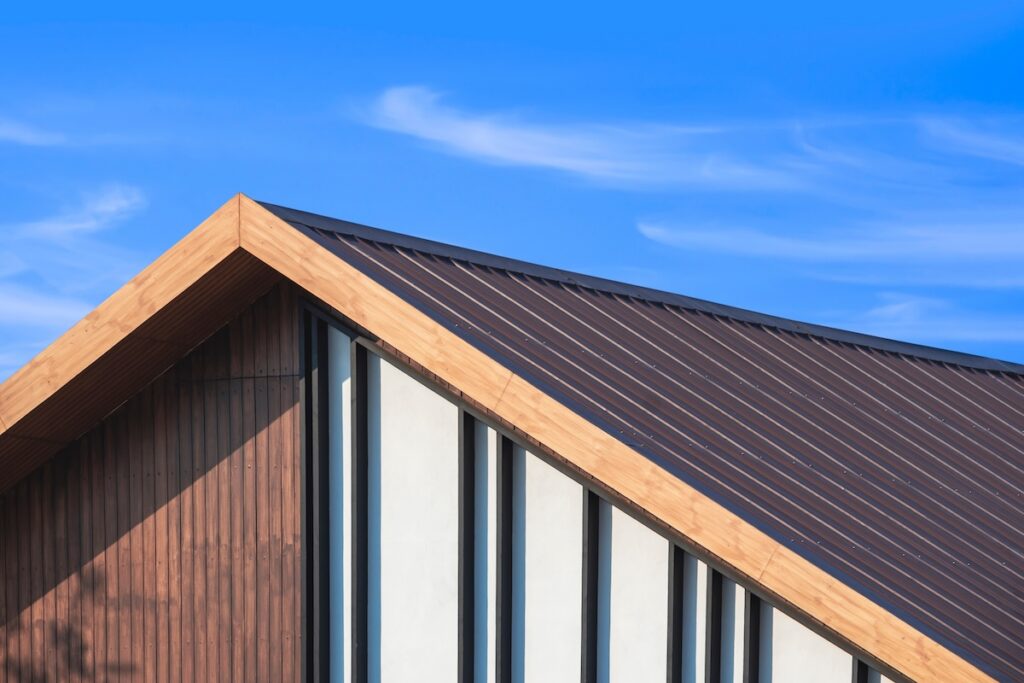
A gable roof consists of two roof planes that slope downward from a central ridge, forming a triangular wall section at each end of the home. These triangular sections are known as gables and are often finished with siding, brick, or decorative trim.
The straightforward framing makes gable roofs one of the easiest and most cost-effective styles to build. Rafters or trusses support the roof deck, and the clean lines allow for efficient installation of shingles, metal panels, or other roofing materials. If you are curious about how these specific framing elements fit together, reviewing the various parts of a roof will give you a complete picture of this classic triangular structure.
Why Gable Roofs Are So Popular
The widespread popularity of gable roofs comes down to their practicality and aesthetic appeal. They provide strong weather resistance while offering homeowners flexible design options.
Because of their sloped structure, gable roofs naturally shed water and snow, reducing the risk of pooling and leaks. This makes them particularly well-suited for climates like Ohio’s, where seasonal precipitation can vary significantly.
5 Structural Benefits of a Gable Roof
A gable roof may look simple, but it offers several important structural advantages that enhance both performance and longevity.
1. Superior Water Drainage
The pitched sides of a gable roof allow rainwater and melting snow to flow quickly toward gutters. This minimizes standing water and reduces the likelihood of leaks.
- Weather protection: Less pooling means reduced stress on shingles and flashing.
- Winter advantage: Snow slides off more easily compared to flat roof designs.
Proper drainage is one of the biggest contributors to a roof’s lifespan.
2. Increased Attic Space
The triangular shape creates ample attic space beneath the roof. This allows for improved insulation, storage, or even the potential for finished living space.
- Energy efficiency: More space makes it easier to install proper insulation.
- Storage potential: Homeowners gain usable overhead storage capacity.
This added interior volume enhances both comfort and functionality.
3. Cost-Effective Construction
Because the framing design is straightforward, gable roofs are typically less expensive to build compared to more complex styles like hip or valley roofs.
- Fewer materials: Simpler framing reduces labor and supply costs.
- Faster installation: Contractors can complete construction more efficiently.
For homeowners on a budget, this design provides excellent value without sacrificing durability.
4. Flexible Design Options
Gable roofs can be modified into cross gable, front gable, or Dutch gable variations. This flexibility allows architects to create visually unique homes while maintaining structural reliability.
- Style versatility: Easily paired with dormers, overhangs, or decorative trim.
- Material compatibility: Works well with asphalt shingles, metal, or tile roofing.
This adaptability makes gable roofs suitable for many architectural preferences.
5. Strong Ventilation Potential
The shape of a gable roof supports natural airflow through attic ventilation systems. Ridge vents and gable vents work together to circulate air effectively.
- Moisture control: Proper airflow prevents condensation buildup.
- Temperature balance: Keeps attic temperatures consistent year-round.
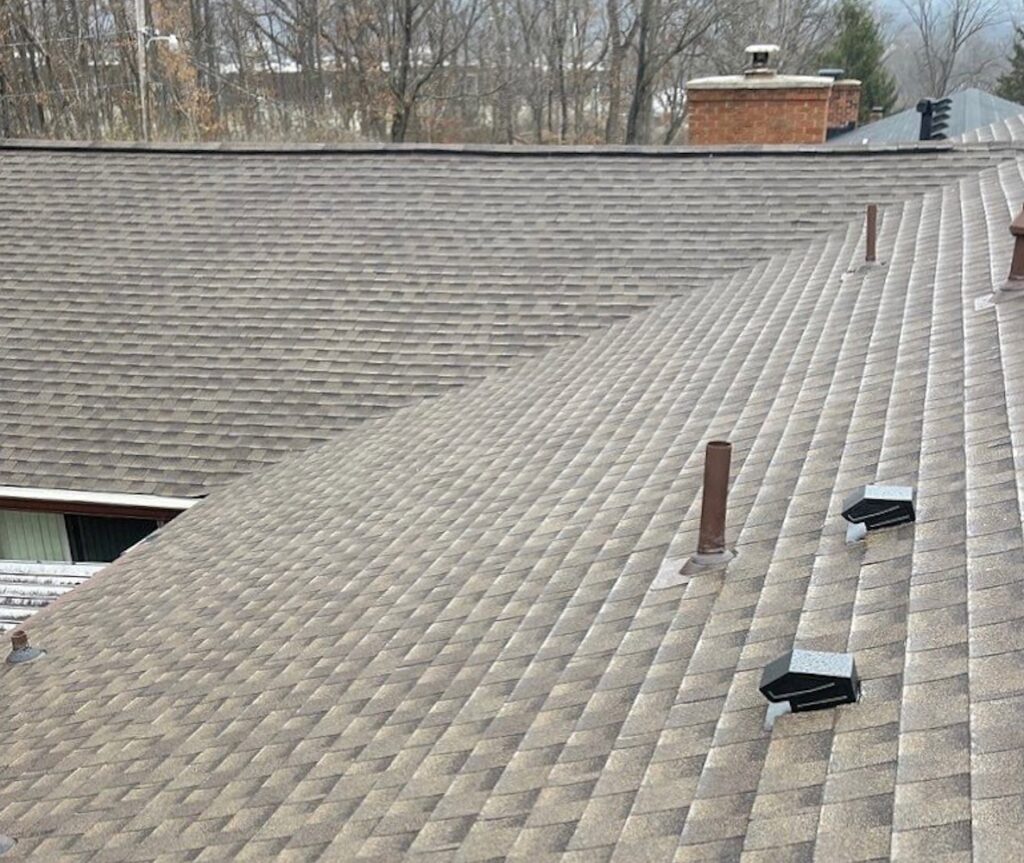
Balanced ventilation protects roofing materials and improves indoor comfort. Because this specific architectural shape naturally promotes rising thermal currents, installing the right types of roof vents will maximize this continuous cycle of fresh intake and warm exhaust.
Potential Drawbacks of Gable Roofs
While gable roofs offer many benefits, they are not without potential disadvantages. Being aware of these considerations helps homeowners make informed decisions.
- Wind vulnerability: In extremely high winds, poorly braced gables can experience uplift pressure.
- Overhang exposure: Large overhangs may require additional reinforcement.
- Limited complexity: Some homeowners prefer more intricate roof designs for visual appeal.
- Maintenance needs: Like all roofs, they require routine inspection and care.
With proper construction and maintenance, most of these concerns can be minimized or avoided entirely.
Gable Roof Materials to Consider
Choosing the right roofing material plays a major role in performance and longevity. The gable roof’s simple slope allows for compatibility with many options.
- Asphalt shingles: Affordable and easy to install on sloped surfaces.
- Metal roofing: Durable, energy-efficient, and excellent for shedding snow.
- Clay or concrete tiles: Provide distinctive appearance but require reinforced framing.
- Slate: Long-lasting and elegant but heavier than other materials.
- Composite shingles: Lightweight and designed to mimic natural materials.
When deciding between these popular overlapping materials, comparing asphalt vs. composite shingles will help you determine which option offers the best long-term weather resistance for your budget. For homeowners in Sugarcreek and surrounding areas, asphalt shingles and metal roofing are among the most popular choices due to their weather resistance and cost efficiency.
Comparing Gable Roofs to Other Styles
When selecting a roof style, it’s helpful to understand how gable roofs compare to other designs. Each option has unique strengths depending on climate and architectural goals.
- Gable vs. hip roof: Gable roofs are simpler and more affordable, while hip roofs offer enhanced wind resistance.
- Gable vs. flat roof: Gable roofs provide better drainage and attic space.
- Gable vs. gambrel roof: Gambrel roofs create more interior space but require more complex framing.
- Gable vs. shed roof: Shed roofs are modern and minimal but lack symmetrical appeal.
For many homeowners, the gable roof strikes the ideal balance between practicality and visual charm. To fully understand which of these two traditional designs is structurally superior for your specific neighborhood, reading an in-depth hip roof vs. gable roof comparison is highly recommended.
Maintaining a Gable Roof
Regular maintenance ensures your roof continues performing at its best. Seasonal inspections help catch minor issues before they escalate into major repairs.
- Inspect shingles: Look for curling, cracking, or missing pieces.
- Check flashing: Ensure chimney and vent flashing remains sealed.
- Clean gutters: Prevent debris buildup that can cause water backup.
- Examine ventilation: Confirm vents are unobstructed for proper airflow.
- Schedule professional inspections: Annual evaluations extend roof life.
Consistent care protects both the roof structure and the home beneath it.
Why Gable Roofs Work Well in Ohio
Ohio’s mix of snow, rain, and wind makes proper drainage and ventilation essential. Gable roofs perform well in these conditions because their steep slopes allow precipitation to shed quickly.
In communities like Sugarcreek and surrounding areas, homeowners appreciate the durability and affordability this design provides. When built with quality materials and installed correctly, a gable roof can last decades with minimal issues.
Trust Johnson Restoration for Expert Roofing Solutions
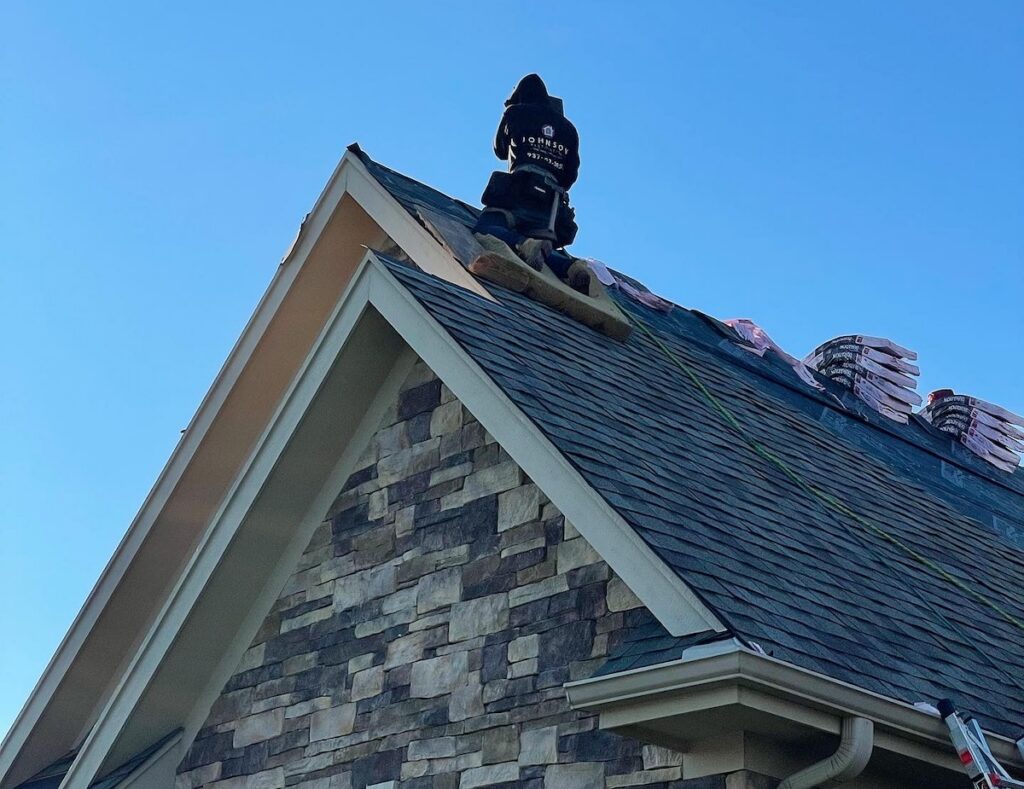
At Johnson Restoration, we help homeowners in Sugarcreek and surrounding areas choose roofing systems that match their needs, style, and budget. Whether you’re building a new home or replacing an aging roof, our team of trustworthy roofers delivers quality craftsmanship and dependable service you can trust.
As a local roofing company, we understand Ohio’s climate and how it impacts roof performance year-round. If you’re considering a gable roof installation or need maintenance or repairs on your current system, contact Johnson Restoration today. We’re here to provide expert guidance, durable materials, and the peace of mind that your home is protected for years to come.