
Skipping the building permit process on a roofing project might seem like a shortcut, but it can lead to fines, failed inspections, and headaches when it comes time to sell a home. A roofing permit confirms that the work meets local safety codes and protects the property owner from costly surprises down the road. Before starting your next roof replacement or repair on an existing structure or a new build, it helps to understand exactly when a permit is required and why it matters for your house.
Here is a quick look at what this guide covers:
- Why permits play a bigger role than most homeowners expect
- Six situations where a roofing permit typically applies in Ohio
- How permit rules differ between repairs and full replacements
- Answers to common questions about the permitting process
Why This Paperwork Actually Protects You
A roofing permit might feel like an extra hurdle, but it is essentially an administrative act that confirms the work being done meets current applicable regulations and building code standards. Skipping this step does not just risk a fine, it can also leave a homeowner with an improperly installed roof that fails to protect the home the way it should. Understanding the real value behind the paperwork helps homeowners see why the process is worth taking seriously.
- Code compliance: A permit ensures the new roof meets current structural, fire, and ventilation requirements under local legislation.
- Insurance protection: Unpermitted work can complicate or even void a claim if damage occurs later.
- Resale confidence: Buyers and inspectors often flag unpermitted roofing work during a home sale.
- Safety assurance: Inspections catch issues like improper flashing or decking problems before they become bigger.
Most jurisdictions require a permit any time a full roof is replaced or the underlying structure is changed. Homeowners in Centerville and surrounding areas fall under a local municipality and urban planning office that enforce these requirements under state and local law, so checking the specific rules before starting a project is always a smart move. Taking this step early prevents the kind of costly rework that happens when a project has to be paused or corrected midway through.
6 Situations Where a Roofing Permit Applies
Permit requirements vary by project type, and most fall into a few main categories ranging from small scale repairs to large buildings undergoing full reconstruction. Each of the following scenarios represents a common reason Ohio homeowners end up needing a roofing permit before work can begin.
1. A Complete Roof Replacement
A complete roof replacement is one of the most common reasons a full building permit becomes necessary, since removing and rebuilding an entire roofing system is considered major construction work rather than a small scale building permit situation. This type of project changes enough of the home’s structure that most local building departments require inspection at multiple stages before the work is carried through to completion. Skipping the permit on a full replacement is one of the riskiest shortcuts a homeowner can take.
- Full tear-offs almost always require a permit
- Inspections typically occur before and after installation
- Skipping this step can affect future home sales
2. Structural Changes to the Roof
Structural changes to the roof, such as altering the pitch, framing, or decking, almost always require a permit regardless of the roofing material involved. These changes affect the load-bearing capacity of the home, which is exactly the kind of modification building codes are designed to monitor, and larger projects may require structural calculations or an architectural study before approval. A permit ensures the new structure meets current engineering standards.
- Changes to roof pitch or height typically require review
- Decking replacement often needs separate inspection
- Structural work usually requires a licensed contractor
3. Installing a New Layer Over Existing Shingles
Installing a new layer over existing shingles, sometimes called a roof-over, still requires a permit in most Ohio jurisdictions even though the existing structure stays the same. Many homeowners assume this shortcut skips the permitting process, but most building departments want to account for current building conditions and confirm the existing roof can safely support the added weight. Checking local rules before choosing this option helps avoid an unpleasant surprise later.
- Weight limits often restrict how many layers a roof can support
- Local codes may cap the number of allowed layers
- Overlay projects can still require a full inspection
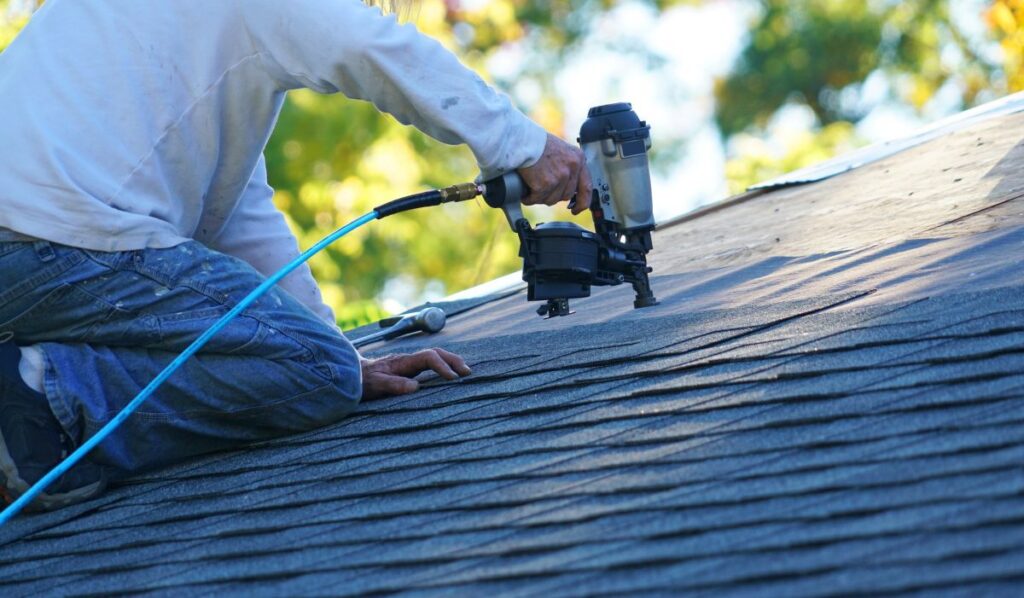
4. Repairing Storm or Fire Damage
Repairing storm or fire damage frequently requires a permit, particularly when the repair involves a significant portion of the roof or affects the underlying structure. Insurance claims for storm damage are often subject to review and specifically require documented, permitted work to remain valid. This is one area where obtaining the permit is essential, since skipping it can create real complications with an insurance payout.
- Large-scale storm repairs typically need a permit
- Insurance companies may request permit documentation
- Structural damage repairs almost always require inspection
5. Adding Rooftop Equipment or Solar Panels
Adding rooftop equipment or solar panels usually requires a separate permit in addition to any standard roofing permit, since these installations involve penetrations through the roofing membrane, changes to thermal insulation, and connections to the home’s electrical system. Coordinating this work with a roofing contractor helps ensure crews have safe access and that the installation does not compromise the integrity of the surrounding roof. Skipping this step can create leaks that are difficult to trace later.
- Solar installations often require both roofing and electrical permits
- Rooftop equipment needs proper flashing to prevent leaks
- Local zoning rules may also apply to solar projects
6. New Construction or Additions
New construction or home additions that include a roofing component are almost always covered under the broader building permit for the project rather than a separate roofing permit. Whether it is a new build house or an addition on existing land, these projects are reviewed from the ground up, so roofing details are typically part of the same inspection process as the rest of constructing the structure. Coordinating roofing plans with the general contractor keeps this process moving smoothly.
- Roofing on additions is usually part of the main building permit
- Inspections occur alongside the rest of the construction timeline
- Material and design choices may need to match existing sections
Understanding these six situations gives homeowners a clearer sense of when a permit is likely required before starting a project. When in doubt, a quick call to the local building department can save significant time and money later.
What the Permit Process Actually Involves
Once a homeowner or contractor determines a permit is needed, the actual procedure tends to follow a fairly predictable path from application to final approval and issuance. Knowing what to expect ahead of time, including how long the review period may take, helps homeowners plan their project timeline more accurately.
- Application submission: Basic project details, including scope of work and materials, are submitted along with all the required documents to the local building department.
- Plan review: Some projects require a review of structural plans and other supporting documents before approval is granted.
- Fee payment: Permit fees vary based on project size and local rates.
- Inspections: Most permitted roofing projects require at least one inspection before the job is considered complete.
Working with an experienced roofing contractor often simplifies this entire process, since many contractors take on the responsibility of handling the permit application and scheduling on the homeowner’s behalf, along with supervision of the crew throughout the job. Homeowners in Centerville and surrounding areas who hire a licensed, established contractor typically find the permitting process moves much faster than attempting it alone, though a straightforward permit can occasionally take up to two months in busier periods if a department needs extending time for review. Understanding this workflow ahead of time helps set realistic expectations for how long a roofing project will take from start to finish.
Repairs vs. Full Replacement: Permit Differences
Not every roofing project requires the same level of permitting, and understanding the difference between minor repairs and full replacements helps homeowners know what to expect. Just as other home projects like swimming pools or additions have mandatory permitting thresholds, roofing work follows its own set of applicable regulations. The table below outlines some general differences, though local rules always take precedence.
| Factor | Minor Repairs | Full Replacement |
| Permit likely required | Often no | Almost always yes |
| Inspection needed | Rarely | Typically yes |
| Structural review | Rarely | Sometimes |
| Insurance documentation | Sometimes | Frequently required |
Choosing between a minor repair and a full replacement often depends on the extent of the damage rather than personal preference, since building departments generally define thresholds based on square footage or structural involvement. A qualified roofing contractor can help determine which category a specific project falls into before work begins, and can also confirm the possibility of obtaining a certificate of completion once the job passes final inspection. Getting this distinction right upfront prevents the frustration of starting a project only to discover a permit was required after all.
Frequently Asked Questions About Roofing Permits
Homeowners planning a roofing project often have similar questions about permits before getting started. Here are answers to some of the most common ones.
How much does a roofing permit typically cost?
Permit costs vary by location and project size, but many homeowners can expect fees ranging from a couple hundred dollars to over a thousand for larger projects.
Can my contractor pull the permit for me?
Yes, most licensed roofing contractors handle the permit application process as part of their standard service, which simplifies the process for homeowners.
What happens if I skip a required permit?
Skipping a required permit can lead to fines, forced removal of completed work, and complications when selling the home in the future.
Do small roof repairs always need a permit?
Not always, since many jurisdictions allow minor repairs without a permit, though the exact threshold varies by local building department.
How long does the permit approval process take?
Approval times vary, but many straightforward roofing permits are processed within a few days to a couple of weeks depending on the local department’s workload.
Every roofing project is a little different, so confirming specific requirements with the local building department is always worth the extra step. A qualified contractor can also help navigate this process from start to finish.
Protect Your Investment With the Right Guidance
Understanding roofing permit requirements before starting a project helps homeowners avoid fines, failed inspections, and costly rework down the road. Homeowners throughout Centerville and surrounding areas trust Johnson Restoration to help obtain the correct permits while delivering quality workmanship on every roofing project for our clients. Whether you are planning a full replacement or addressing storm damage, our experienced team can help guide you through the entire process.
If you are ready to get started on your roofing project, contact us today for a free estimate and expert guidance on permits and code requirements.