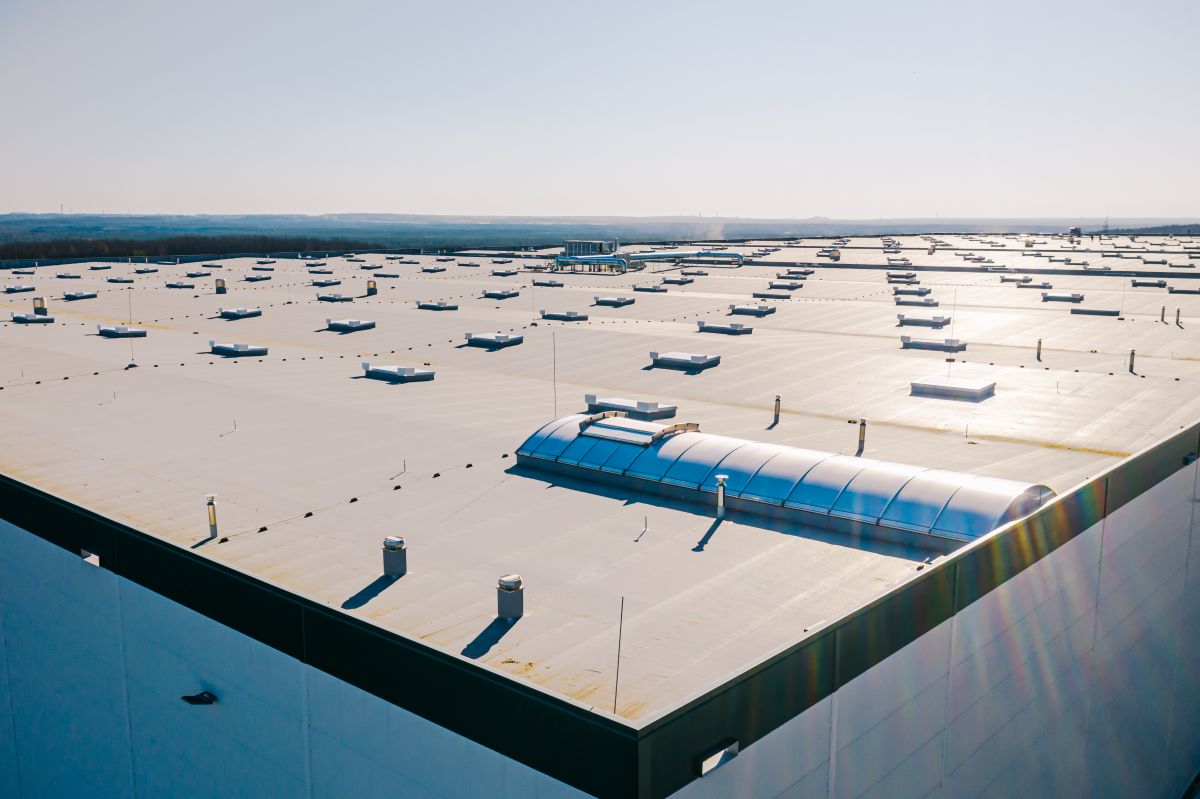

A warehouse roof works harder than almost any other part of the building, protecting inventory, equipment, and daily operations from Ohio’s unpredictable weather. Warehouse roofing involves different materials, codes, and maintenance needs than a typical residential roof, so property owners often have questions before deciding. Understanding the basics makes it easier to plan a large-scale roofing project with confidence.
Here is a short rundown of what this guide covers:
- Why warehouse roofing decisions carry more weight than homeowners might expect
- Nine key considerations that shape a successful warehouse roofing project
- How to think through material and system choices for a large facility
- Answers to common questions property owners ask before starting
Why Getting This Right Matters So Much
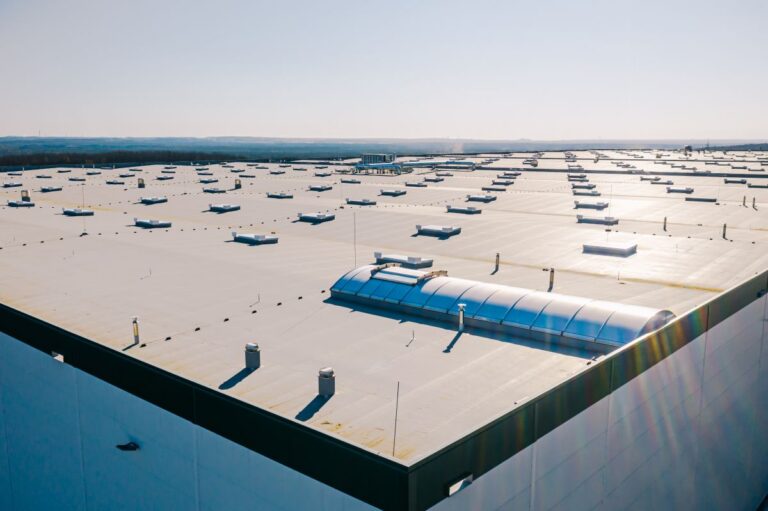
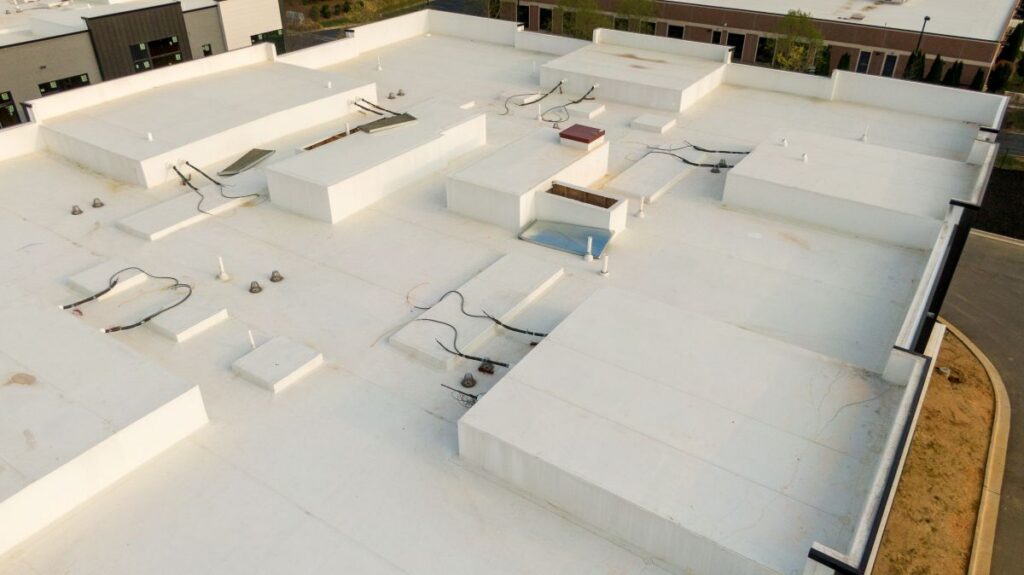
A warehouse roof typically covers tens of thousands of square feet, which means even small design or maintenance mistakes can turn into expensive problems quickly. Unlike a house, a warehouse roof often has to support rooftop equipment, withstand constant foot traffic during maintenance, and protect valuable inventory below in warehouses and other industrial facilities. Understanding the available roofing solutions helps property owners make smarter decisions from the start.
- Protects the investment: A warehouse roof shields expensive inventory, machinery, and infrastructure from water damage and structural failure.
- Reduces downtime: A well maintained roof prevents the kind of emergency leaks that can shut down operations for days.
- Controls long-term costs: Choosing the right system upfront helps avoid expensive repairs and premature replacement down the road.
- Supports energy efficiency: The right roofing material can meaningfully reduce heating and cooling costs across a large facility.
Material choice plays a major role in these outcomes, and understanding how different roofing materials compare in cost and lifespan helps property owners set realistic expectations before a project begins. Businesses in West Chester and surrounding areas often operate large distribution and manufacturing facilities that depend heavily on a dependable roof system suited to their site conditions.
9 Things to Know About Warehouse Roofing
Warehouse roofing decisions involve more moving parts than most property owners expect, from material selection to ongoing maintenance. Each of the following points addresses a factor that shapes how well a roof performs over its lifespan.
1. Low-Slope Systems Dominate Warehouse Construction
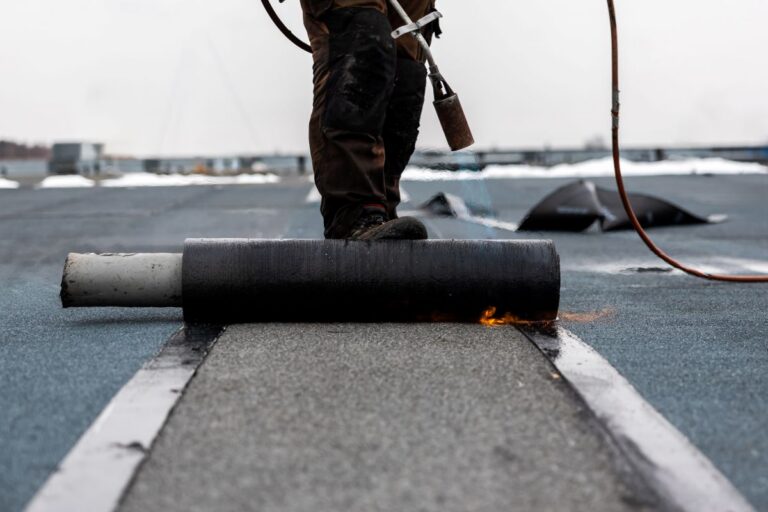
Low-slope systems dominate warehouse construction because large, flat roof spans are more practical and cost-effective to build than steep-pitched designs. The most common types, supplied in roll or sheet form as single ply roofing, include thermoplastic polyolefin (TPO), PVC, EPDM, and modified bitumen, each with different price points and life expectancy.
- TPO offers strong reflectivity and welded seams, with a life expectancy of 20 to 30 years and solid energy efficiency
- EPDM is a durable rubber membrane with a life expectancy of 25 to 30 or more years and stays flexible through temperature shifts
- PVC offers excellent chemical resistance and a similar 20 to 30 year life expectancy, making it suitable for coastal or high-exposure sites
- Modified bitumen typically lasts up to 20 years, while built-up roofs can last up to 50 years or longer
2. Metal Panel Systems Remain a Popular Alternative
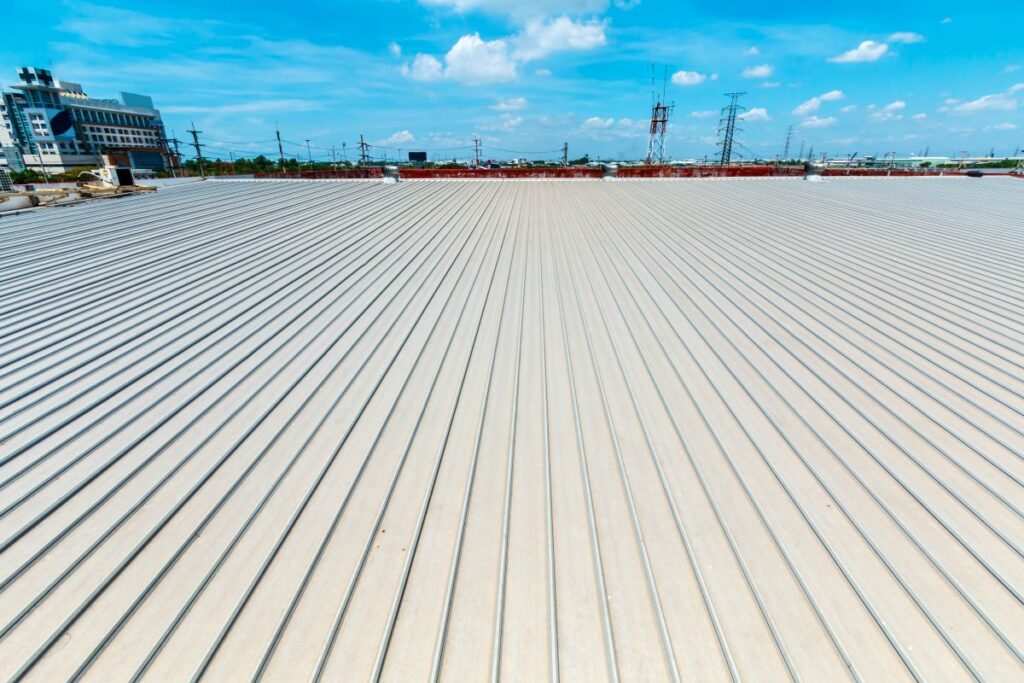
Metal panel systems remain a popular alternative for warehouses that want a longer lifespan and lower long-term maintenance needs. Options include galvanized steel, aluminum, and zinc panels, offering strong reflectivity, corrosion resistance, and a life expectancy of 40 to 80 years. Standing seam and corrugated panel options both hold up well against Ohio’s mix of heavy snow, wind, and seasonal temperature swings.
- Standing seam panels create a clean, seamless appearance while offering excellent wind and snow performance
- Corrugated panels provide a more budget-friendly metal option, often attached with exposed fasteners
- Galvanized coatings improve rust and corrosion resistance over time
- Both systems typically outlast single ply roofing alternatives
3. Roof Drainage Design Prevents Costly Ponding
Roof drainage design prevents costly ponding issues that are common on large, flat warehouse roofs. Poorly placed drains, scuppers, or insufficient roof slope can allow water to collect in low spots, accelerating membrane wear and increasing the risk of leaks. Site layout also affects drainage needs.
- Interior drains require regular inspection to prevent clogging
- Scuppers and gutters need clear pathways to function properly
- Tapered insulation can help correct minor slope issues
4. Insulation Choices Affect Energy Costs Significantly
Insulation choices affect energy costs significantly across a building the size of a typical warehouse. Rigid foam board insulation is common beneath membrane systems, while metal roof assemblies often use insulated panels or a vapor barrier to limit condensation.
- Higher R-values reduce energy loss through the roof assembly
- White TPO membranes help lower cooling costs in hot regions
- Local energy codes often set minimum insulation requirements
5. Rooftop Equipment Requires Careful Planning
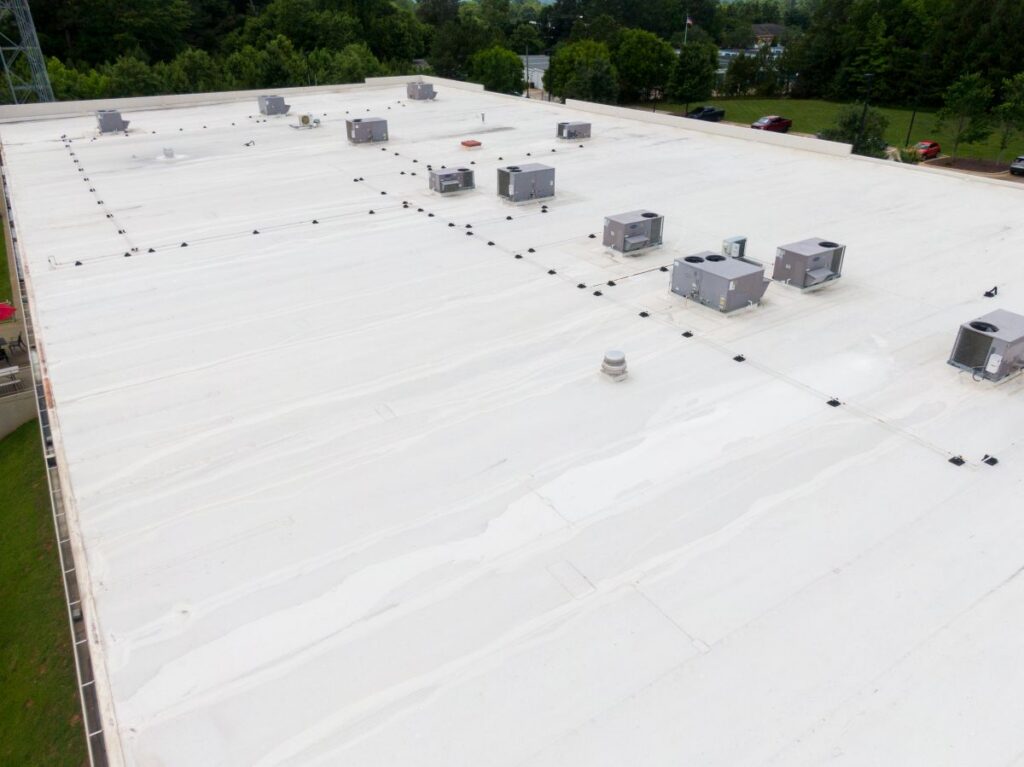
Rooftop equipment requires careful planning since most warehouses rely on HVAC units, exhaust fans, and other mechanical systems mounted on the roof. Each penetration creates a potential leak point if not properly flashed and sealed.
- Curbs and flashing details need regular inspection over time
- New equipment installations should always involve the roofing contractor
- Poorly sealed penetrations are a leading cause of warehouse roof leaks
6. Fire Ratings and Building Codes Apply Directly
Fire ratings and building codes apply directly to warehouse roofing systems, often more strictly than they do to residential projects. Additionally, local and state codes typically dictate minimum fire ratings, wind uplift resistance, and insulation requirements.
- Fire ratings vary based on the materials used in the roof assembly
- Wind uplift requirements depend on building height and location
- Permitting requirements for commercial roofs differ from residential projects
7. Preventive Maintenance Extends Roof Lifespan
Preventive maintenance extends roof lifespan far more effectively than reactive repairs made after a leak has already caused damage. Regular inspections catch small issues, such as minor seam separation or damaged flashing, before a roof begins to fail. Many manufacturers also require documented maintenance to keep warranty coverage valid.
- Biannual inspections help catch seasonal wear before it worsens
- Debris removal from drains and gutters prevents water backup
- Documented maintenance protects manufacturer warranty coverage
8. Insurance and Warranty Terms Vary Widely
Insurance and warranty terms vary widely between roofing systems and manufacturers, making it important to read the fine print. Some warranties cover materials only, while others include labor and consequential damage.
- Material-only warranties offer less protection than full system warranties
- Contractor workmanship warranties are separate from manufacturer coverage
- Insurance policies may require documented maintenance records for claims
9. Reroofing Decisions Depend on Building Age and Use
Reroofing decisions depend heavily on building age, current roof condition, and how the facility is expected to be used going forward. Older warehouses with multiple existing roof layers may require a full tear-off, while newer buildings in good condition might only need targeted repairs or a liquid-applied acrylic coating that can extend a roof’s remaining life by 10 to 20 years.
- A full tear-off allows for updated insulation and drainage improvements
- Liquid-applied coatings are typically warranted for 10 to 25 years at about half the cost of a full replacement
- Building use changes, such as added equipment, may require code updates
Working through these nine considerations gives property owners a clearer picture of what a successful project actually involves, and skipping steps tends to create problems that surface later.
Choosing the Right System for a Large Facility
Selecting the right roofing system for a warehouse depends on far more than just upfront cost, since long-term performance and maintenance needs vary significantly between options. A thoughtful comparison of materials helps property owners avoid choosing a system that looks affordable today but proves costly over time, and even the best material will underperform if it is not properly installed.
- Budget considerations: Membrane systems typically cost less upfront, while metal systems offer a longer service life and are often the ideal choice for long-term ownership.
- Climate performance: Ohio’s freeze and thaw cycles favor systems with strong flexibility and wind resistance.
- Maintenance demands: Some systems require more frequent inspections and repairs than others.
- Building use: Facilities with heavy rooftop equipment need systems designed to handle frequent foot traffic and penetrations.
Property owners in West Chester and surrounding areas often manage a mix of older and newer facilities, so the right system for one building may not suit another. Consulting an experienced commercial roofing contractor helps ensure the chosen system actually fits the building’s needs.
Membrane vs. Metal Roofing for Warehouses
Many property owners weigh membrane systems against metal panel systems when planning a new roof or full replacement, and each option comes with its own tradeoffs.
| Factor | Membrane Systems | Metal Panel Systems |
| Upfront cost | Generally lower | Generally higher |
| Expected lifespan | 20 to 30 years | 40 to 60 years |
| Maintenance needs | Moderate to high | Lower over time |
| Weight | Lightweight | Heavier, may need structural review |
| Best for | Budget-conscious projects | Long-term ownership plans |
Choosing between these two paths often comes down to how long the property owner plans to hold the building and how much long-term maintenance they want to take on. Membrane systems make sense for owners focused on lower upfront costs, while metal systems tend to deliver better long term value for those planning to own the facility for decades.
Frequently Asked Questions About Warehouse Roofing
Property owners considering a warehouse roofing project often have similar questions before moving forward. Here are answers to some of the most common ones.
How long does a typical warehouse roof last?
Most warehouse roofing systems last between 20 and 60 years depending on the material chosen, with metal systems generally outlasting membrane options.
How often should a warehouse roof be inspected?
Most experts recommend inspecting a warehouse roof at least twice a year, along with additional checks after major storms or severe weather events.
Can a warehouse roof be repaired instead of replaced?
In many cases yes, especially if the underlying structure is sound and damage is limited to specific areas rather than widespread across the roof.
Does warehouse roofing require special permits?
Yes, commercial roofing projects typically require permits and must meet specific building codes that differ from residential roofing requirements.
How much does a warehouse roofing project typically cost?
Costs vary based on square footage, material choice, and building complexity, so a detailed quote from a commercial contractor is the best way to budget accurately.
In conclusion, every warehouse has its own specific needs based on age, use, and location, so a professional assessment is always the best starting point for finding the best choice. A qualified commercial roofing contractor can walk through these details and recommend the right path forward for a specific facility.
Protect Your Facility With the Right Roofing Partner
Warehouse roofing is one of the most significant investments a property owner will make, and getting the details right protects everything happening beneath that roof every single day. Businesses throughout West Chester and surrounding areas trust Johnson Restoration to evaluate their facilities, recommend the right system, and handle installation and repairs. Whether you are planning a full replacement or need help extending the life of an existing roof, our experienced team is ready to help.
If you are ready to discuss your warehouse roofing needs, contact us today for a free estimate and expert guidance.