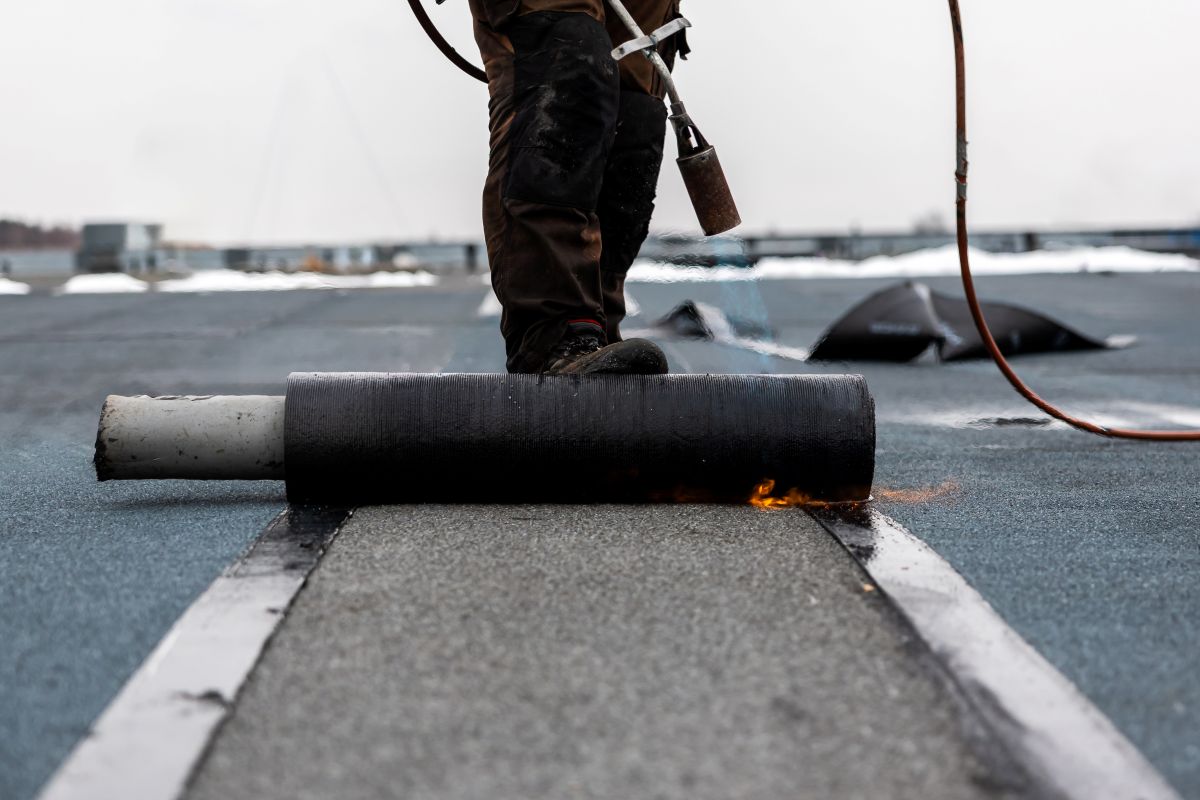

Flat and low-slope roofs need a different approach than a typical shingled roof, and homeowners often find themselves comparing several older and newer systems before deciding. Tar and gravel roofing has been protecting flat roofs for over a century, but it comes with tradeoffs that are worth understanding before committing to it. If you are weighing this option for your flat or low-slope roof project, it helps to know exactly what you are signing up for.
Here is a quick look at what this guide covers:
- Why this roofing system still shows up on so many flat roofs today
- Seven key facts homeowners should know before choosing it
- How it stacks up against newer flat roofing alternatives
- Answers to common questions about cost, upkeep, and lifespan
Why This Older System Still Gets Considered Today
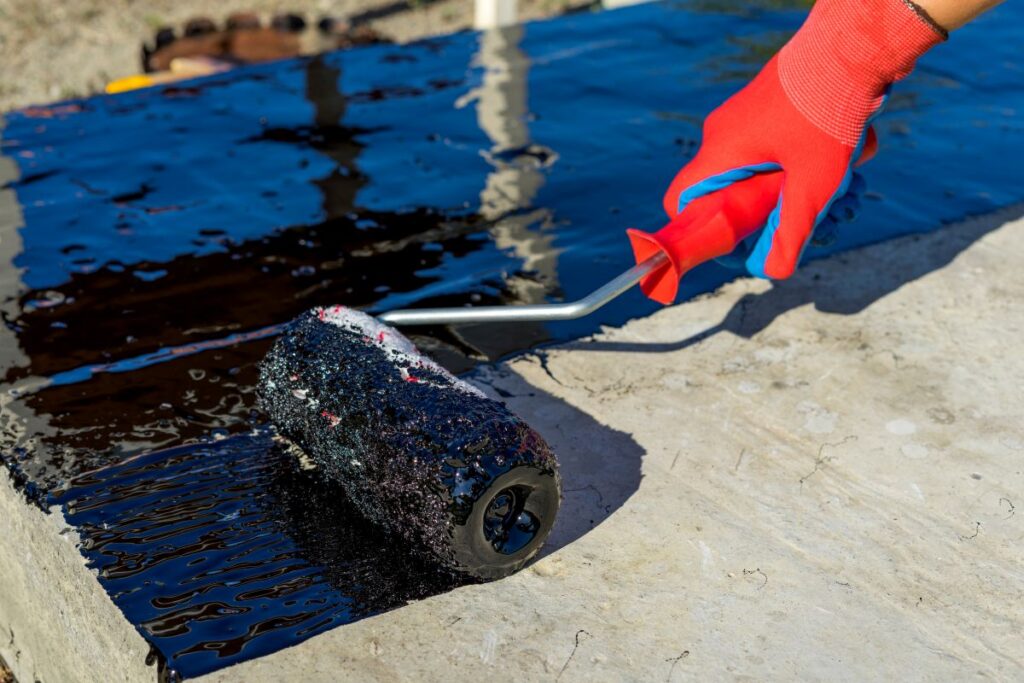
Tar and gravel roofing, also known as built-up roofing, has stuck around for well over a hundred years for good reason, and it still comes up in conversations about flat roof replacement. Understanding why it has lasted this long helps homeowners weigh it fairly against more modern single-ply options. Looking at the specific strengths of this system makes it easier to judge whether it fits a particular building and budget.
- Proven durability: Multiple overlapping layers create redundant waterproofing that has stood the test of time.
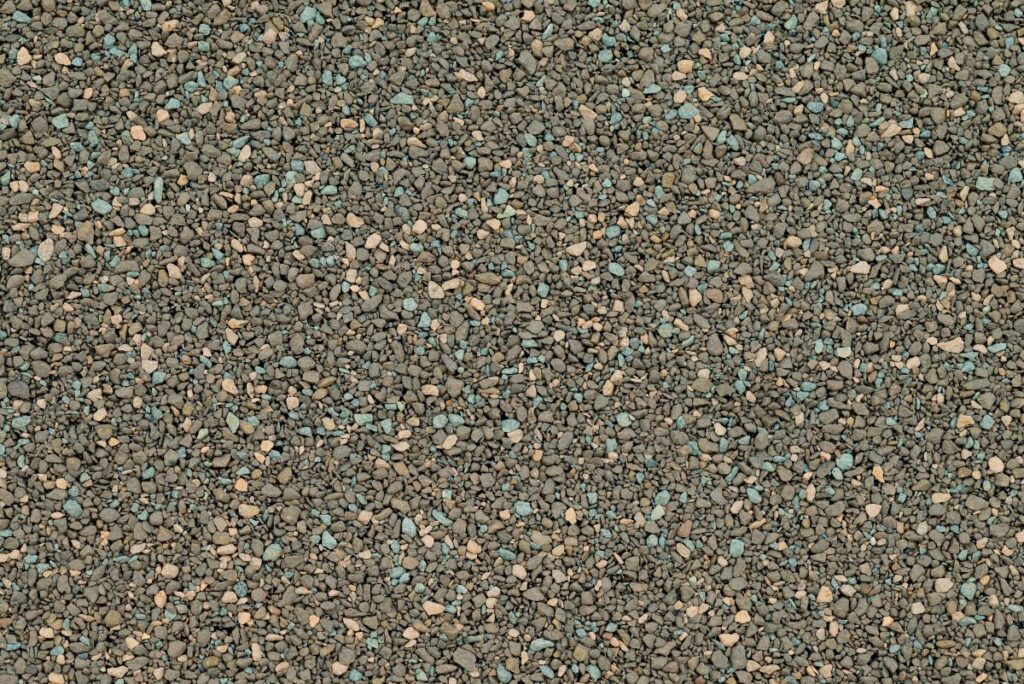
- Impact resistance: The gravel top layer protects against hail, falling branches, and general debris.
- UV protection: Gravel shields the asphalt layers below from sun damage, extending the roof’s usable life.
- Long-term value: A properly installed system can outlast several other flat roofing materials.
According to an in-depth breakdown of tar and gravel roofing, this system typically lasts around 30 years, longer than many other flat roof materials on the market. Homeowners and property managers in Oakwood and surrounding areas often encounter this system on older commercial buildings and some residential additions with flat sections.
7 Key Facts About Tar and Gravel Roofing
Tar and gravel roofing comes with a distinct set of characteristics that set it apart from newer flat roofing systems. Each of the following facts addresses something homeowners should factor into their decision before choosing this system for a flat or low-slope roof.
1. It Is Built From Multiple Layered Materials
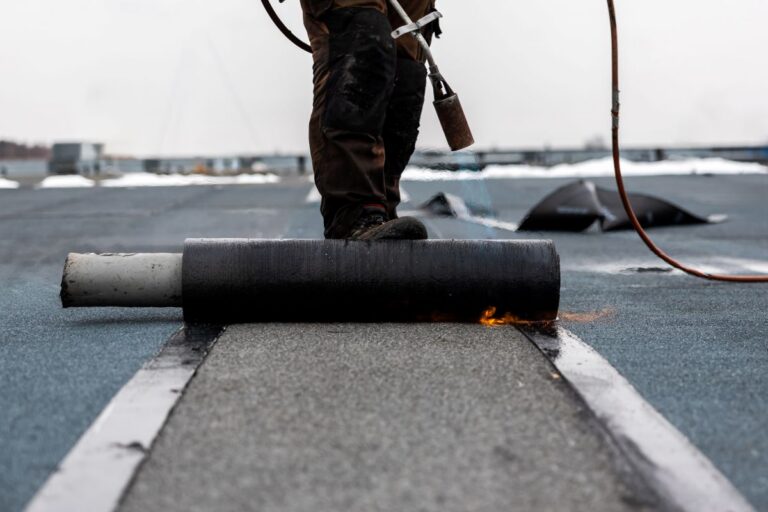
It is built from multiple layered materials, alternating layers of asphalt and reinforcing felt or fiberglass that are heated and applied one on top of the other. This layered construction is where the system gets its “built-up” name, and each additional layer adds both cost and durability.
- Typically three to five layers make up a standard system
- Each layer adds redundancy against water intrusion
- The gravel cap protects the asphalt layers from direct sun exposure
2. Installation Requires Specialized Skill
Installation requires specialized skill since hot asphalt has to be heated to precise temperatures and applied evenly across the entire roof surface. A poorly executed installation can lead to uneven coverage, trapped moisture, or premature failure of the system. Choosing an experienced contractor familiar with this specific process matters more with tar and gravel than with many other roofing types.
- Hot asphalt application requires proper safety equipment and training
- Uneven application can create weak points in the membrane
- Weather conditions during installation affect the final result
3. The System Adds Significant Weight
The system adds significant weight to a roof structure, since the combination of asphalt, felt layers, and gravel is considerably heavier than most single-ply alternatives. Older buildings originally designed for this type of roof usually have no issue, but structures being converted from a different roofing system may need a structural evaluation first.
- A structural assessment is recommended before installation on converted buildings
- Older commercial buildings are often already designed for the added load
- Reinforcement work adds cost but may be necessary in some cases
4. Repairs Can Be More Involved Than Expected
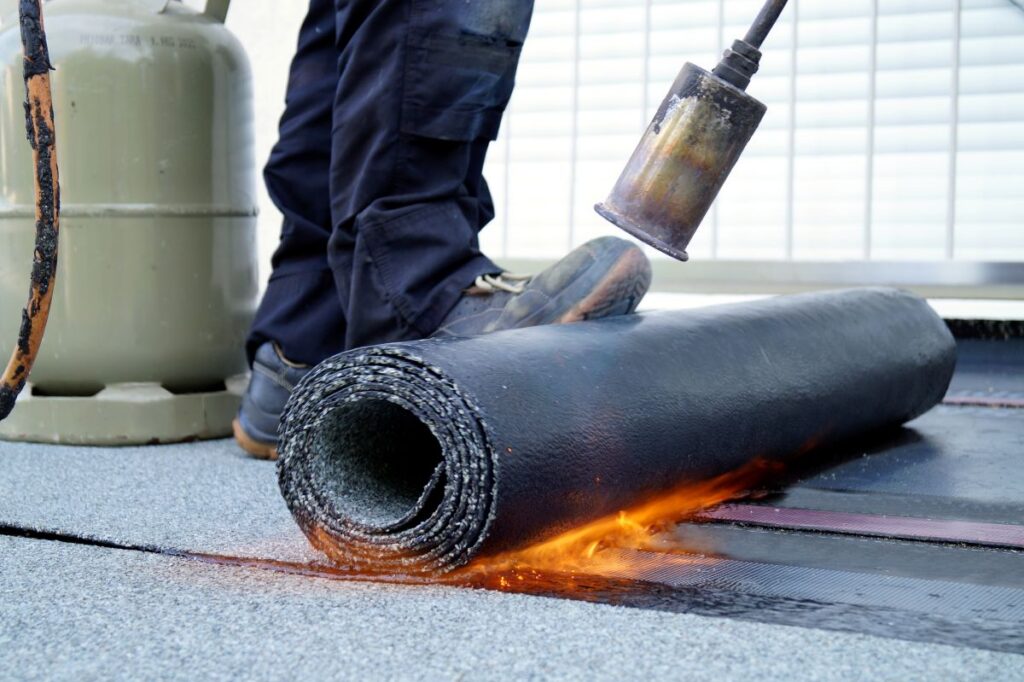
Repairs can be more involved than expected because accessing the underlying membrane requires removing the gravel layer first. This extra step means that even a relatively minor leak repair takes more time and labor than repairing a single-ply membrane system. Understanding this tradeoff upfront helps homeowners budget appropriately for maintenance over the life of the roof.
- Locating the exact source of a leak can take extra time
- Gravel must be cleared and later replaced around any repair area
- Repair costs tend to run higher than routine single-ply repairs
5. Maintenance Needs Are Relatively Simple
Maintenance needs are relatively simple compared to the complexity of the system itself, mostly involving routine inspections and drain cleaning. Because the gravel layer already protects the membrane from UV exposure, tar and gravel roofs do not require the frequent resealing that some other built-up systems need. Staying on top of basic upkeep goes a long way toward reaching the system’s full expected lifespan.
- Annual inspections help catch small issues early
- Clear drains prevent water from pooling on the roof surface
- Gravel redistribution may be needed in high-traffic areas
6. Cost Sits in the Middle of the Range
Cost sits in the middle of the range compared to other flat roofing materials, generally higher upfront than a standard built-up roof without gravel but often more affordable over time than premium single-ply systems. The extended lifespan tends to offset the higher initial investment for homeowners planning to stay in a property long term. Getting a detailed quote helps set realistic expectations before committing to the project.
- Material and labor costs vary based on roof size and layer count
- Long-term value often outweighs the higher upfront price
- Structural reinforcement, if needed, adds to overall project cost
7. It May Not Suit Every Rooftop Use Case
It may not suit every rooftop use case, particularly buildings planning future rooftop additions like solar panels or extensive foot traffic. Penetrations through the membrane for new equipment can increase the risk of leaks over time, and the added weight of solar arrays may compound existing structural concerns. Homeowners considering future rooftop upgrades should factor this into their initial material decision.
- Solar installations require careful planning on this roof type
- Heavy foot traffic can disturb the gravel and expose the membrane
- Future rooftop changes should be considered before installation
Weighing these seven facts together gives homeowners a realistic picture of what living with a tar and gravel roof actually involves. For the right building and the right priorities, it remains a genuinely solid choice even among newer alternatives.
How This System Compares to Modern Alternatives
Tar and gravel roofing is often compared against newer single-ply membrane systems like TPO and EPDM, which have grown in popularity over the past few decades. Understanding these differences helps homeowners see where each system holds an advantage.
- Lifespan: Tar and gravel roofing often outlasts TPO and EPDM when properly maintained.
- Weight: Single-ply membranes are significantly lighter and place less stress on the building structure.
- Installation speed: Membrane systems typically install faster than a multi-layer built-up roof.
- Repair complexity: Membrane repairs are usually quicker since there is no gravel layer to remove first.
Homeowners and building owners throughout Oakwood and surrounding areas often find that the right choice depends on the specific building’s age, structure, and long-term ownership plans. A newer building without an existing structural design for the extra weight may lean toward a lighter single-ply system, while an older building already built for it may benefit from staying with a proven tar and gravel approach. Consulting with an experienced roofing contractor helps clarify which direction makes the most sense for a specific property.
Tar and Gravel vs. Single-Ply Membrane Roofing
Choosing between tar and gravel roofing and a modern single-ply membrane often comes down to priorities like budget, building age, and expected lifespan. The comparison below highlights some of the most relevant differences for homeowners weighing both options.
| Factor | Tar and Gravel | Single-Ply Membrane |
| Average lifespan | Around 30 years | 20 to 30 years |
| Weight | Heavy | Lightweight |
| Installation time | Longer | Shorter |
| Repair process | More involved | Generally simpler |
| Best for | Older, structurally reinforced buildings | Newer buildings or lighter structures |
Choosing between these two paths often comes down to the specific building’s existing structure and how long the owner plans to keep the property. Tar and gravel roofing tends to reward homeowners willing to accept a heavier system and more involved repairs in exchange for proven long-term durability. Single-ply membranes, on the other hand, offer a lighter and often faster installation for buildings that were not originally designed to carry extra roof weight.
Frequently Asked Questions About Tar and Gravel Roofing
Homeowners considering this roofing system often ask similar questions before making a final decision. Here are answers to some of the most common ones.
How long does a tar and gravel roof typically last?
A well maintained tar and gravel roof typically lasts around 30 years, which is longer than many other flat roofing materials available today.
Is tar and gravel roofing more expensive than other flat roof options?
It generally costs more upfront than a standard built-up roof without gravel, but its extended lifespan often makes it a strong long-term value compared to some alternatives.
Can solar panels be installed on a tar and gravel roof?
It is possible, but not ideal, since the necessary roof penetrations for mounting hardware can increase the risk of leaks on this type of flat roof system.
Does hail damage tar and gravel roofs easily?
Tar and gravel roofs actually hold up well against hail, since the gravel layer absorbs much of the impact before it reaches the membrane below.
How often does a tar and gravel roof need maintenance?
Annual inspections and regular drain cleaning are typically all that is needed, making maintenance fairly straightforward compared to the complexity of the system itself.
Every roof and building has its own specific needs, so a professional evaluation is always worth scheduling before making a final decision. A qualified contractor can assess the structure and recommend whether this system truly fits the property.
Get Expert Guidance on Your Flat Roofing Options
Tar and gravel roofing remains a reliable choice for many flat and low-slope buildings, but the right decision always depends on the specific structure and long-term goals of the property owner. Homeowners and business owners throughout Oakwood and surrounding areas trust Johnson Restoration to evaluate their roofing needs and recommend the system that truly fits their building. Whether you are leaning toward tar and gravel or considering a modern alternative, our experienced team can help you weigh the options with confidence.
If you would like an expert opinion on your flat roofing project, contact us today for a free estimate and honest guidance tailored to your building.