
Did you know your roof is a complex mechanical system, not just a layer of shingles? While the shingles are its most visible feature, a high-performing roof relies on multiple integrated components working in total synchronization. For any homeowner, bridging the knowledge gap regarding the various parts of a roof is the first step in protecting your greatest investment.
Having a strong roof is just as important as having a strong foundation. Understanding these technical parts of a roof empowers you to make superior maintenance decisions and mitigate the risk of expensive structural failures. By mastering this vocabulary, you transition from a passive observer to an informed homeowner capable of communicating effectively with industry professionals. Read on to explore how these individual components function together to shield your home from the elements and ensure long-term structural integrity.
Key Takeaways
- The Fundamental Anatomy of a Roof: A high-performing system relies on five essential parts of a roof—the deck, underlayment, flashing, shingles, and vents—working together to provide structural support, a waterproof seal, and critical airflow.
- Overlooked Structural Components: Secondary parts of a roof like rafters, chimneys, valleys, and eaves require specialized attention and proper gutter drainage to ensure heavy water collection is successfully diverted from your foundation.
- Ensuring Long-Term Structural Integrity: Professional oversight is the best way to identify minor component misalignments, helping you mitigate the risk of expensive structural failures, high energy bills, and moisture damage.
What Are Different Parts of a Roof?
Although there are many parts of a roof, chances are good you already know some of them. Shingles, chimneys, and gutters are most commonly known since they are always visible and easily identifiable. The base of your residential roof is a truss. This is a group of several proofing pieces that support your roof.
The more you understand how your roof works, the more confident you’ll be in noticing potential warning signs and addressing issues. In this section, we’ll break down the parts of a roof and how they work to cohesively secure your home. We’ll start from the base support system and work upwards from there.
1. Plywood Roof Deck
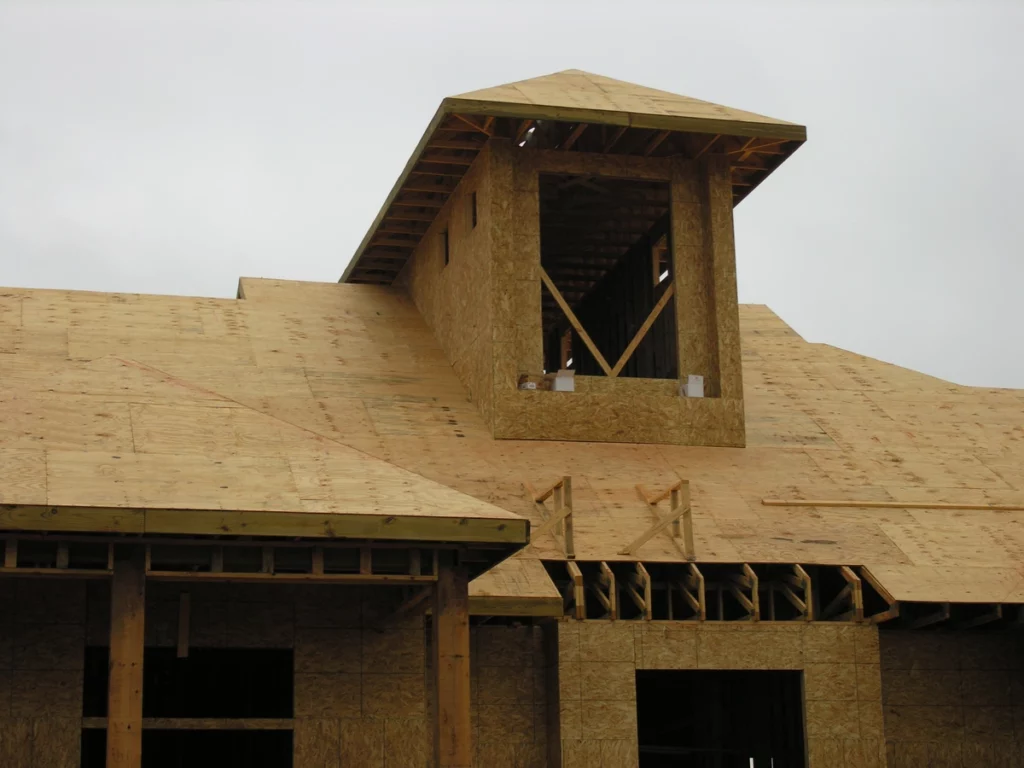
Starting from the base layer of your roof, you’ll find roof decking or roof sheathing. As one of the most critical parts of a roof, this is the foundation that helps keep everything in place, provides support, and is used as a nail bed for roofing materials. It’s usually a half-inch of plywood installed with waterproofing material to ensure your attic is well-ventilated.
Moisture prevention is essential to avoid swelling and shrinking of your roof decking, which can lead to leaks, water damage, and structural instability. That’s why it’s so important to make sure the roof decking is in good condition.
Depending on your budget and material availability, there are two main types of decking used on roofs:
- Plank decking: This is made up of long and rectangular wooden boards. They come in either 1×6 or 1×8 sizes. It’s not as commonly used today, but you still may see it.
- Sheet decking: This type is also known as sheathing since it lays flat sheets of wood down as the decking. The main material types are plywood and OSB (oriented strand board).
Preventing moisture in your sheet or plank decking is crucial. Because this foundation supports so much weight, any warping here can quickly cause other parts of a roof to fail alongside it. If you suspect water has penetrated this far down, exploring the replacement process for roof decking will help you understand what to expect during a major structural repair.
2. Felt or Synthetic Underlayment
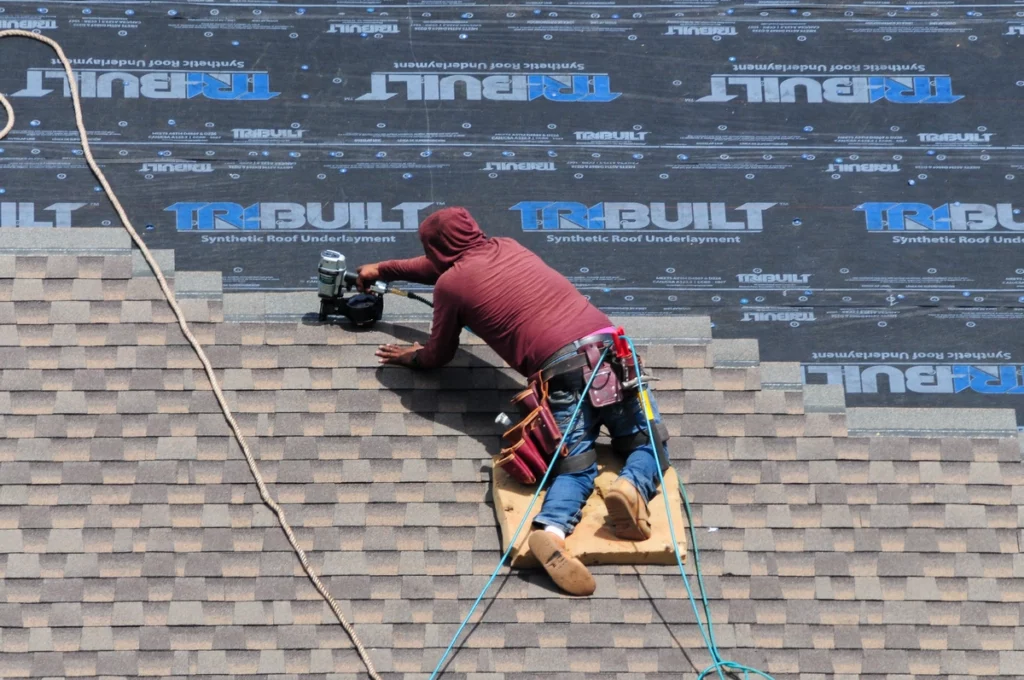
Moving on to other essential parts of a roof, we have the ice and water shield: the felt or synthetic underlayment. The home’s underlayment is the protective blanket that provides cushioning and is directly installed on your roof’s decking. Since it’s waterproof, it creates a moisture barrier to prevent water damage issues.
There are different types of underpayment membranes. Different options include:
- Felt: This is the most traditional type of underlayment. It’s applied directly to the deck and covered with shingles.
- Synthetic: it’s a high-tech alternative that provides waterproofing features like felt. Made from synthetic materials.
- Rafter underlayment: This offers waterproofing for your rafters.
- Valley underlayment: A main benefit of this is offering additional protection from leaks from water pooling.
- Eaves membrane: This is a self-sealing bituminous membrane that protects against ice dam formation on your roof’s edge.
All of these underlayment membranes help to protect your roof decking from rain, snow, and wind. Having local residential roofing contractors verify that this waterproof membrane is layered correctly guarantees your interior structure remains dry even during severe storms.
3. Flashing
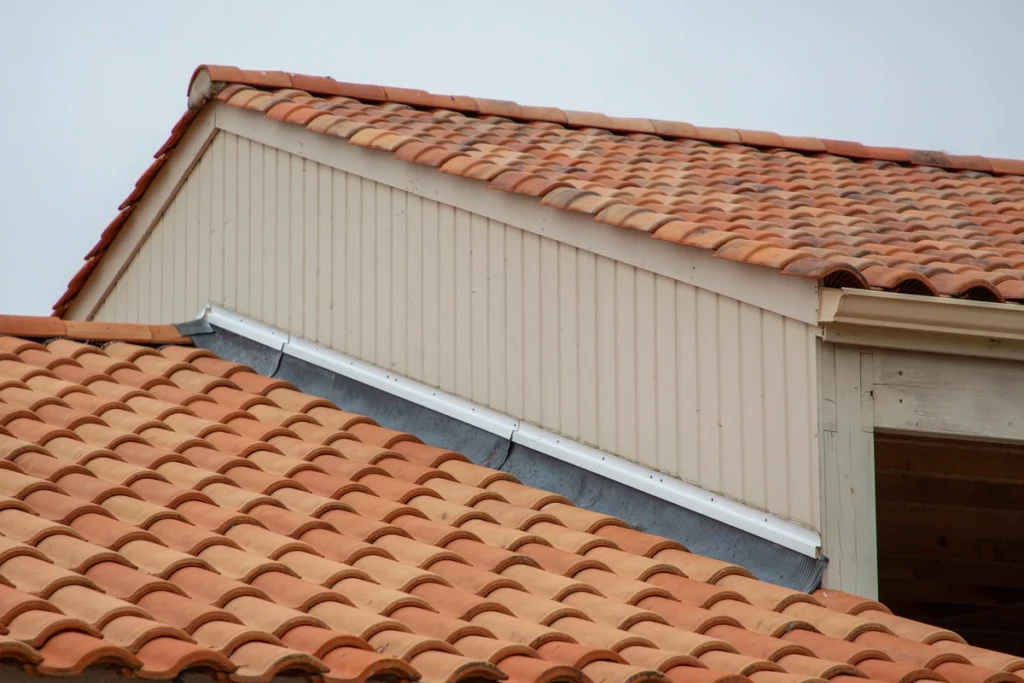
Flashing is similar to underlayment because it helps act as a weather-resistant barrier system. It’s made up of thin strips of waterproof material and is installed around keyt roof features.
There are many material options for flashing, such as galvanized steel, plastic, and aluminum. Flashing can also be placed around skylights, vents, and other seams and joints on your roof. Some main types of flashing include:
- Valley flashing: This is waterproofing material that’s installed in the valley line of your roof.
- Vent pipe flashing: Also known as an external sealant used around vent openings to help seal them from the weather.
- Chimney flashing: This is installed where your chimney meets your roof to prevent moisture problems.
- Skylight flashing: Another key area that needs flashing is the skylight. Install waterproofing material between the glass and frame.
Flashing is a crucial component among the various parts of a roof designed to keep out the elements. A drip edge is a special metal flashing that’s installed along the eaves of your roof to help move water away from the fascia.
4. Shingles
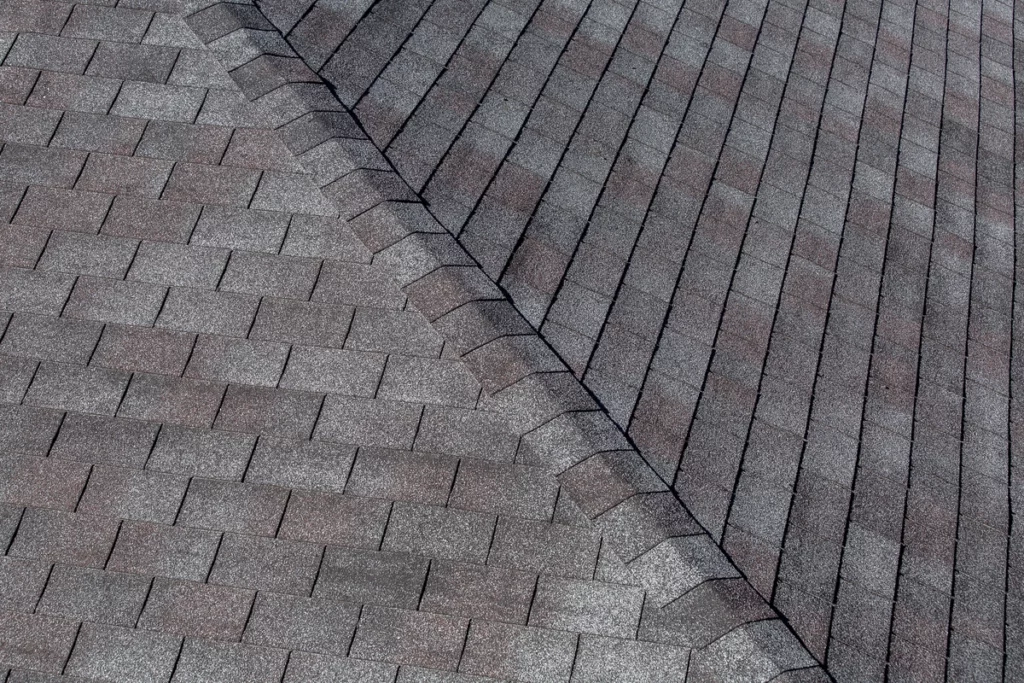
Shingles, tiles, and metal roofing are the next layer. These are the parts of a roof that most people associate with your home because they are visible to all. Your roof’s covering gives your home added durability, protection, and even curb appeal.
Types of roof coverings include:
- Shingles
- Metal Roofing
- Shakes
- Tiles
- Wooden or metal strips
Many factors, such as climate and budget, can influence which type of roof covering you choose. Reviewing the pros and cons of different types of roofing shingles ensures you select a material that maximizes both durability and the architectural style of your property.
5. Vents
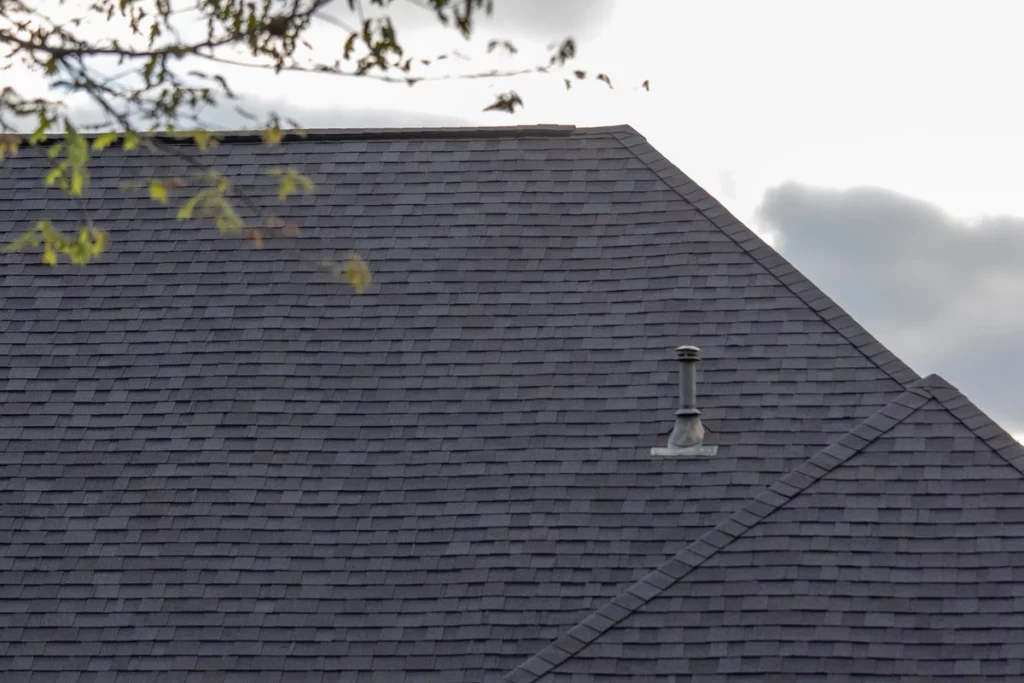
You may not realize this, but your home needs to breathe. Vents in your roof add to your structural integrity and durability. If there is no airflow, your roof could overheat or freeze throughout the year, leaving it susceptible to developing ice dams, mold growth, and other moisture build-up issues.
There are several types of roof vents, including:
- Ridge Vents: If you have a sloped roof, these will be installed at the peak to release humid air.
- Gable Vents: These are installed at either end of your roof’s gables to encourage passive air ventilation. Gables are flat ends, usually found in colder climates.
- Soffit Vents: When installed underneath the eaves of your home, they work well with other vents to bring in fresh air throughout your attic.
- Plumbing Vents: These vents provide ventilation to your home’s plumbing. They’ll need specific flashing.
Roof ventilation allows for greater airflow throughout your attic space, which prevents overheating and moisture build-up. This helps prevent moisture buildup and extreme temperature fluctuations. Ultimately, allowing your home to breathe ensures that all the other parts of a roof remain structurally sound and protected from internal decay or ice damage.
Don’t Forget These Additional Roof Design Elements!
While there are several main parts of a roof, there are also other key features that provide durability, water protection, and more.
Rafters
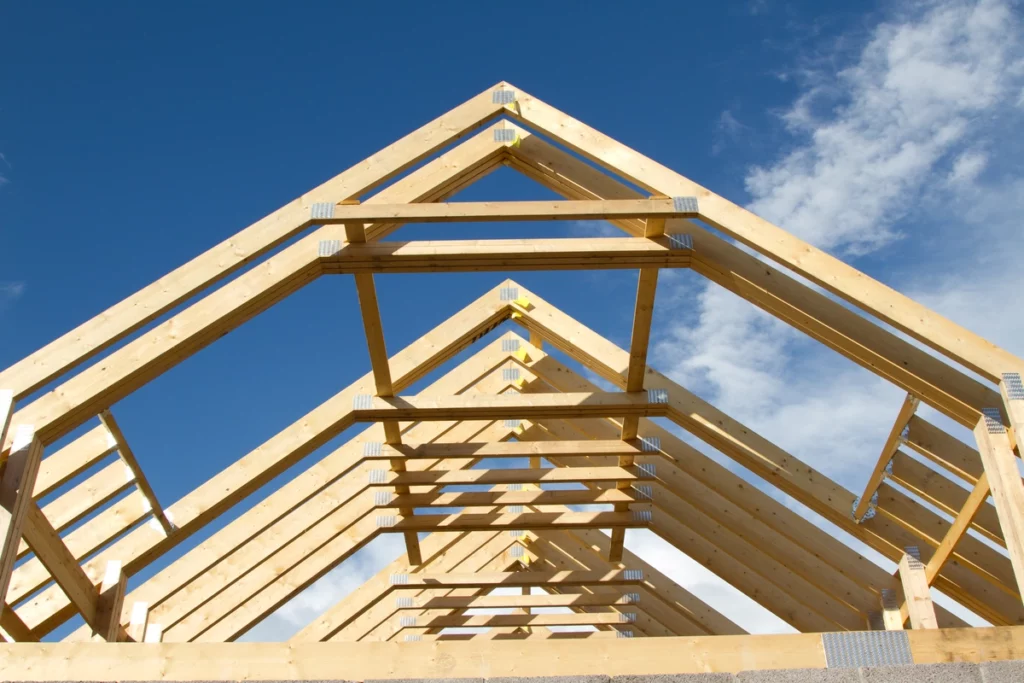
Rafters provide essential support to your roof’s decking. They run from one end of your roof to the other. While they are typically made from wood, commercial building often use metal for greater tensile strength. They can be left exposed.
Chimney
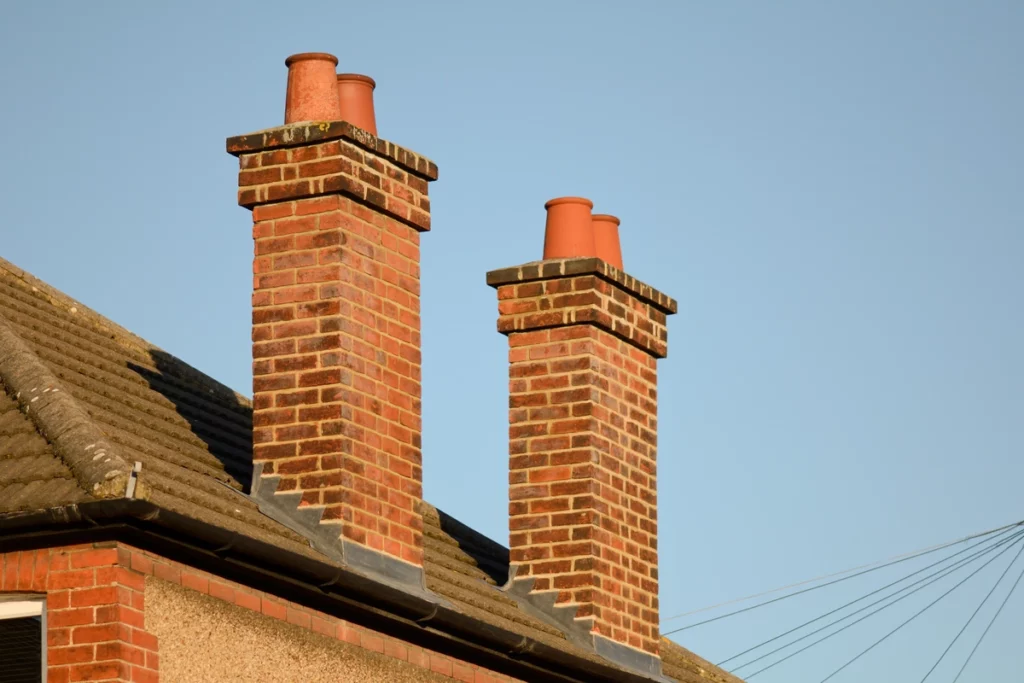
If you have a fireplace, boiler, or stove in your home, then your chimney plays a key role in your home’s roof. Functioning similarly to other vital parts of a roof, it helps carry harmful smoke away vertically as an additional ventilation system. While chimney flashing helps keep out water, it’s important to keep an eye out for any cracks or chips after harsh weather.
Valley
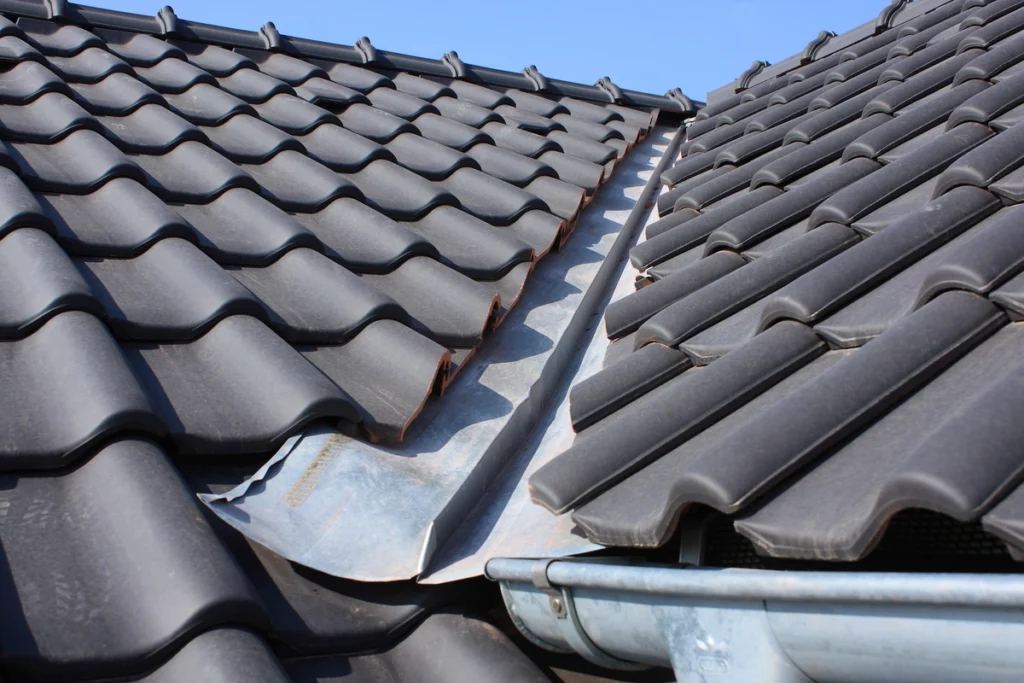
As mentioned above, roof valleys form where two roof slopes meet. Water collects here and is diverted off the roof. Since this is a heavy water collection area, it needs special flashing and consideration to lock out moisture from your roof.
Eaves
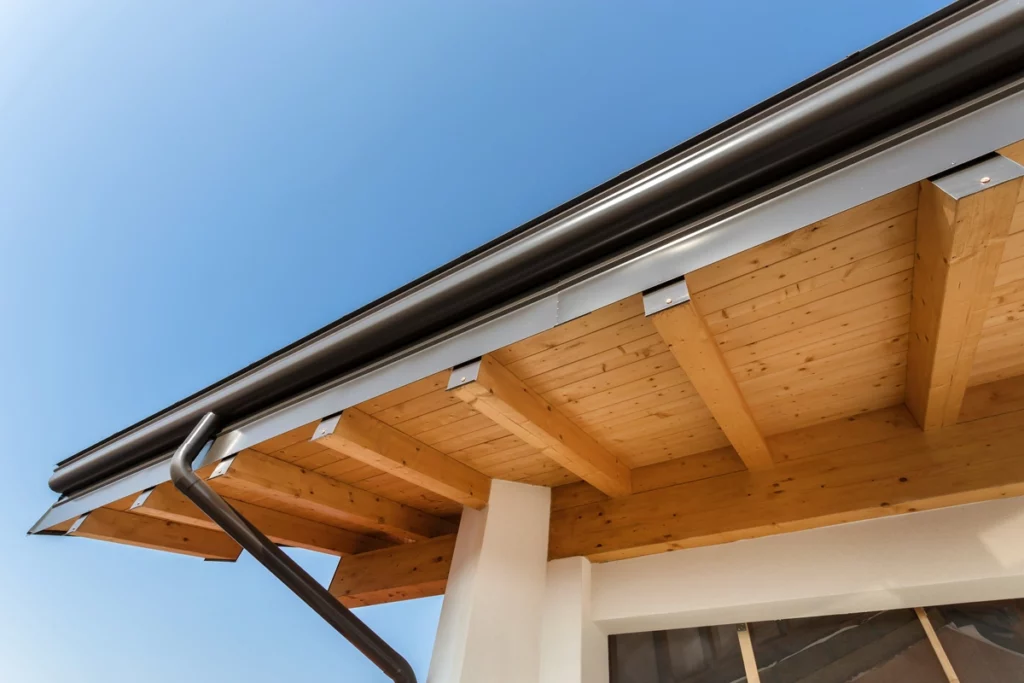
Eaves are simply the roof edges that run horizontally. Since they are the lowest parts of a roof, they are also the weakest points. Water needs to flow off of these into gutter systems. Be mindful that they are prone to metal corrosion and shingle deterioration, so this is an area to check regularly.
Gutters and Downspouts
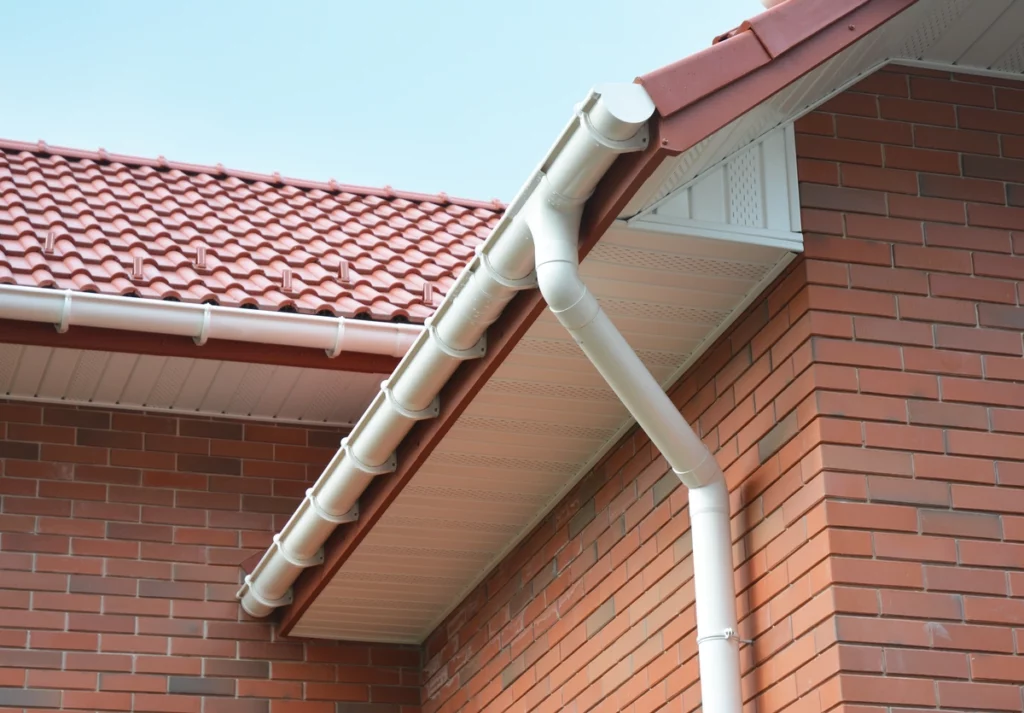
Your home’s gutter system serves an important role: keep water flowing away from the home and foundation. They can either have seams or be completely seamless. Types of gutter materials include:
- Vinyl
- Wood
- Zinc
- Aluminum
- Galvanized Steel
Make sure to keep an eye out for cracks, dips, blockages, and other issues that could lead to water backing up and damaging the other parts of a roof.
Strong Roofs, Built to Last
All of these parts of a roof work to provide a strong lid to your home. Having a strong roof is key to keeping your family and your home safe and comfortable. If there are any leaks, chips, or other misalignments, it can lead to long-term damage–like mold, high energy bills, and structural instability.
That’s why it’s best to consult a skilled roofing contractor to plan regular inspections. They can help check for any leaks, offer repairs, and help answer all your questions. At Johnson Restoration, our team of roofing contractors is ready to help! We’re a family-owned and operated company that strives to provide exceptional service to our community.
We understand how important it is to repair your roof, which is why we offer ultra-fast turnaround times, financing options, and free estimates on roofing projects. Contact our team today to get started.