
Knowing how to check for roof damage after a storm can help homeowners catch small problems before they turn into expensive repairs. Strong winds, heavy rain, hail, and flying debris can all compromise your roofing system in ways that are not always obvious from the ground. Taking the time to perform a careful inspection after severe weather protects your home and gives you peace of mind.
- Early detection: Identifying damage quickly prevents further deterioration.
- Leak prevention: Addressing issues immediately reduces interior water damage.
- Insurance readiness: Proper documentation supports potential claims.
For homeowners in Centerville and surrounding areas, storm activity can occur throughout the year. Being proactive after severe weather is one of the most effective ways to protect your investment.
Why Storm Inspections Are Important
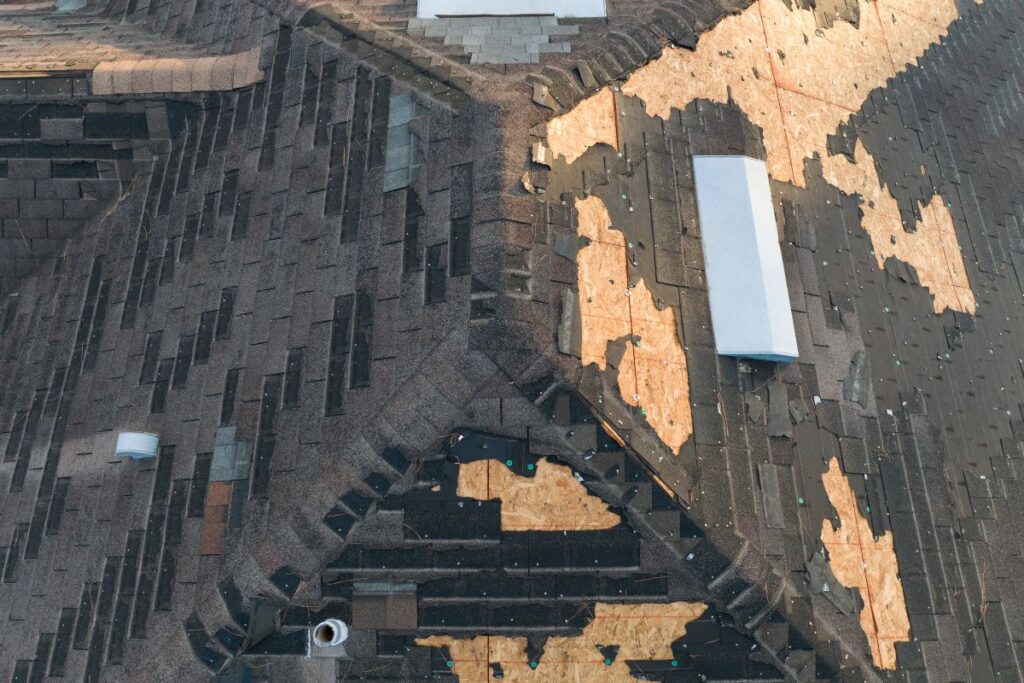
Storm damage does not always result in visible missing shingles. In many cases, high winds loosen seal strips, hail bruises shingles without cracking them, and flashing becomes slightly displaced.
Without a proper inspection, minor vulnerabilities may go unnoticed until the next rainfall exposes a leak. Performing a careful evaluation shortly after a storm helps prevent long-term structural damage and costly emergency repairs.
Safety First Before Inspecting
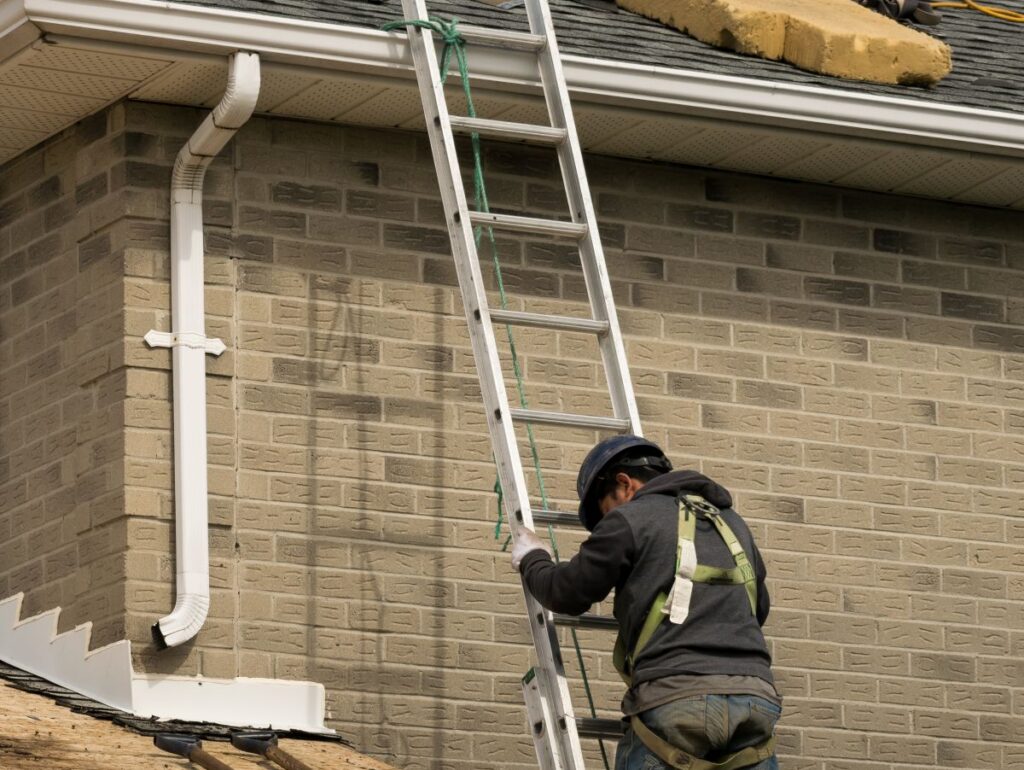
Before climbing a ladder or walking around your property, prioritize safety. Wet surfaces, loose debris, and unstable shingles can create hazardous conditions.
Whenever possible, conduct your initial inspection from the ground using binoculars. Avoid walking directly on the roof unless you are trained and equipped to do so. If you suspect major structural damage, contact a professional roofing contractor immediately.
5 Signs of Roof Damage After a Storm
Recognizing the most common warning signs helps you determine whether further action is needed. These five indicators are often the first clues that your roof has been compromised.
1. Missing or Lifted Shingles
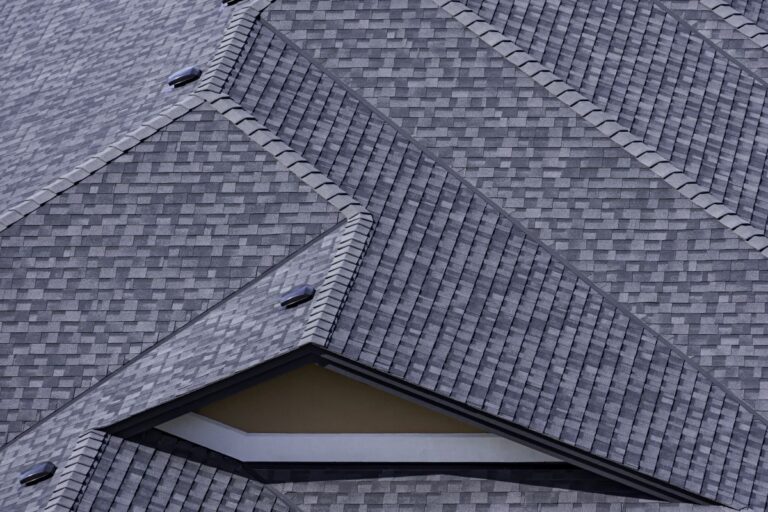
High winds can tear shingles off completely or lift their edges. Even partially lifted shingles may allow water to penetrate beneath the surface.
- Visible gaps: Exposed underlayment indicates missing material.
- Curling edges: Suggest weakened sealant or wind stress.
Addressing shingle issues quickly prevents moisture infiltration.
2. Granule Loss in Gutters
Hail and heavy rain can knock protective granules loose from asphalt shingles. These granules often collect in gutters and downspouts.
- Excessive buildup: Indicates accelerated shingle wear.
- Bare spots: Exposed shingle backing may appear darker or uneven.
Granule loss reduces your roof’s ability to resist UV damage and weathering.
3. Damaged Flashing or Roof Penetrations
Flashing around chimneys, vents, skylights, and valleys is particularly vulnerable during storms. Bent or separated flashing creates openings for water entry.
- Loose metal edges: May appear lifted or displaced.
- Cracked sealant: Allows water to seep into seams.
Flashing damage is a common source of post-storm leaks.
4. Interior Water Stains
Sometimes the first sign of roof damage appears inside your home. Water stains on ceilings or walls often indicate a compromised roofing component.
- Brown discoloration: Suggests moisture intrusion.
- Peeling paint or bubbling drywall: Signals prolonged exposure.
Interior symptoms should never be ignored after a storm.
5. Debris Impact or Dents
Fallen branches and wind-driven debris can puncture or dent roofing materials. Metal components such as vents and flashing may show visible indentations.
- Dented surfaces: Indicate hail impact.
- Cracked shingles: May result from falling debris.
Even minor impact damage can weaken your roofing system over time.
Additional Areas to Inspect
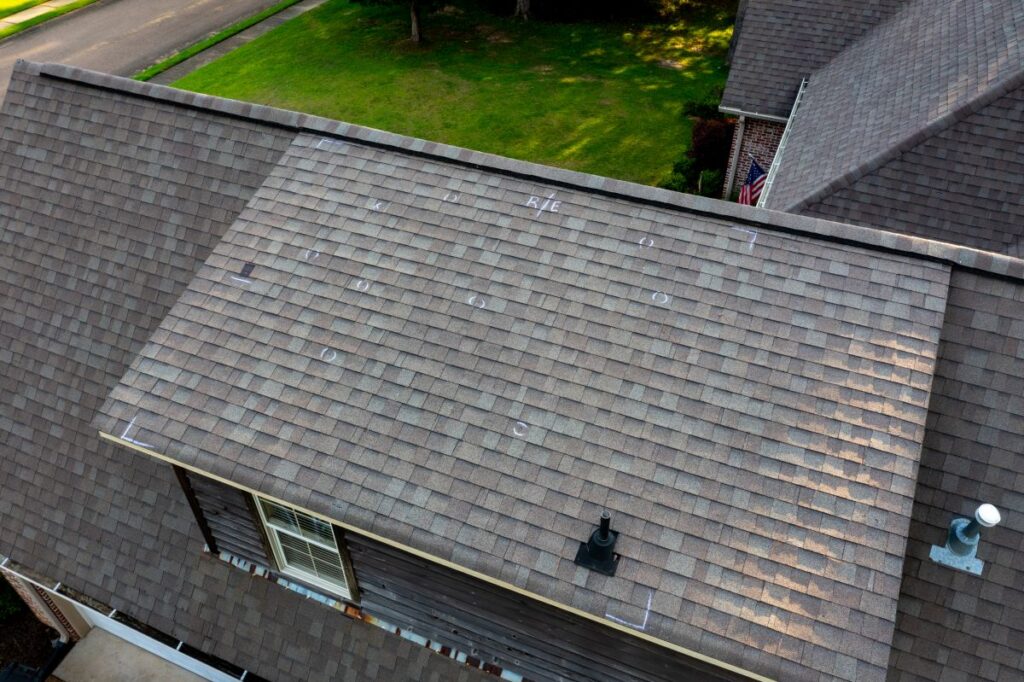
While shingles are the most visible roofing component, other areas also require attention after severe weather.
- Gutters and downspouts: Look for separation or sagging sections.
- Soffits and fascia: Check for cracks or water staining.
- Attic space: Inspect for damp insulation or daylight through the roof deck.
- Siding and exterior walls: Wind damage may indicate roof stress.
- Roof valleys: Ensure no debris is blocking water flow.
A comprehensive inspection provides a clearer picture of overall roof health.
When to Call a Professional
While homeowners can perform basic visual inspections, certain types of damage require professional expertise. Hidden structural concerns or subtle hail damage may not be visible without close examination.
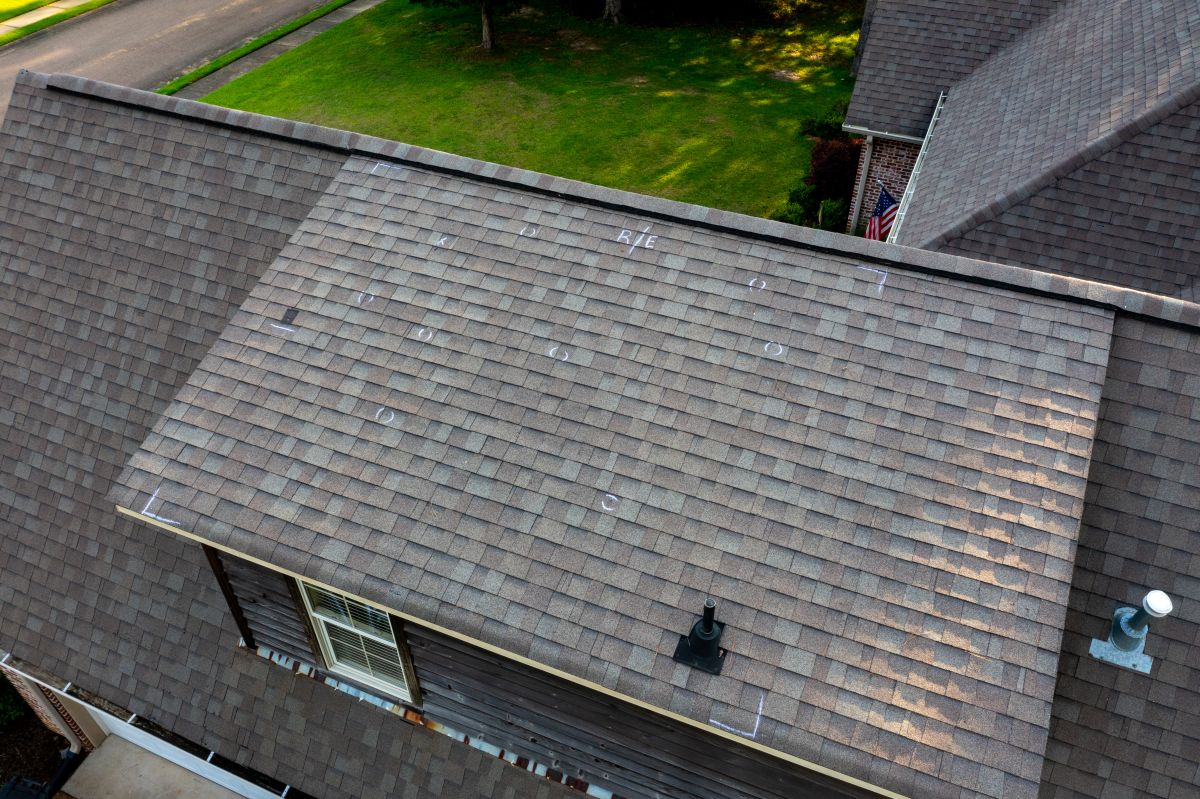
A licensed roofing contractor can provide a detailed assessment and documentation. This documentation is especially helpful if you need to file an insurance claim. Professional inspections also ensure that small repairs are completed correctly and efficiently.
Documenting Damage for Insurance
If you suspect storm damage, take clear photos from multiple angles. Capture images of missing shingles, damaged flashing, interior stains, and debris impact.
Contact your insurance provider promptly and provide documentation as requested. Many policies have time limits for reporting storm-related claims. Working with a reputable roofing company in Centerville and surrounding areas can simplify the claims process and ensure repairs meet insurance standards.
Preventing Future Storm Damage
While no roof is completely immune to severe weather, certain preventative measures can reduce risk.
- Regular inspections: Schedule seasonal roof evaluations.
- Secure flashing: Reinforce vulnerable roof penetrations.
- Maintain gutters: Ensure proper drainage during heavy rain.
- Trim nearby trees: Reduce risk of falling branches.
- Upgrade materials: Consider impact-resistant shingles if appropriate.
Preventative maintenance strengthens your roof’s ability to withstand future storms.
Why Acting Quickly Matters
Delaying repairs can lead to worsening damage. Water intrusion spreads quickly through insulation, decking, and interior structures.
Addressing storm damage promptly reduces repair costs and protects your home’s structural integrity. Acting early also helps preserve manufacturer warranties and prevents small issues from escalating.
Protect Your Home With Johnson Restoration
At Johnson Restoration, we understand how stressful storm damage can be for homeowners. Our team proudly serves Centerville and surrounding areas with thorough inspections, reliable repairs, and expert guidance following severe weather events.
As a trusted local roofing company, we are committed to quality craftsmanship and honest assessments. If you are unsure how to check for roof damage after a storm or suspect your roof may have been compromised, contact Johnson Restoration today. We are here to provide dependable service and the peace of mind your home deserves.