
A roof tune up is a professional maintenance service that combines a detailed inspection with targeted minor repairs designed to catch and fix small roofing issues before they turn into expensive problems. Unlike a basic inspection (which is visual only) or a full repair (which addresses specific damage that has already occurred), a tune up is preventive maintenance that extends roof life, preserves warranty coverage, and helps avoid the cascade of damage that follows when small issues are ignored. Most tune ups take a few hours to a half day and cost a fraction of what a single emergency repair runs after a leak develops. Homeowners in Springboro and surrounding areas who schedule annual tune ups typically see their roofs reach the upper end of their expected lifespan rather than failing 5 to 10 years early.
- What it is: A combination of detailed inspection and minor repair work performed by a qualified roofer.
- What it isn’t: Not a full repair (limited to small fixes) and not just an inspection (includes maintenance work).
- What you will learn: The 7 key components of a typical tune up, real cost ranges, and answers to common homeowner questions.
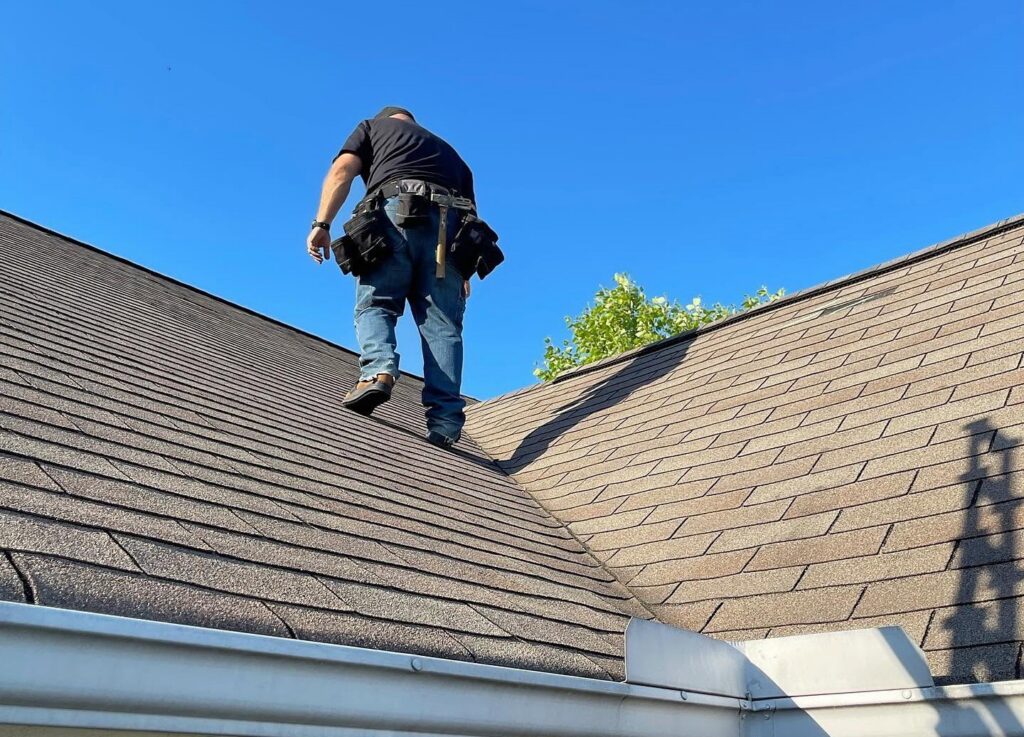
Why Roof Tune Ups Matter More Than Most Homeowners Realize
Roof tune ups matter more than most homeowners realize because regular maintenance is the single most effective way to maximize roof life and avoid catastrophic damage. Understanding why preventive maintenance pays off is the foundation for taking tune ups seriously.
Why Preventive Maintenance Is So Valuable
Preventive maintenance is so valuable because it addresses small issues before they multiply into serious damage. According to the National Roofing Contractors Association, roof system maintenance is often the most neglected area of a roof management program and is also the single most important factor (after proper installation) for determining the life span and cost of a roof system. A $50 sealant repair caught during a tune up can prevent a $5,000 ceiling and drywall repair that follows a leak six months later. Tune ups also help preserve manufacturer warranties, since most shingle warranties require evidence of regular maintenance to remain valid. In Springboro and surrounding areas, where the freeze-thaw cycle creates seasonal stress on every roof, annual tune ups are particularly worthwhile.
- Single most important factor: NRCA identifies maintenance as the top driver of roof life after installation quality.
- Cost ratio: $50 in early sealant work prevents $5,000+ in interior damage.
- Warranty preservation: Manufacturer warranties often require maintenance records.
- Freeze-thaw climates: Annual tune ups especially valuable in Ohio.
How a Tune Up Differs From an Inspection or Repair
A tune up differs from an inspection or repair in that it combines both functions in a single service visit. A roof inspection is visual only and ends with a written report listing observed conditions; no work is performed. A roof repair is a targeted fix for a specific known problem (a leak, missing shingles, damaged flashing) and does not include broader maintenance. A tune up sits in the middle: the technician inspects the entire roof system in detail, identifies multiple small issues, and addresses each one within the scope of the tune up package. The service typically includes minor sealant work, fastener replacement, debris removal, and adjustments that would not be billed as full repairs. Larger problems found during a tune up are documented for separate quoting.
- Inspection: Visual review only; no work performed.
- Repair: Targeted fix for a specific known problem.
- Tune up: Combines inspection plus small fixes in one visit.
- Larger problems: Documented separately; not part of the tune up.
7 Things Included in a Professional Roof Tune Up
Seven specific components make up a typical professional roof tune up, with each one targeting a common failure point that benefits from regular maintenance. The specific services included vary by contractor, but most quality tune ups cover all seven of these areas.
1. Full Visual Inspection of Shingles or Roofing Material
Full visual inspection of shingles or roofing material is the starting point of every tune up, with the technician walking the entire roof to document the condition of every square. The inspector looks for missing, cracked, curled, or lifted shingles, granule loss patterns that indicate accelerated wear, and any signs of impact damage from hail or fallen debris. On metal roofs, the inspection covers panel alignment, fastener condition, and signs of oil canning or corrosion. The inspection report typically includes high-resolution photos that document the condition of each roof section, which becomes valuable evidence for future insurance claims, warranty disputes, or resale negotiations. A homeowner receives a digital copy of the inspection with each tune up.
- Walk the entire roof: Document every section, not just visible problems.
- Look for early signs: Granule loss, curling, lifting before failure.
- Photo documentation: Critical for insurance and warranty purposes.
- Digital report: Homeowner copy for records.
2. Inspection and Re-Sealing of Flashing
Inspection and re-sealing of flashing addresses the single most common source of roof leaks: the transitions between the roof and other features like chimneys, skylights, vents, valleys, and walls. Flashing is typically the first component to fail because sealants break down from UV exposure, freeze-thaw cycling, and thermal expansion. During a tune up, the technician inspects every flashing detail, removes any cracked or deteriorated sealant, and applies new high-grade polyurethane or tripolymer sealant designed for roof use. This step alone can extend the life of flashings by 5 to 10 years and prevent the vast majority of leaks that develop on aging roofs. Areas of particular focus include chimney counter flashing, vent boots, skylight perimeters, and valley terminations.
- Most common leak source: Flashing failures account for most roof leaks.
- Sealant replacement: Polyurethane or tripolymer (not silicone or caulk).
- 5 to 10 year extension: Possible life improvement from regular re-sealing.
- Key locations: Chimneys, skylights, vents, valleys.
3. Tightening or Replacing Loose Fasteners
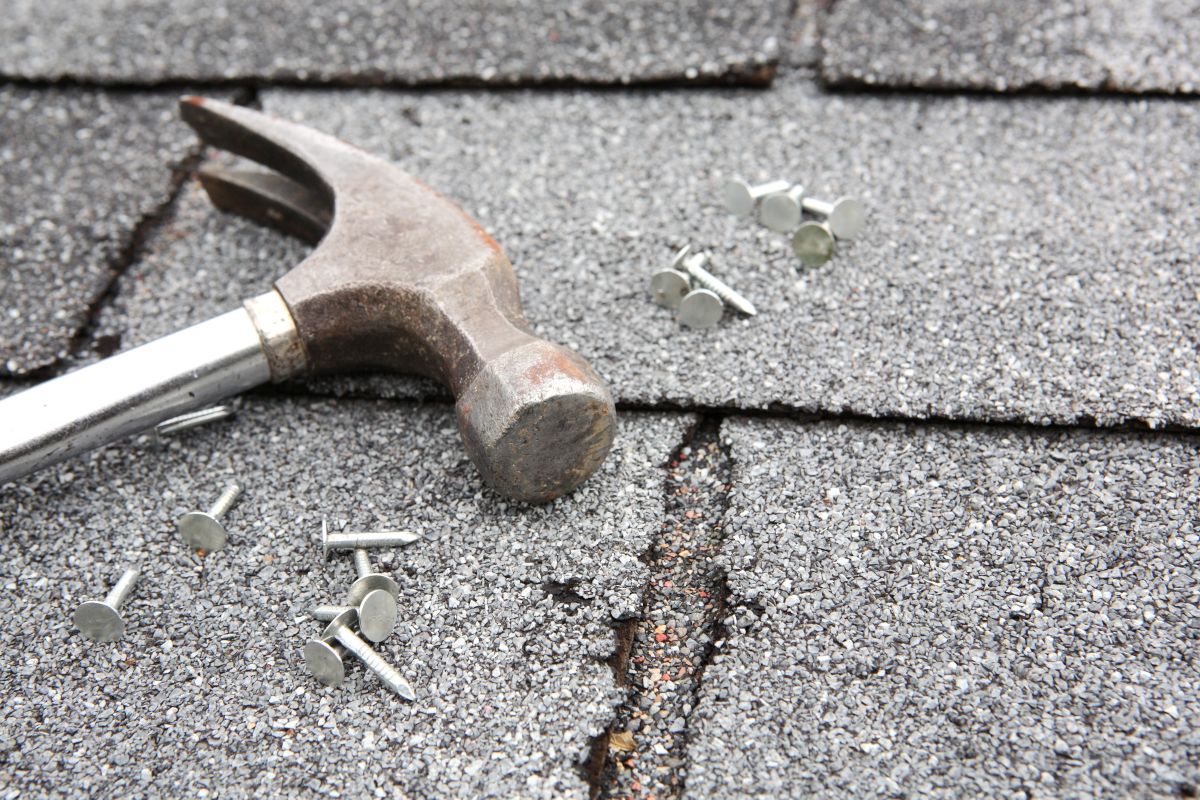
Tightening or replacing loose fasteners covers the dozens of small mechanical connections that hold a roof system together. Nail heads can pop up from thermal cycling, exposed fasteners on metal roofs can back out over time, and ridge cap nails can lose their grip after a decade of expansion and contraction. Loose or backed-out fasteners create direct water entry paths and also reduce the wind resistance of the roof during storms. During a tune up, the technician walks the roof with a hammer or driver, re-seating any popped nails and replacing any that have lost their grip. Each repaired fastener is then sealed with a small dab of roof sealant to prevent the hole from leaking even if the nail backs out again later. This work is invisible from the ground but adds significant durability.
- Nail pops: Common from thermal cycling; need re-seating and sealing.
- Exposed fasteners: Metal roof screws back out over time.
- Ridge cap nails: Often loose after 10+ years.
- Sealant cap: Each repaired fastener gets a sealant dab.
4. Cleaning Debris From Roof and Gutters
Cleaning debris from roof and gutters removes accumulated leaves, twigs, pine needles, and other organic material that holds moisture against the shingles and clogs the drainage system. Debris on the roof itself accelerates shingle aging by keeping moisture in contact with the surface, supports moss and algae growth, and can hide developing damage from view. Clogged gutters are even worse because they allow water to back up under the bottom course of shingles, rot the fascia, and overflow onto the foundation. A thorough tune up includes a full roof sweep plus gutter cleaning and downspout flushing, leaving the entire drainage system ready for the next storm. In Springboro and surrounding areas, where seasonal leaf drop is heavy, this cleaning is especially valuable.
- Roof sweep: Removes all loose debris.
- Gutter cleaning: Full removal of accumulated material.
- Downspout flush: Confirms unobstructed flow.
- Prevents moss and algae: Removes the moisture environment they need.

5. Inspection of Attic Ventilation and Insulation
Inspection of attic ventilation and insulation goes beyond the roof surface to assess the conditions that determine how long the shingles will last. A poorly ventilated attic can shorten asphalt shingle life by 25 to 40 percent and is a leading cause of premature roof failure, condensation stains on ceilings, and ice dams in winter. The technician inspects soffit vents (to confirm they are not blocked by insulation), ridge vents (to verify they are open and functional), and the general attic environment for signs of moisture, wet insulation, or daylight visible through the roof deck. Problems identified can often be fixed during the same visit (clearing blocked soffits, adjusting baffles) or scheduled separately for more involved ventilation upgrades.
- Soffit vent check: Confirm not blocked by insulation.
- Ridge vent verification: Open and functional.
- Moisture inspection: Look for wet insulation or dark sheathing.
- Daylight inspection: Any visible daylight is a leak indicator.
6. Inspection and Repair of Ridge Cap and Hip Shingles
Inspection and repair of ridge cap and hip shingles addresses the highest-exposure portion of any sloped roof, where wind, sun, and temperature extremes are most intense. Ridge cap shingles are typically the first to lift, crack, or fail because they bear the brunt of every storm and receive the most direct UV exposure. During a tune up, the technician inspects every ridge cap and hip cap shingle, hand seals any that have lifted, replaces any that are cracked or missing, and re-secures any ridge vent components that have come loose. Ridge cap failures are also a common cause of slow leaks that show up as ceiling stains far from the actual entry point, since water can travel along the ridge under loose caps before finding its way down.
- Highest exposure: Ridge caps fail first from wind and UV.
- Hand sealing: Re-bonds lifted caps before they tear off.
- Ridge vent components: Often need re-securing.
- Slow leak source: Loose ridge caps cause distant ceiling stains.
7. Documented Report With Photos and Recommendations
Documented report with photos and recommendations is the deliverable that ties the entire tune up together and creates a record the homeowner can reference for years. The report typically includes photos of each roof section, written notes on observed conditions, a list of repairs completed during the tune up, and recommendations for any additional work needed beyond the scope of the tune up. This documentation has value beyond the immediate visit: it serves as evidence for future insurance claims, supports warranty compliance, and helps a homeowner negotiate confidently when selling the home. Some contractors also provide a maintenance plan with recommended timing for the next tune up and seasonal reminders.
- Photo documentation: Captures roof condition at the time of tune up.
- Repair log: Lists every fix completed during the visit.
- Recommendations: Identifies any work needed beyond tune up scope.
- Insurance value: Documentation supports future claims and warranties.
When and How Often to Schedule a Roof Tune Up
When and how often to schedule a roof tune up depends on the roof age, climate, and any recent storm activity. A consistent maintenance schedule is more valuable than occasional one-off visits.
How Often Should You Get a Tune Up?
You should get a tune up once a year as a baseline, with additional visits after any major storm event involving high wind (50+ mph), hail, or significant debris fall. Roofs over 15 years old benefit from twice-yearly tune ups (spring and fall) because the increased age means small issues develop faster. Newer roofs (under 5 years old) can sometimes skip a year if no storm events have occurred, though many homeowners maintain an annual schedule from day one to preserve warranty coverage. In Springboro and surrounding areas, the standard practice is a spring tune up to address winter wear and a fall tune up to prepare for winter, with most homeowners choosing one of the two depending on their specific concerns.
- Annual baseline: Once per year minimum.
- Twice yearly for older roofs: Spring and fall for roofs 15+ years old.
- Post-storm tune up: After 50+ mph winds or significant hail.
- Warranty compliance: Annual maintenance often required by manufacturer.
What Is the Best Time of Year for a Tune Up?
The best time of year for a tune up is spring (April through June) or fall (September through November), when temperatures are moderate enough for sealants to cure properly and the roof is not under active storm stress. Spring tune ups address winter damage like ice dam scars, lifted shingles from heavy snow loads, and sealant failures from extreme cold. Fall tune ups prepare the roof for winter by sealing any gaps, clearing gutters before leaf drop, and reinforcing weak spots before snow and ice arrive. Avoid scheduling tune ups in extreme summer heat (which makes shingles soft and easily damaged) or winter cold (which makes sealants brittle and difficult to apply).
- Spring (April-June): Addresses winter damage.
- Fall (September-November): Prepares for winter.
- Avoid summer heat: Soft shingles damage easily.
- Avoid winter cold: Sealants don’t cure properly.
Frequently Asked Questions
How Much Does a Roof Tune Up Cost?
A roof tune up typically costs $150 to $600 depending on the roof size, complexity, and steepness, with most homeowners paying $250 to $450 for a standard residential tune up. Premium tune ups that include more extensive sealant work or ridge cap replacement run higher. The cost is far less than the typical $1,500+ price of a single roof repair, making annual tune ups one of the most cost-effective ways to protect a roof.
Will a Tune Up Stop All Future Leaks?
A tune up will not stop all future leaks, but it dramatically reduces the likelihood of leaks by addressing the most common failure points before they develop. Unexpected storm damage, hail impacts, and manufacturer defects can still cause leaks regardless of how well a roof is maintained. The value of a tune up is in catching the gradual problems that account for most residential leaks, not in providing leak-proof protection against all events.
Does a Tune Up Preserve My Manufacturer Warranty?
Yes, a tune up typically preserves your manufacturer warranty by documenting regular maintenance, which is often required by warranty terms. Manufacturers like GAF, Owens Corning, and CertainTeed require evidence of inspection and basic maintenance to honor warranty claims. The tune up report serves as documentation that the homeowner has met these requirements.
Can I Do a Tune Up Myself?
You can do some tune up tasks yourself (clearing debris, checking gutters, visual inspection from the ground) but most of the work requires roof access, professional sealant application, and trained eyes to identify subtle issues. DIY tune ups also miss the documentation value of a professional service, which insurance carriers and warranty companies require. Fall risk is also a major safety concern, with thousands of homeowners injured each year in roof-related falls.
Should I Get a Tune Up Before Selling My Home?
Yes, you should get a tune up before selling your home because the documented report provides buyers and home inspectors with evidence of recent maintenance and roof condition. A clean tune up report often heads off buyer concerns during inspection, reduces the chance of a repair contingency in the offer, and supports a higher sale price. The $300 to $500 cost typically returns several times that in negotiation strength.
What’s the Difference Between a Tune Up and a Roof Restoration?
The difference between a tune up and a roof restoration is scope and cost. A tune up is light maintenance focused on minor repairs and sealing ($150 to $600), while a roof restoration is a more extensive process that may include cleaning, coating, replacing larger sections of shingles, and applying protective treatments ($2,000 to $8,000). Restoration is typically appropriate for roofs in the 15 to 25 year range that need significant work but are not yet candidates for full replacement.
Why Springboro Homeowners Trust Johnson Restoration for Roof Tune Ups
A roof tune up is one of the lowest-cost, highest-value services a homeowner can schedule, and the difference between a roof that lasts 30 years and one that fails at 20 often comes down to whether annual maintenance was performed consistently. Johnson Restoration brings over a decade of industry experience to roof tune ups in Springboro and surrounding areas, with workmanship warranties, financing options, and the documented inspection reports that support both peace of mind today and future warranty or insurance claims tomorrow. Whether your roof is brand new or approaching 20 years, contact Johnson Restoration today for a free estimate on a comprehensive tune up and let our team help you get the longest possible life out of your roofing investment.