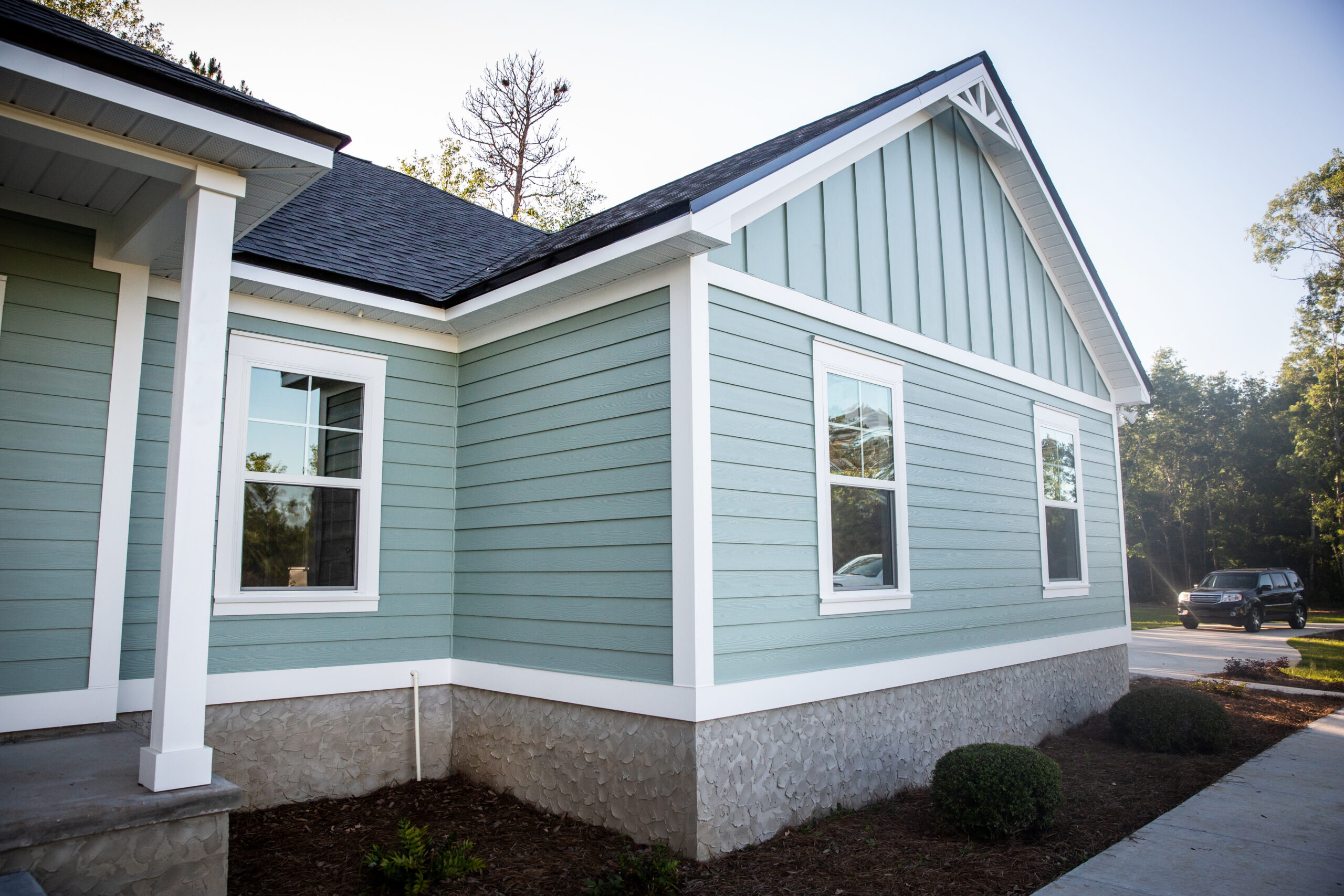

Vertical siding vs horizontal siding is one of the most consequential design decisions a homeowner makes during a siding replacement or new construction project, because the choice affects not just how the house looks but also how well the siding sheds water, how much the installation costs, how much maintenance the finished exterior will need, and even how the proportions of the home appear from the street. Horizontal lap siding dominates residential construction in Ohio and most of the country, with the classic overlapping-board look that defines Cape Cod, Colonial, Craftsman, and countless other traditional architectural styles. Vertical siding (typically installed as board-and-batten, panel siding, or channel groove) offers a bolder, more contemporary or farmhouse-inspired look while providing some real functional advantages in specific situations. Homeowners in Centerville and surrounding areas who understand the eight key differences between the two orientations can make more informed decisions about which fits their home, their budget, and their long-term maintenance preferences.
- Why orientation matters: Affects water handling, cost, style, and long-term maintenance.
- Which is more common: Horizontal dominates in Ohio; vertical is growing in modern and farmhouse designs.
- What you will learn: 8 differences between vertical and horizontal siding plus FAQs.
Why the Orientation Decision Matters More Than Homeowners Realize
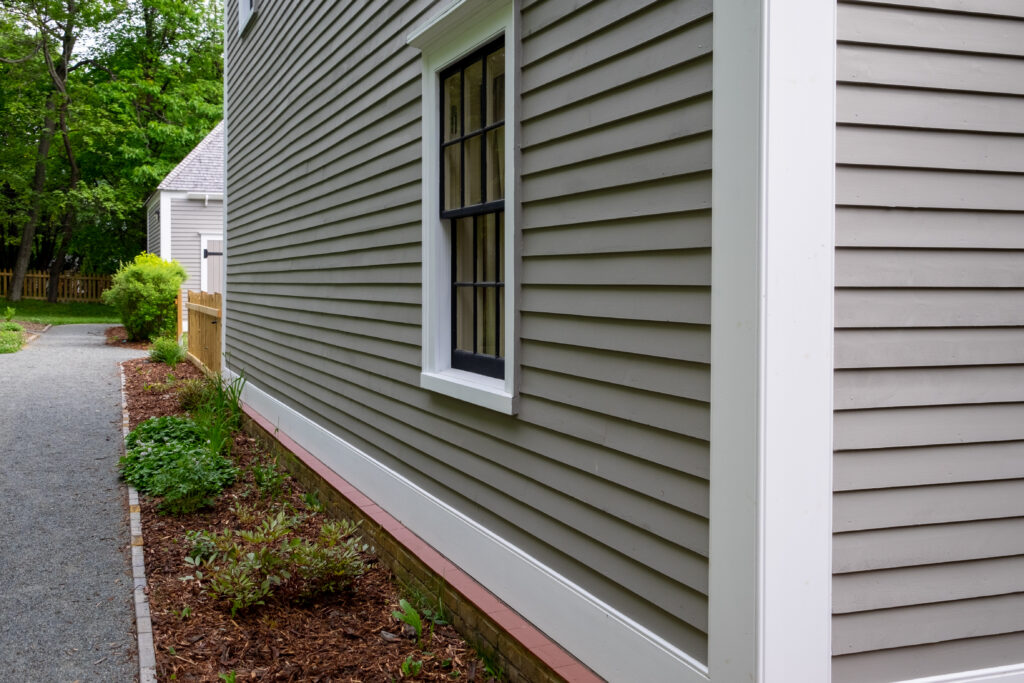
Why the orientation decision matters more than homeowners realize comes down to the fact that vertical and horizontal siding are engineered differently, installed differently, and perform differently in real-world weather conditions. Both can work beautifully when done right, but the trade-offs are meaningful and worth understanding before signing a siding contract.
How Vertical and Horizontal Siding Are Fundamentally Different Products
Vertical and horizontal siding are fundamentally different products designed for different installation methods and different visual effects. According to APA – The Engineered Wood Association, siding products are manufactured in configurations such as reverse board and batten, T1-11, and channel groove that offer a cost-effective and attractive exterior for contemporary structures (typically installed vertically), while for more traditional architectural styles, lap siding products (horizontal) are also available. Panel siding (vertical) is typically produced in 4-foot wide sheets that install as large panels, while lap siding (horizontal) is produced in individual planks that overlap course by course. The manufacturing methods, installation techniques, and performance characteristics differ substantially between these two product categories, which is why the choice is more than just an aesthetic preference.
- Panel siding: Manufactured in 4-foot sheets for vertical installation.
- Lap siding: Individual planks that overlap horizontally.
- Contemporary vs. traditional: APA identifies panel with modern and lap with traditional.
- Different products: Not just different orientations of the same product.
What This Means for Ohio Homes Specifically
For Ohio homes specifically, both orientations can perform well in the state’s four-season climate when properly installed, but the specific trade-offs matter more here than in mild climates. Ohio’s combination of intense summer thunderstorms, freeze-thaw cycles, high humidity, and periods of wind-driven rain stresses siding installations in ways that reveal any weaknesses. Vertical siding has some real water-shedding advantages that matter in Ohio storms, while horizontal siding’s simpler installation makes proper detailing easier to get right (which matters because the vast majority of siding failures come from installation errors, not from choosing the wrong orientation). Homeowners in Centerville and surrounding areas should factor in installer experience with the specific orientation being considered, since not every contractor is equally skilled at vertical panel installations.
- Ohio climate stress: Both orientations tested year-round.
- Vertical advantage: Better water shedding in storm events.
- Horizontal advantage: Simpler installation reduces error risk.
- Contractor skill: Experience with orientation matters.
8 Key Differences Between Vertical and Horizontal Siding
Eight specific differences separate vertical and horizontal siding installations, and understanding all eight helps homeowners make an informed choice rather than picking based on the first impression from a photo or a friend’s recommendation.
1. Water Shedding and Moisture Management
Water shedding and moisture management is one of the most significant functional differences between the two orientations. Vertical siding sheds water directly downward along the length of each board, letting gravity carry moisture straight down and off the wall with fewer horizontal seams where water could pool or infiltrate. Horizontal siding relies on overlapping courses to shed water course-by-course down the wall, with each course lapping over the one below. Both systems can shed water effectively when properly installed, but vertical siding has a slight edge in extreme storm conditions because water travels in a single continuous downward path. The trade-off is that vertical siding requires more careful detailing at horizontal transitions (top of wall, bottom of wall, door and window head flashing), where any missed sealing can allow water into the wall assembly.
- Vertical: Sheds water directly downward with fewer seams.
- Horizontal: Sheds course by course with overlapping laps.
- Extreme storm advantage: Slight edge for vertical.
- Detailing critical: Horizontal transitions on vertical siding.
2. Installation Complexity and Cost
Installation complexity and cost favor horizontal siding for most residential projects because horizontal lap siding installs directly over sheathing or weather-resistant barrier without requiring additional furring strips. Vertical siding typically requires horizontal furring strips installed first (running horizontally at 16 or 24 inches on center) to create the flat surface and provide fastening points for the vertical boards or panels. This additional step adds 15 to 25 percent to the installation labor time, which translates to higher total project cost. For a 2,000 square foot home, expect vertical siding installation to cost $500 to $2,000 more than the same materials installed horizontally. This is not a large percentage of the total project but is significant enough to consider.
- Horizontal: Direct installation over sheathing.
- Vertical: Requires horizontal furring strips first.
- Labor difference: 15 to 25 percent more for vertical.
- Cost impact: $500 to $2,000 more on typical home.
3. Architectural Style Fit
Architectural style fit is often the deciding factor when performance considerations don’t strongly favor one option. Horizontal siding fits classic American architectural styles including Colonial, Cape Cod, Ranch, Craftsman, and Farmhouse (traditional interpretations), giving these homes their expected traditional appearance. Vertical siding fits contemporary architectural styles, modern farmhouse designs, mountain homes, barns and barn-style structures, and any home aiming for a bolder, more distinctive look. Some homeowners combine both orientations on the same home (using horizontal on the first floor and vertical on the second, or using vertical accents on specific facades) to add visual interest. The APA specifically associates panel siding (vertical) with contemporary designs and lap siding (horizontal) with traditional styles.
- Horizontal: Colonial, Cape Cod, Ranch, Craftsman, traditional Farmhouse.
- Vertical: Contemporary, modern farmhouse, mountain, barn-style.
- Combined use: Growing trend for visual interest.
- APA association: Panel with contemporary; lap with traditional.
4. Visual Perception of Home Proportions
Visual perception of home proportions differs between the two orientations in ways that affect how the finished home looks from the street. Vertical siding draws the eye upward, making a home look taller and often making narrow lots or short homes appear more substantial. Horizontal siding emphasizes the width of the home, making a wide home look longer and grander. This visual effect can be used strategically: a homeowner with a low-slung ranch home might choose vertical siding to add visual height, while a homeowner with a narrow two-story home might choose horizontal siding to add visual width. Neither is inherently better; the right choice depends on the home’s proportions and the aesthetic effect the homeowner wants to create.
- Vertical effect: Home appears taller and more substantial.
- Horizontal effect: Home appears wider and longer.
- Strategic use: Correct proportions with the right orientation.
- Design flexibility: Choice depends on desired visual effect.
5. Material Availability and Options
Material availability and options differ between orientations, though most siding materials come in both configurations. Horizontal siding is available in essentially every siding material: fiber cement, engineered wood, vinyl, aluminum, wood, wood-plastic composite, and traditional wood clapboard. Vertical siding is available in most of these materials but has fewer manufacturer options in some categories, particularly premium products. Board-and-batten (vertical) is available in wood, fiber cement, engineered wood, and vinyl. Panel siding (T1-11 style vertical) is primarily available in engineered wood. Vinyl vertical siding is available but less common than vinyl horizontal. Homeowners should confirm that their preferred material and color are available in the orientation they want before finalizing plans.
- Horizontal: Available in essentially every siding material.
- Vertical: Available in most materials with fewer options.
- Board-and-batten: Wood, fiber cement, engineered wood, vinyl.
- Verify availability: Material plus color plus orientation.
6. Debris and Dirt Accumulation
Debris and dirt accumulation differs between the two orientations because horizontal lap siding has small horizontal ledges (the exposed top of each course of siding) where dust, pollen, dirt, and organic debris can settle over time. Vertical siding has essentially no horizontal ledges to catch debris, which means less dirt buildup and less pressure washing needed to keep the exterior looking clean. This difference is real but modest for most homes; both orientations still need periodic cleaning, and both can develop mildew or algae in shaded areas regardless of orientation. In heavily wooded lots or areas with lots of tree pollen, the debris advantage of vertical siding is more noticeable than in open lots.
- Horizontal: Ledges catch dust, pollen, and debris.
- Vertical: No horizontal ledges for debris accumulation.
- Cleaning frequency: Slightly less often for vertical.
- Wooded lots: Debris advantage more noticeable.
7. Maintenance and Repair Considerations
Maintenance and repair considerations differ between the two orientations in ways that affect long-term ownership costs. Horizontal siding is often easier to repair when a single course or plank is damaged, because individual planks can be removed and replaced without disturbing large sections of the surrounding siding. Vertical panel siding can be more difficult to repair because damage to a single panel may require removing an entire 4×8 or 4×10 sheet. On the other hand, board-and-batten vertical siding repairs relatively easily since individual boards can be replaced. Painting or restaining takes similar time regardless of orientation, though horizontal siding is somewhat easier to paint with less risk of drips because the painter is working across the grain of gravity.
- Horizontal: Individual plank replacement easier.
- Vertical panel: Full panel replacement may be needed.
- Board-and-batten: Individual boards repairable like horizontal planks.
- Painting: Similar effort; horizontal slightly easier.
8. Long-Term Cost of Ownership
Long-term cost of ownership is where all the previous differences add up over the 30 to 50 year life of a siding installation. Horizontal siding has lower upfront installation costs but slightly higher cleaning and maintenance costs over time due to debris accumulation. Vertical siding has higher upfront costs but slightly lower long-term maintenance. Over 30 years, the total cost of ownership tends to converge, with the choice really coming down to preferred aesthetic and short-term budget priorities. For homeowners in Centerville and surrounding areas planning to stay long-term, the small differences either way are usually less important than choosing quality materials and quality installation regardless of orientation.
- Upfront cost: Horizontal lower; vertical higher.
- Ongoing maintenance: Horizontal higher; vertical lower.
- 30-year total: Costs tend to converge over time.
- Quality matters more: Materials and installation over orientation.
How to Decide Which Orientation Fits Your Home

How to decide which orientation fits your home depends on your home’s existing architecture, your aesthetic goals, your budget, and how you want the finished home to look from the street. A structured approach helps homeowners make the decision confidently.
When Horizontal Siding Is Usually the Right Choice
Horizontal siding is usually the right choice for traditional architectural styles (Colonial, Cape Cod, Ranch, Craftsman), homes where you want to preserve or emphasize the historic character, homes on wide lots where the horizontal emphasis complements the property, budget-conscious projects where the lower installation cost matters, and neighborhoods where all the surrounding homes have horizontal siding (blending in matters for resale). Seamless installation with matching field materials creates a clean, expected look that appeals broadly to buyers if the home is ever sold.
- Traditional styles: Colonial, Cape Cod, Ranch, Craftsman.
- Historic character: Preserves period-correct appearance.
- Wide lots: Emphasizes horizontal proportions.
- Budget: Lower installation cost.
When Vertical Siding Is Worth the Extra Cost
Vertical siding is worth the extra cost for contemporary and modern architectural styles, modern farmhouse designs, mountain homes and rustic architecture, narrow lots where added visual height matters, homes with strong horizontal roof lines that benefit from vertical contrast, and any project aiming for a distinctive, bold aesthetic. Combining vertical accents with horizontal field siding is also a popular approach that adds visual interest without committing the entire home to vertical installation.
- Modern styles: Contemporary and modern farmhouse designs.
- Narrow lots: Vertical emphasis adds visual substance.
- Combined use: Vertical accents with horizontal field.
- Bold aesthetic: For homes aiming to stand out.
Frequently Asked Questions
Which Orientation Lasts Longer?
Both vertical and horizontal siding can last 30 to 60 years when properly installed and maintained, and orientation is not the primary driver of lifespan. The material (fiber cement, engineered wood, vinyl) and quality of installation matter far more than orientation. Fiber cement typically lasts 30 to 50 years, engineered wood 20 to 30 years, and vinyl 20 to 40 years regardless of orientation.
Can I Mix Vertical and Horizontal Siding on the Same Home?
Yes, mixing vertical and horizontal siding is a popular design approach that adds visual interest and highlights specific architectural features. Common approaches include horizontal on the first floor with vertical on the second, vertical accents on gable ends or entryways with horizontal field siding, or vertical on specific facades to create visual variety. Successful mixing requires careful attention to transitions and consistent material quality across both orientations.
Does Orientation Affect Home Insurance Rates?
Orientation typically does not affect home insurance rates because insurers focus on the siding material (impact resistance, fire resistance) rather than orientation. Class 4 impact-resistant materials may qualify for premium discounts regardless of orientation. Contact your specific insurance carrier to confirm what discounts may apply to your planned siding installation.
Which Is Better for Resale Value?
Horizontal siding generally has broader buyer appeal in traditional markets, which can support slightly better resale value in most neighborhoods. However, in areas with strong modern or contemporary design preferences, vertical siding can be a selling point. The specific neighborhood matters more than the general rule: matching the character of surrounding homes typically maximizes resale value regardless of orientation choice.
How Do I Choose Between Board-and-Batten and Panel Vertical Siding?
Board-and-batten vertical siding features wide vertical boards separated by narrower vertical strips (battens) covering the seams, creating a distinctive dimensional look popular for farmhouse and modern designs. Panel vertical siding uses larger sheets (like T1-11) with grooved patterns that mimic board-and-batten at lower cost. Board-and-batten offers more premium appearance and easier individual board replacement; panel siding offers lower cost and faster installation.
Is Vertical Siding Harder to Install?
Vertical siding is harder to install than horizontal siding because it requires horizontal furring strips first, more precise weather-resistant barrier detailing, and more attention to sealing at transitions where horizontal joints occur. Most professional siding contractors handle both orientations, but not all do vertical work at the same quality level. Ask specifically about your contractor’s vertical siding experience and see examples of completed work.
Why Centerville Homeowners Trust Johnson Restoration for Siding Installation

Choosing between vertical and horizontal siding is one of the highest-impact decisions in a full siding project, affecting curb appeal, water management, cost, and how the finished home looks for decades to come. Johnson Restoration brings over a decade of industry experience to siding installation projects in Centerville and surrounding areas, with workmanship warranties, financing options, and the expertise to help homeowners select the right orientation, material, and details for their specific home and architectural style. Whether you are planning a full siding replacement, considering a mixed-orientation design, or just want a professional opinion on which orientation would work best for your home, contact Johnson Restoration today for a free estimate and let our team help you make a decision you will be happy with for decades to come.