
Brick homes carry a timeless charm, but aging mortar, fading color, and rising utility bills often push homeowners to consider a change. Siding over brick has become a popular option because it can refresh a home’s exterior with wood siding, vinyl, or metal siding without the cost and mess of full brick removal. Before jumping in, it helps to understand how this process works and whether your home’s exterior is actually a good candidate for it.
Here’s a quick rundown of what this guide will walk you through:
- Why homeowners consider siding over an existing brick exterior
- The key steps and considerations involved in the process
- How to tell if your home is a strong candidate
- Common questions homeowners ask before starting a project
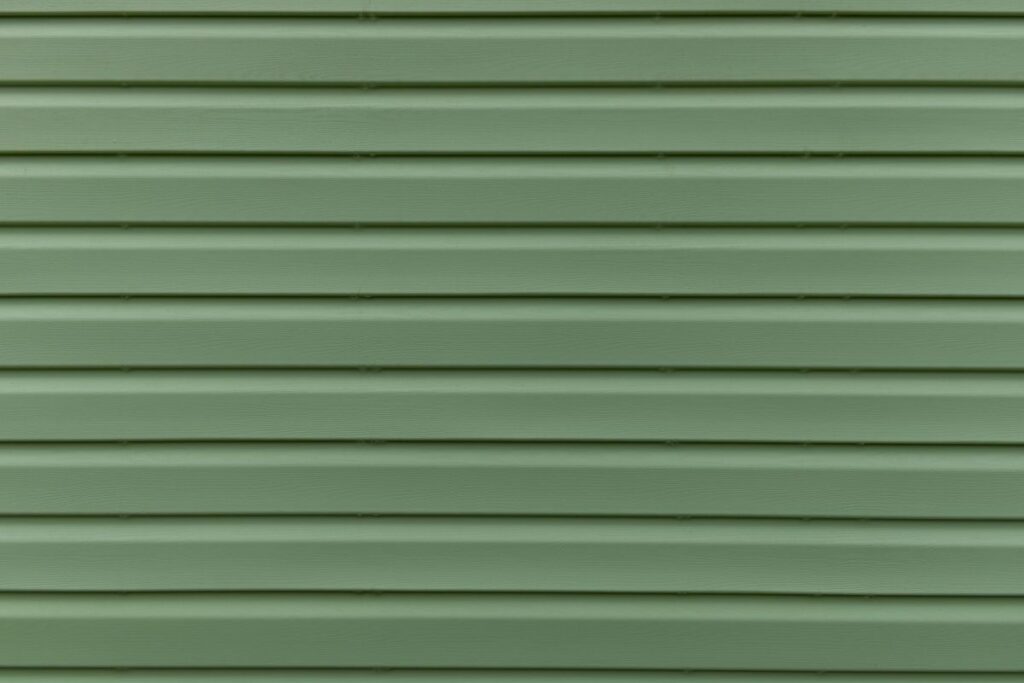
Why This Exterior Upgrade Is Worth Considering
Homeowners in Kettering and surrounding areas often assume an aging brick exterior means a full brick removal project, but that is rarely the case. Siding over brick offers a way to modernize curb appeal, improve energy efficiency, and address moisture issues without tearing into the original structure. Understanding these benefits helps homeowners decide whether the approach fits their goals and budget.
- Cost savings: Avoiding brick demolition and disposal keeps overall project costs lower and more budget friendly than a full exterior rebuild.
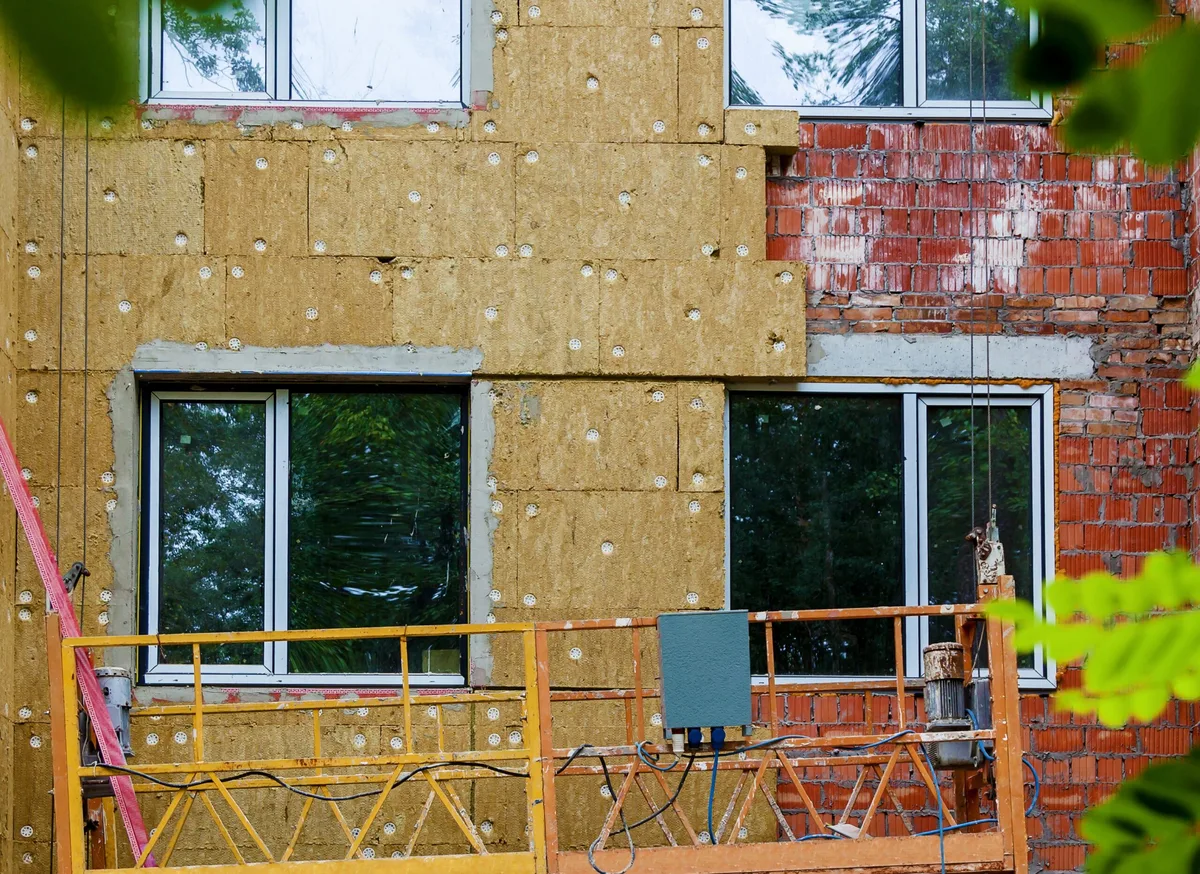
- Improved insulation: Adding a siding layer with house wrap or rigid foam provides added insulation and boosts a home’s thermal performance.
- Faster timeline: Skipping demolition means the project moves along more quickly than a ground-up exterior replacement.
- Design flexibility: Homeowners gain access to a wider range of colors, textures, and styles than brick alone allows.
Covering an existing brick exterior with siding is widely regarded as a practical way to refresh an older home’s exterior while adding a layer of protection against the elements. Many homeowners find that this upgrade pays for itself through lower utility bills over time, and most modern siding materials are also low maintenance to keep up. It also gives older homes in the area a fresh, updated appearance that can boost resale value when the time comes to sell.
6 Things to Know Before Siding Over Brick
Before committing to a siding over brick project, it helps to understand what the process involves from start to finish. Each consideration below plays a role in how smoothly the project goes and how well the result performs.
1. Not Every Brick Wall Is a Good Candidate
Not every brick wall is suited for this type of project, and a proper inspection should always come first, whether the wall is solid masonry or a thinner brick veneer. Homes with significant mortar deterioration, structural cracking, or damaged brick sections typically need masonry repairs before any siding goes up, and Ohio’s freeze thaw cycles are often the culprit behind those cracked joints. Covering a compromised wall without fixing the underlying issue can trap moisture and lead to bigger problems down the road.
- Check for crumbling or missing mortar joints
- Look for signs of water staining or efflorescence
- Confirm the wall is structurally sound before covering it
2. Furring Strips Create a Flat, Level Surface
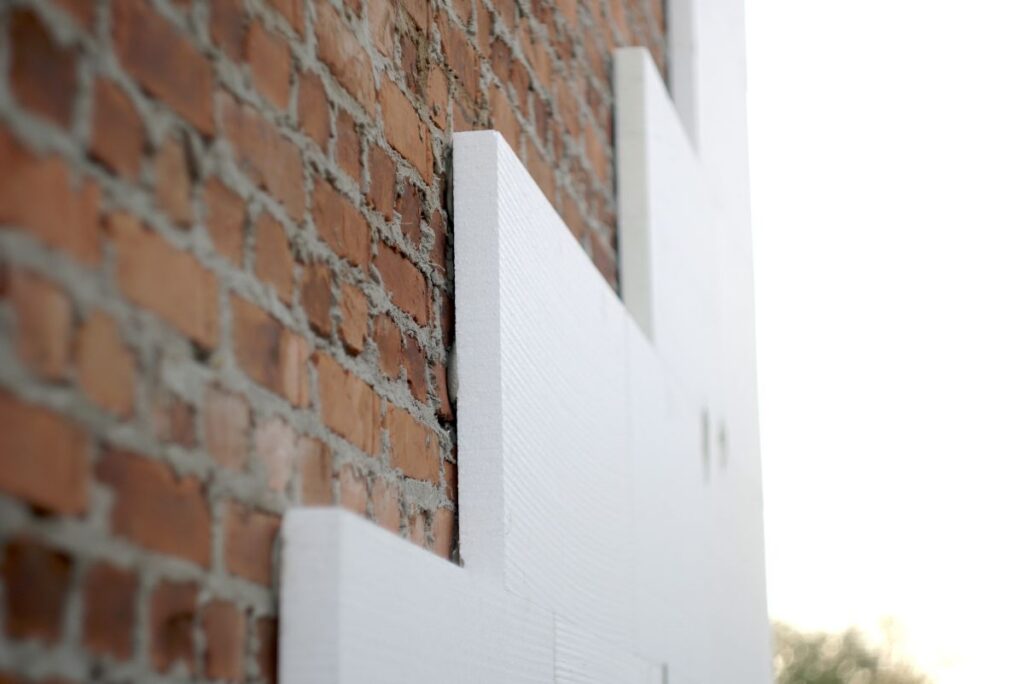
Furring strips create the flat, level surface that siding needs to install properly over an uneven brick facade. Brick walls have natural texture and slight irregularities that make direct siding attachment difficult, so installers typically fasten vertical furring strips into the mortar joints first. This step also creates a small air gap behind the siding, which helps with drainage and ventilation.
- Furring strips are usually spaced 16 or 24 inches apart
- Proper fastening into mortar joints, not brick face, prevents cracking
- The air gap behind the strips supports long-term moisture management
3. House Wrap and Moisture Barriers Matter
House wrap and moisture barriers matter just as much on a brick surface as they do on any other type of wall assembly. A quality weather-resistant barrier installed over the furring strips helps prevent water infiltration and supports proper airflow behind the new siding, much like flashing protects a roof. Skipping this step is one of the most common mistakes that leads to hidden moisture damage and mold growth years down the line, so getting this layer right helps prevent issues later.
- Choose a breathable, water-resistant house wrap
- Seal seams and overlaps according to manufacturer guidelines
- Pair the wrap with proper flashing around windows and doors
4. Window and Door Trim Needs Extension
Window and door trim needs to be extended outward to account for the added thickness of the furring strips, house wrap, and new siding material. Skipping this detail results in recessed, unfinished-looking windows once the project wraps up. Experienced installers plan for this adjustment early to ensure proper installation and a seamless final look.
- Extension jambs widen window openings to match new wall depth
- Trim and casing need to be resized or replaced
- Proper flashing around extended openings prevents leaks
5. Weight and Structural Load Should Be Reviewed
Weight and structural load should be reviewed before adding a new exterior layer on top of existing brick, even though most siding materials are relatively lightweight. While vinyl and fiber cement are both durable materials that rarely create structural concerns, it is still worth confirming that the wall assembly can handle the added furring strips, fasteners, and finish material. A brief structural check offers peace of mind, especially on older homes, and most contractors include it in a free consultation.
- Vinyl siding adds minimal weight to the overall structure
- Fiber cement is heavier and may require additional fastening consideration
- A quick assessment from an experienced contractor prevents surprises
6. Permits and Local Codes Often Apply
Permits and local codes often apply to exterior remodeling projects, even when the underlying brick stays in place. Requirements vary by municipality, and some areas have specific rules regarding exterior modifications, energy codes, or historic district guidelines. Homes in historic neighborhoods may face additional architectural review requirements before any exterior work can begin. Checking with the local building department before work begins helps avoid delays or costly corrections later.
- Confirm permit requirements with the local building department
- Ask about energy code requirements for insulation and house wrap
- Verify any historic district restrictions that may apply to exterior changes
Working through these six considerations gives homeowners a realistic picture of what the project actually involves, and addressing each item upfront leads to a smoother, longer-lasting result.
Getting the Details Right for a Lasting Result
A successful siding over brick project depends on more than just the materials chosen. Attention to the smaller technical details often determines whether the finished exterior performs well for decades or develops problems within just a few years. Homeowners who understand these finer points are better equipped to have informed conversations with their contractor.
- Fastener length: Screws and nails must be long enough to penetrate through the furring strips and anchor securely into the brick and mortar.
- Drainage planning: Weep holes or gaps at the base of the wall allow any moisture that gets behind the siding to escape properly.
- Material compatibility: Vinyl, fiber cement, engineered wood, metal siding, and other materials each interact differently with furring systems and house wrap.
- Color and style choices: Since the exposed brick is being covered, homeowners have the freedom to move away from that look and choose a completely different aesthetic appeal.
Paying attention to these details from planning through installation helps prevent the kind of shortcuts that lead to callbacks and repairs. A contractor who takes time to explain these choices is generally a good sign the project is in capable hands. Homes throughout Kettering and surrounding areas benefit most when these details are treated as priorities, not afterthoughts.
Siding Over Brick vs. Removing the Brick Entirely
Some homeowners weigh siding over brick against removing the brick entirely, and each path comes with its own tradeoffs. Comparing these two approaches side by side makes it easier to choose the right path for a specific home and budget.
| Factor | Siding Over Brick | Removing Brick First |
| Cost | Generally lower | Significantly higher |
| Timeline | Faster completion | Longer due to demolition |
| Mess and disruption | Minimal | Extensive debris removal |
| Wall thickness | Increases slightly | Stays closer to original |
| Best for | Sound brick in good condition | Severely damaged or unstable brick |
Choosing between the two paths comes down to the brick’s current condition and the homeowner’s long-term goals. For brick that is structurally sound but simply outdated or damaged by moisture, siding over the existing surface is almost always the more practical and cost-effective route. Removal only makes sense when the brick itself is failing and cannot support anything installed over it.
Frequently Asked Questions About Siding Over Brick
Homeowners considering this type of project tend to ask similar questions before moving forward. Here are answers to some of the most common ones.
Can any type of siding be installed over brick?
Most common siding materials, including vinyl, fiber cement, wood siding, and aluminum siding, can be installed over brick when furring strips and proper moisture barriers are used. Homeowners weighing other siding options should approach material selection carefully, since each interacts differently with furring systems. The best choice depends on the home’s style, budget, and local climate conditions.
Will siding over brick trap moisture inside the wall?
When installed correctly with furring strips, breathable house wrap, and proper flashing, siding over brick should not trap moisture. Skipping these components, however, can lead to moisture buildup over time.
How long does a siding over brick project typically take?
Most residential projects take anywhere from one to two weeks, depending on the size of the home and the complexity of window and door trim adjustments needed along the way.
Does siding over brick affect a home’s resale value?
Updated siding often improves curb appeal and can positively influence resale value, especially when the original brick was outdated or showing visible wear before the project began.
Is it more affordable than removing the brick first?
Short answer: yes. Siding over an existing brick wall is typically more affordable than removing the brick entirely, since it avoids the labor, disposal, and structural work involved in demolition.
Every home is different, so it’s worth getting a professional opinion before finalizing a decision. A qualified contractor can assess your brick and recommend the right path forward.
Ready to Upgrade Your Home’s Exterior?
A siding over brick project can transform the look of a home while improving energy efficiency and protecting against moisture and severe weather, but getting the details right matters just as much as choosing the right material. Homeowners throughout Kettering and surrounding areas trust Johnson Restoration to evaluate their brick exterior, recommend the right approach, and handle every step of the installation. Whether your brick is showing its age or you simply want a fresh new look, our team is ready to help.
If you’re ready to explore your options, contact us today for a free estimate and take the first step toward a home exterior you’ll be proud of for years to come.