Your siding does more than make your home look good. It is the first layer standing between your living space and Ohio’s hot summers, cold winters, and wind-driven rain. That is why more homeowners are asking about insulated siding when it is time to replace a worn exterior. Adding a layer of foam insulation to your walls can help reduce drafts, quiet outside noise, and make panels sturdier. For homeowners in Bellbrook and surrounding areas, understanding the options is the first step toward an exterior that works as hard as it looks.
Here is a quick look at what this guide covers:
- Why insulation behind your siding makes a difference
- Five insulated siding options and how they compare
- What to look for before choosing a product
- How siding fits into your home’s overall energy picture

How Insulated Siding Helps Your Home
Most homes lose heat through the wall framing itself, since wood studs conduct heat much more readily than the insulation between them. Siding that includes or sits on top of a continuous layer of foam helps cover those studs and slow that heat transfer.
Insulated siding has been commercially available since the late 1990s, and today it comes in several forms. Each one aims to wrap your home in a more consistent layer of protection than siding alone can provide. Here is why it is worth a closer look:
- Better comfort: A continuous layer of insulation helps reduce drafts and cold spots along exterior walls, especially in older homes.
- Sturdier panels: Foam backing supports the siding from behind, making it more resistant to dents, sagging, and warping.
- Quieter interiors: Many homeowners notice that the added layer softens outside noise from traffic, lawn equipment, and storms.
- Energy savings: By slowing heat loss in winter and heat gain in summer, insulated siding can help your heating and cooling system work a little less.
Insulated products do come with a higher price tag, and insulated vinyl tends to cost more per square foot than standard vinyl. Understanding what you get for that extra investment helps you decide whether it is the right fit for your home and budget.
5 Insulated Siding Options to Know
Insulated siding is not a single product. The most common types are vinyl, fiber cement, and steel, and most use expanded polystyrene, or EPS, foam for insulation. Some options come with foam permanently attached to the panel, while others pair a siding material with a separate foam layer installed behind it.
1. Insulated Vinyl Siding
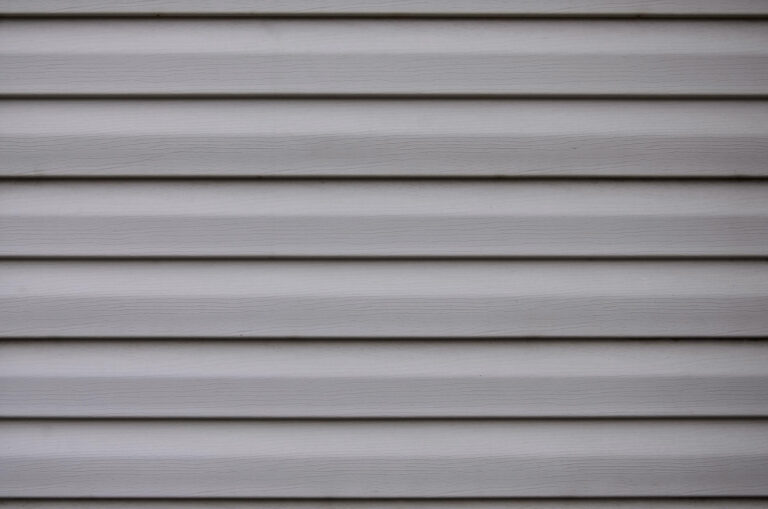
Insulated vinyl siding is the most common type on the market. It features a contoured EPS foam backing permanently attached to the back of each vinyl panel. The foam fills the gap between the panel and the wall, giving the siding a solid, flat feel instead of the hollow sound of traditional vinyl.
- Industry R-values typically range from about R-2.0 to R-5.5
- Foam backing adds stiffness and impact resistance
- Low maintenance with no painting required
- Typically lasts around 30 years with proper care
2. Insulated Fiber Cement Siding
Fiber cement siding is known for its durability, fire resistance, and realistic wood-grain look. On its own, it offers very little insulating value, so it is paired with contoured EPS foam made to fit behind the boards or installed over continuous rigid foam insulation. Contoured foam backers commonly add around R-2.5, with thicker products going higher.
- Very durable and resistant to pests and rot
- Insulation level depends on the foam selected
- Heavier material that requires experienced installers
3. Engineered Wood Over Rigid Foam
Engineered wood siding offers the warm look of natural wood with added resistance to moisture and pests. Like fiber cement, it can be paired with rigid foam board behind it to create an insulated wall assembly.
- Lighter than fiber cement and easy to work with
- Comes pre-primed or factory-finished
- Insulation value depends on the foam layer chosen

4. Insulated Steel Siding
Steel siding is a durable, low-maintenance choice that resists fire, insects, and rot. Paired with a contoured foam backer or rigid foam insulation, it delivers a strong, energy-conscious exterior with a clean, modern appearance. Steel is also one of the longest-lasting siding materials, with some estimates reaching 70 years or more.
- Resists fire, insects, and rot
- Available in horizontal and vertical profiles
- Factory finishes help reduce fading and upkeep
5. EIFS and Insulated Stucco Systems
An Exterior Insulation and Finish System, or EIFS, combines rigid foam board with a reinforced base coat and a textured finish that resembles traditional stucco. Modern versions often include a drainage layer to help any moisture that gets behind the surface escape.
- Insulation is built directly into the system
- Offers a seamless, stucco-style look
- Proper installation and detailing are critical
Each of these options can improve the performance of your walls when installed correctly. The best choice depends on the look you want, your budget, and how much insulation your home actually needs.
What to Look for Before You Choose
Choosing insulated siding involves more than picking a color. A few key factors determine how well the finished exterior will perform over time, and homeowners in Bellbrook and surrounding areas should weigh each one carefully.
- R-value: This measures how well a material resists heat flow. Higher numbers mean better insulation, but the right level depends on your existing walls and goals.
- Moisture management: Every wall needs a way to shed and dry out water. A quality weather-resistant barrier and proper flashing behind any siding are essential.
- Installation quality: Even premium products underperform if seams, corners, and openings are not detailed correctly.
- Warranty coverage: Review both the manufacturer’s product warranty and the contractor’s workmanship guarantee.
- Style options: Look at available profiles, textures, and colors to make sure the product matches your home’s architecture.
- Budget and payback: Compare the upfront cost against the comfort and energy benefits you expect over the life of the siding.
Taking time to compare these factors helps you avoid surprises after installation. A knowledgeable contractor can walk you through the tradeoffs and recommend the option that fits your home best.
Comparing Your Insulated Siding Choices
Seeing the options side by side can make the decision feel much more manageable. The table below summarizes how each type approaches insulation, upkeep, and overall appearance.
| Siding Type | How It Is Insulated | Maintenance | Best For |
| Insulated vinyl | Foam bonded to each panel | Very low | Budget-conscious upgrades with low upkeep |
| Fiber cement | Contoured EPS backer or rigid foam board | Periodic repainting | Durability and a wood-grain look |
| Engineered wood | Separate rigid foam board | Periodic refinishing | Warm, natural wood appearance |
| Steel | Contoured foam backer or rigid foam board | Low | Modern styles and long-term durability |
| EIFS | Foam built into the system | Inspect sealants and joints | Stucco-style homes and seamless finishes |
Insulated Siding Is One Piece of the Energy Puzzle
Insulated siding can make your walls more comfortable, but it works best as part of a bigger plan. Attic insulation, air sealing, and efficient windows often have a major impact on how much energy your home uses. Looking at your home as a complete system helps you get the most value from every upgrade.
When you plan a siding project, it is also a great time to check for damaged sheathing, rot, or gaps that can be repaired before new panels go on. Addressing those issues now protects your investment for years to come.

Frequently Asked Questions About Insulated Siding
Homeowners often have a few questions before committing to a new exterior. Here are straightforward answers to the ones we hear most often.
Is insulated siding worth the extra cost?
For many homes, yes. Insulated siding adds comfort, panel strength, and noise reduction, along with modest energy savings. Its value is often highest on older homes with little wall insulation or when you plan to stay in the home for many years.
What R-value does insulated siding provide?
Insulated vinyl products typically fall in the R-2.0 to R-5.5 range. Fiber cement with a contoured foam backer often adds around R-2.5, and siding installed over thicker rigid foam board can reach higher values.
Can insulated siding be installed over existing siding?
Sometimes, but not always. Old vinyl and aluminum siding are usually removed first, and removal also allows the crew to inspect and repair the wall underneath.
Does insulated siding reduce outside noise?
Many homeowners report a quieter interior after installation. The foam layer helps dampen sound, though windows and doors also play a major role.
Do I still need house wrap with insulated siding?
Yes. A weather-resistant barrier behind the siding remains an important part of protecting your walls from moisture, regardless of the siding type.
If you have questions that are not answered here, our team is happy to talk through your options. A quick visit can help you understand which insulated siding makes the most sense for your home.
Upgrade Your Exterior With Johnson Restoration
The right insulated siding can make your home more comfortable, more durable, and better looking for years to come. Choosing the best option comes down to your home’s needs, your style, and quality installation. Johnson Restoration has helped homeowners across Bellbrook and surrounding areas protect and improve their homes since 2012, with free estimates and a written scope of work on every project. Our team will walk you through the options, explain the tradeoffs, and help you choose siding that fits your goals and budget. When you are ready to get started, contact us today to schedule your free estimate.