
Clogged gutters are more than a seasonal chore. When leaves, twigs, and shingle grit pile up, water spills over the edges and can damage your fascia, landscaping, and even your foundation. That is why so many homeowners start comparing gutter guard types after one too many weekends on a ladder. Each style blocks debris a little differently, and the right choice depends on your trees, your roof, and your budget. For homeowners in Vandalia and surrounding areas, the right guard is an easy way to keep rainwater moving away from your home.
Here is what you will find in this guide:
- Why gutter guards are worth considering
- Six common gutter guard types and how each one works
- Key factors for choosing the right fit
- What maintenance still looks like with guards installed
Why Protecting Your Gutters Pays Off
Your gutters have one main job: carrying roof runoff safely away from your home. When debris blocks that path, water has nowhere to go but over the sides, where it can cause problems that cost far more than a gutter guard ever would.
Gutter guards fasten on top of or inside your gutters to block debris while letting water through. Here is why they deserve a spot on your home maintenance list:
- Foundation protection: Water that overflows clogged gutters often pools near the foundation, which can lead to basement leaks and soil erosion.
- Fewer ladder trips: Guards reduce how often gutters need to be cleaned, cutting down on one of the riskiest household chores.
- Healthier fascia and roof edges: Standing water and soggy debris can rot fascia boards and wear on the edge of your roof over time.
- Fewer pests: Clogged gutters hold moisture and debris that attract insects, birds, and rodents looking for shelter.
Not every product performs equally, so it helps to understand how the most popular gutter guard designs compare before you buy. The right match can save you years of frustration, while the wrong one may create new maintenance headaches.
6 Gutter Guard Types to Consider
Gutter guards generally fall into six categories. Some sit on top of the gutter like a filter, some fill the inside of the gutter, and one uses the shape of the guard itself to guide water while debris slides away.
1. Mesh Gutter Guards
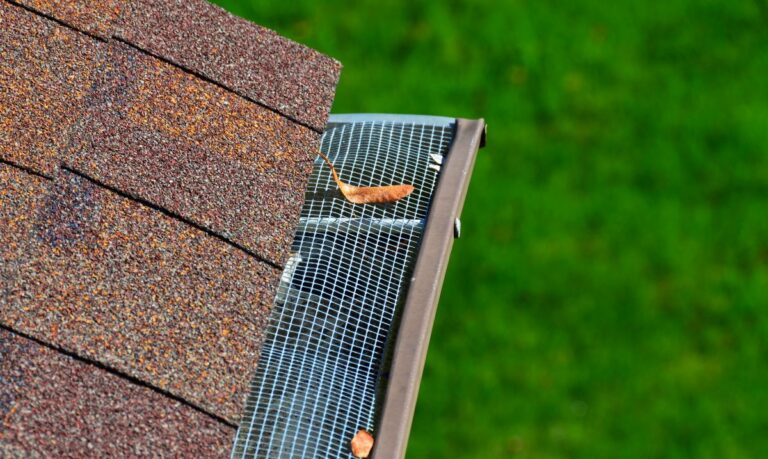
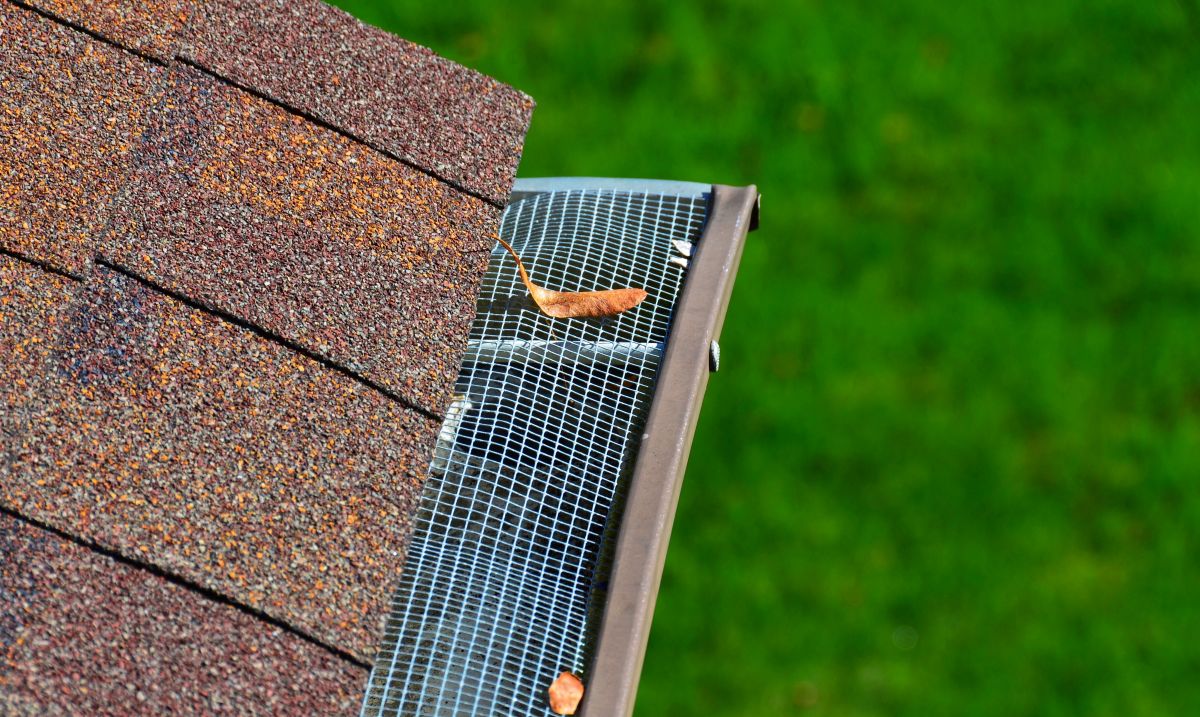
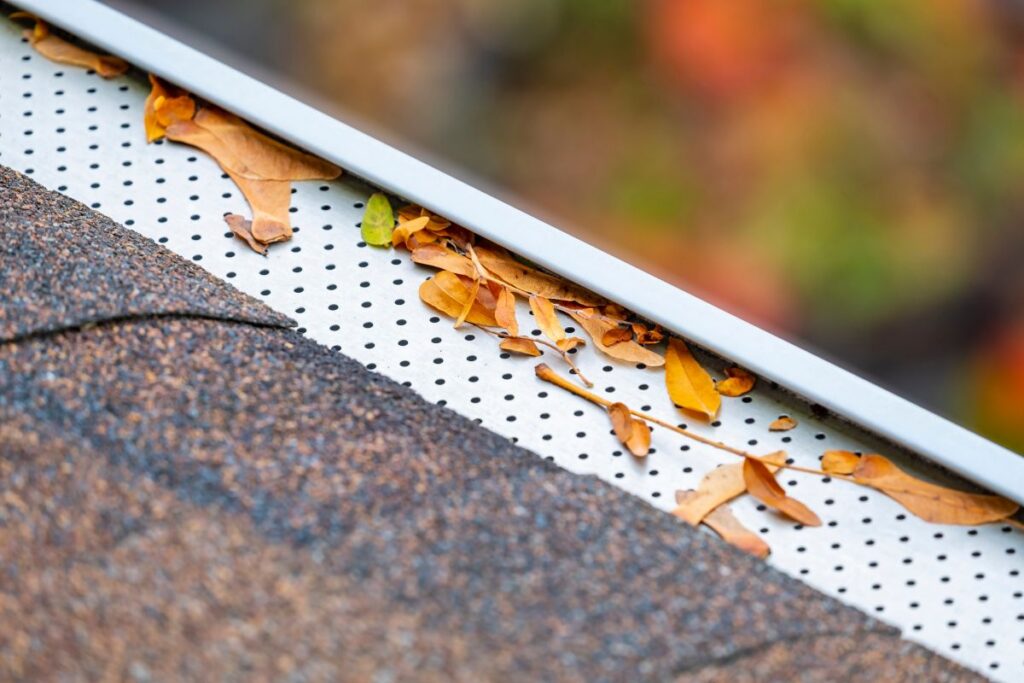
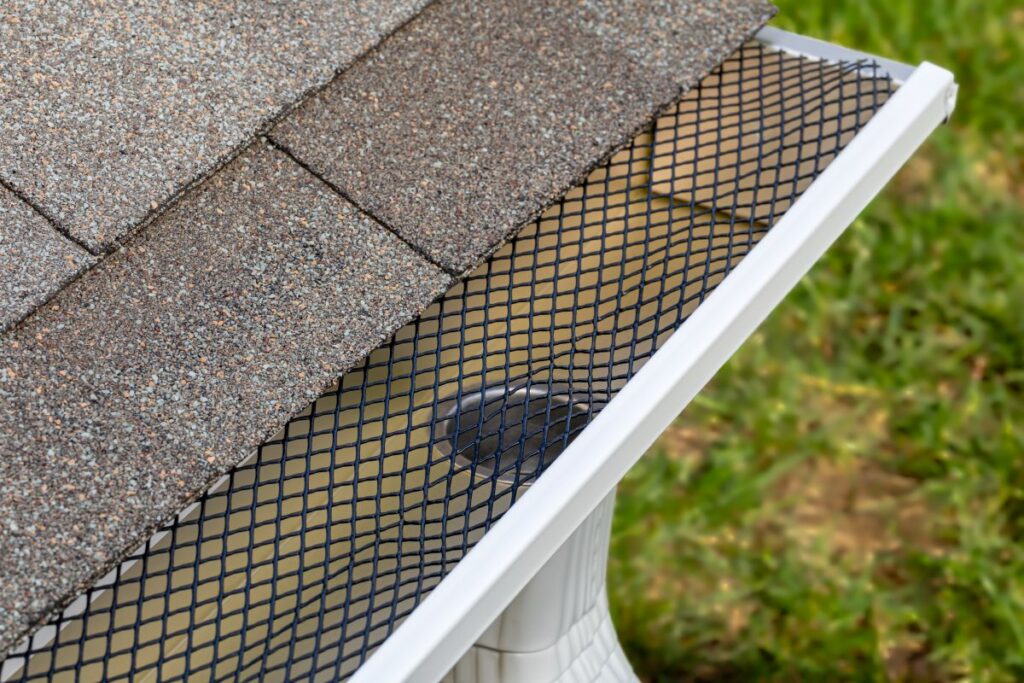
Mesh guards are metal or plastic sheets with small holes that sit over the top of the gutter. They keep out leaves and larger debris while allowing water to pass through. Because they lie flat with a low profile, they blend in nicely along the roofline.
- Durable metal versions can last up to 20 years
- Easy to brush debris off the surface
- Larger holes may let some smaller debris through
2. Micro-Mesh Gutter Guards
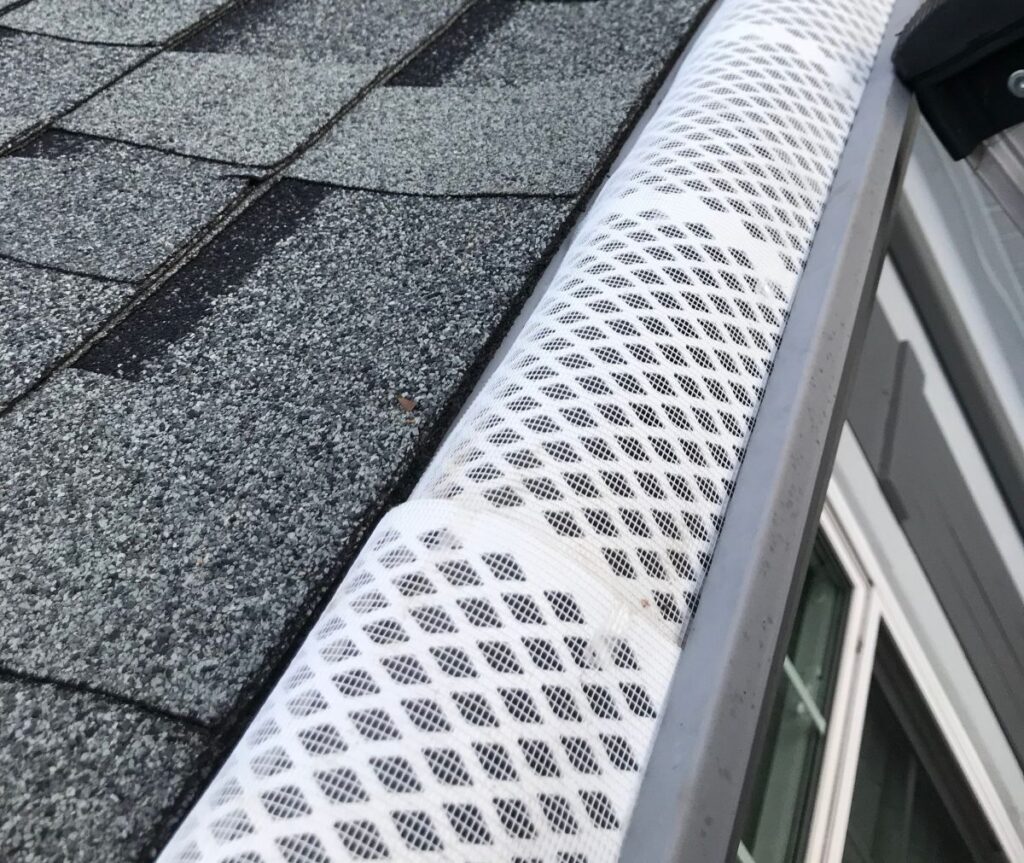
Micro-mesh guards work like standard mesh but with much finer openings. That tighter weave blocks even small debris such as shingle grit and pine needles. They are typically made of stainless steel, aluminum, or plastic, and stainless steel versions are among the most durable options available.
- Can last 20 to 30 years
- Blocks debris of nearly all sizes
- Still needs an occasional surface cleaning
3. Screen Gutter Guards
Screen guards are wire or plastic grids with larger openings, similar to a window screen. They are one of the most affordable options and can often be placed directly over existing gutters without major retrofitting.
- Budget-friendly and easy to install
- Good at blocking leaves and large debris
- Should be removed and cleaned at least once a year
4. Reverse Curve Gutter Guards
Also called surface tension guards, reverse curve systems cover the gutter with a solid hood. Rainwater follows the curved edge down into the gutter, while leaves and debris slide off the front. They are effective but more visible from the ground and typically require lifting shingles during installation.
- Excellent at handling heavy debris
- Best installed by professionals
- Changes the look of your roofline
5. Foam Gutter Guards
Foam guards are porous inserts that sit inside the gutter, letting water seep through while blocking debris. They are inexpensive and simple to install, but debris tends to collect on top, and the foam can start to break down after a few seasons.
- Low upfront cost
- Quick DIY installation
- Must be removed during cleaning
6. Brush Gutter Guards
Brush guards look like long bottle brushes that rest inside the gutter. The bristles catch leaves and twigs while water flows through. They are easy to install and remove, but small debris like pine needles can tangle in the bristles.
- Simple to install and replace
- Good airflow and water flow
- Requires ongoing maintenance
Each of these designs works when matched to the right home. The key is choosing a guard that fits the type and amount of debris your gutters actually face.
How to Choose the Right Gutter Guard
The best gutter guard for one house may not be the best for the house next door. A few practical factors make a big difference, especially for homeowners in Vandalia and surrounding areas where mature trees and seasonal storms are common.
- Nearby trees: Homes surrounded by oaks and maples deal mostly with leaves, while pine trees shed needles that slip through larger openings. Finer mesh works best for small debris.
- Material quality: Plastic guards cost less but wear out faster. Aluminum offers a good middle ground, and stainless steel delivers the longest life.
- Roof compatibility: Some guards slide under the first row of shingles. Improper installation can damage shingles, so it is wise to confirm the method works with your roof.
- Gutter size and condition: Guards must fit your gutter width, and sagging or leaking gutters should be repaired before any guard goes on.
- Weather exposure: Heavy rain, snow, and ice put extra stress on guards, so sturdy, securely fastened products tend to hold up better.
- Budget and long-term value: Lower-cost options may need replacing sooner, while premium guards cost more upfront but can last decades.
Thinking through these factors helps narrow the field quickly. A professional can also look at your roofline and trees to recommend the option that fits best.
Comparing Gutter Guards at a Glance
Seeing the options side by side makes the tradeoffs easier to understand. The table below summarizes how each type performs in the areas homeowners care about most.
| Gutter Guard Type | Debris Protection | Maintenance | Installation |
| Mesh | Good for leaves and larger debris | Low to moderate | Professional recommended |
| Micro-mesh | Excellent, including fine debris | Low | Professional recommended |
| Screen | Fair, best for large debris | Moderate | DIY or professional |
| Reverse curve | Very good for heavy leaf loads | Low to moderate | Professional required |
| Foam | Fair, debris can collect on top | High | Easy DIY |
| Brush | Fair, small debris can tangle | Moderate to high | Easy DIY |
Gutter Guards Still Need Some Care
No gutter guard is completely maintenance-free. Debris can build up on the surface of mesh and screen guards, and downspouts can still clog over time. Plan to check your gutters at least once or twice a year, especially after fall leaves drop and after major storms.
Fix Gutter Problems Before Adding Guards
Guards work best on gutters that are already in good shape. If your gutters sag, leak at the seams, pull away from the fascia, or are not sloped correctly toward the downspouts, those issues should be addressed first.
Taking care of the gutter system as a whole helps every guard perform the way it should. A solid foundation of properly installed gutters makes any upgrade more effective and longer lasting.
Frequently Asked Questions About Gutter Guard Types
Gutter guards raise plenty of questions, especially if you are comparing several products at once. Here are clear answers to the ones homeowners ask most often.
What is the most effective type of gutter guard?
Micro-mesh guards are often considered the most effective because their fine openings block nearly all debris while letting water through. Reverse curve guards also perform well, especially for homes with heavy leaf coverage.
Do gutter guards eliminate gutter cleaning?
No. They greatly reduce how often you need to clean your gutters, but debris can still collect on top of guards and inside downspouts. Occasional checks are still important.
Can I install gutter guards myself?
Foam, brush, and some screen guards are designed for DIY installation. Micro-mesh and reverse curve systems are best installed by professionals to ensure a proper fit and protect your roof.
How long do gutter guards last?
It depends on the type and material. Foam may only last a few seasons, while quality mesh guards can last up to 20 years and micro-mesh options can last 20 to 30 years.
Will gutter guards work with my existing gutters?
In many cases, yes. Most guards are designed for retrofit installation, though your gutters should be in good condition and the right size for the product you choose.
If your question is not covered here, our team is always happy to help. A quick look at your gutters can tell you which guard will work best for your home.
Keep Your Gutters Flowing With Johnson Restoration
Choosing the right gutter guard keeps water flowing where it belongs and helps protect your foundation, fascia, and landscaping for years to come. With so many options available, expert guidance makes the decision much easier. Johnson Restoration has helped homeowners in Vandalia and surrounding areas protect their homes since 2012, with free estimates and a written scope of work on every project. Our team will evaluate your gutters, explain your options, and recommend a solution that fits your home and budget. If you are ready to spend less time on a ladder, contact us today to schedule your free estimate.