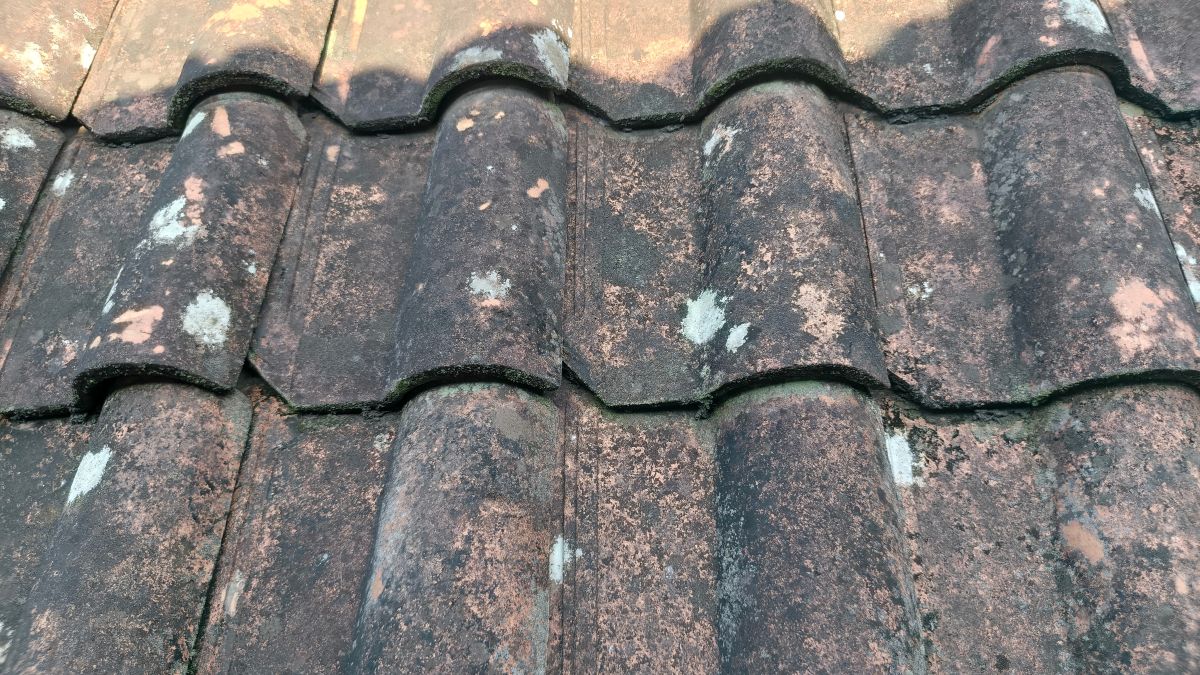

How to prevent algae on roof surfaces is one of the most common questions homeowners ask once those dark streaks start crawling across their shingles, and the right answer involves both stopping the underlying conditions algae thrives in and using proven materials and treatments to keep it away long term. Algae growth is not just a cosmetic problem because it actively shortens the life of asphalt shingles by feeding on the limestone filler that makes them weather resistant. Left untreated, an algae-covered roof can lose 5 to 10 years of expected lifespan. Homeowners in Beavercreek and surrounding areas who address the issue early with the right prevention strategies can keep their roof looking clean and lasting longer.
- Why algae matters: It feeds on shingle limestone, accelerating wear and shortening lifespan.
- What this guide covers: The 5 most effective prevention methods, how to identify roof algae, real cost ranges, and answers to common questions.
- The best approach: Combine prevention with regular maintenance to stop algae before it starts.
What Causes Algae Growth on Roofs?
Algae growth on roofs is caused by airborne spores of a cyanobacterium that lands on roofing surfaces and thrives in shady, humid conditions where moisture lingers. Understanding what algae actually is and where it comes from is the first step in preventing it.
What Is Roof Algae, Really?
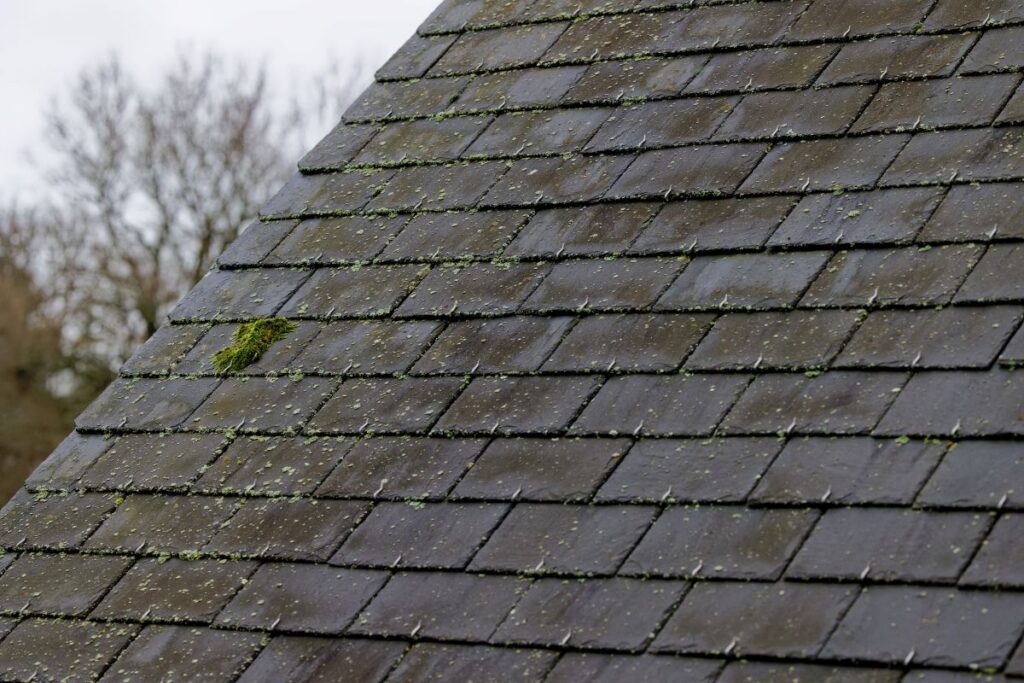
Roof algae is most commonly Gloeocapsa magma, a type of cyanobacteria (often called blue-green algae) that produces a dark pigmented sheath to protect itself from ultraviolet rays. According to the Asphalt Roofing Manufacturers Association, Gloeocapsa magma is probably the most prevalent of several algae species that contribute to discoloration, and all species are transported through the air and tend to collect and grow on roofing structures and other outdoor surfaces. The spores travel by wind, rain, and even on the feet of birds and other wildlife, which is why algae streaks often appear on multiple homes throughout the same neighborhood. Once established, the colonies feed on the limestone filler in asphalt shingles, slowly degrading the shingle structure and creating the dark vertical streaks visible from the ground. In Beavercreek and surrounding areas, humid summers and shaded roof slopes create ideal conditions for algae to take hold.
- Scientific identity: Gloeocapsa magma, a cyanobacterium (often called blue-green algae).
- Dark pigmentation: A natural UV protection that creates the black streaks.
- Airborne spread: Spores travel by wind, rain, and wildlife.
- Food source: Limestone filler in asphalt shingles.
Why Does Algae Grow on Some Roofs and Not Others?
Algae grows on some roofs and not others because shade, moisture, roof orientation, and shingle composition all influence whether spores can establish a colony. North-facing roof slopes get the least sunlight and stay damp the longest after rain, which is why algae streaks almost always show up there first. Roofs shaded by overhanging trees stay moist even on sunny days, providing the wet environment algae needs to thrive. Older asphalt shingles also tend to be more vulnerable because their granule coverage thins over time, exposing more of the limestone filler the algae feeds on. Homes in humid climates (the Gulf states, the Northwest, the Eastern Seaboard, and humid Midwestern regions like Beavercreek and surrounding areas) see algae growth more often than dry climates.
- North facing slopes: Most prone to algae due to limited sun exposure.
- Tree-shaded roofs: Stay damp longer, providing growth conditions.
- Aging shingles: Lose granule coverage and become more vulnerable.
- Humid climates: Higher algae prevalence across the Midwest and East.
5 Proven Methods to Prevent Algae on Your Roof
Preventing algae on a roof works best when multiple methods are combined, because no single solution stops all spores from landing on the surface. These five methods cover both passive protection (built into the roof itself) and active maintenance (performed by the homeowner or a contractor).
1. Install Zinc or Copper Strips Near the Ridge
Installing zinc or copper strips near the ridge is one of the most effective and longest lasting algae prevention methods because it provides ongoing protection every time it rains. The strips are typically 4 to 6 inches wide and installed just below the ridge cap shingles with 1 to 2 inches exposed. When rainwater hits the metal, trace amounts of zinc or copper ions dissolve and flow down the roof, creating a thin film that disrupts the cellular function of algae spores and prevents them from establishing colonies. Copper is more effective ion-for-ion but costs more and requires careful installation to avoid galvanic corrosion with aluminum gutters or flashing. Zinc strips cost $50 to $150 per roll and protect 30 to 50 linear feet of roof, with protection extending down the roof slope for the full width of water flow.
- Strip width: 4 to 6 inches wide standard.
- Install location: Below the top course of shingles, with 1 to 2 inches exposed.
- How they work: Metal ions dissolve in rainwater and inhibit algae growth.
- Cost: $50 to $150 per roll covering 30 to 50 linear feet.
2. Choose Algae Resistant Shingles for a New Roof
Choosing algae resistant shingles for a new roof is the most cost effective prevention method available to homeowners who are already planning a replacement. Algae resistant shingles have copper or zinc granules embedded directly into the surface during manufacturing, which means the algae protection is built in from day one and lasts for the full warranty period. Major manufacturers including GAF (StainGuard, StainGuard Plus, and StainGuard Plus PRO), Owens Corning (StreakGuard), and CertainTeed (StreakFighter) all offer algae resistant lines with warranty periods ranging from 10 to 30 years. The upcharge over standard shingles is typically $200 to $800 for an average residential roof, which is far less than the cost of professional cleaning every few years. For homes in Beavercreek and surrounding areas, this is often the smartest long term investment.
- Built in protection: Copper or zinc granules embedded during manufacturing.
- Warranty periods: 10 to 30 years depending on product line.
- Cost upcharge: Typically $200 to $800 over standard shingles.
- Major brands: GAF, Owens Corning, CertainTeed, and others all offer algae-resistant lines.
3. Trim Overhanging Tree Branches
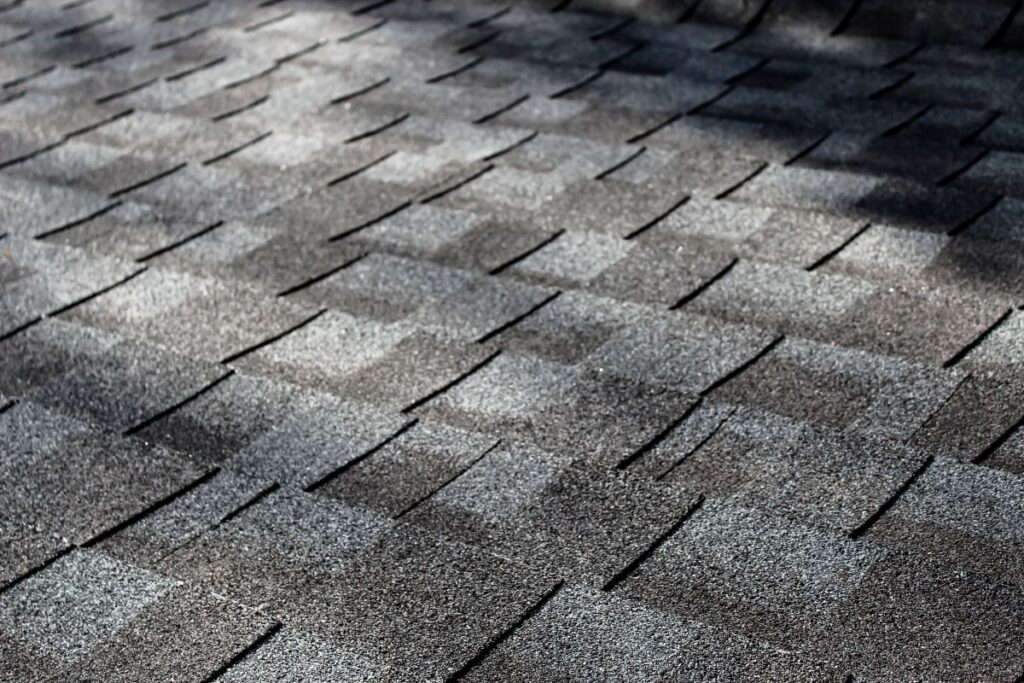
Trimming overhanging tree branches reduces algae growth by allowing more sunlight to reach the roof and helping shingles dry faster after rain. Branches that hang over the roof create dense shade that keeps moisture from evaporating, and dropped leaves and debris add organic material that holds even more water against the shingle surface. The standard recommendation is to trim branches back 6 to 10 feet from the roof surface, with annual touch-ups in late winter before spring growth resumes. Tree trimming also reduces granule loss from branch abrasion, prevents debris from clogging gutters, and eliminates the falling debris risk during storms. For most homeowners, professional tree trimming costs $200 to $800 per tree, but the algae prevention and other roof benefits typically pay back the investment.
- 6 to 10 foot clearance: Standard recommendation above the roof surface.
- Annual trimming: Late winter before spring growth is ideal timing.
- Drying time: More sun lets shingles dry faster after rain.
- Reduces debris: Less organic material lands on the roof.
4. Improve Attic and Roof Ventilation
Improving attic and roof ventilation prevents algae indirectly by reducing the surface moisture that algae spores need to colonize. A properly ventilated attic uses soffit vents at the eaves (intake) and ridge or gable vents at the top (exhaust) to move air continuously through the attic, which keeps the underside of the roof deck dry and helps the shingle surface dry faster after rain. Poor ventilation traps heat and humidity, which raises shingle temperatures, accelerates aging, and creates moisture conditions that favor algae growth. Most building codes call for 1 square foot of vent area per 150 square feet of attic floor, split between intake and exhaust. A professional inspection can identify blocked soffit vents, insufficient ridge venting, or attic moisture problems that may be contributing to algae growth.
- Balanced ventilation: Soffit intake plus ridge or gable exhaust.
- Code minimum: 1 sq ft of vent area per 150 sq ft of attic.
- Indirect algae prevention: Helps shingles dry faster.
- Pairs well with other methods: Most effective combined with strips or AR shingles.
5. Schedule Professional Soft Wash Cleanings
Scheduling professional soft wash cleanings is the right approach when algae has already established on a roof, and routine soft washing can also be used as ongoing prevention every 2 to 4 years. Soft washing uses low pressure (50 to 150 PSI) and a sodium hypochlorite solution applied with a pump sprayer, allowed to dwell for 15 to 20 minutes per ARMA’s guidance, then gently rinsed. Pressure washing is specifically prohibited by ARMA and most shingle manufacturers because the high pressure strips granules and voids warranties. Professional soft washing typically costs $300 to $800 for an average home, and the treatment is followed by an algae prevention measure (like zinc strips) to extend the benefit. For homes in Beavercreek and surrounding areas with established algae, professional treatment is the safest first step.
- Soft wash, not pressure wash: Required by ARMA and shingle manufacturers.
- Sodium hypochlorite solution: Standard active ingredient.
- 15 to 20 minute dwell time: Per ARMA’s official guidance.
- Cost: $300 to $800 for an average home.
What to Avoid When Trying to Prevent Algae
Some popular DIY approaches to algae prevention actually damage roofs more than the algae itself, and many homeowners end up spending more on shingle replacement than they would have on professional treatment. Knowing what not to do is just as important as knowing what to do.
Why You Should Never Pressure Wash an Asphalt Roof
You should never pressure wash an asphalt roof because the high pressure water strips the protective granules off the shingle surface, exposing the asphalt below and dramatically shortening the roof’s lifespan. ARMA’s official guidance explicitly states do not use a power washer or any type of brush or broom to clean algae from the roof surface, and high pressure washing systems are likely to damage asphalt roofing. Pressure washing can age a roof by 10 years in a single cleaning, and the damage is permanent because granules cannot be replaced. Most shingle manufacturer warranties are voided by pressure washing, leaving the homeowner with no recourse if shingles fail prematurely. The same warning applies to scrubbing with a brush, which loosens granules through friction.
- Strips granules: Removes the shingle’s protective top layer.
- Voids warranty: Manufacturers explicitly prohibit pressure washing.
- Permanent damage: Granules cannot be replaced.
- 10 year lifespan loss: Common after a single pressure wash.
What Other DIY Mistakes Should I Avoid?
Other DIY mistakes to avoid include painting over algae streaks (which seals in moisture and accelerates shingle damage), using undiluted household bleach (which can damage landscape plants and surrounding building materials), scrubbing with a stiff brush, and walking on the roof without proper safety equipment. Many homeowners also try to remove algae by replacing only the visibly streaked shingles, which leaves the underlying spores in place to re-colonize the new shingles within months. Always rinse plants and surrounding building surfaces before and after any chemical roof cleaning to prevent collateral damage. In Beavercreek and surrounding areas, hiring a professional is almost always the safer and more cost effective approach.
- Don’t paint over algae: Seals in moisture and worsens damage.
- Don’t use undiluted bleach: Damages plants and building materials.
- Don’t scrub with stiff brushes: Removes granules through friction.
- Don’t walk on the roof unsafely: Falls cause thousands of injuries each year.
Frequently Asked Questions
How Long Do Zinc Strips Last on a Roof?
Zinc strips last 10 to 20 years on a roof depending on the strip thickness, the local climate, and the volume of rainfall they are exposed to. Heavier 6 inch wide strips at the ridge typically protect the roof for the longer end of that range, while narrower 4 inch strips may need replacement sooner. Copper strips last even longer, typically 20 to 30 years, but cost more upfront and have compatibility limitations with aluminum components.
Are Algae Resistant Shingles Worth the Extra Cost?
Algae resistant shingles are typically worth the extra cost for homeowners in humid climates, on shaded properties, or in neighborhoods where surrounding roofs show visible algae growth. The $200 to $800 upcharge is far less than the cost of professional cleaning every few years over the 25 to 30 year life of the roof. They also help preserve the warranty coverage and resale value of the home.
Does Roof Algae Damage Asphalt Shingles?
Roof algae does damage asphalt shingles by feeding on the limestone filler that gives shingles their weather resistance, which loosens granules and exposes the asphalt below to UV degradation. Untreated algae can shorten a shingle roof’s lifespan by 5 to 10 years. Algae also traps moisture against the surface, which accelerates wear during freeze-thaw cycles common in Beavercreek and surrounding areas.
Will Bleach Damage My Roof or Landscaping?
Diluted bleach (sodium hypochlorite) applied per ARMA’s guidance will not damage asphalt shingles, but undiluted or excessive bleach can damage surrounding landscaping, painted surfaces, and metal fixtures. Always rinse plants and adjacent surfaces with water before and after roof cleaning, and use eye protection and rubber gloves when handling bleach solutions. Professional soft washing companies use surfactants and rinses that minimize collateral damage.
How Often Should I Clean Algae From My Roof?
You should clean algae from your roof every 2 to 4 years if you have visible streaking, or as needed when streaks reappear. Roofs with zinc or copper strips, algae resistant shingles, or strong sun exposure can often go 5 to 7 years between cleanings. An annual inspection helps homeowners identify early algae growth before it becomes a major issue.
Does Insurance Cover Algae Damage to a Roof?
Insurance typically does not cover algae damage to a roof because it is considered a maintenance issue rather than a sudden and accidental event. Some carriers may flag a heavily algae-stained roof as poorly maintained and threaten to cancel the policy. Treating algae proactively protects both the roof’s lifespan and the homeowner’s insurance coverage.
Why Beavercreek Homeowners Trust Johnson Restoration for Algae Prevention and Roof Care
Algae on a roof is more than a cosmetic issue, and the wrong response can cost a homeowner thousands in shortened shingle life or voided warranties. Johnson Restoration brings over a decade of industry experience to roof maintenance and algae prevention in Beavercreek and surrounding areas, with workmanship warranties, financing options, and the expertise to recommend the right combination of preventative measures for your home, whether that is zinc strips, algae resistant shingles, professional soft washing, or improved ventilation. If you are seeing the first dark streaks on your roof, planning a new shingle installation, or wondering whether your current algae problem can be safely addressed, contact Johnson Restoration today for a free estimate and let our team help you protect your roof for the long term.