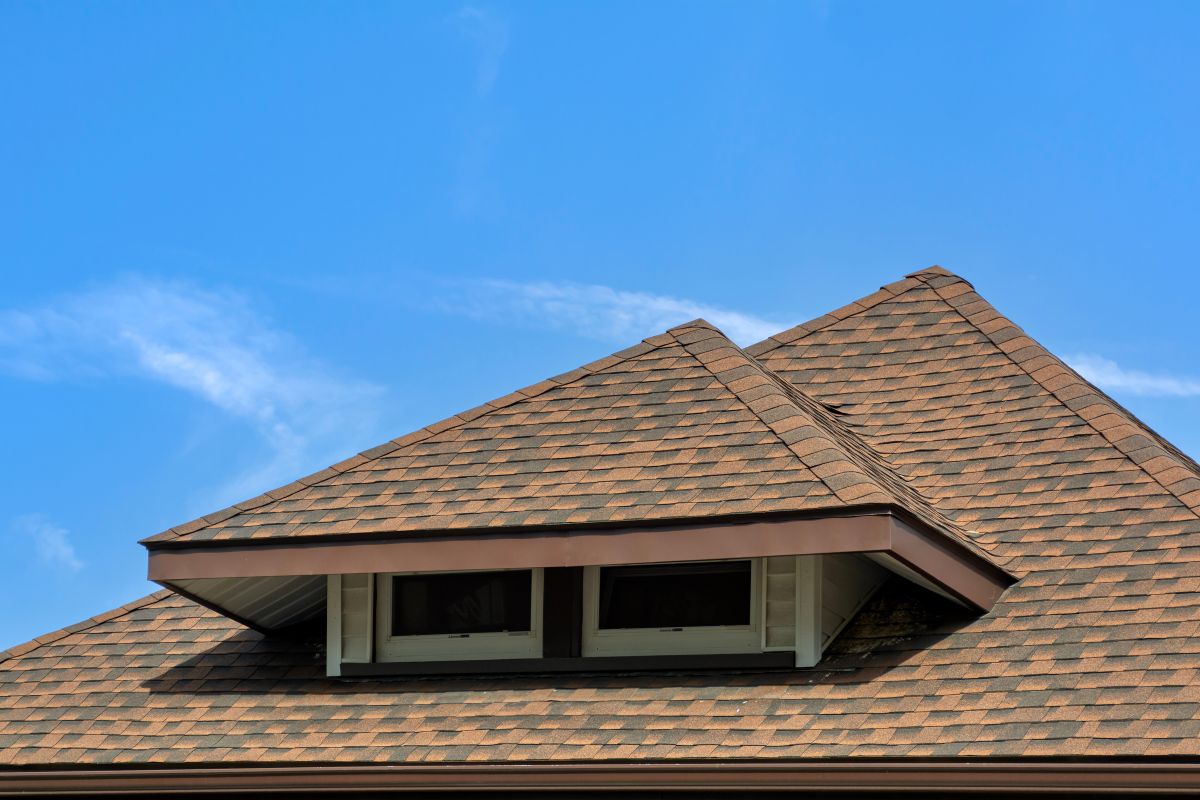

“How long do asphalt shingles last” is a question every homeowner eventually asks, and the realistic answer depends on the shingle type, climate, installation quality, attic ventilation, and how well the roof is maintained. A budget 3-tab shingle roof installed on a poorly ventilated attic in a hot, sunny region may last just 12 to 15 years, while a high-quality architectural shingle on a properly ventilated home in a moderate climate can reach 30 years or more. Manufacturers advertise lifespans of 25 to 50 years, but the actual service life almost always lands somewhere between the warranty claim and the worst-case scenario. Homeowners in Kettering and surrounding areas tend to fall near the higher end of the range when they invest in architectural shingles and stay on top of basic maintenance.
- Lifespan by type: 3-tab shingles last 15 to 20 years; architectural shingles last 20 to 30 years; premium luxury shingles can reach 50 years.
- What shortens lifespan: Poor ventilation, UV exposure, storm damage, neglected maintenance, and improper installation.
- What you will learn: Realistic lifespans by shingle type, the biggest factors that affect them, 5 maintenance tips, and answers to common questions.
What Is the Realistic Lifespan of Asphalt Shingles?
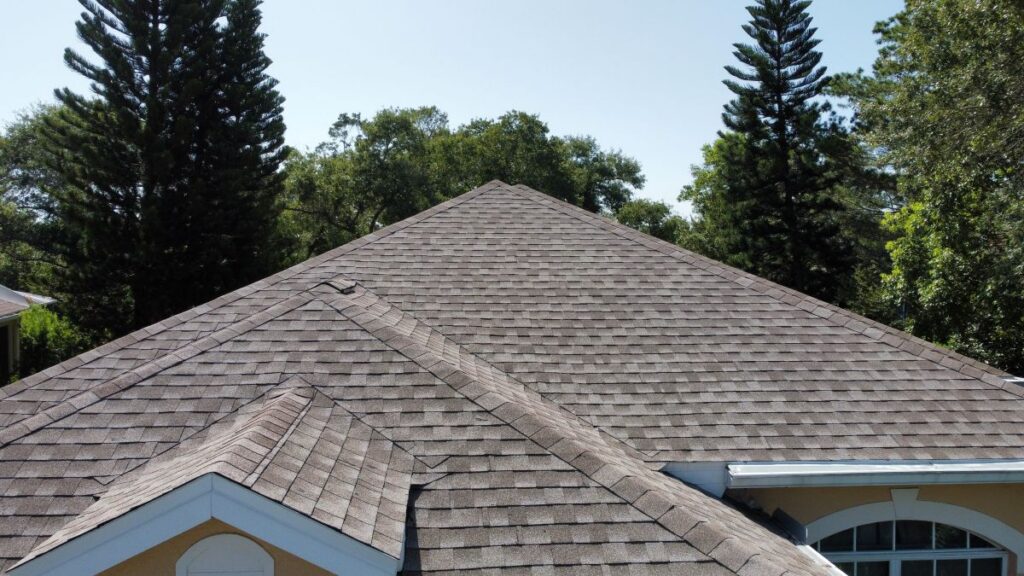
The realistic lifespan of asphalt shingles ranges from 15 to 30 years for most residential roofs, depending heavily on the shingle category. Understanding the difference between 3-tab, architectural, and premium shingles is the first step in setting an accurate expectation for your roof.
How Long Do 3-Tab Asphalt Shingles Last?
3-tab asphalt shingles last 15 to 20 years on average in most climates, with the lower end common in hot, sun-drenched regions and the upper end achievable in moderate climates with good ventilation. 3-tab shingles are single layer, flat profile shingles that were the standard residential product through the 1990s, and they remain in use today as the most affordable asphalt option. They typically weigh 200 to 240 pounds per roofing square and carry wind ratings of 60 to 70 mph, which is significantly lower than modern architectural shingles. In Kettering and surrounding areas, where freeze-thaw cycles and summer heat both stress shingles, 3-tab roofs typically reach 17 to 20 years before showing widespread failure.
- Average lifespan: 15 to 20 years in most climates.
- Weight: 200 to 240 pounds per roofing square.
- Wind rating: 60 to 70 mph for standard 3-tab products.
- Use case: Budget conscious homeowners or rental property owners.
How Long Do Architectural Asphalt Shingles Last?
Architectural asphalt shingles last 20 to 30 years on average, with most well-installed roofs reaching the 25 year mark. Architectural shingles (also called dimensional or laminate shingles) are built from two layers of asphalt-saturated mat that are laminated together, producing a thicker, heavier shingle with better wind resistance and a more dimensional appearance. They weigh 300 to 400 pounds per roofing square and carry wind ratings of 110 to 130 mph when properly installed. According to the International Association of Certified Home Inspectors (InterNACHI), the standard estimated life expectancy for architectural asphalt shingles is 30 years, while 3-tab shingles are rated at 20 years. These figures assume normal wear and tear with recommended maintenance, not extreme weather or neglect.
- Average lifespan: 20 to 30 years for most installations.
- Weight: 300 to 400 pounds per roofing square.
- Wind rating: 110 to 130 mph when installed with proper nailing.
- Most popular choice: Standard product in new residential construction today.
How Long Do Premium and Luxury Shingles Last?
Premium and luxury asphalt shingles last 30 to 50 years and represent the longest lasting asphalt category on the market. These multi-layer shingles weigh 400+ pounds per roofing square and are engineered to mimic the appearance of natural slate or cedar shake while delivering the wind, fire, and impact resistance of modern asphalt construction. Premium products like Class 4 impact-rated shingles also qualify many homeowners for insurance discounts of 10 to 20 percent on their roof premium. While they cost 30 to 50 percent more than standard architectural shingles, the extended lifespan often makes them more cost-effective on a per-year basis for homeowners who plan to stay in their home long term.
- Average lifespan: 30 to 50 years for luxury products.
- Weight: 400+ pounds per roofing square.
- Class 4 impact rated: Qualifies for insurance discounts in many states.
- Best for: Homeowners staying in their home 15+ years.
What Factors Affect Asphalt Shingle Lifespan?
Asphalt shingle lifespan is influenced by a handful of factors that combine to determine whether a roof reaches its full warranty term or fails years early. Most of these factors are within the homeowner’s control through smart material choice and consistent maintenance.
Why Attic Ventilation Determines Roof Lifespan
Attic ventilation determines roof lifespan because shingles are damaged from both above (by sun, wind, and weather) and from below (by trapped heat and moisture in the attic). A poorly ventilated attic can reach internal temperatures of 150 degrees Fahrenheit or more on a hot summer day, which essentially cooks the shingles from underneath and accelerates aging by 25 to 40 percent. Inadequate ventilation also traps winter moisture, which causes shingles to swell, crack, and lose granules faster. Most manufacturers, including GAF and Owens Corning, require balanced intake and exhaust ventilation as a condition of warranty coverage, which means an under-ventilated attic can both shorten the roof’s life and void the warranty at the same time.
- 150+ degree attic temperatures: Common in poorly ventilated homes in summer.
- 25 to 40 percent lifespan reduction: Typical for under-ventilated roofs.
- Manufacturer requirement: Balanced intake and exhaust ventilation required for warranty.
- Winter moisture damage: Trapped humidity cracks and swells shingles.
How Climate and Sun Exposure Shorten Shingle Life
Climate and sun exposure shorten shingle life because UV radiation breaks down the asphalt binder over time, causing shingles to dry out, become brittle, and lose their granules. South facing roof slopes typically age 20 to 30 percent faster than north facing slopes on the same home because they receive more direct sunlight. Hot climates like the Southwest and Southeast see asphalt shingle lifespans 30 to 40 percent shorter than those in moderate Midwestern climates like Kettering and surrounding areas. Freeze-thaw cycles also contribute to wear by causing repeated expansion and contraction, which fatigues the asphalt and accelerates cracking around penetrations and edges.
- UV degradation: Primary cause of asphalt breakdown over decades.
- South facing slopes: Age 20 to 30 percent faster than north facing slopes.
- Hot climate penalty: 30 to 40 percent lifespan reduction in Sun Belt regions.
- Freeze-thaw cycles: Cause fatigue cracking in shingles and flashing.
5 Maintenance Tips to Extend Asphalt Shingle Life
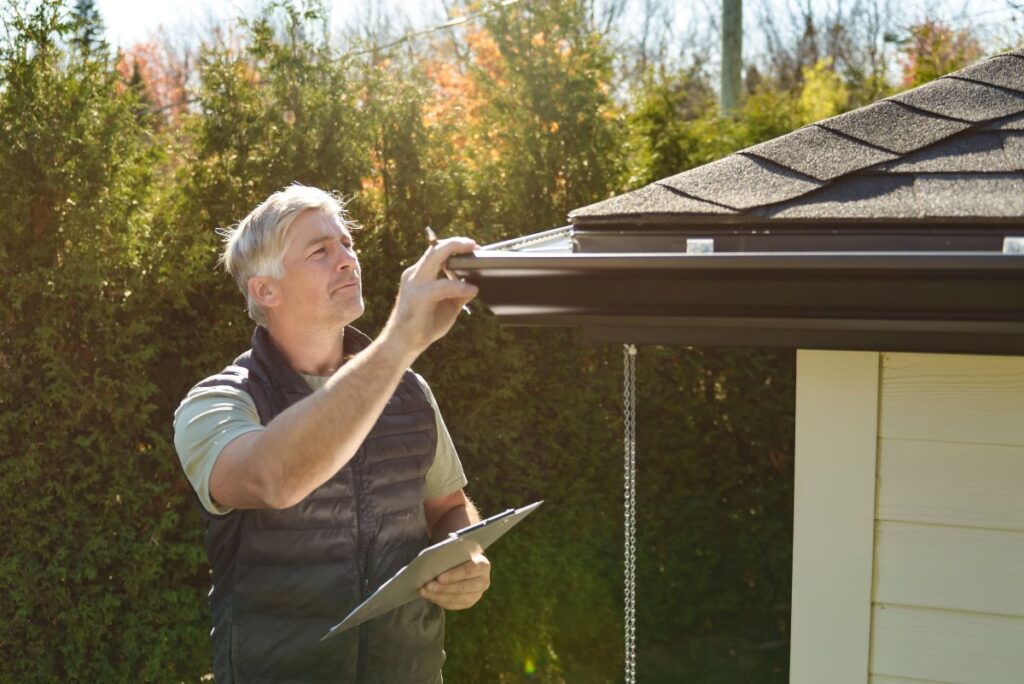
A well-maintained asphalt shingle roof can outlast its rated lifespan by several years, while a neglected roof often fails 5 to 10 years early. These five maintenance habits make the biggest difference between a roof that reaches its full service life and one that doesn’t.
1. Schedule Annual Roof Inspections
Scheduling annual roof inspections is the single most effective way to extend the life of an asphalt shingle roof because most damage is fixable when caught early and expensive once it spreads. The National Roofing Contractors Association recommends inspections twice a year (spring and fall) plus an inspection after any major storm. A professional inspection identifies lifted shingles, cracked sealant, deteriorating flashing, hairline cracks, and granule loss in gutters, all of which can be repaired for $300 to $1,500 if addressed early. Letting small issues compound for several years often turns a $500 repair into a $5,000 deck replacement or a $15,000 full roof replacement.
- Annual inspection cost: Typically $0 to $300, often free with a reputable contractor.
- Twice yearly is ideal: Spring and fall plus after major storms.
- What inspectors check: Shingle condition, flashing, sealant, ventilation, attic moisture.
- Cost avoidance: Early repairs prevent 5 to 10x larger replacement costs.
2. Keep Gutters and Downspouts Clean
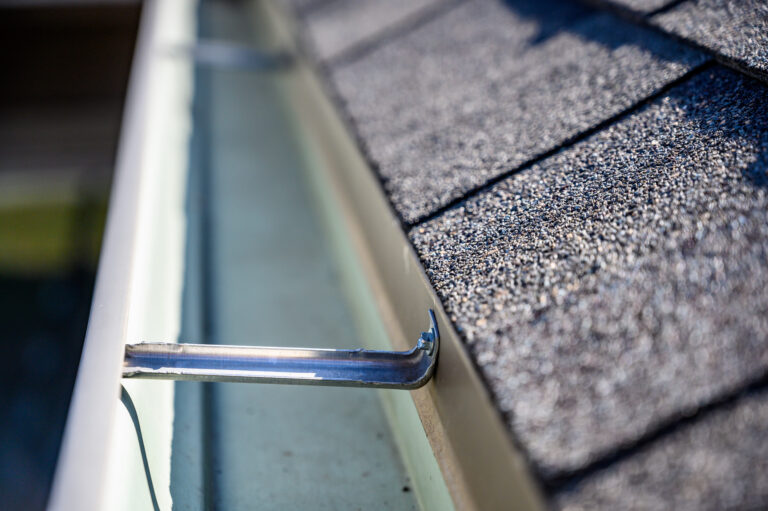
Keeping gutters and downspouts clean protects the asphalt shingle roof by ensuring rainwater drains away from the eaves rather than backing up under the shingles. Clogged gutters allow water to pool at the roof edge, where it can wick under the bottom course of shingles, rot the fascia, and cause ice dams in winter. Gutters should be cleaned at least twice a year (spring and late fall) and more often for homes with overhanging trees. Gutter guards reduce maintenance frequency but do not eliminate it entirely, since debris like pine needles and seeds can still accumulate beneath them.
- Twice yearly minimum: Spring and late fall cleaning is standard.
- More often for trees: Homes near oaks, maples, or pines need quarterly cleaning.
- Ice dam prevention: Clear gutters reduce the risk of damaging ice buildup.
- Watch for sagging: Loose gutters pull away from the fascia and require re-securing.
3. Trim Overhanging Tree Branches
Trimming overhanging tree branches prevents three of the most common causes of premature shingle damage: branch abrasion, falling debris, and excess shade that promotes algae and moss growth. Branches that scrape the shingles in wind strip granules and shorten the protective UV coating, while large limbs can cause catastrophic impact damage if they fall during storms. Tree shade also slows the drying of moist shingles after rain or snow, which encourages algae streaking and moss growth that weakens the asphalt over time. Branches should be trimmed back at least 6 to 10 feet from the roof surface, with annual touch-ups in late winter before spring storms.
- 6 to 10 foot clearance: Standard recommendation for branches above the roof.
- Annual trimming: Late winter is the ideal time before spring growth.
- Reduces algae and moss: More sunlight helps shingles dry quickly.
- Eliminates falling debris: Prevents leaves and twigs from clogging gutters.
4. Address Moss, Algae, and Lichen Promptly
Addressing moss, algae, and lichen promptly preserves the granule layer that protects asphalt shingles from UV damage. Moss roots actually penetrate between shingles, lifting them and creating gaps where water enters, while algae (the dark streaking commonly seen on north facing slopes) feeds on the limestone filler in shingles and accelerates wear. Treatment with a 50/50 mixture of water and white vinegar, or a commercial roof cleaner approved by the shingle manufacturer, kills the growth without damaging the shingles. Power washing should never be used on an asphalt shingle roof because the high pressure strips granules and voids most warranties. Installing zinc or copper strips near the ridge provides ongoing prevention by leaching small amounts of metal that inhibit growth.
- Manufacturer approved cleaner: Required to preserve warranty.
- Never power wash: Strips granules and shortens shingle life.
- Zinc or copper strips: Provide long term prevention against algae and moss.
- Algae resistant shingles: New roofs benefit from StainGuard or Scotchgard rated shingles.
5. Repair Small Issues Before They Become Big Ones
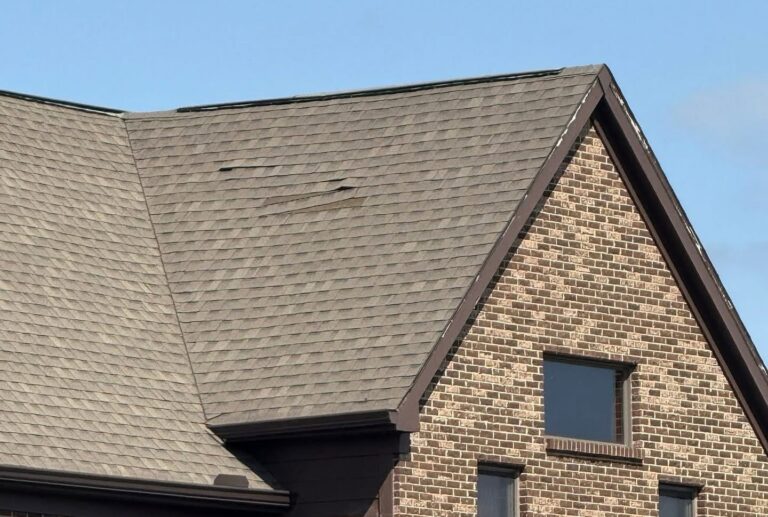
Repairing small issues before they become big ones is the maintenance habit that pays the highest return on investment because catching damage early prevents the cascading failures that destroy roofs. A single missing shingle costs $50 to $150 to replace; the same area, after a year of water infiltration, can cost $3,000 to $8,000 to repair after the deck rots and the insulation has to be replaced. Common small issues that compound quickly include lifted or curling shingles, cracked sealant around penetrations, popped nails, damaged or rusted flashing, and granule accumulation in gutters. Most reputable roofers in Kettering and surrounding areas offer affordable repair services and free inspections, making proactive maintenance the most cost-effective way to maximize a roof’s lifespan.
- Lifted or curled shingles: Re-seal or replace before they tear off.
- Popped nails: Re-drive and seal to prevent water entry.
- Cracked flashing sealant: Re-caulk before water penetrates.
- Granule loss in gutters: Sign of accelerated wear; consult a professional.
Frequently Asked Questions
How Do I Know If My Asphalt Shingles Need to Be Replaced?
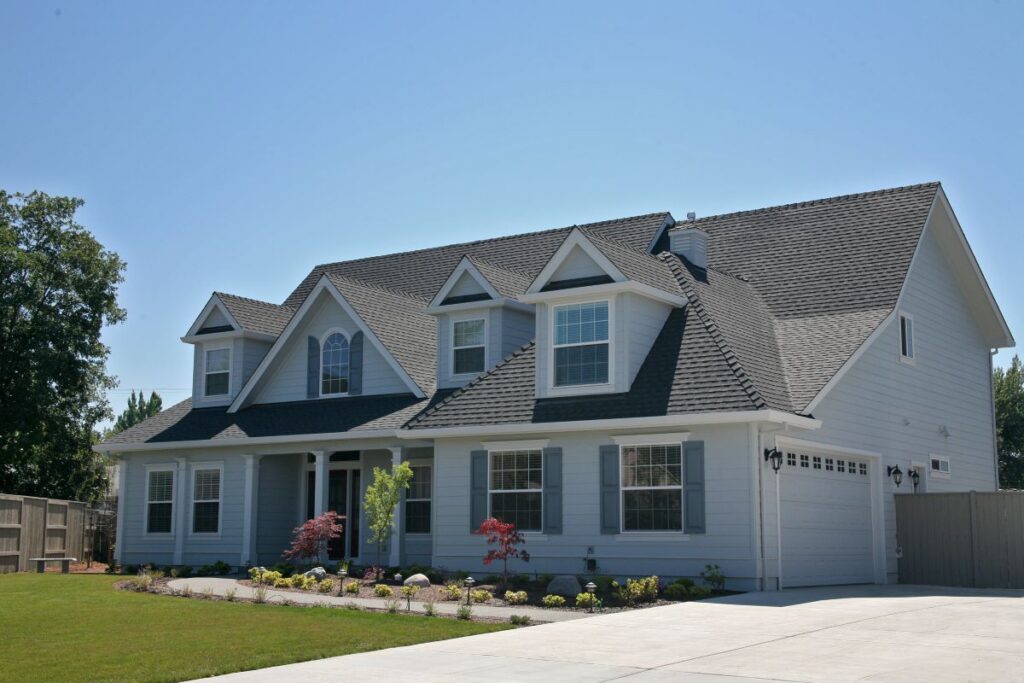
You know your asphalt shingles need to be replaced when you see widespread granule loss, curling or cupping shingles, multiple missing shingles, dark streaks across the entire roof, visible bald spots, or an interior ceiling stain that persists after repair attempts. A roof that is past 80 percent of its expected lifespan and shows two or more of these signs is typically a candidate for replacement rather than continued repair. A professional inspection can confirm whether replacement or repair is the better value.
Can Asphalt Shingles Last Longer Than Their Warranty?
Yes, asphalt shingles can last longer than their warranty when they are properly installed, well ventilated, regularly maintained, and located in a moderate climate. Many homeowners in Kettering and surrounding areas report 30 year service from architectural shingles rated for 30 years. However, manufacturer warranties cover only manufacturing defects, not the natural wear that determines actual lifespan, so exceeding the warranty period is more about maintenance than the product itself.
Do 50-Year Asphalt Shingles Really Last 50 Years?
50 year asphalt shingles rarely last the full 50 years in real world conditions; most reach 30 to 40 years of usable life. The 50 year warranty reflects laboratory testing under controlled conditions, not the combined stress of UV exposure, freeze-thaw cycles, wind, hail, and aging that real roofs experience. They are still the longest lasting asphalt option and typically outperform standard architectural shingles by 10 to 15 years.
How Often Should I Have My Asphalt Shingle Roof Inspected?
You should have your asphalt shingle roof inspected once a year as a baseline, plus after any major storm involving high winds (50+ mph) or hail. The National Roofing Contractors Association recommends spring and fall inspections to catch sealant fatigue and other gradual wear before it turns into active leaks. Roofs past 15 years old benefit from more frequent inspections.
Does the Color of Asphalt Shingles Affect Their Lifespan?
The color of asphalt shingles has a minor effect on lifespan; darker shingles absorb more heat and can age 5 to 10 percent faster than lighter shingles in hot, sunny climates. In moderate climates like Kettering and surrounding areas, the difference is often negligible. Light colored or cool roof shingles can reduce attic temperatures by 10 to 15 degrees in summer, which provides modest energy savings and a slight lifespan benefit.
What Are the Signs of Poor Asphalt Shingle Installation?
Signs of poor asphalt shingle installation include uneven shingle rows, exposed nail heads, missing or improperly installed starter strips, inadequate or missing flashing at valleys and penetrations, and shingles that are not properly sealed within the first season. Poor installation is the leading cause of premature roof failure, often shortening a 30 year shingle’s life to 15 years or less. Hiring a manufacturer certified contractor is the best protection against installation defects.
Why Kettering Homeowners Trust Johnson Restoration for Asphalt Shingle Roofs
The difference between an asphalt shingle roof that lasts 30 years and one that fails at 15 often comes down to installation quality, ventilation, and maintenance, not the shingle product itself. Johnson Restoration brings over a decade of industry experience to every roof in Kettering and surrounding areas, with workmanship warranties, financing options, and the manufacturer certifications needed to install shingles for their full rated lifespan. Whether you are planning a new asphalt shingle roof, scheduling a maintenance inspection, or trying to decide between repair and replacement on an aging roof, contact Johnson Restoration today for a free estimate and let our team help your roof reach its full service life.