
A hip and valley roof is one of the most visually appealing and structurally balanced roofing styles used on modern homes and commercial buildings. Characterized by its multiple slopes meeting at various angles, this roof design enhances both strength and drainage. Homeowners in Springboro and surrounding areas often choose this style for its durability, aesthetic versatility, and ability to handle Ohio’s unpredictable weather.
- Design strength: The intersecting slopes improve wind resistance and water runoff.
- Architectural beauty: Offers a balanced, symmetrical look that enhances curb appeal.
- Practical performance: Reduces pooling and distributes roof load more evenly.
While hip and valley roofs offer excellent protection, they also require proper installation, flashing, and maintenance to perform their best.
Understanding the Hip and Valley Roof Design
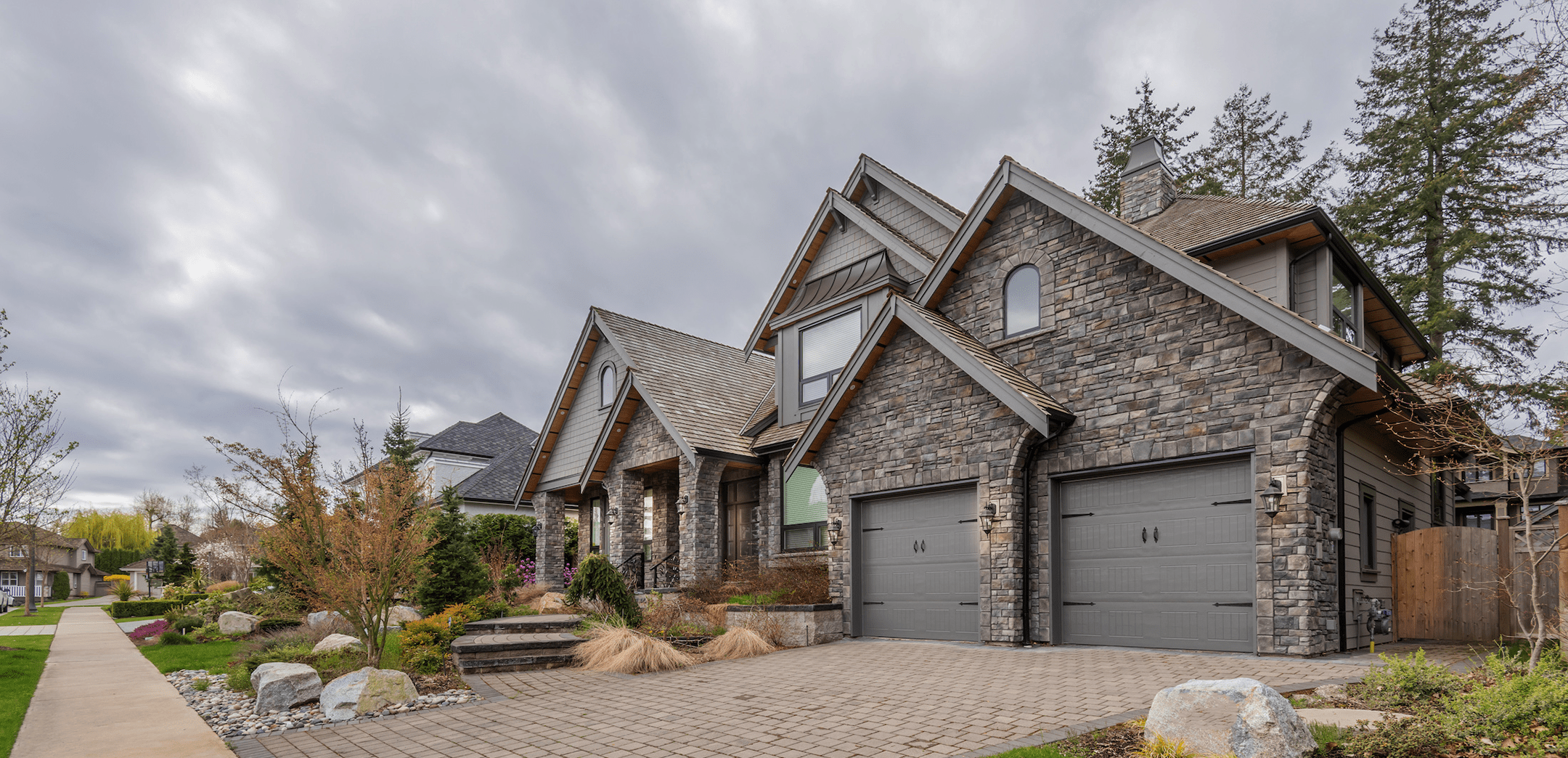
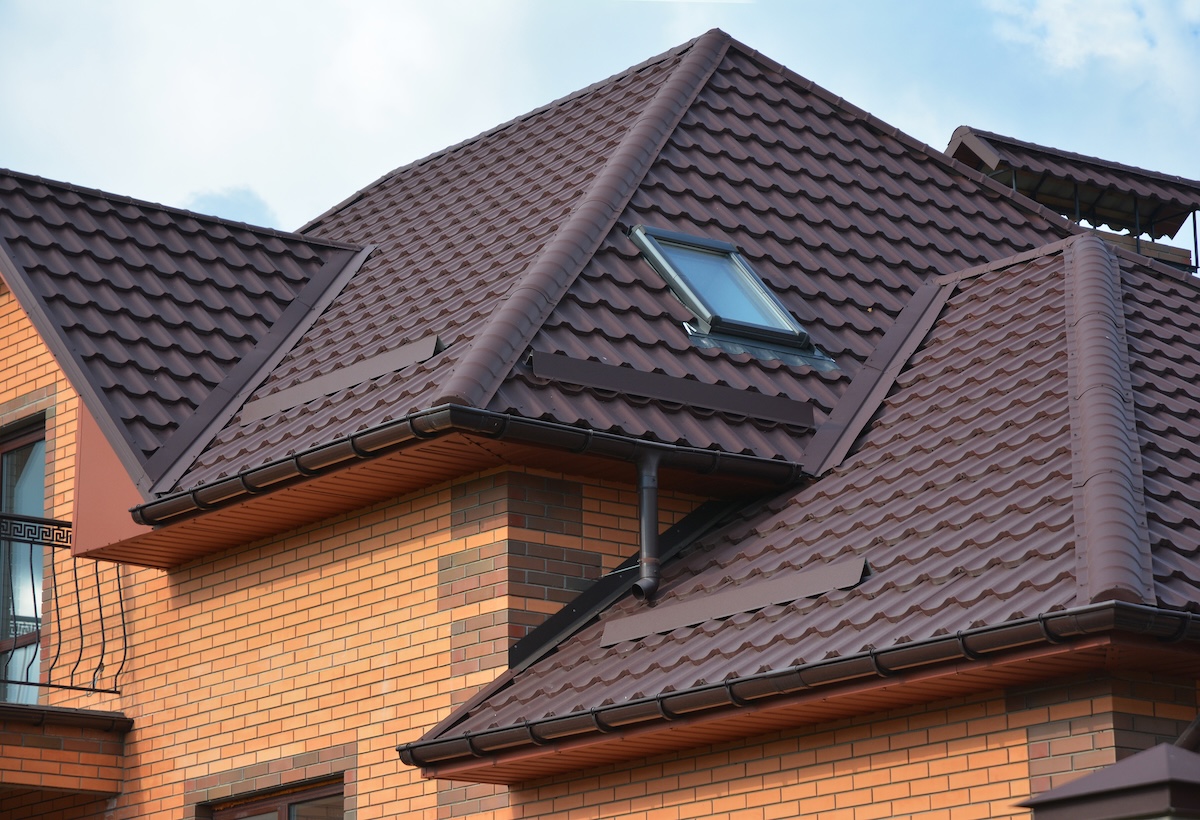
A hip and valley roof combines two common roofing styles—hipped roofs and gabled roofs—into one cohesive structure. The design includes ridges, valleys, and multiple slopes that connect at precise angles, making it one of the most complex and efficient roof types available. If you are curious about how these individual structures compare on their own, looking into a hip roof vs gable roof breakdown will give you a better understanding of their unique structural benefits.
Because of its structure, the roof naturally channels water away from the home. However, its intersecting valleys also make flashing and maintenance especially important to prevent leaks. These roofs are common on larger or more architecturally detailed homes where aesthetics and performance both matter.
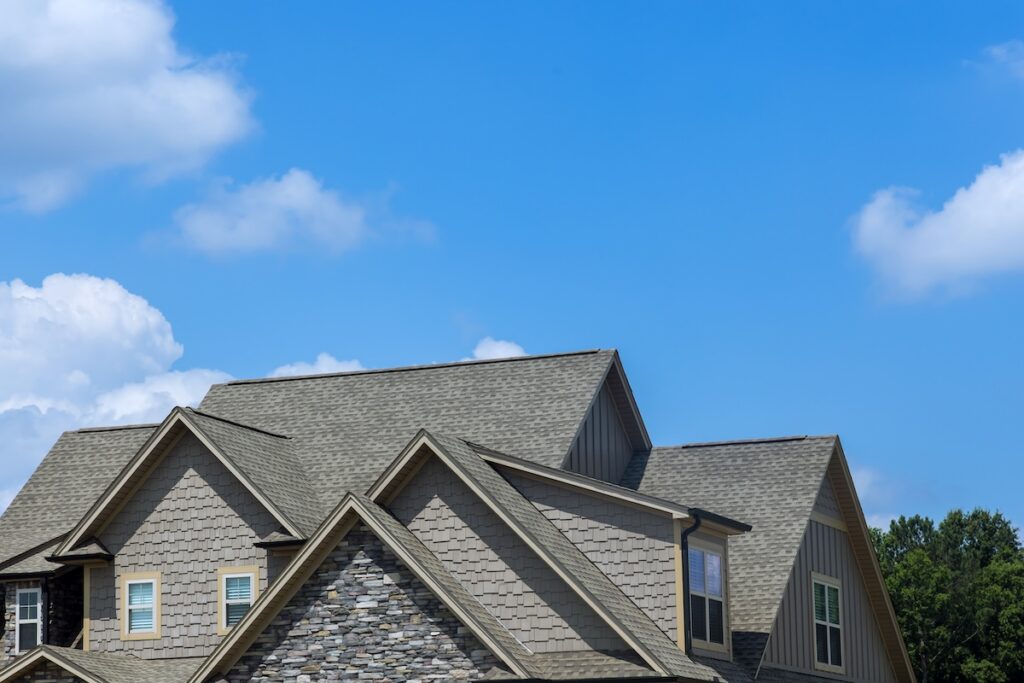
Key Features of a Hip and Valley Roof
Each part of this roof design plays a specific role in protecting the structure and enhancing its appearance. Understanding these components helps explain why it’s such a durable and desirable option.
- Hips: The external seams where two roof planes meet at an angle.
- Valleys: The internal seams where roof planes intersect to form a channel for drainage.
- Ridge: The top horizontal line connecting the highest points of the roof.
- Eaves: The lower edges that extend beyond the walls for additional rain protection.
- Pitch: The slope of the roof, which affects drainage, material choice, and aesthetic style.
These elements work together to create a roof that’s both structurally sound and visually distinctive.
Advantages of Hip and Valley Roofs
Homeowners and commercial property owners alike appreciate hip and valley roofs for their combination of function and design. This roofing type offers more than just good looks, it’s also engineered for performance.
- Superior wind resistance: The sloped design allows strong winds to flow smoothly across the roof.
- Excellent water drainage: Multiple valleys guide rainwater directly to gutters.
- Added attic space: The shape allows for extra interior volume or loft storage.
- Architectural flexibility: Works with a wide range of exterior styles and materials.
- Long lifespan: When installed correctly, these roofs can last decades with minimal repair.
Its complexity requires expert craftsmanship, but the payoff is a roof that performs beautifully and protects reliably.
Common Challenges With Hip and Valley Roofs
While these roofs are durable, their design also makes them more susceptible to certain issues if not properly maintained. The key is to stay proactive with inspections and repairs.
- Valley leaks: Water naturally collects in valleys, which can lead to corrosion or flashing damage.
- Improper flashing: Faulty or worn flashing is a common source of leaks at valley intersections.
- Shingle misalignment: Poor installation can cause gaps or uneven seams that expose underlayment.
- Ice dam formation: Snow and ice can build up in valleys during winter, increasing leak risks.
- Ventilation concerns: The complex shape sometimes limits airflow, trapping heat or moisture in the attic.
A professional inspection at least once a year can help identify and fix these problems before they become major issues.
5 Steps in Hip and Valley Roof Flashing Installation
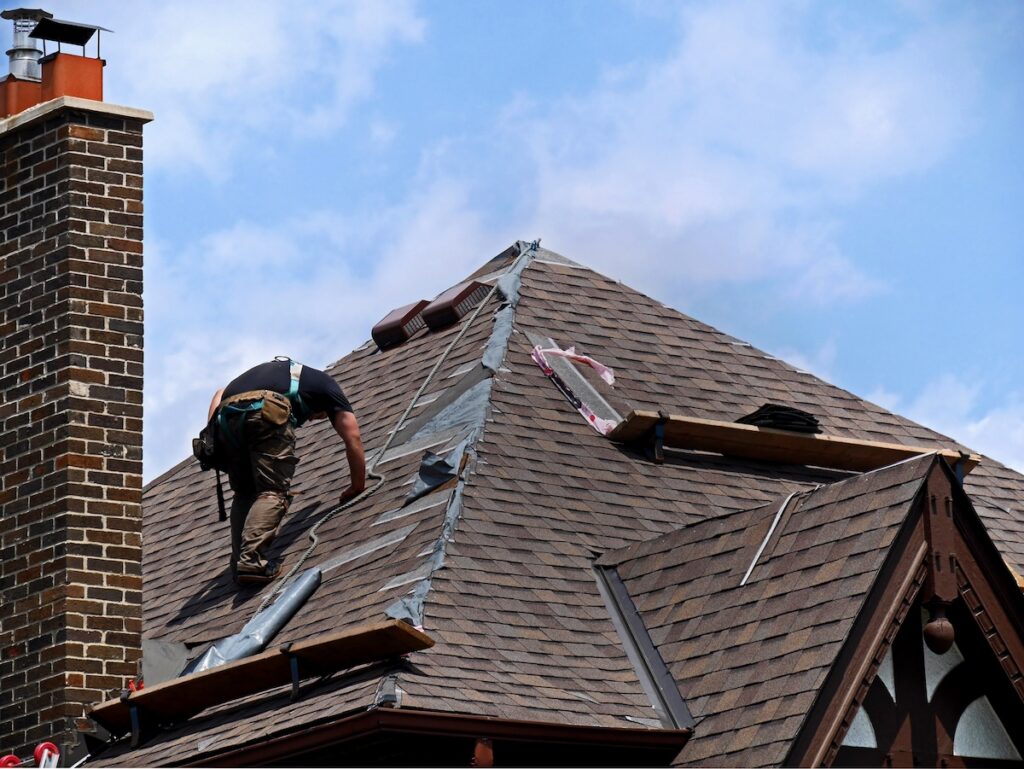
Proper flashing installation is one of the most important steps in building or repairing a hip and valley roof. Flashing provides waterproof protection at the joints where roof planes meet, preventing leaks in the most vulnerable areas.
Before any repair or installation begins, the roofing contractor must evaluate roof structure and pitch to ensure flashing placement is both functional and visually consistent. Correct flashing work not only prevents water damage but also extends the overall roof lifespan.
- Inspection and Preparation
The roofer inspects valleys and seams for damage, removes debris, and checks the underlayment for weak spots. - Measuring and Cutting Flashing
Sheets of aluminum, galvanized steel, or copper are cut to fit the valley dimensions precisely, ensuring overlap where necessary. - Underlayment Installation
A waterproof membrane is applied beneath the flashing to provide an extra layer of leak protection. - Flashing Installation
Flashing is nailed or adhered along the valley and hip lines, ensuring a tight seal without restricting water flow. - Sealing and Final Inspection
All seams are sealed with a high-grade roofing sealant, and the roofer performs a full inspection to confirm alignment and watertightness.
When properly installed, quality flashing keeps a hip and valley roof leak-free even during heavy Ohio rain or melting snow.
Best Roofing Materials for Hip and Valley Roofs
Because of the complex design, the choice of roofing material greatly affects both durability and appearance. The best materials are those that can conform to the roof’s angles while maintaining a secure seal.
- Asphalt shingles: Affordable and easy to shape around ridges and valleys.
- Metal roofing: Long-lasting, weather-resistant, and ideal for water runoff.
- Clay or concrete tiles: Add distinctive curb appeal but require reinforced support.
- Slate: Provides a high-end, timeless look with excellent longevity.
- Composite materials: Offer the beauty of natural materials with lighter weight and lower maintenance.
A roofing contractor familiar with multi-plane systems can help choose the best material for your structure and climate.
Maintenance Tips for Hip and Valley Roofs
Regular care helps prevent issues and ensures your roof lasts as long as possible. Because valleys naturally collect debris, it’s important to keep them clear and well-sealed.
- Clean valleys and gutters: Remove leaves, twigs, and dirt that trap moisture.
- Inspect flashing: Look for corrosion, loose fasteners, or damaged sealant.
- Check after storms: High winds can lift shingles or loosen valley joints.
- Trim nearby trees: Falling branches can damage shingles and clog valleys.
- Schedule annual inspections: Professional maintenance extends roof life and warranty protection.
With just a few seasonal tasks, you can protect your roof and keep it performing at its best for decades.
Why Hip and Valley Roofs Perform Well in Ohio
Ohio’s mix of snow, wind, and heavy rain makes the hip and valley roof a great fit for local weather conditions. The sloped surfaces naturally shed water and snow, reducing the likelihood of leaks or buildup.
This design also offers improved structural integrity against high winds, which are common during seasonal storms in Springboro and surrounding areas. When paired with high-quality flashing and professional installation, it provides long-term reliability and style for any property.
Trust Johnson Restoration for Expert Roof Care
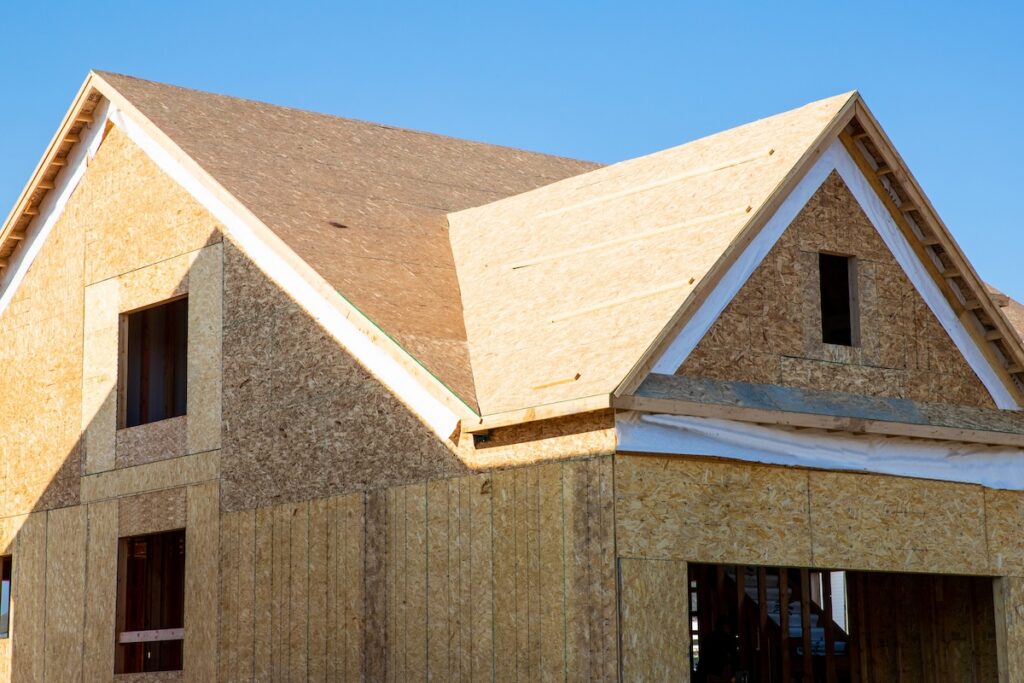
At Johnson Restoration, we understand the importance of protecting your home or business with a roof that looks great and performs even better. Our team helps property owners in Springboro and surrounding areas repair, maintain, and install hip and valley roof systems that stand up to Ohio’s toughest weather.
As a trusted local roofing company, we take pride in our quality craftsmanship and attention to detail. Whether you need flashing repairs, storm damage restoration, or full roof replacement, Johnson Restoration delivers reliable service and the peace of mind you deserve. Contact us today to schedule your inspection or learn more about our complete roofing solutions.