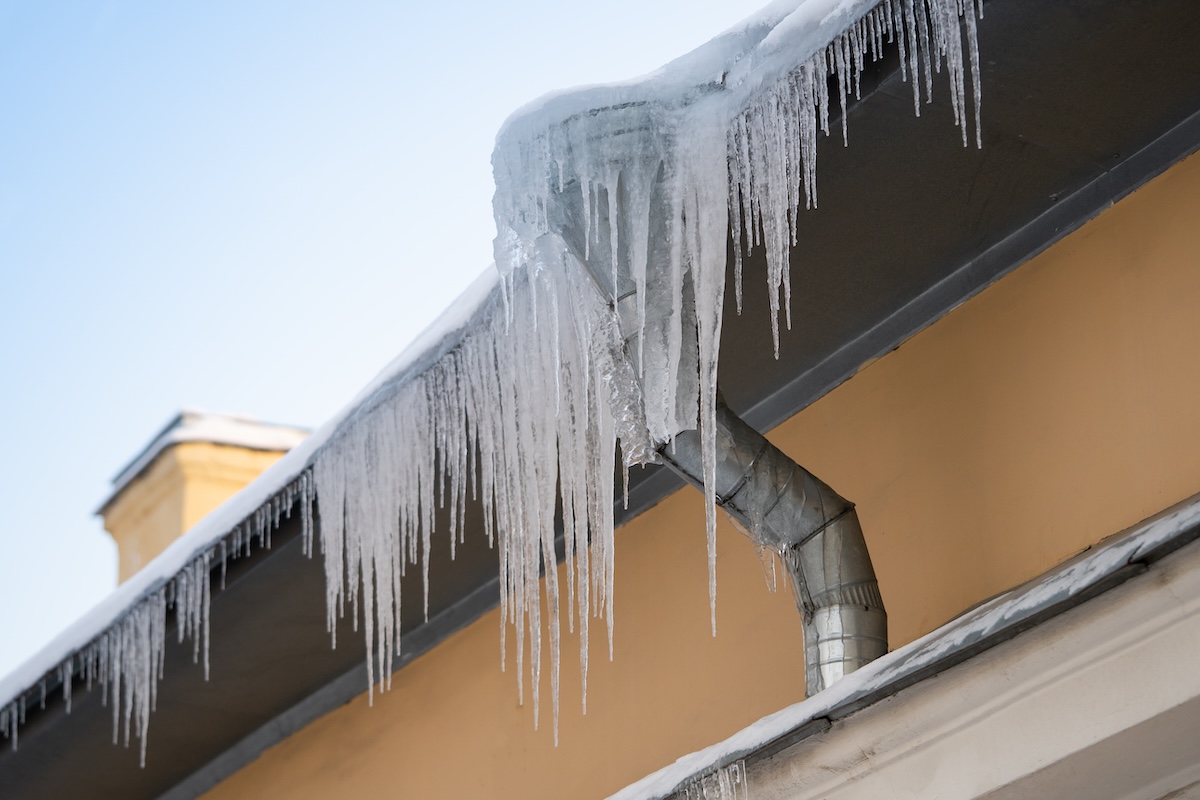

Knowing how to start preventing ice dams on the roof can save homeowners from costly repairs and frustrating winter water damage. Ice dams form when melting snow refreezes along the roof’s edge, creating a barrier that traps additional water behind it. This trapped water can leak under shingles, damage insulation, and cause interior ceiling stains.
- Common cause: Uneven roof temperatures due to poor insulation or ventilation.
- Major risk: Water backup that leads to leaks, mold, and structural issues.
- Best solution: Addressing airflow, insulation, and drainage before winter begins.
Homeowners in Vandalia and surrounding areas face harsh winters that make ice dam prevention a priority. With the right combination of maintenance and preparation, you can protect your roof and preserve your home’s integrity all season long.
What Causes Ice Dams on Roofs
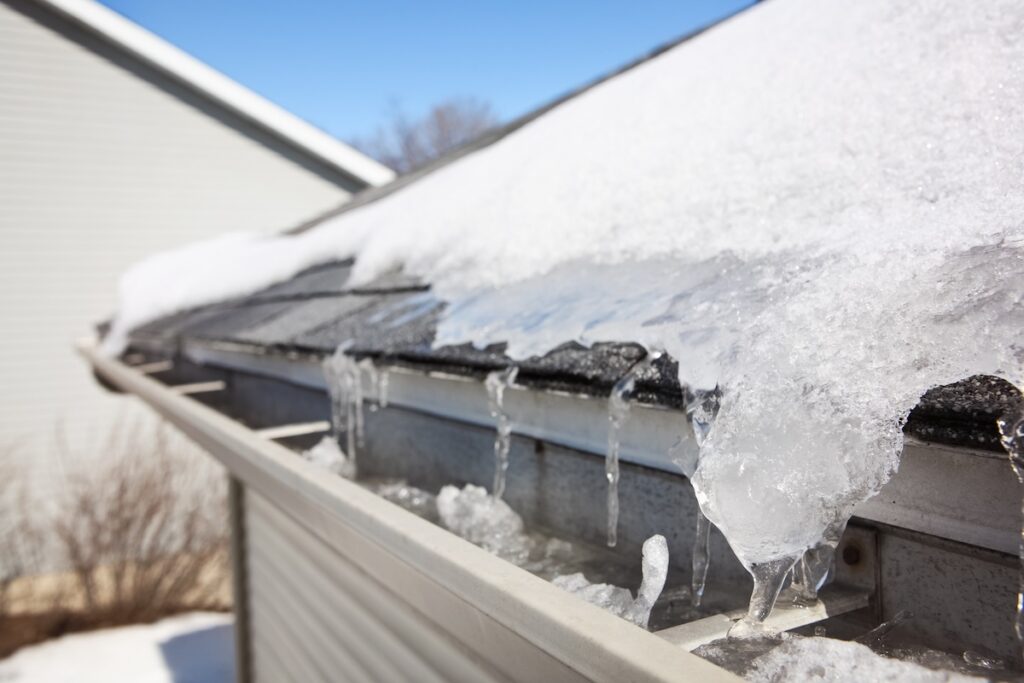
Ice dams form when heat from the attic warms sections of the roof, causing snow to melt unevenly. The water flows down to colder eaves and gutters, where it refreezes. Over time, this frozen layer grows thicker, blocking further drainage and allowing water to back up under the shingles.
This cycle can happen repeatedly throughout winter, especially when daytime temperatures rise above freezing and nights bring cold air back. Homes with inadequate insulation or poor ventilation are particularly prone to this issue, as they allow heat to escape through the roof surface.
Why Ice Dams Are So Damaging
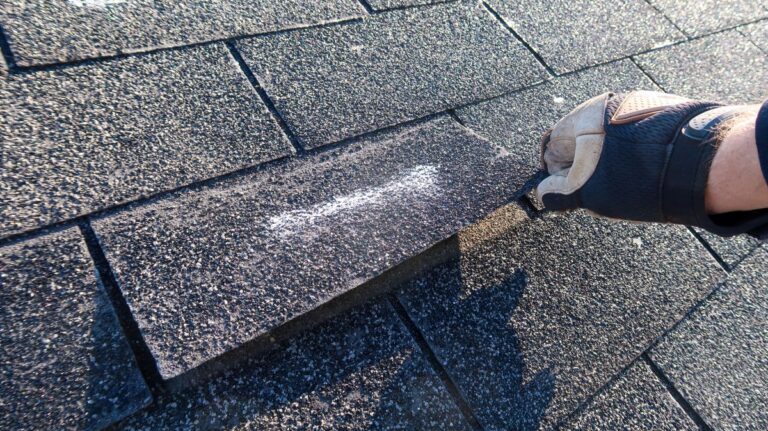
An ice dam may seem like a simple nuisance, but the effects can be severe if left untreated. Water that seeps under roofing materials can lead to wood rot, insulation damage, and even structural decay.
Interior issues like ceiling stains, peeling paint, and mold growth often appear weeks after the ice dam forms. Preventing ice dams early is much easier and less expensive than dealing with the aftermath of water infiltration later. If you are already noticing these interior warning signs, you need to assess the total roof ice damage immediately before the structural wood begins to rot completely.
4 Proven Methods for Preventing Ice Dams on the Roof
Keeping your roof clear and properly insulated is the key to long-term protection. Here are four of the most effective strategies for reducing the risk of ice dam formation during the winter months.
1. Improve Attic Insulation
One of the most reliable ways to prevent ice dams is to upgrade or repair your attic insulation. A well-insulated attic keeps heat inside your living space instead of allowing it to rise into the roof.
- How it helps: Maintains consistent roof temperatures by reducing heat loss.
- Best materials: Fiberglass batts, cellulose, or spray foam insulation depending on attic layout.
- Pro tip: Aim for an insulation rating of R-38 or higher in Ohio’s cold climate.
Proper insulation not only helps control ice dam formation but also lowers heating costs throughout the year.
2. Increase Roof Ventilation
Balanced ventilation allows cold air to circulate through the attic, keeping the underside of the roof cool and preventing snow from melting unevenly. Without this airflow, warm air pockets can develop and contribute to ice buildup.
- Key components: Soffit vents bring in cool air, while ridge vents allow warm air to escape.
- Check airflow: Make sure vents are free from insulation or debris that might block circulation.
- Maintenance note: Clean or repair damaged vents before the winter season begins.
Roof ventilation and insulation work hand in hand—improving both ensures your roof stays protected during extreme weather.
3. Keep Gutters and Downspouts Clear
A clean and functional gutter system is essential for proper drainage. When gutters clog with leaves, ice, or debris, water cannot flow off the roof efficiently, which contributes to ice dam formation at the roof edge.
- Why it matters: Blocked gutters trap melting snow and promote refreezing.
- Maintenance tip: Clean gutters at least twice a year, especially before winter.
- Add protection: Install gutter guards or heat cables for extra prevention.
By keeping gutters free of obstructions, you reduce the likelihood of ice buildup and ensure water flows safely away from your home. If you want to avoid the dangers of climbing a slippery ladder in freezing weather, learning how to clean gutters from the ground using specialized extension wands is a great alternative.
4. Use Roof Heat Cables or Snow Removal Tools
For homes that frequently experience ice dam issues, roof heating cables can provide an additional layer of protection. These electric cables warm specific areas of the roof edge, allowing snow and ice to melt evenly and drain properly.
- Installation advice: Place cables along eaves, gutters, and valleys where dams typically form.
- Alternative method: Use a roof rake to safely remove snow after heavy snowfall.
- Safety warning: Avoid climbing onto icy roofs—always work from the ground when possible.
Combining proactive tools with long-term insulation and ventilation improvements gives the best overall defense against ice dams. Beyond basic heating cables, exploring other specialized ice dam prevention products like heated gutter guards can provide an automated defense system for your roof.
Additional Tips for Long-Term Ice Dam Prevention
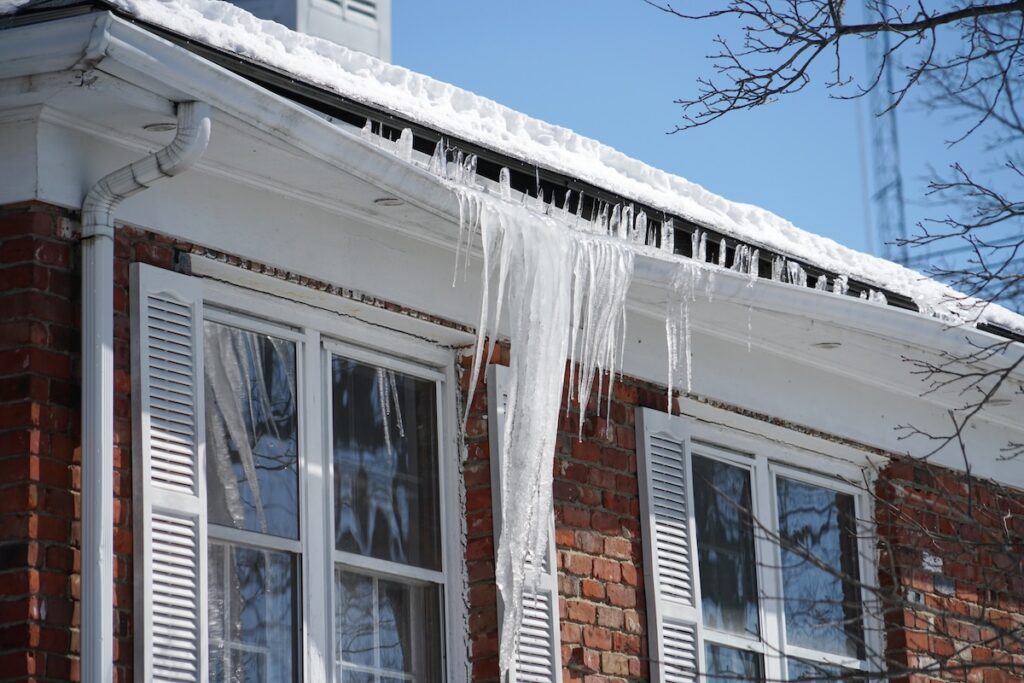
Preventing ice dams isn’t just about reacting during winter—it’s about preparing your home year-round. Consistent maintenance helps your roof stay resilient against temperature changes and heavy precipitation.
- Schedule roof inspections: Have a professional check flashing, shingles, and ventilation annually.
- Seal air leaks: Close gaps around chimneys, vents, and light fixtures that let warm air escape.
- Add insulation barriers: Ensure attic hatch doors or pull-down stairs are insulated and sealed.
- Inspect after storms: Heavy snow or wind can shift insulation or block vents, reducing efficiency.
Homeowners who follow these steps often avoid costly roof repairs and enjoy greater peace of mind through Ohio’s long winters. Focusing heavily on air sealing attic bypasses is one of the most cost-effective ways to stop that warm indoor air from reaching the freezing roof decking.
Why Ice Dams Are Common in Ohio
In regions like Vandalia and surrounding areas, winter conditions create the perfect environment for ice dams. Frequent temperature shifts between freezing and thawing cause snowmelt cycles that strain even well-built roofs.
Because many older homes were constructed before modern insulation standards, heat loss through attics remains a common cause of ice dams in Ohio. Investing in upgrades not only prevents these seasonal issues but also improves year-round comfort and energy savings.

Protect Your Roof With Johnson Restoration
At Johnson Restoration, we specialize in helping homeowners prepare for and prevent winter roofing issues. Our team the proudly serves Vandalia and surrounding areas with expert inspections, roof maintenance, and repairs designed to protect your home from ice damage and water intrusion.
As a trusted local roofing company, we combine quality craftsmanship with a deep understanding of Ohio’s climate challenges. Whether you need insulation advice, ventilation improvements, or post-storm inspections, Johnson Restoration is here to help. Contact us today to schedule your winter roof inspection and ensure your home stays safe, dry, and efficient all season long.