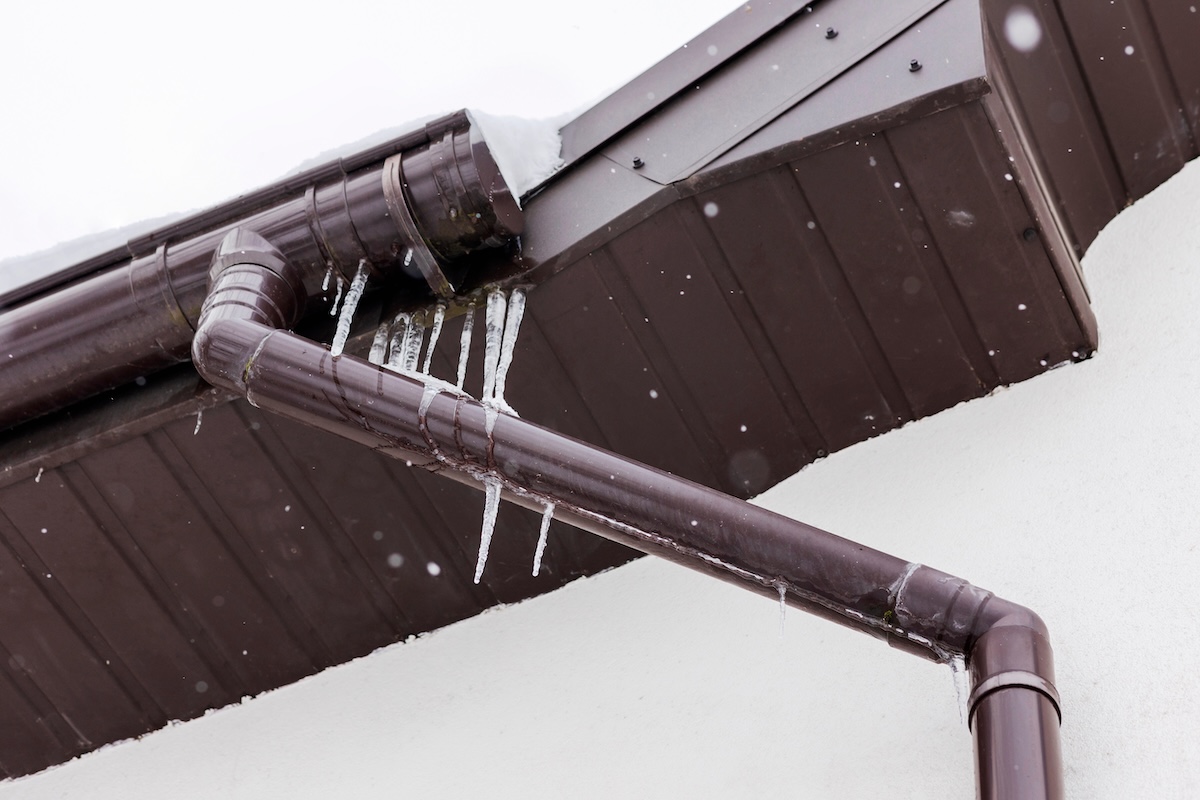

Understanding metal roof ice dam prevention is essential for homeowners who want to protect their property through harsh winter weather. While metal roofs are highly durable and shed snow better than asphalt shingles, they’re not completely immune to ice dam formation. When temperatures fluctuate, melted snow can refreeze along the eaves or valleys, creating blockages that trap water and stress roofing components.
- Core issue: Ice dams form when uneven roof temperatures cause melting and refreezing.
- Primary risk: Water backup under panels or flashing can lead to leaks and corrosion.
- Proactive solution: Prevent ice dams before they form with insulation, airflow, and drainage improvements.
Homeowners in Springboro and surrounding areas experience the kind of freeze-thaw cycles that make prevention especially important. By following a few proven strategies, you can protect your metal roof and ensure it performs at its best all winter long.
How Ice Dams Form on Metal Roofs
Although metal roofing naturally sheds snow more efficiently than other materials, ice dams can still occur under certain conditions. Heat escaping from the attic warms the roof’s surface, melting snow unevenly. As this meltwater reaches the colder roof edges, it refreezes and creates a ridge of ice.
Unlike on shingle roofs, where ice dams often block underlayment layers, on metal roofs the water can back up behind seams or fasteners. If you are currently evaluating a metal roof vs shingles for your next upgrade, it is vital to understand that both materials require proper thermal management to completely avoid these winter backups. If left unchecked, this can lead to drips inside the attic or along walls, even with durable roofing materials in place.
Why Ice Dam Prevention Is Important for Metal Roofs
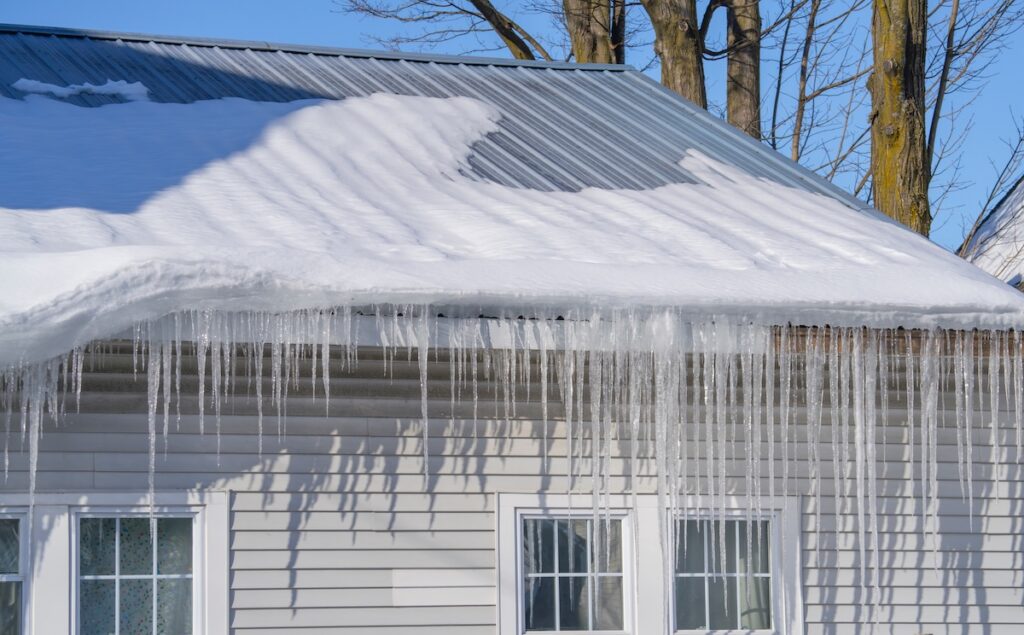
Even small amounts of ice buildup can impact your roof’s drainage system and longevity. Preventing ice dams helps protect flashing, seams, gutters, and insulation from long-term moisture damage.
For metal roofs, the key lies in balance, maintaining consistent temperatures across the surface while ensuring snowmelt can drain freely. Proactive maintenance and proper ventilation make this balance achievable.
5 Best Strategies for Metal Roof Ice Dam Prevention
When it comes to protecting your home, these five strategies are the most reliable for avoiding ice buildup and keeping your metal roof in top shape through the coldest months.
1. Improve Attic Insulation
Proper insulation is your first line of defense against uneven roof temperatures. When warm indoor air rises and escapes into the attic, it melts snow from below and triggers the ice dam process.
- How it helps: Insulation prevents heat loss and keeps the roof deck cold.
- Material options: Fiberglass batts, cellulose, and spray foam insulation all work effectively.
- Pro tip: Ohio homes benefit from R-38 to R-49 insulation for maximum efficiency.
Good insulation keeps your attic cold in winter and cool in summer, saving on energy bills year-round.
2. Seal Attic Air Leaks
Even with excellent insulation, warm air can leak into your attic through cracks and gaps. Air sealing ensures that heated air stays within your living spaces instead of rising into the roof cavity.
- Common leak sources: Recessed lighting, attic hatches, exhaust vents, and chimney openings.
- Fix method: Use spray foam or caulk to seal small gaps and add weatherstripping to attic doors.
- Long-term benefit: Reduces both ice dam risk and energy waste throughout your home.
Together, air sealing and insulation form the foundation of a reliable prevention system. Prioritizing air sealing attic bypasses around your lighting and plumbing vents will permanently shut off the steady flow of warm air that fuels uneven snowmelt.
3. Maintain Proper Roof Ventilation
Ventilation keeps air moving through your attic, regulating temperature and humidity levels. Without proper airflow, warm air accumulates and melts roof snow unevenly.
- Key components: Soffit vents pull in cool air while ridge vents let hot air escape.
- Check regularly: Ensure vents aren’t blocked by insulation or debris.
- Result: Balanced attic temperatures minimize snowmelt and prevent refreezing at roof edges.
Maintaining optimal attic ventilation acts as the final thermal regulator, ensuring any stray heat is quickly flushed out before it can warm the exterior metal decking. Proper ventilation is one of the most cost-effective and sustainable methods for keeping metal roofs ice-free.
4. Clear Snow Before It Refreezes
Snow accumulation can trap heat and moisture against your roof. Using the right tools to remove it safely after a storm prevents refreezing and reduces ice dam formation.
- Best practice: Use a roof rake with a telescoping handle from the ground.
- Avoid: Sharp metal tools or walking on the roof, which can damage panels and finishes.
- Alternative: Hire professionals for large or steep roofs to ensure safe snow management.
Clearing snow early keeps water from settling near seams or gutters where refreezing is most likely.
5. Install Ice and Water Protection Systems
For long-term defense, consider installing heat cables or underlayment membranes designed for ice control. These systems help prevent the buildup of frozen barriers along vulnerable roof edges.
- Heat cables: Electric cables melt ice along eaves, valleys, and gutters.
- Underlayment membranes: Self-adhering waterproof layers prevent leaks if ice forms.
- Added protection: Combine these systems with routine maintenance for the best results.
These upgrades provide peace of mind during Ohio’s unpredictable winter weather patterns.
Additional Tips for Maintaining a Metal Roof in Winter
Keeping your metal roof performing at its best requires seasonal attention and awareness.
- Clean gutters: Remove leaves and debris to prevent ice buildup at the edges.
- Inspect flashing: Ensure all seams and joints are sealed properly before snow arrives.
- Check attic moisture: Use a hygrometer to monitor humidity and prevent condensation.
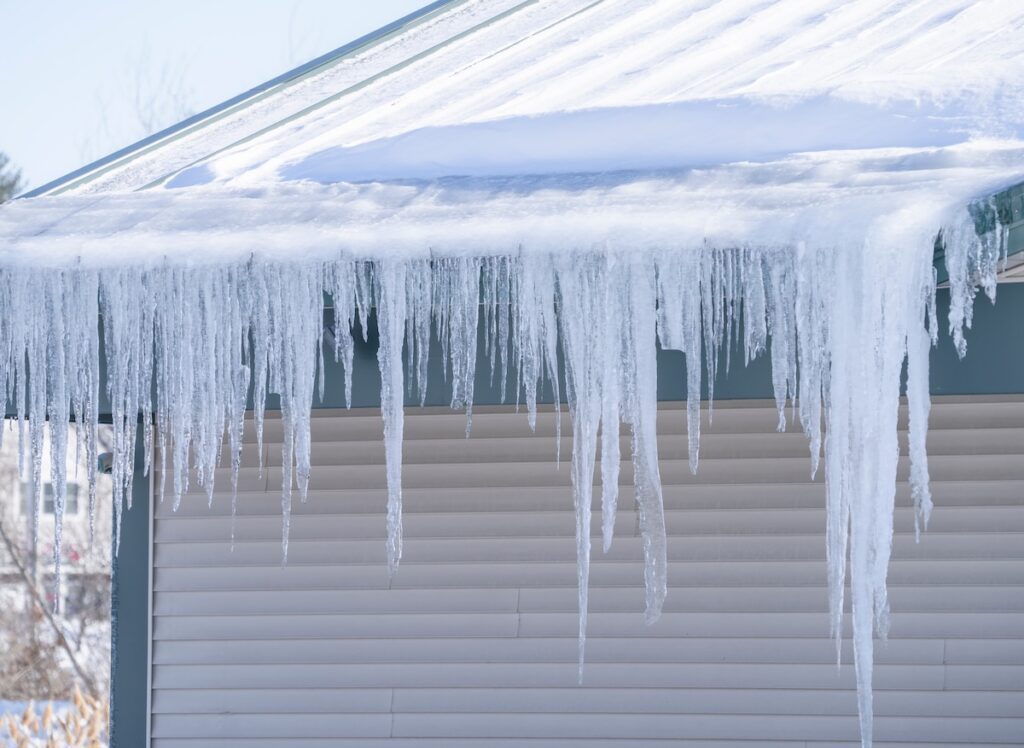
- Watch for icicles: Persistent icicles indicate heat loss and potential ventilation issues.
A little maintenance goes a long way toward preserving both roof performance and appearance.
Why Metal Roofs Perform Well in Winter
Metal roofing offers a natural advantage when it comes to winter protection. The smooth, reflective surface allows snow to slide off easily, reducing the likelihood of excessive buildup. Additionally, metal panels are highly resistant to water penetration, corrosion, and freeze-thaw damage.
Still, even the best roofs need balanced temperature control and clear drainage systems to perform optimally through severe weather. Preventative steps like insulation and ventilation improvements can make your roof nearly impervious to ice-related damage.
The Importance of Professional Maintenance
While homeowners can handle basic upkeep, professional inspections ensure your metal roof continues performing as designed. Roofing experts check for seam separation, flashing wear, and potential ventilation blockages—issues that can contribute to ice dam formation. Catching this seam separation early allows technicians to perform a targeted metal roof leak repair before expanding ice pushes the metal panels completely apart.
Partnering with a qualified roofing contractor helps you address minor problems before they grow into costly repairs. For business owners and homeowners alike, seasonal maintenance protects your investment and extends your roof’s life expectancy.
Protect Your Home With Johnson Restoration
At Johnson Restoration, we help homeowners in Springboro and surrounding areas keep their roofs strong and leak-free all winter long. Our experienced team of roofers provides comprehensive maintenance and inspection services to ensure your roof’s insulation, ventilation, and drainage systems work together effectively.
As a trusted local roofing company, we understand the unique challenges of Ohio winters. Whether you need guidance on metal roof ice dam prevention or professional help after a major storm, we deliver quality craftsmanship and reliable service you can count on. Contact Johnson Restoration today to prepare your roof for the season and enjoy lasting peace of mind through every snowfall.