
Understanding solar shingle installation is the first step for homeowners considering a more energy-efficient and modern roofing solution. Solar shingles combine the function of traditional roofing materials with integrated solar technology, allowing your roof to generate electricity while protecting your home. For property owners in Oakwood and surrounding areas, this innovative option offers a blend of sustainability, curb appeal, and long-term energy savings.
- Dual purpose: Acts as both a roof covering and a solar energy system.
- Modern appearance: Blends seamlessly with standard shingles.
- Energy efficiency: Reduces reliance on traditional utility power.
Before moving forward, it’s important to understand the structural, electrical, and roofing requirements involved in installing solar shingles.
What Are Solar Shingles?
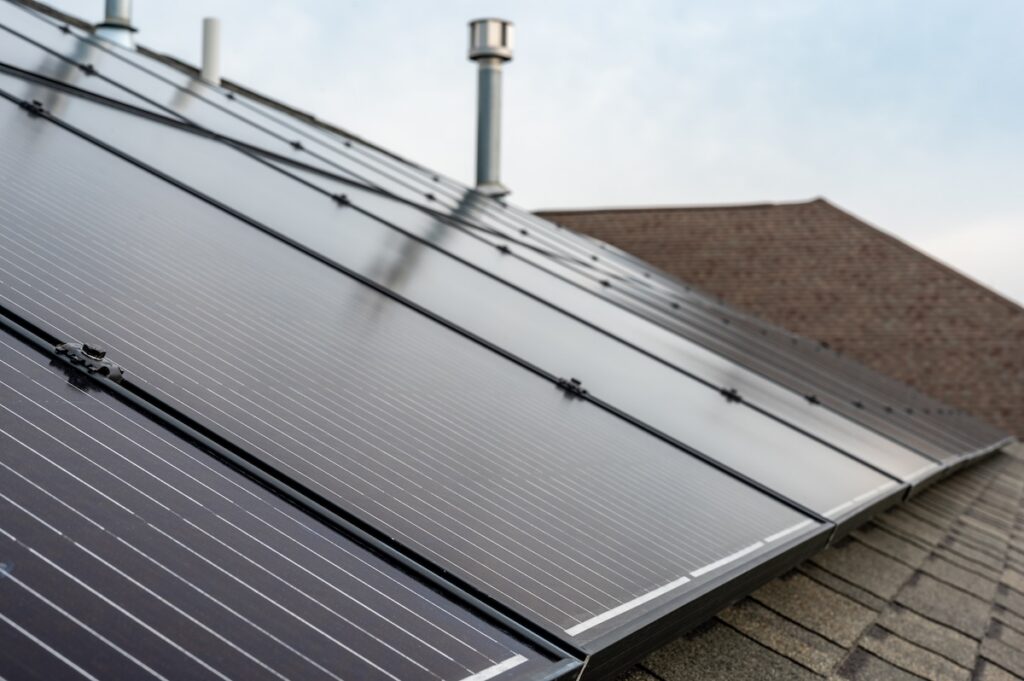
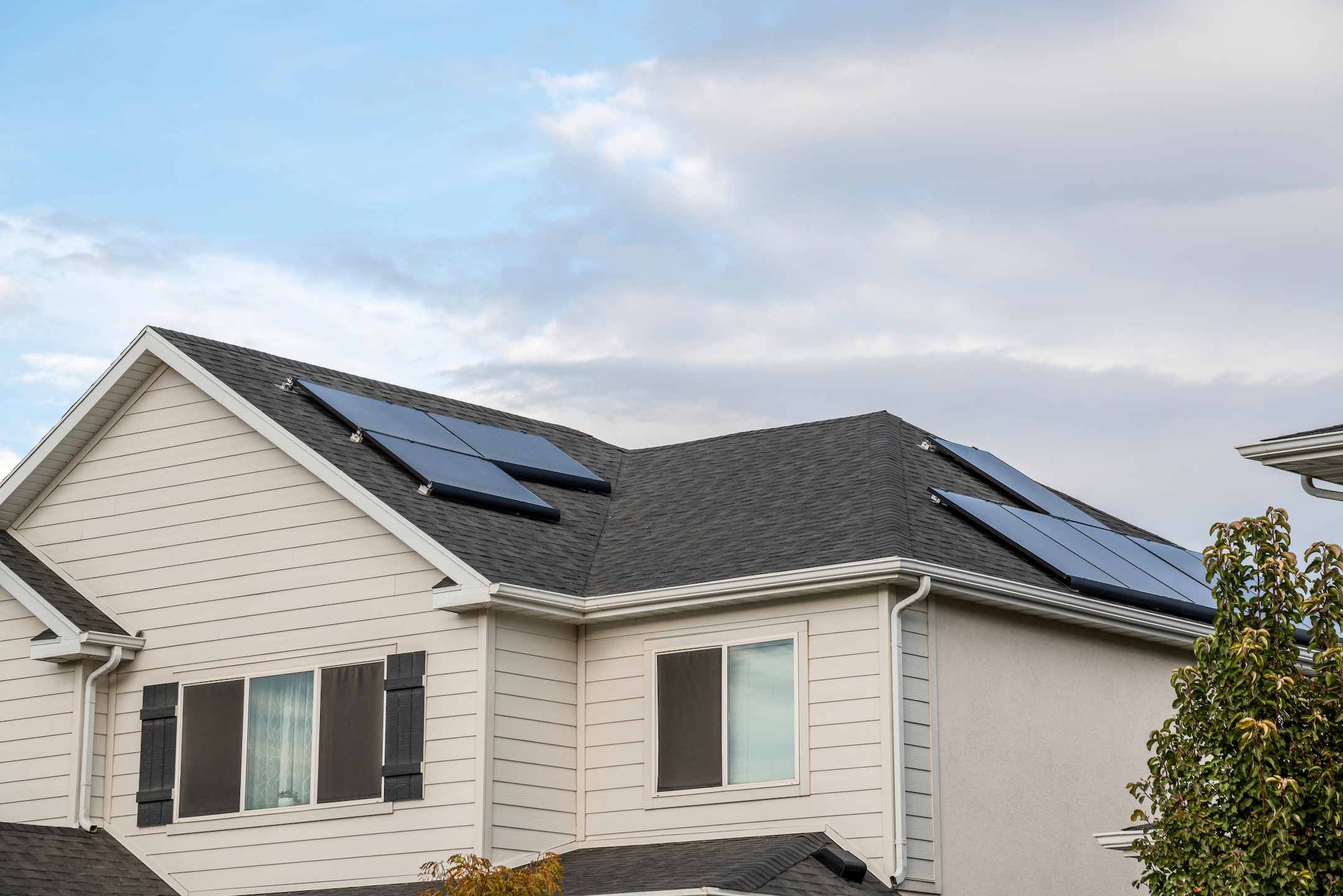
Solar shingles are photovoltaic roofing materials designed to look similar to traditional asphalt shingles. Instead of mounting large solar panels on top of the roof, these shingles integrate directly into the roofing system.
Each shingle contains solar cells that convert sunlight into electricity. The system connects to your home’s electrical panel, often working alongside an inverter and sometimes a battery storage system. This streamlined design makes solar shingles an appealing option for homeowners who want renewable energy without the bulk of traditional panels.
How Solar Shingles Differ From Solar Panels
While both systems generate electricity, solar shingles replace a portion of your roof surface, whereas solar panels are mounted on top of an existing roof. Solar shingles offer a more uniform look and are often preferred in neighborhoods where aesthetics are important.
However, they require full or partial roof replacement during installation. This makes them best suited for homeowners already planning a new roof or major renovation.
6 Key Requirements for Solar Shingle Installation
Before installing solar shingles, several important factors must be evaluated to ensure compatibility and performance. These six requirements help determine whether your home is a good candidate.
1. Roof Condition and Age
Solar shingles are typically installed during a full roof replacement. If your roof is nearing the end of its lifespan, this is an ideal time to consider upgrading.
- Strong decking: The roof structure must be solid and free from rot.
- Replacement timing: Installing on a new roof prevents future removal costs.
A thorough roof inspection is essential before beginning installation.
2. Roof Pitch and Orientation
The angle and direction of your roof significantly impact energy production. South-facing slopes receive the most sunlight in Ohio, making them ideal for solar integration.
- Optimal pitch: Slopes between 30 and 45 degrees maximize efficiency.
- Minimal shading: Trees, chimneys, and nearby buildings should not block sunlight.
A professional evaluation helps determine the best placement for maximum output.
3. Structural Support
Although solar shingles are lighter than traditional solar panels, your roof must still support the added system components. Rafters and trusses should be inspected to confirm they meet structural standards.
- Load assessment: Contractors verify framing strength before installation.
- Reinforcement if needed: Minor upgrades may be required for older homes.
Ensuring proper support protects both safety and system longevity.
4. Electrical System Compatibility
Solar shingle systems connect directly to your home’s electrical panel. Your existing wiring must be capable of handling the added power generation.
- Panel capacity: An upgraded breaker panel may be required.
- Inverter placement: The inverter converts DC power into usable AC electricity.
Licensed electricians handle all electrical connections to meet local building codes.
5. Local Permits and Regulations
Installing solar shingles requires compliance with building codes, electrical standards, and utility regulations. Municipal permits and inspections ensure the system is safe and properly integrated.
- Permit approval: Required before installation begins.
- Utility coordination: Grid-tied systems must meet interconnection standards.
Homeowners in Oakwood and surrounding areas should work with contractors familiar with local requirements.
6. Budget and Incentives
Solar shingles represent a larger upfront investment than traditional roofing materials. However, tax credits and utility incentives may offset some of the cost.
- Federal incentives: Check for available renewable energy tax credits.
- Long-term savings: Reduced energy bills improve return on investment.
Evaluating both short-term and long-term costs helps homeowners make informed decisions.
Benefits of Solar Shingles
Once installed, solar shingles offer multiple advantages beyond energy production.
- Clean energy: Reduces carbon footprint and reliance on fossil fuels.
- Aesthetic appeal: Maintains a sleek, low-profile roof design.
- Weather protection: Functions as durable roofing material.
- Property value: Energy-efficient homes often attract higher resale interest.
- Energy independence: Provides partial protection from rising utility rates.
For homeowners focused on sustainability, solar shingles represent a forward-thinking roofing solution.
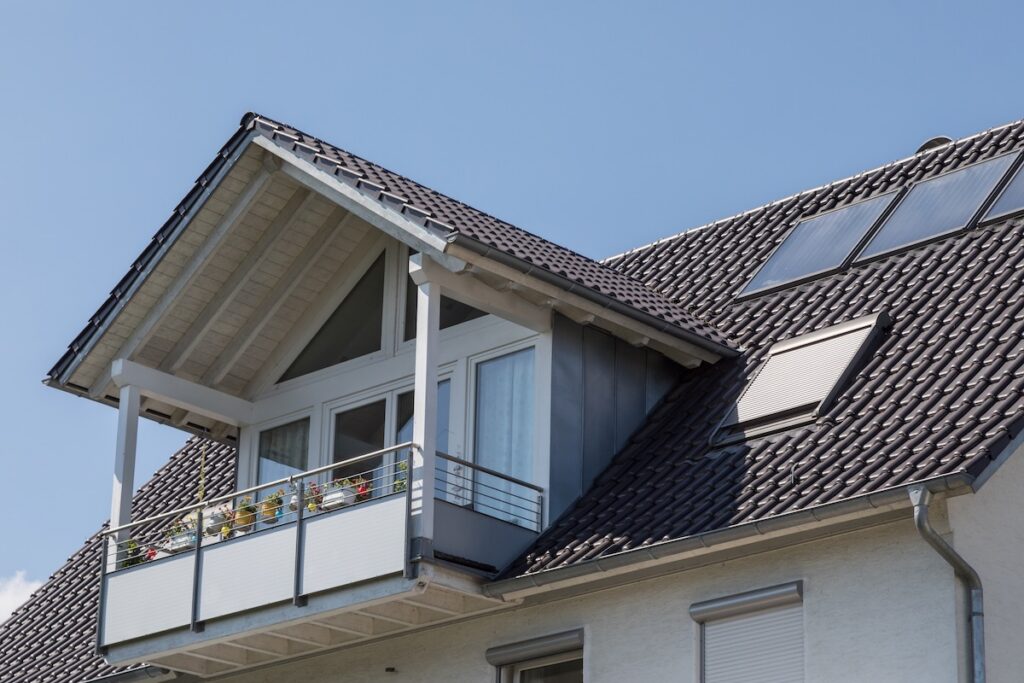
Potential Challenges to Consider
While solar shingles provide many benefits, there are considerations to keep in mind before committing to installation.
- Higher initial cost: Upfront expenses exceed traditional roofing.
- Installation complexity: Requires coordination between roofing and electrical professionals.
- Limited coverage areas: Not all roof sections may qualify for solar placement.
- Weather dependency: Energy output varies based on sunlight availability.
- Long-term planning: Best installed during a complete roof replacement.
Understanding these factors ensures realistic expectations and successful results.
Maintenance and Longevity
Solar shingles are designed to withstand the same weather conditions as traditional roofing materials. Regular inspections ensure connections remain secure and debris does not obstruct sunlight.
- Routine roof checks: Inspect after storms for damage.
- Keep surfaces clean: Remove leaves or debris that block sunlight.
- Monitor system output: Track energy production to detect performance issues.
With proper care, solar shingles can provide decades of reliable energy production.
Why Professional Installation Is Essential
Solar shingle systems combine roofing expertise with electrical precision. Improper installation can compromise waterproofing or electrical safety.
Working with experienced roofing professionals ensures that both structural integrity and energy performance are maintained. Proper installation also protects manufacturer warranties and ensures compliance with local regulations.
Is Solar Shingle Installation Right for You?
Solar shingles are ideal for homeowners planning a roof replacement who also want to invest in renewable energy. Evaluating roof orientation, structural readiness, and budget will help determine suitability.
Homes in Oakwood and surrounding areas with minimal shading and adequate roof pitch often perform best with this technology. Consulting a qualified roofing contractor ensures accurate assessment and guidance.
Partner With Johnson Restoration for Expert Roofing Guidance
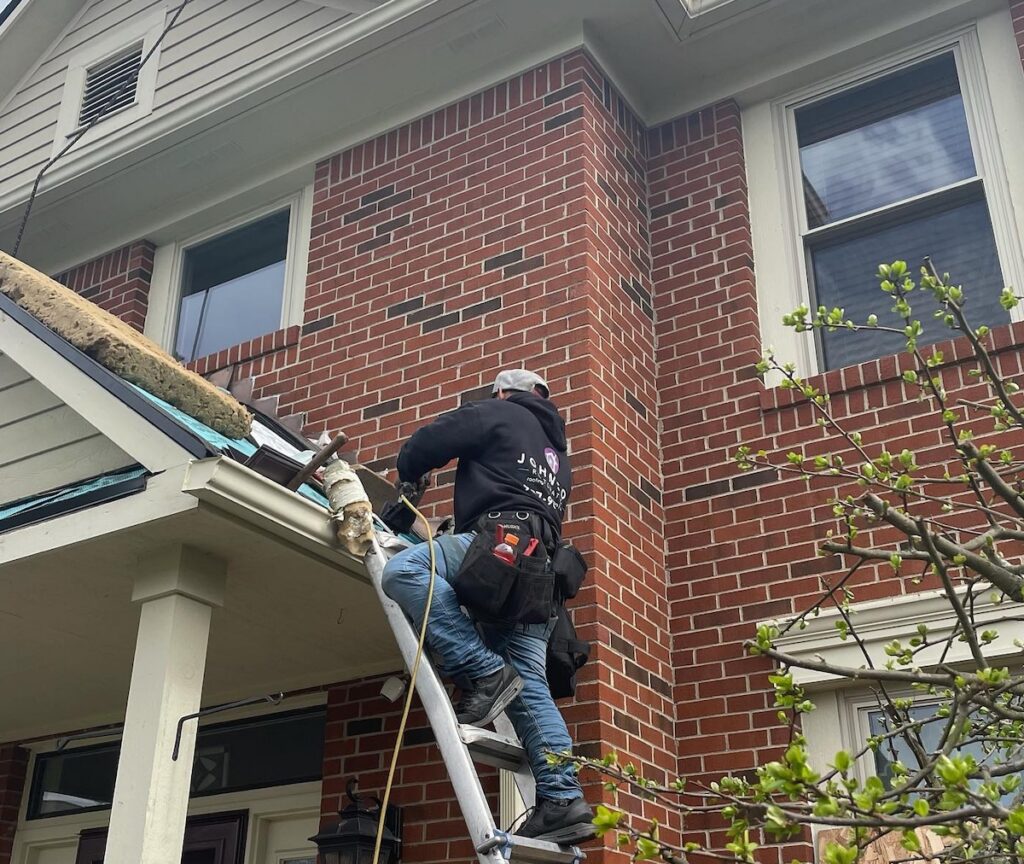
At Johnson Restoration, we help homeowners in Oakwood and surrounding areas explore innovative roofing solutions that match their goals and budgets. Whether you’re planning a traditional roof replacement or considering energy-efficient upgrades, our team provides thorough inspections and honest recommendations.
As a trusted local roofing company, we focus on quality craftsmanship in Oakwood, durable materials, and long-term performance. If you’re interested in solar shingle installation or want to evaluate your roof’s readiness for modern upgrades, contact Johnson Restoration today. We’re here to help you make informed decisions that protect your home and support your future energy needs.