
Understanding gaf solar shingles cost is one of the first steps homeowners take when considering Timberline Solar as a roofing upgrade. GAF’s Timberline Solar system combines traditional roofing materials with integrated solar technology, offering both weather protection and renewable energy production in one product. For homeowners in Centerville and surrounding areas, this option provides a sleek alternative to bulky solar panels while delivering long-term energy savings.
- Integrated design: Functions as both a roof and a solar energy system.
- Modern appearance: Blends seamlessly with architectural shingles.
- Long-term value: Offers potential utility savings and increased home appeal.
Before deciding whether Timberline Solar is worth the investment, it’s important to break down costs, performance, and long-term benefits.
What Are GAF Timberline Solar Shingles?
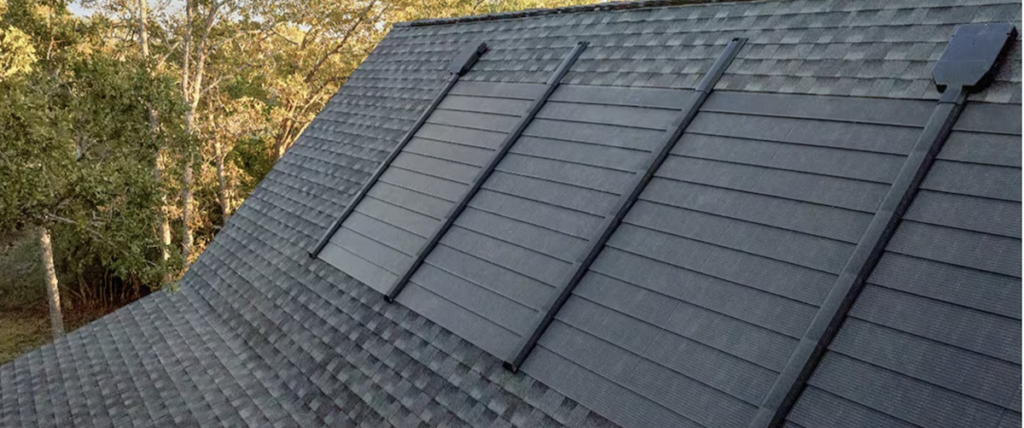
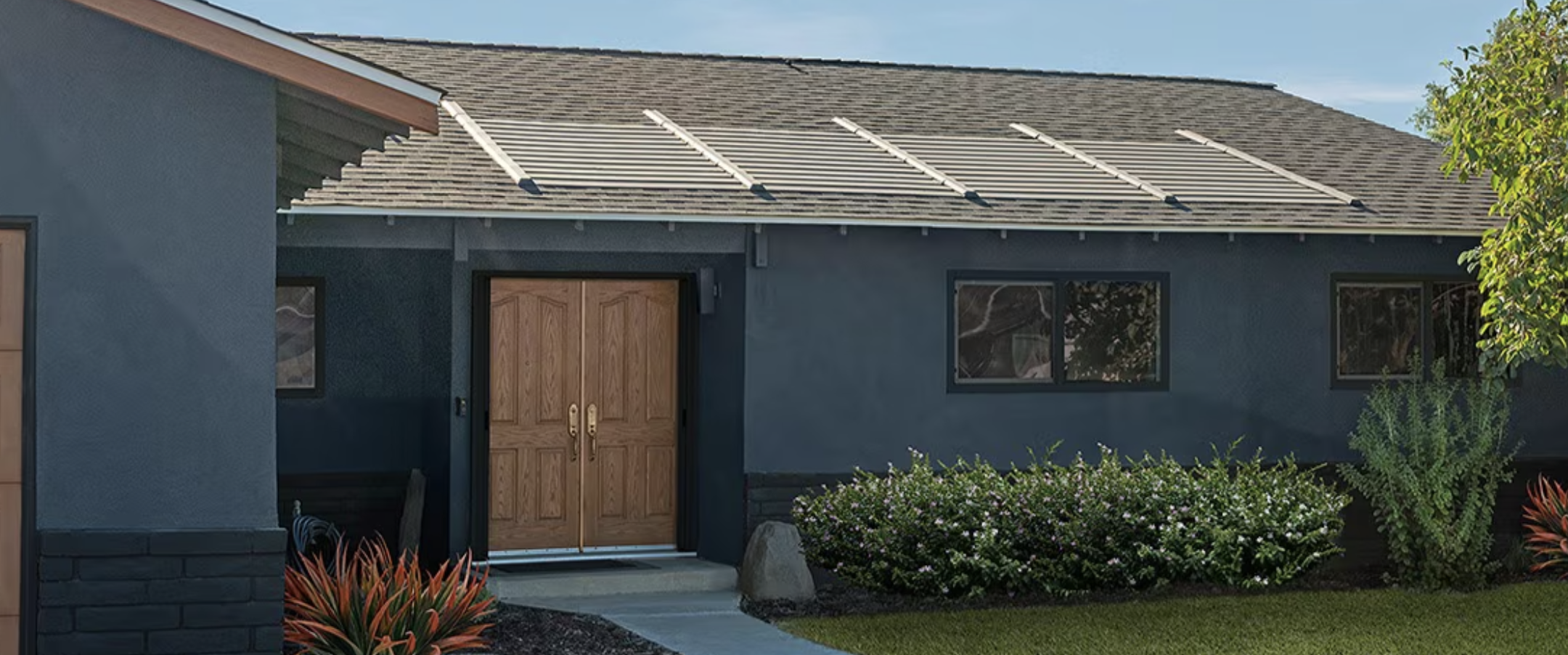
Timberline Solar shingles are part of a roofing system developed by GAF, one of the largest roofing manufacturers in North America. Unlike traditional solar panels that are mounted on top of existing shingles, these shingles integrate photovoltaic cells directly into the roofing material.
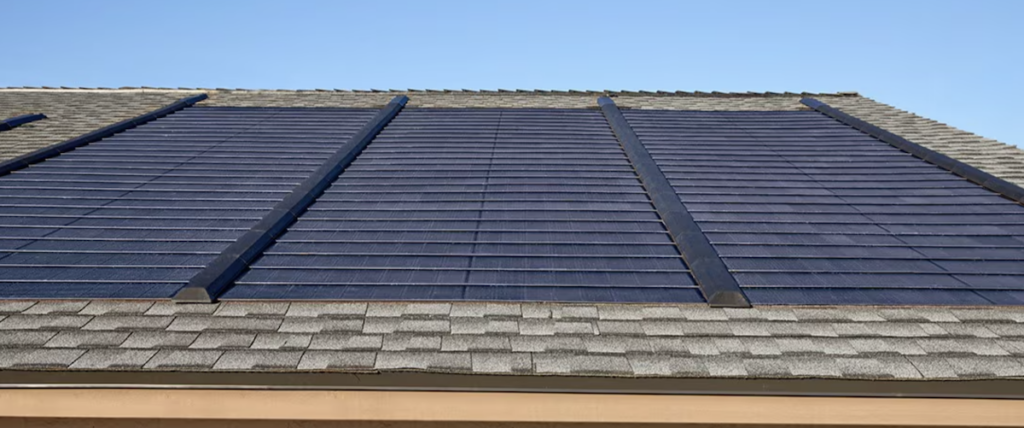
Each solar shingle works alongside standard roofing shingles to create a unified appearance. The system connects to an inverter that converts solar energy into usable electricity for your home. This streamlined design eliminates the need for racking systems and creates a lower-profile look.
What Influences GAF Solar Shingles Cost?
The cost of Timberline Solar varies depending on several factors, including roof size, structural condition, electrical upgrades, and labor. While pricing differs by location and home layout, it is typically higher than a traditional roof replacement alone due to the integrated solar technology.
Homeowners should consider both the upfront investment and the long-term savings. Evaluating roof complexity, energy needs, and potential incentives will provide a clearer picture of overall value.
7 Key Factors That Affect Timberline Solar Pricing
Understanding what drives pricing helps homeowners determine whether Timberline Solar aligns with their budget and energy goals. Several structural, electrical, and regulatory components influence the final investment.
1. Roof Size and Layout
The larger the roof, the more materials and labor are required. Complex roof shapes with multiple valleys or dormers can also increase installation time.
- Surface area: More square footage equals higher material costs.
- Roof complexity: Intricate designs may require additional labor.
A professional roof assessment ensures accurate measurements before pricing.
2. Energy Production Goals
The number of solar shingles installed depends on how much electricity you want to generate. Some homeowners aim to offset a portion of their energy use, while others target near-total coverage.
- Partial coverage: Lower upfront cost with moderate energy savings.
- Expanded system: Higher production but increased investment.
Your utility bills and consumption patterns help determine system size.
3. Roof Condition and Structural Requirements
Timberline Solar is typically installed during a full roof replacement. If your roof deck or framing needs repairs, that will affect overall cost.
- Deck inspection: Damaged sheathing must be replaced before installation.
- Structural reinforcement: Older homes may require minor upgrades.
Ensuring structural integrity protects the longevity of your solar roofing system.
4. Electrical Upgrades
Solar shingles connect directly to your home’s electrical panel. In some cases, breaker panels or wiring may need upgrading to support the new system.
- Panel capacity: Modern panels handle solar integration more easily.
- Inverter system: Proper placement and installation affect total cost.
Licensed electricians handle these components to meet code requirements.
5. Permits and Inspections
Local building codes require permits and inspections for solar installations. Fees and approval timelines can vary by municipality.
- Permit applications: Required before installation begins.
- Utility coordination: Grid interconnection approval may be necessary.
Working with an experienced contractor simplifies the process.
6. Available Incentives and Tax Credits
Federal tax credits and local incentives can significantly reduce the net cost of solar installation. Incentives change periodically, so it’s important to verify current eligibility.
- Federal tax credit: May offset a percentage of installation costs.
- Utility programs: Some providers offer rebates or net metering benefits.
Factoring in incentives often makes the investment more attractive.
7. Battery Storage and Monitoring Options
Some homeowners choose to add battery storage or advanced monitoring systems to their Timberline Solar installation. These upgrades increase overall cost but provide additional benefits such as backup power and real-time energy tracking.
- Battery backup: Stores excess energy for outages or nighttime use.
- Monitoring systems: Tracks performance and energy production data.
While optional, these features can improve long-term energy independence and overall system value.
Comparing Solar Shingles to Traditional Solar Panels
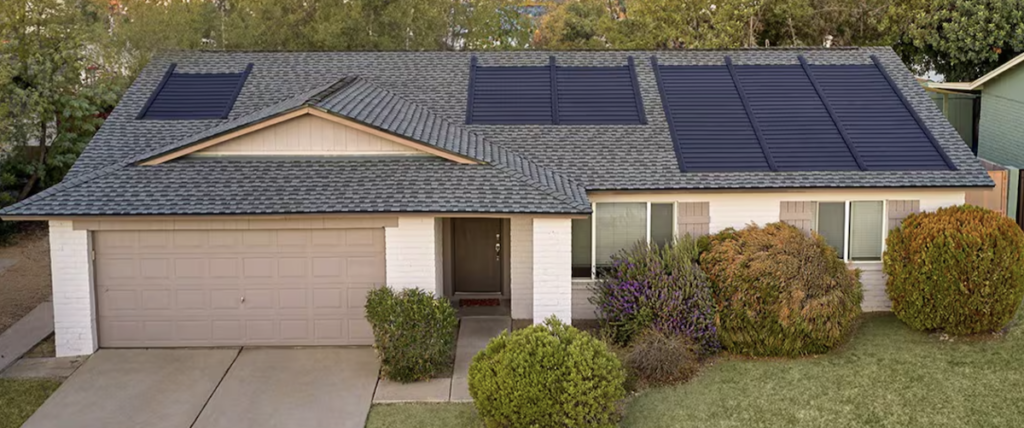
Homeowners frequently compare Timberline Solar to conventional rooftop panels. While both generate renewable energy, the aesthetic and structural differences are significant.
- Appearance: Solar shingles blend into the roof, while panels sit above it.
- Installation timing: Shingles are best installed during roof replacement.
- Weight and profile: Solar shingles offer a lower-profile design.
- Energy output: Panels may produce slightly more energy per square foot.
- Curb appeal: Integrated shingles often maintain neighborhood aesthetics.
The choice often comes down to visual preference, roof condition, and long-term plans.
Long-Term Value and Return on Investment
Although the initial cost of GAF solar shingles may be higher than standard roofing materials, long-term savings can offset much of the expense. Reduced energy bills, tax incentives, and increased home value all contribute to overall return on investment.
Solar shingles also eliminate the need for a separate roof and solar panel installation, streamlining both labor and appearance. For homeowners planning to stay in their home long-term, the cumulative energy savings can make Timberline Solar a worthwhile option.
Maintenance and Durability
Timberline Solar shingles are designed to withstand the same weather conditions as traditional architectural shingles. They are tested for wind resistance, impact resistance, and water protection.
Routine roof inspections remain important, especially after severe storms. Monitoring system performance ensures energy production remains consistent and efficient over time.
Is Timberline Solar Worth It in Ohio?
Ohio homeowners, particularly those in Centerville and surrounding areas, can benefit from solar technology despite seasonal weather changes. While winter months may reduce production slightly, spring and summer sunlight typically provide strong output.
Homes with south-facing roof slopes and minimal shading often see the greatest efficiency. Evaluating your roof’s orientation and energy usage helps determine whether the investment aligns with your goals.
Protect Your Investment With Johnson Restoration
At Johnson Restoration, we help homeowners in Centerville and surrounding areas evaluate roofing upgrades that combine durability and innovation. Whether you’re exploring Timberline Solar or planning a traditional roof replacement, our team provides thorough inspections and honest recommendations tailored to your needs.
As a trusted local roofing company in Centerville, we focus on quality craftsmanship, reliable installation, and long-term roof performance. If you’re considering solar shingles and want expert guidance on cost, requirements, and suitability, contact Johnson Restoration today. We’re here to help you make informed decisions that protect your home and maximize its value for years to come.