When you manage multi family properties, the roof protects far more than one household. It shelters dozens of residents, their belongings, and a major investment. Apartment complex roofing comes with its own set of challenges, from large low-slope sections to tenant schedules and long-term budgets. For property managers in Springboro and surrounding areas, understanding these factors makes it much easier to keep every building on your property dry and well protected while avoiding costly surprises.
Here is a quick look at what this guide covers:
- Why roofing decisions carry extra weight on multifamily properties
- Six key facts every property manager should know
- How to build a practical roof maintenance plan
- How common multifamily roofing materials compare
Why Roofing Carries Higher Stakes on Multifamily Properties
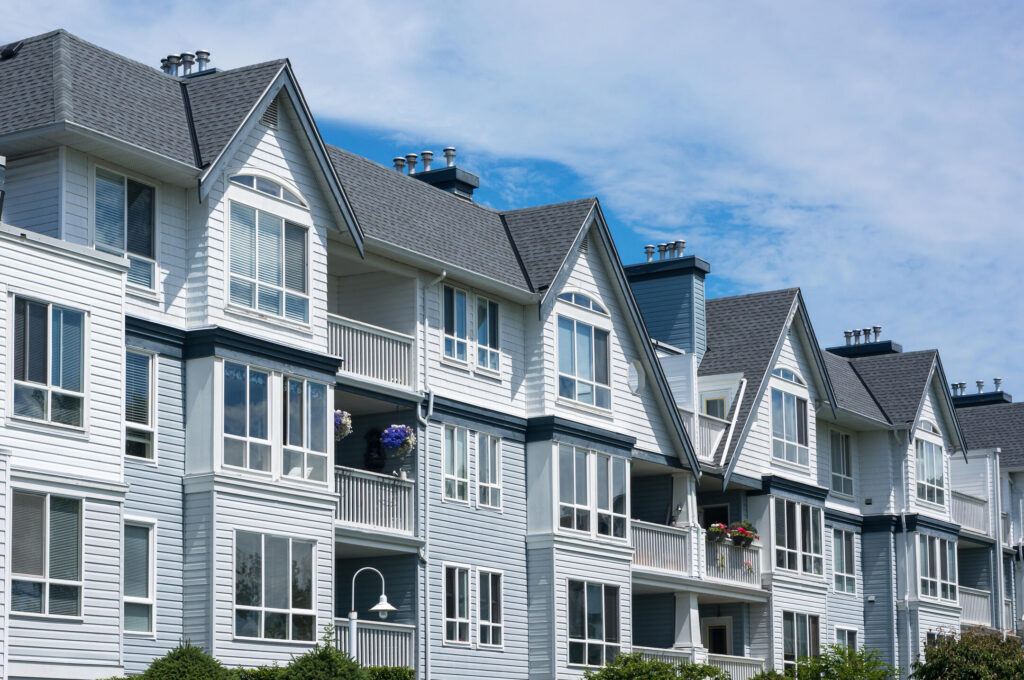
On a single-family home, a roof leak affects one household. On an apartment building roof, the same leak can reach multiple units, disrupt multiple tenants, and quickly turn into a liability issue for owners and managers.
That is why roofing decisions on multifamily properties deserve careful planning. A well-maintained roof supports tenant satisfaction, protects property value, and keeps operating costs predictable. Here are a few key reasons it deserves a place near the top of your maintenance priorities:
- Tenant satisfaction: Leaks, interior water stains, and emergency repairs frustrate residents and can affect lease renewals.
- Asset protection: The roof protects the roof deck, insulation, interiors, and rooftop equipment across every unit.
- Budget control: Periodic maintenance and planned replacements cost less than repeated emergency roof repair.
- Reduced liability: Water intrusion can lead to mold, damaged belongings, and claims that a sound roof helps prevent.
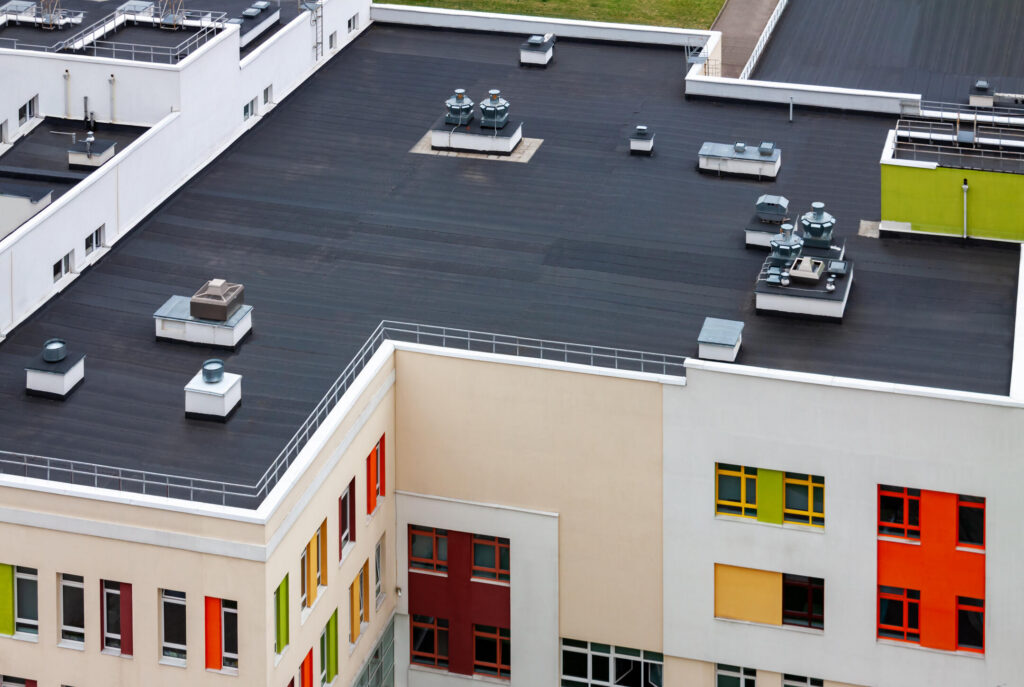
Many apartment buildings rely on flat roof systems, and the right membrane makes a big difference in how they perform. Learning the strengths of common low-slope roofing materials can help you make better long-term decisions for your property.
6 Key Facts About Apartment Complex Roofing
Multifamily roofing involves more moving parts than most residential projects. These six facts cover the issues property managers most often face, from roof design to tenant communication.
1. Many Complexes Combine Steep and Low-Slope Roofs
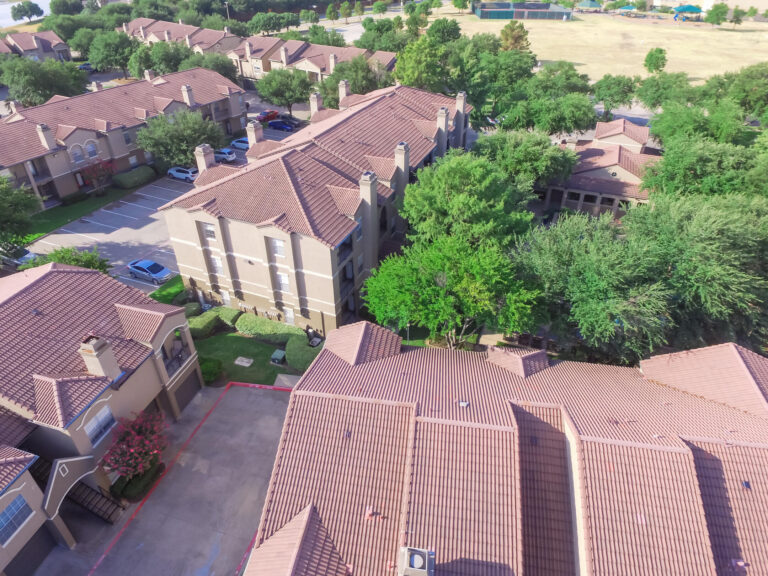
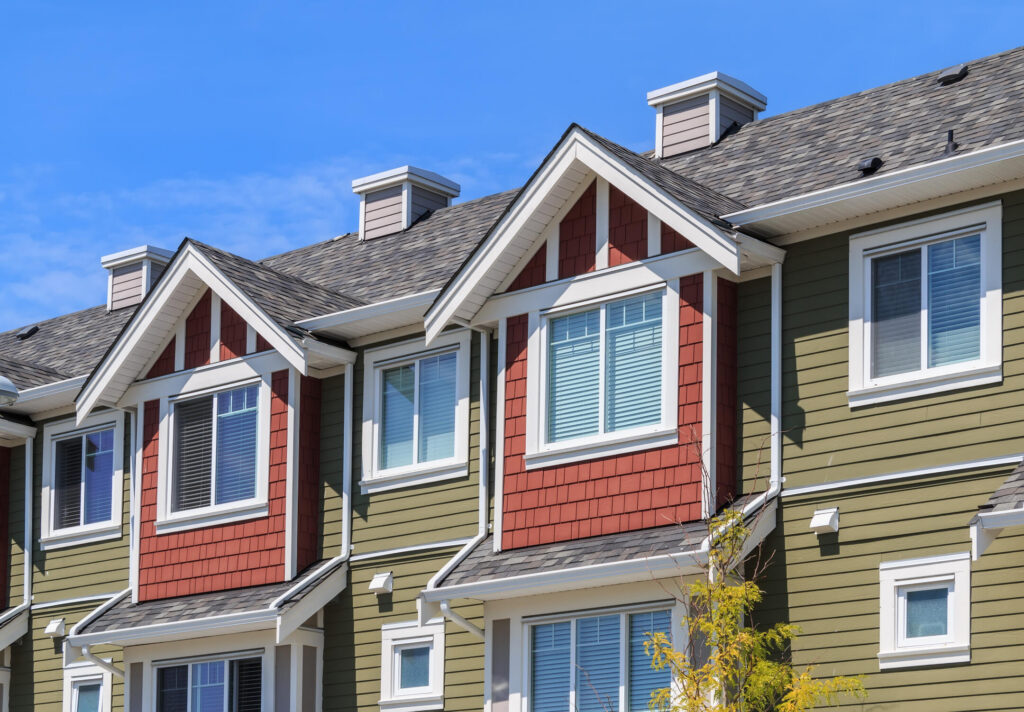
Apartment buildings come in many styles. Some have pitched roofs covered in architectural shingles or metal roofing, while others use flat or low-slope roofs with membrane systems. Many complexes have both, such as shingled residential buildings alongside a flat-roofed clubhouse or garage. Each type needs its own materials, maintenance approach, and expertise. Knowing exactly what is on every building helps you budget accurately and choose contractors with the right experience.
2. Small Leaks Affect More People
In multi unit buildings, water does not stay in one place. A leak that starts above a top-floor unit can travel through ceilings and walls before anyone notices it.
- Top-floor tenants usually report problems first.
- Hidden moisture can damage insulation and framing between units.
- Fast response limits both repair costs and resident frustration.
3. Regular Inspections Are Essential
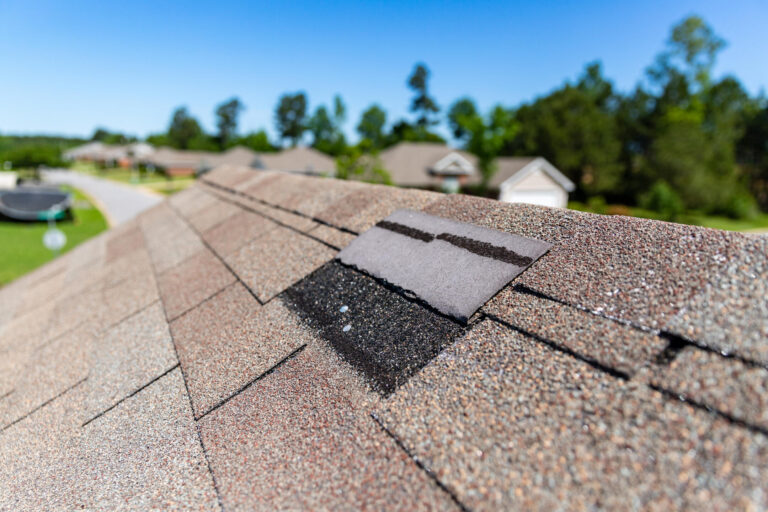
Many roofing professionals recommend inspecting commercial and multifamily roofs at least twice a year, typically in spring and fall, and after major storms. Routine inspections catch worn flashing, damaged roof edges, membrane seams, and clogged drains before they become emergencies. Written inspection reports also create a paper trail that helps with warranty claims, insurance documentation, and long-term budgeting.
4. Drainage Matters on Low-Slope Roofs
Flat and low-slope roofs depend on drains, scuppers, and gutters to move water away. When debris blocks these outlets, water can pond on the roof surface. Ponding generally means water that remains on a roof for more than 48 hours after rain, and since water weighs about 62 pounds per cubic foot, even shallow pools add real weight and can speed up material breakdown. Keeping drainage clear is one of the simplest ways to extend the life of a low-slope roof. Rooftop HVAC equipment and other penetrations should also be checked, since heavy mechanical units add stress and penetrations are common spots for leaks to start.
5. Tenant Communication Shapes Every Project
Roof work on an occupied building requires careful coordination to minimize tenant disruption. Residents need advance notice, clear schedules, and safe access to entrances and parking areas.
- Send notices well before work begins.
- Plan around high-traffic times and parking needs.
- Keep a single point of contact for resident questions.
6. Replacements Work Best as Planned Capital Projects
Replacing roofs across large apartment complexes is a significant investment. Building it into a long-term capital plan lets you phase work building by building, spread costs over several budget cycles, and avoid scrambling when a roof fails unexpectedly. Strong manufacturer and workmanship warranties add another layer of protection. A full replacement with tear-off also lets your contractor inspect the roof deck in a way an overlay on the existing system cannot, and it is a good time to weigh insulation upgrades, which add upfront cost but can lower energy expenses. Coordinating roof work with other exterior projects, such as gutter or siding upgrades, can also reduce disruption for residents.
Together, these facts show that apartment complex roofing is as much about planning as it is about materials. Managers who stay proactive tend to spend less and deal with fewer emergencies over time.
Building a Roof Maintenance Plan for Your Property
A written preventative maintenance plan turns roofing from a reactive expense into a predictable part of property management. It also gives owners, staff, and contractors a shared roadmap for keeping every building in good condition.
Consider including these elements in your plan:
- Scheduled inspections: Set recurring spring and fall inspections, plus checks after hail, high winds, or heavy snow.
- Detailed records: Keep photos, reports, repair history, and warranty documents for each building in one place.
- Drain and gutter cleaning: Clear leaves and debris regularly, especially in the fall, to prevent ponding and overflow.
- Controlled roof access: Limit foot traffic to trained staff and contractors, since HVAC service visits can damage membranes if technicians are careless.
- Storm documentation: Photograph damage promptly after severe weather to support any insurance claim.
- Reserve funding: Set aside money each year based on the age and expected lifespan of each roof.
A plan like this helps you spot trends across your buildings and prioritize the roofs that need attention first. For properties in Springboro and surrounding areas, where freeze and thaw cycles and spring storms are common, consistent upkeep is especially valuable and helps extend roof lifespan.
How Common Multifamily Roofing Materials Compare
The right roofing system depends on the building’s design, budget, and long-term goals. Low-slope sections typically use single-ply membranes or multi-layer systems, while pitched buildings often use shingles or metal.
The table below compares several common options used on apartment buildings:
| Material | Roof Type | Typical Lifespan | Key Strengths |
| EPDM | Low-slope | 25 to 30 years | Flexible, resists UV exposure and weathering |
| TPO | Low-slope | 15 to 20 years | Reflective white surface helps lower cooling costs |
| Modified bitumen | Low-slope | Around 20 years | Puncture resistant for high-traffic areas |
| Built-up roofing | Low-slope | 20 to 30 years | Thick, resistant to foot traffic |
| Standing seam metal | Low or steep-slope | 40 to 70 years | Long lifespan, weather resistant |
| Asphalt shingles | Steep-slope | 20 to 25 years | Familiar look, cost-effective |
| Concrete or clay tile | Steep-slope | 40 to 75 years or longer | Very long service life |
Choosing What Fits Your Buildings
There is rarely one perfect material for an entire complex. A roofer with multifamily experience can evaluate each building’s slope, condition, and drainage, then recommend a solution that balances upfront cost with expected lifespan. Matching materials across similar buildings can also simplify future maintenance and repairs, since your team and contractors will know exactly what to expect on each roof. Reflective membranes such as TPO can also improve energy efficiency. Keep in mind that apartment buildings generally fall under commercial building codes, which can be stricter than the residential codes that cover single-family homes.
What to Look for in Roofing Contractors
The right material only performs well with the right installer. Before you sign a contract, take time to vet each company carefully:
- Verify licensing and insurance coverage.
- Request references from previous multi unit projects.
- Check for a strong reputation, such as a BBB A+ rating.
- Avoid contractors who ask for full payment upfront.
Lifespan figures are general estimates, and actual performance depends heavily on installation quality, maintenance, and local weather. Regular care is what allows any system to reach the upper end of its expected range.
Frequently Asked Questions About Apartment Complex Roofing
Property managers often have practical questions when planning roof work for a multifamily property. Here are clear answers to some of the most common ones.
How often should apartment roofs be inspected?
At least twice a year, typically in spring and fall, plus after major storms. Older roofs may benefit from more frequent checks.
Should we repair or replace an aging roof?
It depends on the roof’s age, the extent of damage, and how often repairs are needed. A professional inspection can show whether repairs still make financial sense.
Do tenants need to leave during roof replacement?
Usually not. Residents can typically stay in their units, though they may hear noise and need to follow temporary access or parking changes.
Does insurance cover storm damage on apartment roofs?
Coverage depends on your policy. Prompt documentation and a professional inspection help support a fair claim.
What affects multi family roofing costs?
Cost depends on the roof’s square foot area, the material, and whether a tear-off is needed. Labor also tends to rise on taller buildings that require extra equipment.
How long does a multifamily roof replacement take?
Timelines vary with building size, roof type, and weather. Many complexes phase work so one building is completed at a time.
If you have questions about your specific property, a local roofing team can walk the buildings with you. An on-site evaluation gives you a clear picture of current conditions and future needs.
Partner With Johnson Restoration for Your Multifamily Roofing Needs
Apartment complex roofing affects residents, budgets, and the long-term value of your property. With regular inspections, a clear maintenance plan, and the right materials, you can keep every building protected and avoid costly emergencies.
At Johnson Restoration, our apartment complex roofing services cover roof repair, periodic maintenance, and new roofing system installations, from multifamily steep slope roofs to low slope systems, and we build plans around your budget and schedule. We proudly serve property managers in Springboro and surrounding areas with free estimates and a written scope of work on every project. When you are ready to plan your next roofing project, contact us today to schedule an evaluation.