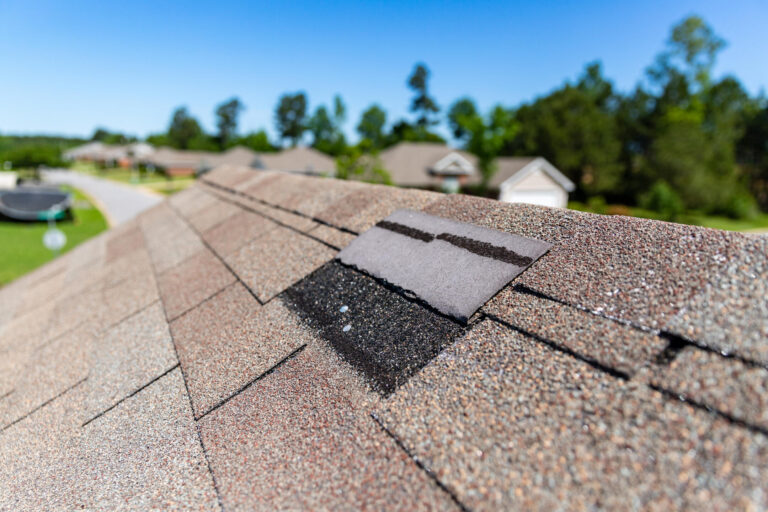
Your roof is designed to shed water in one continuous sheet, but every pipe, vent, chimney, and skylight interrupts that surface. Roof penetrations are the openings that allow these features to pass through your roof, and they are some of the most common places for roof leaks to start. Knowing what they are and how they are sealed can save you from costly water damage. For homeowners in Kettering and surrounding areas, this knowledge is a simple way to protect the structure over your family for years to come.
Here is a quick rundown of what this guide covers:
- What counts as a roof penetration
- Nine things every homeowner should know about them
- Warning signs that a penetration is leaking
- How the most common types compare
Why Every Opening in Your Roof Deserves Attention
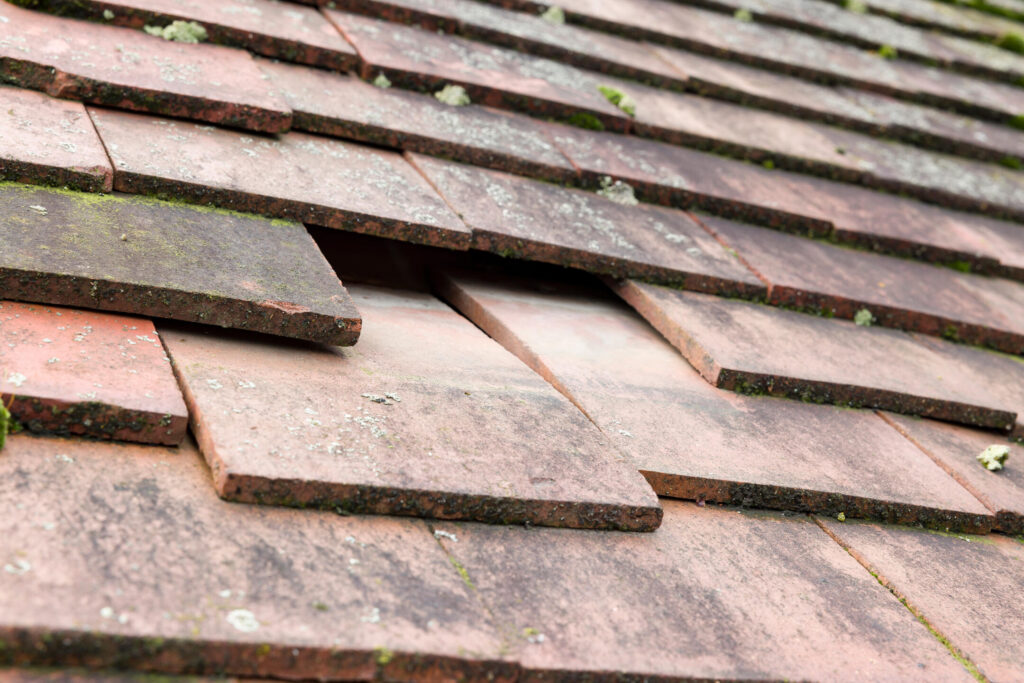
Shingles do an excellent job of protecting the open stretches of your roof. The weak points are the places where something has to pass through the roof sheathing, because those spots depend on flashing, boots, and sealant to stay watertight.
When one of those seals fails, water intrusion can reach the attic, soak insulation, and stain ceilings long before you notice anything from the ground. The rubber boots around vent pipes, for example, can crack from sun exposure and temperature changes, which is one of the most common reasons homeowners end up dealing with a leaking vent pipe. Paying attention to these areas offers several benefits:
- Fewer leaks: Well-sealed penetrations keep rain and melting snow out of your attic and living space.
- Healthier attic: Dry insulation and framing protect the structural integrity of your home and are less likely to develop mold or rot.
- Lower repair costs: Replacing a worn boot or resealing flashing costs far less than repairing water-damaged drywall and decking.
- Better long term performance: When the weak points stay sealed, the entire roof assembly holds up better over time.
In short, the condition of your roof often comes down to how well its openings are protected. A roof with sound shingles can still leak if a single penetration has failed.
9 Things to Know About Roof Penetrations
Roof penetrations come in many shapes and sizes, and each one needs to be sealed correctly. These nine points cover what they are, why they matter, and how to keep them in good shape.
1. A Penetration Is Any Opening Through the Roof Deck
Any feature that passes through the roof surface counts as a penetration. That includes plumbing vents, exhaust fans, chimneys, attic vents, HVAC units, electrical conduits for utility connections, solar panel mounts for photovoltaic arrays, and skylights that bring natural light to interior spaces. Each one creates a seam in the building envelope that must be sealed against water.
2. Plumbing Vent Stacks Are on Almost Every Home
Plumbing vent pipes let sewer gases escape and help your drains flow properly. Each pipe penetration is usually sealed with a rubber boot or collar that fits snugly around the pipe and sits beneath the surrounding shingles.
3. Pipe Boots Often Wear Out Before the Shingles
Rubber boots are exposed to sun, heat, and cold every day. Over time, the rubber can dry out, crack, or pull away from the pipe, letting water leaks run straight down onto the roof sheathing and into the attic.
- UV exposure breaks down rubber over time.
- Temperature swings can cause cracking and splitting.
- Squirrels and other animals sometimes chew on soft collars.
4. Chimneys and Skylights Need the Most Complex Flashing
Large penetrations require multiple layers of protection. Chimneys and skylights typically use step flashing along the sides, counter flashing or a cricket on the uphill side, and careful flashing details at every corner. More seams mean more chances for something to go wrong.
5. Exhaust and Attic Vents Count Too
Bathroom fans, kitchen exhausts, furnace flues, and box vents all pass through the roof. These vents keep moisture and heat moving out of your home, but each one needs its own flashing or base that is properly integrated with the shingles.
6. Flashing Does the Real Work
Adding more sealant is not a long-term solution. Properly installed flashing directs water over and around the opening, and gravity dictates how it goes on: the upper edges are tucked under the shingles so water flow always moves downhill and away. Caulk is a backup, not the main defense.
7. New Additions Create New Risks
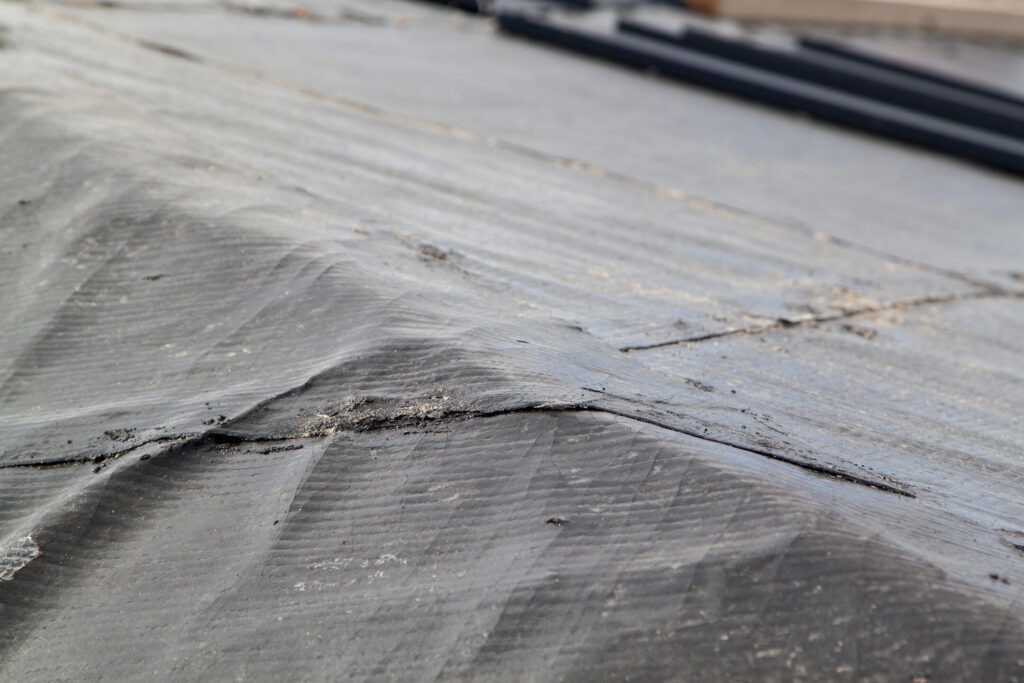
Satellite dishes, antennas, solar panels, and new exhaust vents all require holes in your roof. If they go in without proper installation and flashing, they can become leak points almost immediately.
- Ask installers how they plan to seal each mount.
- Avoid mounting dishes directly on shingles when another option exists.
- Have new penetrations checked after installation.
8. Roof Replacement Is the Time to Reset Every Seal
When you replace your roof, every boot, vent base, and piece of flashing should be evaluated and replaced as needed. Reusing worn components on a brand new roof can undermine the entire installation.
9. Regular Inspections Catch Problems Early
Checking your penetrations in the spring and fall makes it easier to spot cracked boots, loose flashing, or failing sealant before they cause structural damage. A professional inspection can also reveal issues that are hard to see from the ground.
Taken together, these points show why penetrations deserve special attention. They are small areas of your roof, but they carry a big share of the responsibility for keeping water out.
Warning Signs That a Roof Penetration Is Leaking
Leaks around penetrations often start slowly, so the early signs can be easy to miss. Knowing what to look for inside and outside your home helps you catch trouble before it spreads.
Watch for these common red flags:
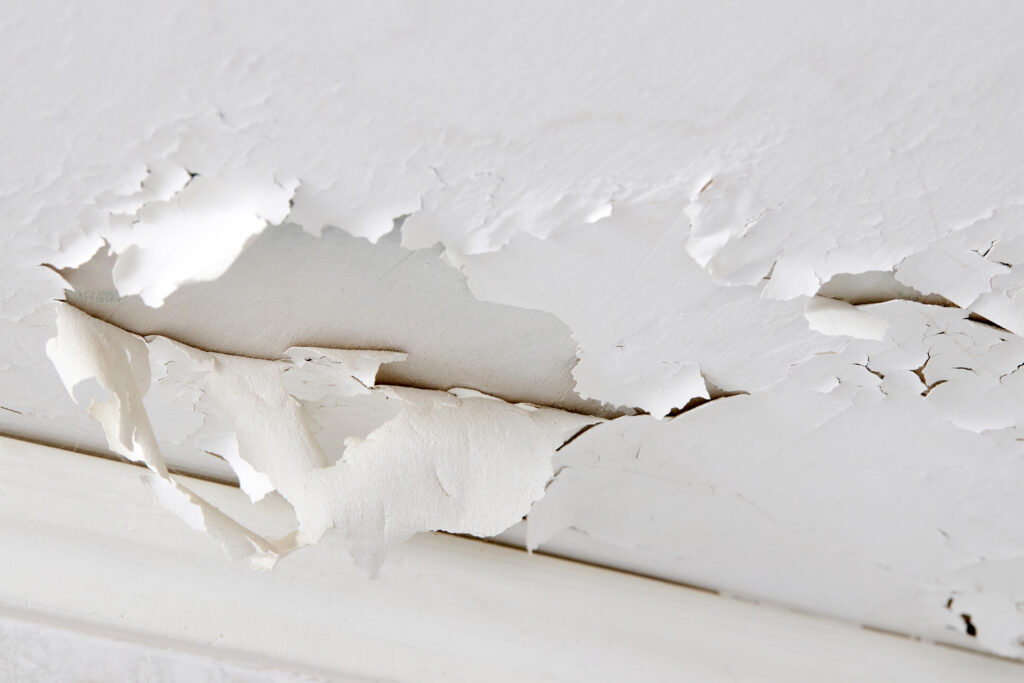
- Ceiling or wall stains: Brown or yellow spots directly below a vent pipe, chimney, or skylight often point to a failed seal above.
- Damp attic insulation: Wet or matted insulation near a pipe or vent is a clear sign that water is getting in.
- Musty odors: A stale smell in upper rooms or closets can signal hidden moisture.
- Dripping during heavy rain: Hearing water in the attic during storms usually means a penetration is leaking.
- Leaks after snowmelt: Ice dams along the eaves can push meltwater around nearby vents and pipes.
- Visible cracks or gaps: Split rubber boots, rusted vent bases, or loose flashing can often be spotted with binoculars from the yard.
If you notice any of these issues, it is best to act quickly. Slow water infiltration around a penetration can soak decking and insulation for months before it shows up as a visible stain.
Comparing Common Roof Penetrations
Not all penetrations are sealed the same way. Understanding how each type is protected helps you know what to look for during an inspection.
The table below compares some of the most common penetrations found on homes in Kettering and surrounding areas:
| Penetration | Purpose | Typical Seal | Common Problem |
| Plumbing vent | Releases sewer gases | Rubber or metal boot | Cracked or dried-out rubber |
| Exhaust vent | Removes moisture and air | Vent base with flashing | Loose base or failed sealant |
| Chimney | Vents fireplace smoke | Step and counter flashing | Gaps at flashing joints |
| Skylight | Brings in natural light | Flashing kit or step flashing | Leaks at corners or seals |
| Box or roof vent | Ventilates the attic | Integrated base flange | Damage from wind or debris |
Penetrations on Low-Slope and Metal Roofs
Some homes have low-slope porches or additions covered with a roofing membrane, and these areas may hold HVAC units and other penetrations. Guidelines from the National Roofing Contractors Association generally call for flashing at these penetrations to extend at least 8 inches above the roof surface. Pitch pockets, which are metal boxes filled with sealant, are discouraged because of their maintenance issues and are considered a last resort. Flashing failure on these roofs can also accelerate membrane breakdown. On a metal roof, penetrations need flashing that allows for thermal expansion, since the panels move as the roof expands and contracts.
Why Professional Sealing Matters
Each of these features requires a slightly different approach, and the details make a big difference. A reputable roofing contractor who understands how flashing, underlayment, and shingles work together can properly seal roof penetrations so water has no easy path inside. Seal failures often happen when non-qualified contractors handle the job.
Even a well-built roof can develop problems around penetrations as materials age. That is why it pays to have them checked regularly and repaired by someone with the right experience.
Frequently Asked Questions About Roof Penetrations
Homeowners often have a few practical questions once they understand what roof penetrations are. Here are clear answers to some of the most common ones.
How long do pipe boots last?
It varies with the material and climate. Rubber boots often wear out sooner than the shingles around them, so they should be checked by a roofing contractor during every inspection.
Can I just caulk around a leaking penetration?
Caulk can offer a temporary fix, and high-temperature silicone sealants tend to resist cracking better than standard products. Still, sealant is not a lasting solution. A cracked boot or failed flashing usually needs to be replaced.
Do penetrations need to be replaced with a new roof?
Most boots, vent bases, and flashing should be replaced or updated during a roof replacement so every seal starts fresh.
Can I add a new vent or skylight to my roof?
Yes, but building codes and the manufacturer’s instructions call for it to be properly flashed and integrated with the existing shingles. Professional installation helps prevent new leaks.
How often should penetrations be inspected?
Checking them in the spring and fall is a good habit, and after any major storm.
If you have a question about a specific vent, pipe, or skylight on your home, a local roofer can take a closer look. A quick inspection is often all it takes to confirm whether a seal is still doing its job.
Protect Every Opening With Johnson Restoration
Roof penetrations may be small, but they play a big role in keeping your home dry. Properly sealed boots, vents, and flashing protect your attic, ceilings, and roof structure from water damage.
At Johnson Restoration, our team inspects every penetration carefully, replaces worn components, and focuses on sealing roof penetrations with the waterproofing details that prevent water intrusion in Ohio weather. We proudly serve homeowners in Kettering and surrounding areas with honest recommendations and careful workmanship. If you have noticed stains, drips, or worn boots on your roof, contact us today to schedule your free inspection.