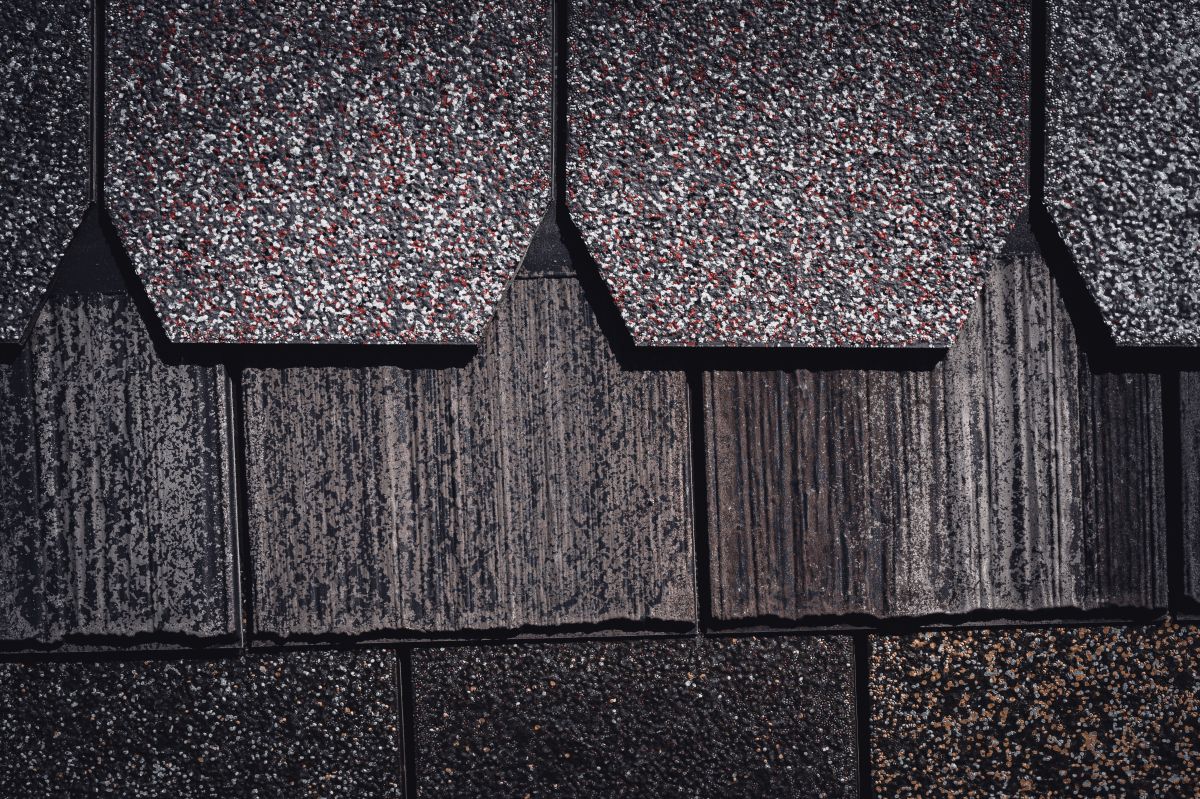

Hail resistant roofing is a category of roofing materials specifically engineered to withstand hailstone impacts without cracking, splitting, or losing protective granules, and for homeowners in hail prone regions it can be one of the smartest long-term roofing investments available. The most common form is Class 4 impact resistant asphalt shingles, which carry the highest impact rating under the UL 2218 testing standard and often qualify homeowners for significant insurance discounts. With hail damage now responsible for the largest single share of homeowners insurance claims and average claim severities exceeding $14,000, the financial logic for upgrading is stronger than it has been in years. Homeowners in Mason and surrounding areas who experience regular hail events benefit from understanding what hail resistant roofing actually delivers, what it costs, and when the upgrade pays off.
- What hail resistant means: Roofing materials tested to UL 2218 standards, with Class 4 being the highest rating.
- Why it matters: Hail accounts for the largest share of homeowners insurance claims, and impact-rated shingles can earn meaningful insurance discounts.
- What you will learn: 8 key facts about hail resistant roofing, real costs and savings, and answers to common homeowner questions.
How Hail Resistant Roofing Is Tested and Rated
Hail resistant roofing is tested and rated under a standardized industry protocol that simulates the kinetic energy of natural hailstones. Understanding the test is the foundation for knowing what the ratings actually mean.
What Is the UL 2218 Standard?
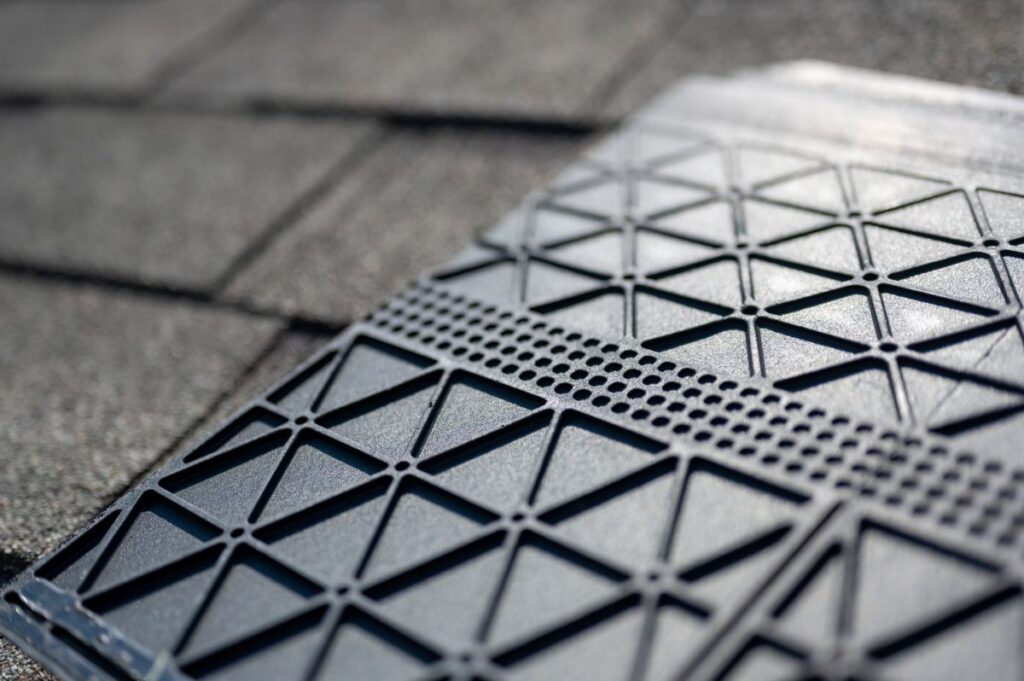
The UL 2218 standard is the industry test method for impact resistance of prepared roof covering materials, developed in the 1990s by Underwriters Laboratories in cooperation with insurance companies and roofing manufacturers. According to UL Solutions, the UL 2218 testing and certification approach results in four ratings (Class 1, 2, 3 and 4) based on replicating impact energies for natural hailstones by dropping steel balls from various heights. The test involves dropping a steel ball twice onto the same spot of the shingle and inspecting the back side for cracks or breaches. Class 4 (the highest rating) requires the shingle to survive a 2 inch steel ball dropped from 20 feet, which simulates the impact energy of large, destructive hailstones. In Mason and surrounding areas, where summer hail events are not uncommon, Class 4 shingles deliver meaningful protection.
- UL 2218 standard: Developed in the 1990s with insurance industry input.
- 4 impact classes: Class 1 (lowest) through Class 4 (highest).
- Class 4 test: 2 inch steel ball dropped from 20 feet, twice in the same spot.
- Back-side inspection: Shingle must show no cracks or breaches.
Why Class 4 Is the Gold Standard
Class 4 is the gold standard because it is the only rating that simulates the kind of large hail that causes catastrophic roof damage. Class 1 shingles are tested with a 1.25 inch ball from 12 feet, Class 2 with a 1.5 inch ball from 15 feet, and Class 3 with a 1.75 inch ball from 17 feet. Class 4’s 2 inch ball from 20 feet represents the threshold above which most insurance companies consider a roof claim “severe” enough to warrant full replacement rather than spot repair. Class 4 shingles also typically carry longer manufacturer warranties (30+ years), better wind ratings (often 130+ mph), and granule retention features that resist the secondary aesthetic damage hail causes even when no breach occurs.
- Class 1: 1.25 inch ball from 12 feet.
- Class 2: 1.5 inch ball from 15 feet.
- Class 3: 1.75 inch ball from 17 feet.
- Class 4: 2 inch ball from 20 feet (the gold standard).
8 Key Facts About Hail Resistant Roofing
Eight specific facts cover the most important things homeowners should know before deciding whether to upgrade to hail resistant roofing. Each one affects either the cost, the value, or the long term performance of the investment.
1. Hail Causes the Largest Share of Homeowners Insurance Claims
Hail causes the largest share of homeowners insurance claims, with wind and hail combined accounting for 42.5 percent of all homeowners insurance losses in 2023 according to the Insurance Information Institute. The average claim severity for wind and hail damage was $14,747, and roughly 1 in 36 insured homes experiences a wind or hail claim each year. NOAA’s Severe Storms database recorded 5,396 major hailstorms in the U.S. in 2019 alone, and annual hailstorm losses average around $10 billion. These numbers explain why insurance companies are increasingly motivated to offer significant discounts to homeowners who upgrade to impact resistant roofing.
- 42.5 percent of losses: Wind and hail combined per III data.
- $14,747 average claim: Industry average severity.
- 5,396 major hailstorms: Recorded in the U.S. in 2019.
- $10 billion annual losses: Average national hailstorm damage.
2. Class 4 Shingles Cost 20 to 40 Percent More
Class 4 shingles cost 20 to 40 percent more than standard architectural asphalt shingles, with most homeowners paying an additional $1,500 to $3,000 for a typical 2,000 square foot roof. Material costs alone run $400 to $600 more per roofing square (100 square feet), and installation labor is similar to standard shingles because the application process is the same. Premium product lines (like CertainTeed Landmark IR, GAF Timberline HDZ AS, or Owens Corning Duration Storm) carry the highest prices but also the longest warranties and the strongest hail and wind ratings. For homeowners in Mason and surrounding areas, the upgrade typically pays for itself in 3 to 7 years through insurance savings and avoided storm repairs.
- 20 to 40 percent more: Material cost increase over standard shingles.
- $1,500 to $3,000: Typical upcharge for a 2,000 square foot roof.
- Same labor cost: Installation difficulty is similar to standard shingles.
- 3 to 7 year payback: Common in hail prone markets.
3. Insurance Discounts Range From 10 to 35 Percent
Insurance discounts for hail resistant roofing range from 10 to 35 percent depending on the carrier, the state, and the specific shingle product. In hail belt states like Texas, Oklahoma, Kansas, Colorado, and Nebraska, discounts often reach the top of that range (25 to 35 percent) because hail claims are so frequent and severe. In moderate hail markets like Ohio, discounts typically run 10 to 20 percent. The discount applies to the dwelling coverage portion of the homeowners premium, which is the largest single line item on most policies. Homeowners should always confirm available discounts with their insurer before installation and request a UL 2218 Class 4 certification document from the contractor to claim the discount.
- Hail belt states: 20 to 35 percent discounts (TX, OK, KS, CO, NE).
- Moderate hail markets: 10 to 20 percent discounts (Ohio, Midwest).
- Applies to dwelling coverage: The largest portion of most premiums.
- Certification required: UL 2218 Class 4 documentation needed to claim discount.
4. UL 2218 Testing Is Not the Same as Real Hail
UL 2218 testing is not the same as real hail because the test uses steel balls (much denser than ice) and only evaluates physical breach damage from the back side of the shingle, not the granule loss or denting visible from the top side. This is why the Insurance Institute for Business and Home Safety (IBHS) developed a separate hail impact test protocol that uses synthetic hailstones and inspects the top of the shingle. Some Class 4 shingles that pass UL 2218 still show significant cosmetic damage or granule loss under the IBHS protocol. Homeowners considering hail resistant shingles should ask their contractor about both UL 2218 certification and IBHS performance ratings for the specific product being proposed.
- Steel balls vs. ice: UL 2218 uses denser projectiles than real hail.
- Back-side inspection only: UL 2218 misses granule loss and denting.
- IBHS protocol: New science-based test using simulated hail.
- Ask for both ratings: UL 2218 certification plus IBHS performance data.
5. Hail Resistant Shingles Last Longer
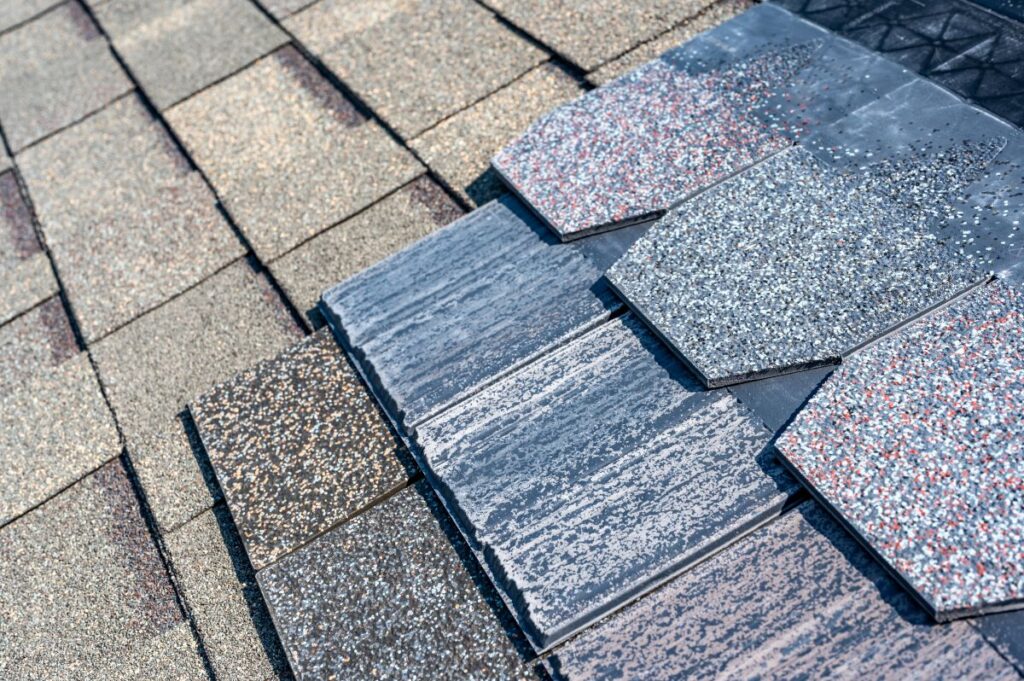
Hail resistant shingles last longer than standard shingles because their reinforced construction also resists everyday wear, granule loss, and weathering. Most Class 4 products carry 30 to 50 year warranties (compared to 25 to 30 years for standard architectural shingles), and their typical real-world service life often reaches 30+ years. The longer lifespan adds another financial advantage beyond insurance savings, because the cost-per-year of the roof is often lower than for cheaper standard shingles. Class 4 products also typically carry higher wind ratings (often 130+ mph) and better fire classifications, which compound the long-term value.
- 30 to 50 year warranties: Compared to 25 to 30 years for standard.
- Longer real-world service life: 30+ years common in moderate climates.
- Higher wind ratings: Often 130+ mph (matching premium standard shingles).
- Better fire classifications: Many Class 4 products achieve Class A.
6. Not All Hail Resistant Roofing Is Asphalt
Not all hail resistant roofing is asphalt, and some non-shingle options actually outperform Class 4 asphalt shingles against hail. Standing seam metal roofing typically achieves Class 4 impact resistance through panel design (no shingle breaches possible), with the trade-off being visible denting in severe storms that does not affect waterproofing. Concrete tile and clay tile can achieve Class 4 ratings but are heavier than most homes’ framing can support without reinforcement. Synthetic slate and composite shingles (made from polymer blends) often achieve Class 4 ratings while looking like premium materials at lower weight. The right choice depends on the home’s architecture, framing capacity, and budget.
- Metal roofing: Class 4 achievable; may dent without breaching.
- Tile (concrete or clay): Class 4 achievable; requires reinforced framing.
- Synthetic slate or composite: Class 4 at lower weight than tile.
- Multiple options: The right material depends on the home and budget.
7. Some Areas Require Impact Rated Shingles by Code
Some areas require impact rated shingles by code, particularly in states with frequent severe hail events. Texas has the most developed code requirements, with the Texas Department of Insurance publishing an official list of approved impact-resistant products that qualify for premium discounts. Several Colorado municipalities have adopted Class 4 requirements for new construction in hail belt areas. While Ohio does not currently mandate impact resistant roofing in most jurisdictions, some insurance carriers are beginning to charge surcharges for non-impact-rated roofs in hail prone parts of the state. Homeowners should check local building codes and insurance company requirements before specifying shingles, especially in areas like Mason and surrounding areas where hail history influences pricing.
- Texas: State-level program with approved product list.
- Colorado hail belt: Local Class 4 requirements in some areas.
- Insurance surcharges: Some carriers penalize non-impact-rated roofs.
- Check local codes: Requirements vary by municipality.
8. The Upgrade Pays Off in Hail Prone Markets
The upgrade pays off in hail prone markets when the combination of insurance savings, avoided deductibles, longer roof life, and reduced storm repair costs exceeds the initial upcharge over a typical 5 to 10 year period. In a market with 20 percent annual insurance savings on a $2,000 premium, the savings alone return $400 per year, or $4,000 over a 10 year period (enough to fully offset the typical $1,500 to $3,000 upcharge with money to spare). Add the avoided hail deductible (commonly $2,000 to $6,000 for one denied or reduced claim) and the longer warranty life, and the math typically favors the upgrade for any homeowner planning to stay in the home for 5+ years. In moderate hail markets, the payoff is slower but still meaningful.
- 5 to 10 year payback: Common in hail prone markets.
- Insurance savings alone: Often $300 to $700 per year.
- Avoided deductibles: Each prevented claim saves $2,000 to $6,000.
- 5+ year ownership: Threshold above which the upgrade typically makes sense.
Frequently Asked Questions
How Long Do Hail Resistant Shingles Last?
Hail resistant shingles typically last 30 to 50 years, with most premium Class 4 products carrying 30+ year manufacturer warranties. Real-world service life often matches the warranty period when the shingles are properly installed and the attic is well ventilated. Hail resistant shingles also tend to age more gracefully because their reinforced construction resists granule loss and weathering better than standard shingles.
Will I Need to Replace My Whole Roof to Get Hail Resistant Shingles?
Yes, you will need to replace your whole roof to get hail resistant shingles in almost all cases, because installing Class 4 shingles only on part of the roof voids the manufacturer warranty and the insurance discount. Some homeowners time the upgrade with a planned replacement to capture the maximum value. Hail resistant shingles can be installed during a normal reroof at no additional labor cost beyond the material upcharge.
Do Hail Resistant Shingles Stop All Hail Damage?
Hail resistant shingles do not stop all hail damage; they significantly reduce the likelihood of breaching damage that allows water into the home but can still show granule loss or denting in severe storms. The benefit is structural rather than cosmetic, with the goal being to keep the roof watertight after a major hail event so the homeowner avoids interior water damage. Some insurance policies in hail prone states explicitly exclude cosmetic damage from coverage.
Are There Tax Credits for Hail Resistant Roofing?
There are no federal tax credits specifically for hail resistant roofing, but some state and local programs offer incentives. Texas, Oklahoma, and a few other hail-prone states have programs that subsidize or rebate impact-resistant roofing installations. Always check with the state insurance department and local building department for current programs before installation.
How Do I Verify a Roof Has Class 4 Shingles?
You can verify a roof has Class 4 shingles by requesting the UL 2218 certification document from the contractor or manufacturer, which includes the product name, classification, and test date. The certification appears in UL’s Product iQ database, which insurance companies can verify directly. Keep the certification document with your home records for insurance discount claims and resale purposes.
Is Hail Resistant Roofing Worth It in Ohio?
Hail resistant roofing is worth it in Ohio for homeowners in hail-active regions, where the insurance discount typically returns the upcharge in 5 to 10 years and the longer warranty extends the cost-effective life of the roof. Insurance discounts in Ohio are typically 10 to 20 percent on the dwelling portion of the premium, which adds up over a 25 to 30 year roof life. Mason and surrounding areas have enough hail risk to make the upgrade financially compelling for most homeowners.
Why Mason Homeowners Trust Johnson Restoration for Hail Resistant Roofing
A hail resistant roof is one of the few home improvement upgrades that pays back over time through insurance savings, avoided storm damage, and longer service life. Johnson Restoration brings over a decade of industry experience to hail resistant roofing installation in Mason and surrounding areas, with workmanship warranties, financing options, and the manufacturer relationships needed to specify the right UL 2218 Class 4 product for your home and your insurance carrier. Whether you are recovering from a recent hail event, planning a proactive upgrade, or trying to decide whether Class 4 shingles make sense for your situation, contact Johnson Restoration today for a free estimate and let our team help you choose a roof that holds up to whatever weather comes next.