
Types of roof jacks come up in almost every roofing conversation because the term actually covers two very different products that get called by the same name: the pipe boot flashings that seal around plumbing vents and exhaust pipes on your roof, and the temporary work platform brackets that roofing crews use to safely work on steep-slope roofs. Both are essential to a well-installed roof (one permanently protects the roof from water infiltration around penetrations, the other protects the workers installing or repairing the roof), and understanding the difference helps homeowners have clearer conversations with contractors about materials and installation methods. Most homeowners searching for “roof jacks” are looking for the pipe boot flashing type, since that is the component visible on their roof that occasionally needs replacement, but the safety bracket type is worth understanding too. This guide walks through five common roof jack options homeowners in Miamisburg and surrounding areas encounter, what each one does, and how to spot quality installation.
- Two meanings for one term: Pipe boot flashings and safety work brackets are both called roof jacks.
- Which one you probably need: Pipe boot flashings for most homeowner searches; safety brackets are contractor equipment.
- What you will learn: 5 common roof jack types, how each is used, and answers to common questions.
Why Roof Jacks Matter More Than Most Homeowners Realize
Why roof jacks matter more than most homeowners realize comes down to two very different reasons depending on which type you are talking about. The pipe boot type is one of the most common failure points on residential roofs, while the safety bracket type is what allows contractors to work safely on your steep roof. Both directly affect the quality and safety of your roof.
How Pipe Boot Roof Jacks Fail (and Cause Leaks)
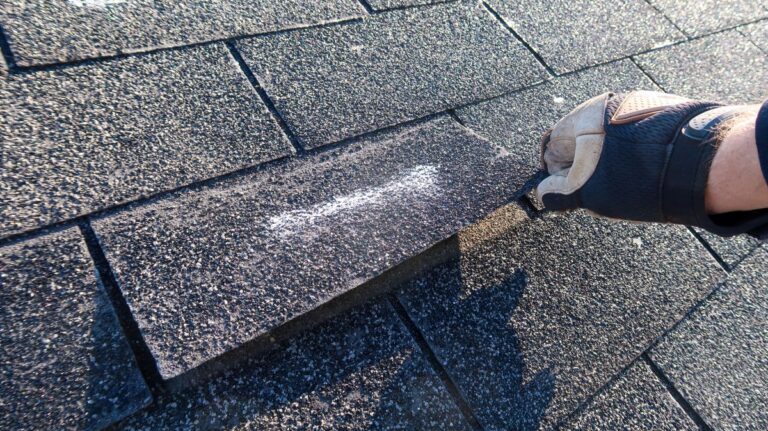
Pipe boot roof jacks fail in predictable ways: the rubber or EPDM collar dries out and cracks from UV exposure (typically after 10 to 15 years), the metal base rusts or lifts from thermal cycling, or the sealant around the flashing dries out and separates. When any of these fail, water finds a direct path from the roof surface into the attic and often down through ceiling drywall, insulation, and framing. Failed pipe boots are one of the most common causes of interior water damage that homeowners initially misattribute to shingle problems. The good news is that pipe boots are inexpensive to replace ($75 to $300 per boot including labor) and catching a failing one during a routine roof inspection prevents thousands of dollars in interior repair costs. In Miamisburg and surrounding areas, where UV exposure is intense in summer and freeze-thaw cycles stress every rubber component in winter, expect pipe boots to be a routine maintenance item rather than a lifetime component.
- Rubber cracks: From UV exposure after 10 to 15 years.
- Metal rusts: From thermal cycling on older galvanized bases.
- Sealant separates: From temperature swings over decades.
- Cost to replace: $75 to $300 per boot including labor.
Why Safety Roof Jacks Matter for Contractor Selection
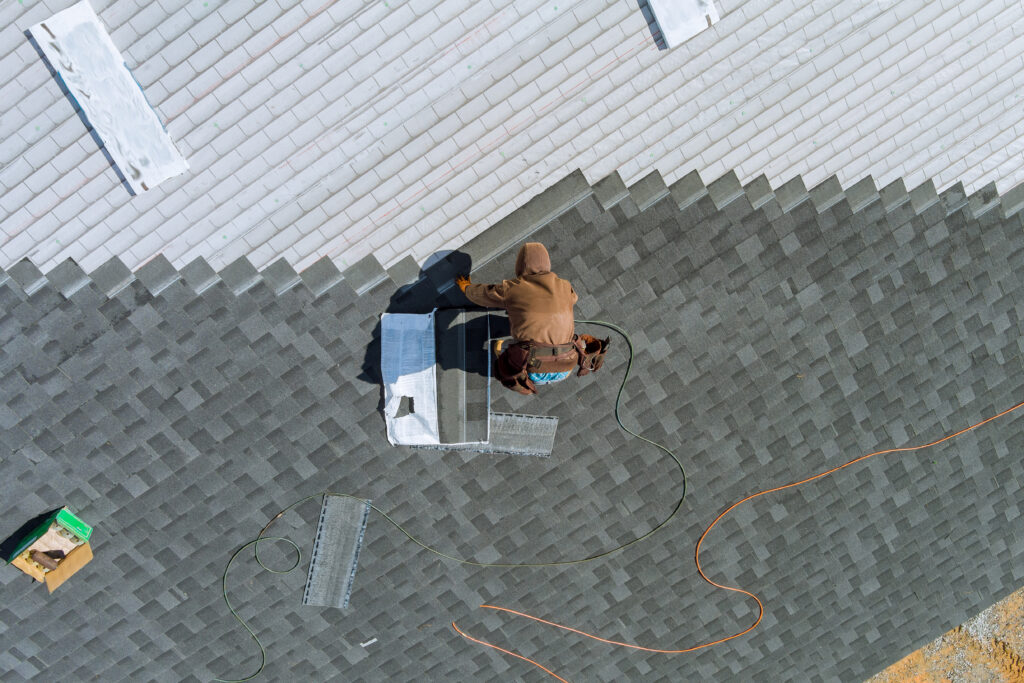
Safety roof jacks (also called roof brackets) matter for contractor selection because they signal whether a roofing contractor is following OSHA-compliant safety practices during work on your home. According to the U.S. Occupational Safety and Health Administration, falls are the leading cause of death for workers engaged in residential construction, and under 29 CFR 1926.501(b)(13), workers engaged in residential construction six feet or more above lower levels must be protected by conventional fall protection such as guardrail systems, safety net systems, or personal fall arrest systems. Roofing contractors who cut corners on fall protection put both workers and homeowners at risk (workers face injury or death, homeowners face potential liability if a worker is injured on their property without proper safety equipment). When evaluating contractors, ask specifically about their fall protection procedures and whether they use roof brackets, harness systems, or other OSHA-compliant equipment.
- Leading cause of construction death: Falls in residential construction.
- OSHA requirement: Fall protection at 6 feet or higher.
- Contractor screening: Ask about specific fall protection procedures.
- Homeowner liability: Uninsured or unprotected workers pose risk.
5 Common Types of Roof Jacks and How Each One Is Used
Five common roof jack types cover the vast majority of installations homeowners will encounter, split between the four types of pipe flashing jacks and the one type of safety bracket. Each has a specific use case and set of trade-offs.
1. Standard Rubber (EPDM) Pipe Boot Jack
Standard rubber (EPDM) pipe boot jacks are the most common type of roof jack found on modern residential roofs, and they consist of a metal base flange (typically galvanized steel or aluminum) with a flexible EPDM rubber collar that fits snugly around plumbing vent pipes and other roof penetrations. The metal base tucks under the shingles above and over the shingles below to direct water away from the pipe, while the rubber collar seals tightly to the pipe itself. Standard rubber pipe boots typically cost $10 to $30 in materials and last 10 to 15 years before the rubber degrades from UV exposure. They come in multiple sizes to fit different pipe diameters (typically 1.5, 2, 3, and 4 inch outer diameter). This is what you will see on most residential roofs installed since the 1990s, and what most homeowners are searching for when they look up “roof jack” online.
- Composition: Metal base flange plus EPDM rubber collar.
- Best use: Plumbing vent pipes on shingle roofs.
- Cost: $10 to $30 materials; $75 to $300 installed.
- Lifespan: 10 to 15 years before UV degradation.
2. Lead Pipe Jack
Lead pipe jacks are the traditional, longer-lasting alternative to rubber pipe boots, using a soft lead sheet that folds over the top of the pipe and forms a permanent watertight seal without depending on rubber that will eventually degrade. The lead is soft enough to be folded and shaped by hand during installation, and it lasts essentially the life of the roof (50+ years) because lead does not degrade from UV or thermal cycling the way rubber does. Lead pipe jacks cost more than standard rubber boots ($30 to $75 in materials) and require more skill to install correctly, but they are often specified for high-end roofs, historic homes, or situations where the homeowner wants to avoid the routine 10-15 year replacement cycle. The main downsides are the higher upfront cost and the fact that some jurisdictions have moved away from lead in residential construction for environmental reasons.
- Composition: Soft lead sheet folded over pipe.
- Best use: High-end roofs; long-term installations.
- Cost: $30 to $75 materials; $150 to $400 installed.
- Lifespan: 50+ years without degradation.
3. Adjustable Pitch Roof Jack
Adjustable pitch roof jacks feature a rotatable or expandable design that lets the same product fit roofs of various slopes (typically 3:12 to 12:12 or more), which is useful when installers need one product on hand that will work regardless of the specific roof pitch. Some adjustable models use a rotatable octagonal base that can be turned to match the roof slope, while others use flexible EPDM collars that conform to different pitches naturally. Adjustable pitch jacks are especially useful for retrofit work, additions where the roof pitch varies, or contractors who want to reduce inventory. They typically cost $25 to $60 in materials and offer the same 10 to 15 year lifespan as standard rubber pipe boots (or longer if made with silicone rather than EPDM). The trade-off is slightly higher cost per unit compared to fixed-pitch pipe boots.
- Composition: Rotatable or flexible base for varying pitches.
- Best use: Varying pitch roofs; retrofit work.
- Cost: $25 to $60 materials; $100 to $350 installed.
- Lifespan: 10 to 15 years (EPDM) or 20+ years (silicone).
4. Retrofit Split-Boot Pipe Jack
Retrofit split-boot pipe jacks are designed to be installed around existing pipes without removing the pipe or the surrounding shingles, which makes them ideal for repairs on roofs that are otherwise in good condition. The boot is split along one side so it can be wrapped around the existing pipe, then sealed back together with adhesive or a mechanical clamp. This lets contractors replace a failing pipe boot without doing a larger repair to remove and reinstall the pipe. Retrofit split boots typically cost $20 to $50 in materials and provide 10 to 15 years of service. The main trade-off is that split-boot repairs are considered less durable than full replacement because the seam is a potential weak point, but for a roof with 10+ years of remaining life, a retrofit split boot is often the most cost-effective repair. Ask your contractor whether a full pipe boot replacement or a retrofit split boot makes more sense for your specific situation.
- Composition: Split boot that wraps around existing pipes.
- Best use: Repairs on otherwise sound roofs.
- Cost: $20 to $50 materials; $100 to $300 installed.
- Lifespan: 10 to 15 years.
5. Safety Roof Jack (Roof Bracket)
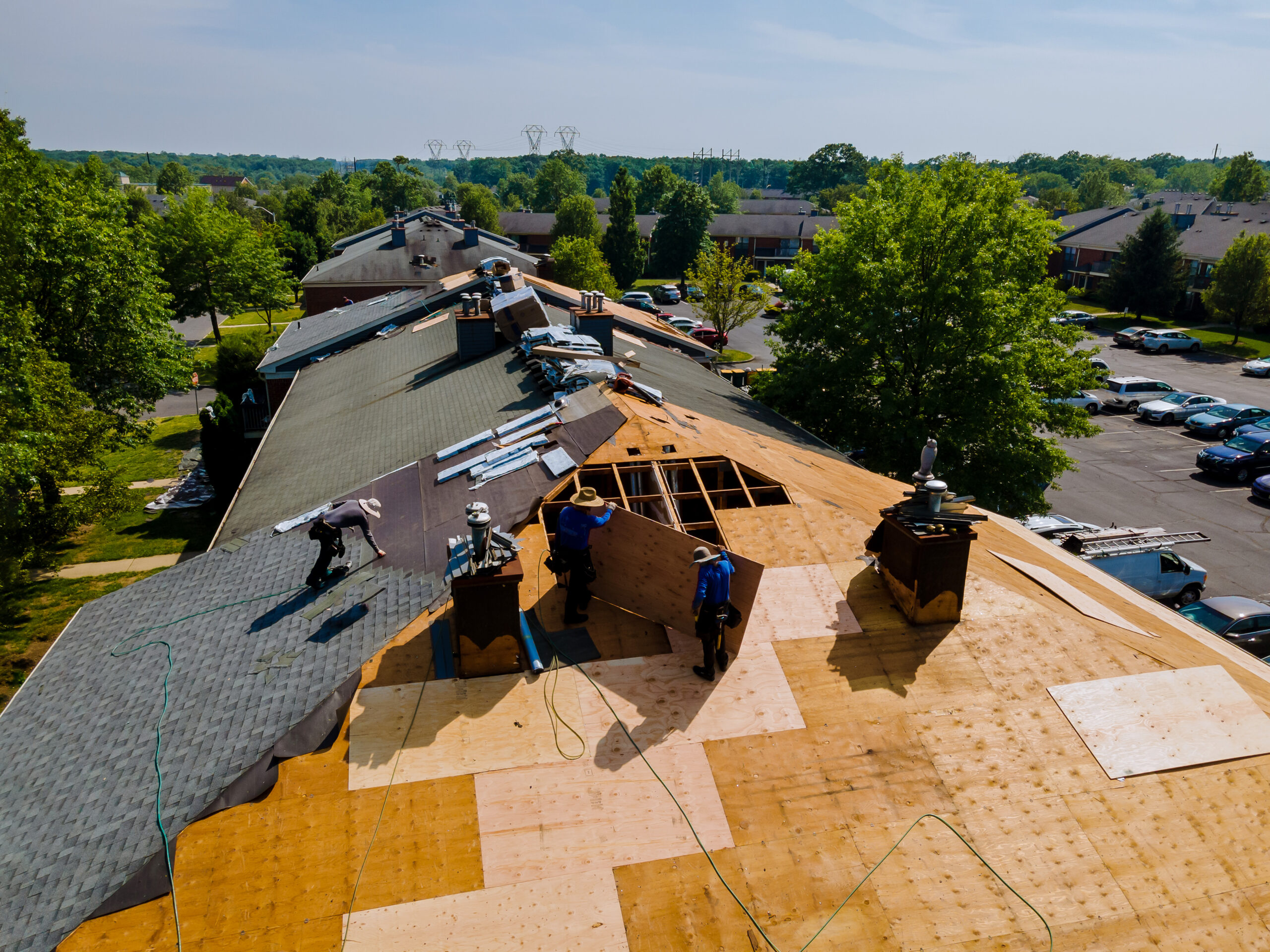
Safety roof jacks (also called roof brackets) are temporary metal brackets that attach to the roof deck through the sheathing and support wooden planks that form a work platform for roofers working on sloped surfaces. Unlike the pipe boot types above, these are not permanent components of the roof; they are removed after the work is complete, with the fastener holes sealed under new shingles. Safety roof brackets are essential OSHA-compliant equipment for any residential roof work above 6 feet, and quality roofing contractors always include them in their standard practices. When properly installed, they provide a secure work surface that lets roofers move materials, install shingles, and work efficiently while dramatically reducing fall risk. Homeowners will see these in use during any professional roof replacement or major repair project on steep-slope roofs, typically installed along the eaves and worked upward as the roof project progresses.
- Composition: Metal brackets holding wooden planks as temporary platform.
- Best use: Temporary work platform for steep-slope roofing.
- Cost: Not applicable (contractor equipment).
- Purpose: OSHA-compliant fall protection during roof work.
How to Know Which Roof Jack You Need
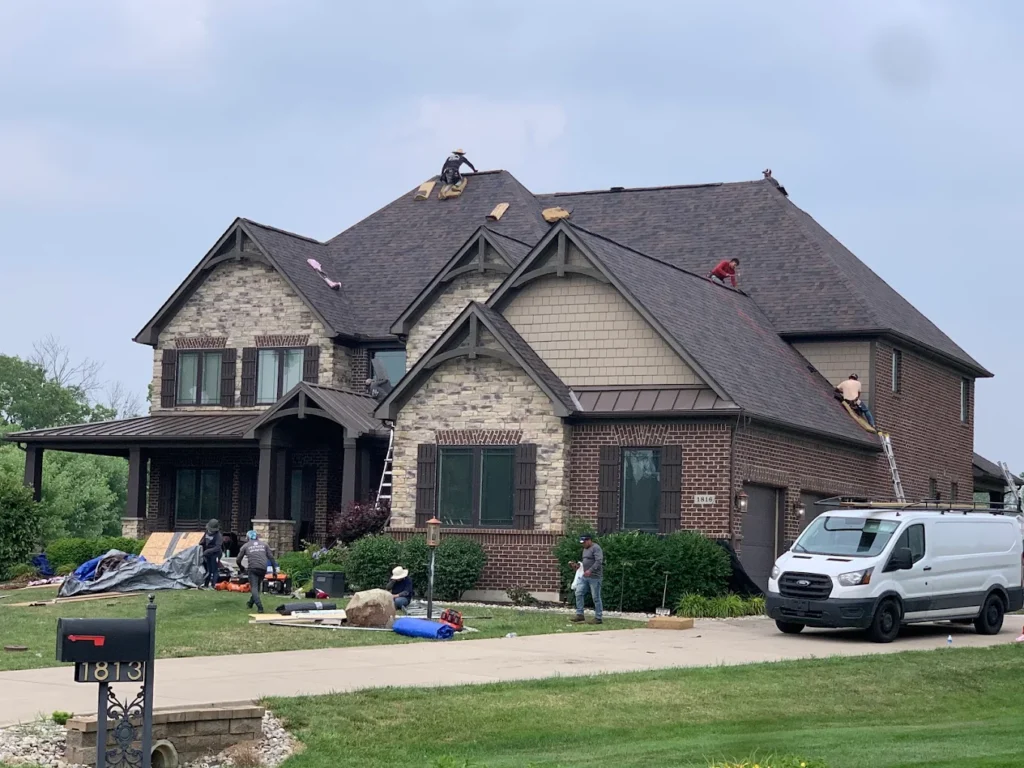
How to know which roof jack you need depends on whether you are asking about a repair to your existing roof or evaluating a contractor’s practices during roof work. A structured approach helps homeowners get the right information.
For Homeowners Dealing With a Leaking Pipe Boot
Homeowners dealing with a leaking pipe boot should focus on the flashing type of roof jack (options 1 through 4 above) and consult with a roofing contractor to determine whether full replacement, lead conversion, or retrofit split boot is the best fix for their specific situation. Age of the roof matters: a roof with 10+ years of remaining life often justifies a full pipe boot replacement, while a roof approaching end of life may only warrant a retrofit repair. Location of the failure matters too: if only one boot has failed on a roof with many identical boots installed at the same time, expect the others to fail within a few years. Some homeowners choose to replace all pipe boots at once when one fails to avoid multiple future repair trips.
- Roof age: Determines full replacement vs. retrofit.
- Failure pattern: One failure often signals more coming.
- Batch replacement: Consider replacing all boots at once.
- Consultation: Get a professional opinion before deciding.
For Homeowners Evaluating Roofing Contractors
Homeowners evaluating roofing contractors should ask specifically about fall protection practices, including whether the contractor uses safety roof jacks (brackets), harness systems, or other OSHA-compliant equipment. A quality contractor will describe their specific practices in detail and often show examples of the equipment they use on job sites. Contractors who cannot clearly explain their fall protection practices, or who claim they do not need them, are red flags. Ask for proof of workers’ compensation insurance (in addition to liability insurance) so you are protected if a worker is injured on your property. Reputable contractors welcome these questions because they demonstrate that the homeowner is discerning enough to distinguish a professional from a corner-cutter.
- Ask about equipment: Specific fall protection practices used.
- Verify insurance: Both liability and workers’ compensation.
- Red flags: Contractors who dismiss fall protection needs.
- Professionalism signal: Detailed answers about safety practices.
Frequently Asked Questions
How Often Do Rubber Pipe Boot Roof Jacks Need to Be Replaced?
Rubber pipe boot roof jacks typically need to be replaced every 10 to 15 years, depending on sun exposure, climate, and material quality. Pipe boots on south-facing roof slopes with heavy UV exposure fail earlier than those on north-facing or shaded slopes. Ohio’s freeze-thaw cycles also stress the rubber. When you replace your roof, expect to replace all pipe boots at the same time as part of the standard replacement scope.
Can I Replace a Roof Pipe Boot Myself?
You can replace a roof pipe boot yourself if you are comfortable and safe on the roof, have the right materials, and are willing to accept the risk. However, DIY pipe boot replacement is not recommended for most homeowners because it requires safe roof access, lifting the shingles above the boot without damaging them, and creating a proper watertight seal. Falls from roofs cause serious injuries every year, and improper installation can void warranties or lead to leaks. Hiring a roofing contractor for $75 to $300 is almost always the better choice.
What Is the Difference Between a Pipe Boot and a Roof Vent?
A pipe boot is a flashing component that seals the area around a pipe where it exits the roof, while a roof vent is the actual opening that allows air to move in and out of your plumbing system, attic, or exhaust ductwork. Every roof vent pipe needs a pipe boot around it to prevent leaks, but they serve different functions: the pipe boot handles waterproofing, while the vent handles airflow. Both are essential parts of a healthy roof system.
Are Lead Pipe Jacks Safe for Residential Roofs?
Lead pipe jacks are safe for residential roofs because the lead is fully encapsulated on the roof (not in direct contact with drinking water, food, or occupied spaces). Some jurisdictions have moved away from lead in construction for environmental reasons, but the actual health risk from residential lead pipe jacks is very low. If you are concerned, EPDM rubber or thermoplastic pipe boots are equally functional alternatives that avoid lead entirely.
Do All Roof Types Use the Same Pipe Boot Jacks?
Different roof types use different pipe boot jacks. Asphalt shingle roofs typically use standard EPDM rubber pipe boots with metal bases. Metal roofs use pipe boots designed specifically for metal panels, often with higher-temperature-rated silicone rather than EPDM. Flat commercial roofs use different pipe flashings compatible with membrane systems (TPO, EPDM, or PVC). Always confirm that the pipe boot is rated for your specific roof material.
What Does OSHA Actually Require for Roof Work Fall Protection?
OSHA requires fall protection for workers engaged in residential construction 6 feet or more above lower levels, using guardrail systems, safety net systems, personal fall arrest systems, or other approved measures. In practice, this means most residential roof work requires either safety roof brackets (with guardrails or catch platforms), harness systems anchored to the roof structure, or a combination. Contractors are legally required to follow these standards, though enforcement varies.
Why Miamisburg Homeowners Trust Johnson Restoration for Roof Jack Installation and Replacement
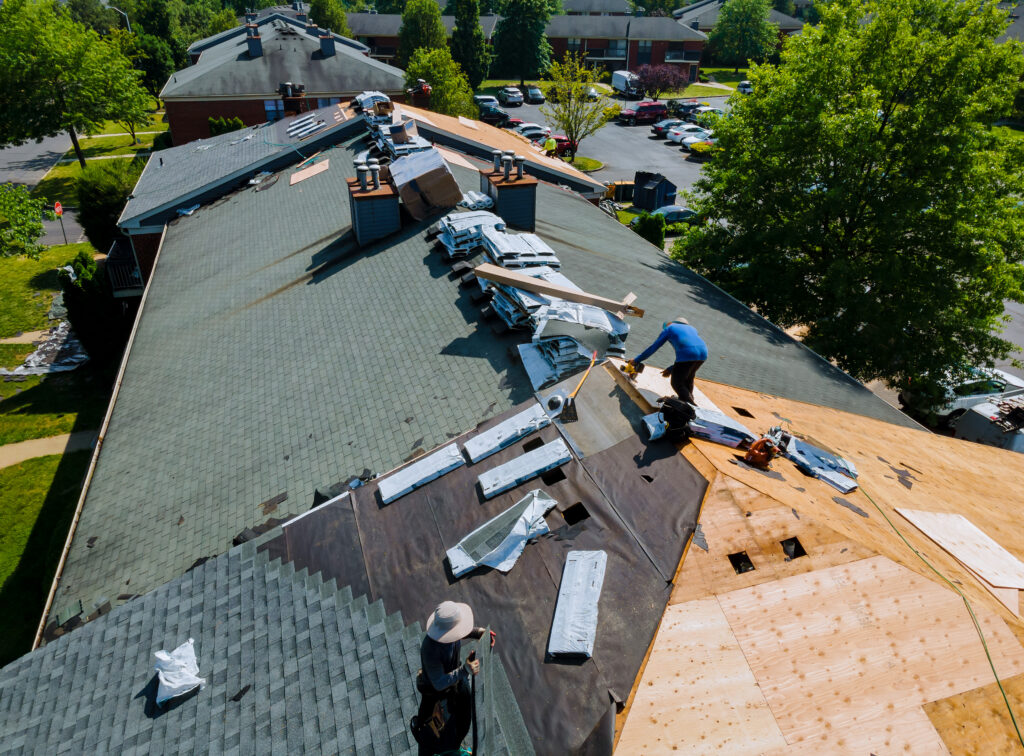
Roof jacks are one of those roofing components most homeowners never think about until something goes wrong, at which point knowing the different types and how each is used becomes very valuable for making informed repair decisions. Johnson Restoration brings over a decade of industry experience to roofing projects in Miamisburg and surrounding areas, with workmanship warranties, financing options, and the expertise to help homeowners with everything from single pipe boot replacements to full roof installations that include OSHA-compliant safety practices throughout. Whether you have a leaking pipe boot causing water stains on your ceiling, you are planning a full roof replacement, or you just want to understand what the contractor is doing during your project, contact Johnson Restoration today for a free estimate and let our team help you protect your home.