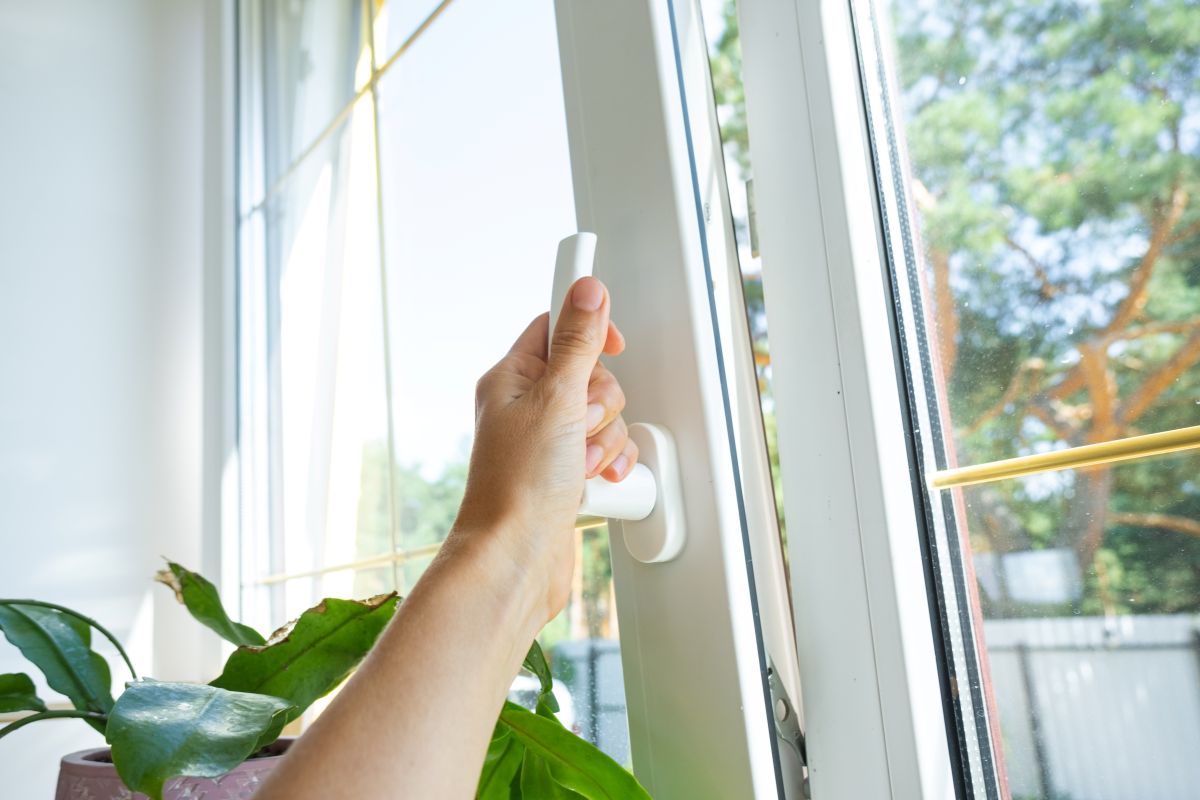

Windows rarely fail all at once. Instead, they wear down slowly, letting in a little more draft, a little more noise, and a little more moisture each year until the problems become hard to ignore. Knowing the signs you need new windows helps you act before small issues turn into higher energy bills or water damage. Some problems can be repaired, while others mean replacement is the smarter long-term move. For homeowners in Sugarcreek and surrounding areas, spotting these red flags early is the first step toward a brighter, more comfortable home.
Here is a quick look at what this guide covers:
- Why aging windows affect more than just your view
- Nine red flags that point to replacement
- Which window problems can simply be repaired
- What to look for when choosing new windows
Why Worn-Out Windows Cost You More Than You Think
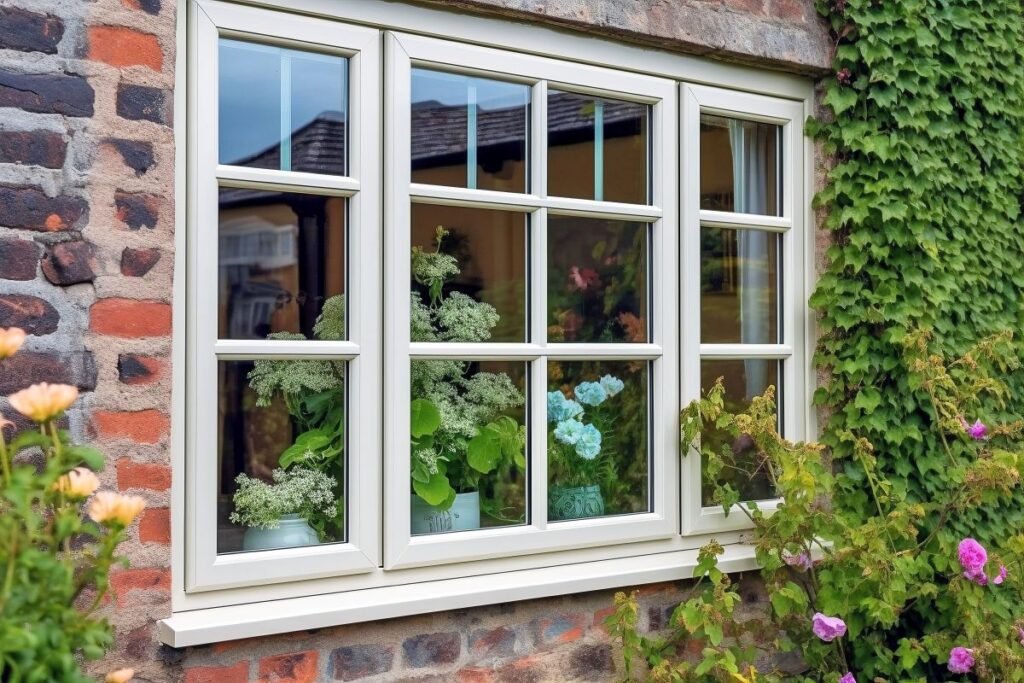
Your windows play a major role in how comfortable, quiet, and efficient your home feels. When seals break down, frames warp, or glass loses its insulating ability, those problems quietly affect your whole house.
There is no fixed age when every window must be replaced, which is why it helps to understand the common reasons homeowners replace their windows. Paying attention to performance matters more than the calendar. Here is why it is worth staying alert:
- Comfort: Drafty windows create cold spots in winter and hot rooms in summer, making it harder to keep your home comfortable.
- Energy efficiency: Air leaks and failed seals force your heating and cooling system to work harder, which can raise utility bills.
- Protection from water damage: Leaky windows can let moisture into walls and floors, leading to rot, mold, and costly repairs.
- Security and safety: Windows that will not lock properly or are difficult to open can be a concern for both security and emergency exits.
Catching these issues early gives you more control over timing and budget. Instead of reacting to a failure, you can plan a window project on your own schedule.
9 Red Flags Your Windows Need Replacing
Some warning signs are easy to see, while others are easier to feel or hear. If you notice several of the issues below, it may be time to start thinking about new windows.
1. You Feel Drafts With the Windows Closed
A steady breeze near a closed window is one of the clearest signs of trouble. Drafts usually mean worn seals, failing weatherstripping, or frames that no longer fit tightly. A simple test is to hold a lit candle or incense stick near the edges on a windy day and watch for flickering smoke.
2. Fog or Condensation Between the Panes
Double-pane and triple-pane windows are sealed units. When moisture or a cloudy film appears between the glass layers, the seal has failed. Once that happens, the window loses much of its insulating value, and the fogging cannot be wiped away.
- Cloudy or hazy glass that will not clean
- Water droplets trapped between panes
- Frost forming inside the glass unit
3. Windows Are Hard to Open, Close, or Lock
Windows should operate smoothly with minimal effort. Sticking sashes, broken balances, or locks that no longer line up can point to warped frames or worn mechanical parts. Beyond the frustration, windows that will not open easily can be a safety risk in an emergency.
4. Rot, Soft Spots, or Warped Frames
Wood frames that feel soft, look discolored, or show peeling paint may be rotting. Vinyl and other frame materials can also warp or crack over time. Damaged frames weaken the window and can allow water into the surrounding wall.
- Soft or crumbling wood around the sill
- Gaps between the frame and the wall
- Cracks or bowing in vinyl frames
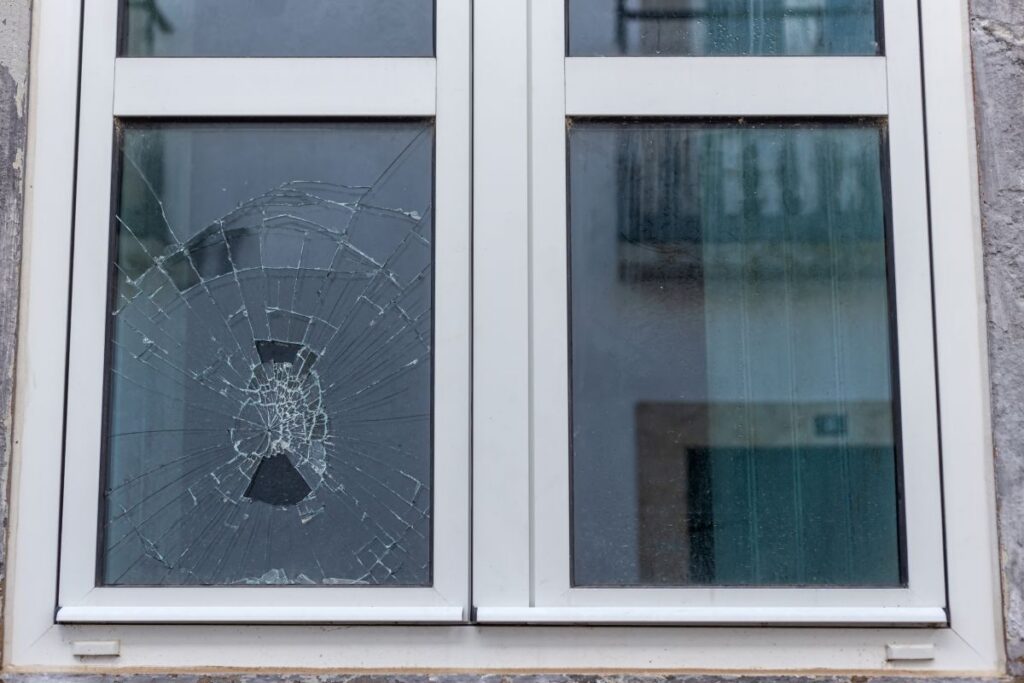
5. Cracked or Damaged Glass
A single cracked pane can sometimes be repaired, but cracks combined with other issues often signal that the whole unit is near the end of its life. Damaged glass also lowers energy efficiency and can be a safety hazard.
6. Rising Energy Bills and Uneven Temperatures
If your heating and cooling costs keep climbing without a clear explanation, your windows may be part of the problem. Rooms that feel noticeably warmer or colder than the rest of the house are another clue that windows are letting conditioned air escape.
7. Outside Noise Seems Louder
Older single-pane windows and units with worn seals do little to block sound. If traffic, neighbors, or lawn equipment seem louder than they used to, your windows may no longer be sealing tightly.
8. Water Leaks or Stains Around Windows
Water stains on walls, ceilings, or sills near a window are a serious warning sign. Leaks can come from failed seals, damaged flashing, or deteriorating frames, and they often cause hidden damage inside the wall.
- Peeling paint or bubbling drywall near windows
- Damp or stained window sills
- Musty odors in nearby rooms
9. Faded Furniture, Floors, or Artwork
Sunlight streaming through older windows can slowly fade fabrics, flooring, and artwork. Many modern windows include low-emissivity coatings that help reduce the ultraviolet light passing through the glass.
If you recognize several of these red flags, your windows are likely costing you comfort and money. Homeowners in Sugarcreek and surrounding areas who notice two or three of these signs often benefit from a professional evaluation before the next season changes.
Repair or Replace? Problems That Can Be Fixed
Not every window issue means you need a full replacement. Some problems are simple fixes that can extend the life of an otherwise healthy window, and knowing the difference helps you spend your budget wisely.
- Sticking from paint or debris: Cleaning tracks and freeing painted-shut sashes can restore smooth operation.
- Worn weatherstripping: Replacing weatherstripping or caulk can reduce minor drafts around a sound frame.
- Broken hardware: Locks, cranks, and handles can often be replaced individually.
- A single cracked pane: Glass can sometimes be replaced without changing the entire window.
- Condensation on the inside surface: Moisture on the room side of the glass is often caused by high indoor humidity rather than a failing window.
The key difference is whether the problem is isolated or widespread. When failed seals, rot, and drafts appear together, replacement usually offers better long-term value than a series of repairs.
Choosing the Right Replacement Windows
Once you decide to replace your windows, the next step is choosing the right product for your home. Frame material, glass features, and installation quality all affect how well your new windows perform for years to come.
| Frame Material | Strengths | Considerations |
| Vinyl | Affordable, low maintenance, energy efficient | Fewer color options on some lines |
| Wood | Classic look, natural insulator | Requires regular painting or sealing |
| Fiberglass | Strong, stable, resists warping | Higher upfront cost |
| Aluminum | Slim frames and modern style | Conducts heat more than other materials |
| Composite | Combines durability with a wood-like look | Price varies widely by brand |
Features Worth Looking For
Beyond the frame, a few features can make a noticeable difference in comfort and efficiency:
- ENERGY STAR certification for your climate zone
- Double-pane or triple-pane glass
- Low-emissivity coatings to manage heat and UV light
- Insulating gas fills between the panes
- Quality weatherstripping and professional installation
Replacing a Few Windows or All at Once
You can replace only the windows showing the worst problems, or you can update the whole house in one project. Bundling several windows into a single installation often lowers the cost per window and gives your home a consistent look.
Whichever approach you choose, proper installation is just as important as the window itself. A poorly installed window can leak and draft no matter how well it was made.
Frequently Asked Questions About Signs You Need New Windows
Window replacement is a big decision, so it is normal to have questions. Here are straightforward answers to some of the ones we hear most often.
How long do windows typically last?
There is no single lifespan for every window. Quality, frame material, installation, and weather exposure all play a role, so condition and performance matter more than age alone.
Is foggy glass between panes worth fixing?
Fogging means the seal has failed. Some glass units can be replaced, but if the window also has drafts, frame damage, or other issues, full replacement is often the better value.
Can new windows lower my energy bills?
Replacing drafty, inefficient windows with energy-efficient models can improve comfort and help reduce heating and cooling costs, especially in older homes.
What is the best time of year to replace windows?
Windows can be replaced in most seasons. Spring and fall are popular because temperatures are mild, but experienced installers can work efficiently year-round.
Do I need to replace all my windows at once?
No. You can replace the worst windows first and handle the rest later, though doing several at once often improves pricing and creates a uniform appearance.
If your question is not answered here, our team is happy to help. A quick inspection can tell you whether your windows need repair or replacement.
Bring Comfort Back Home With Johnson Restoration
Your windows affect your comfort, energy bills, and your home’s protection from the weather every single day. When drafts, fogging, rot, or leaks start showing up, it is a clear sign your windows deserve attention. Johnson Restoration has helped homeowners in Sugarcreek and surrounding areas improve and protect their homes since 2012, with free estimates and a written scope of work on every project. Our team will inspect your windows, explain your options, and help you choose replacements that fit your style and budget. When you are ready to take the next step, contact us today to schedule your free estimate.