
All seasons roofing care in Ohio requires a different approach than in milder climates because the state’s weather cycles through severe thunderstorms in spring and summer, heavy leaf drop in fall, and repeated snow and freeze-thaw cycles in winter, all of which stress different components of a roof system in different ways throughout the year. Homeowners who follow a season-by-season maintenance approach can catch small problems before they become expensive repairs, extend the life of their roof by 5 to 10 years, and preserve their manufacturer warranty coverage. The National Roofing Contractors Association recommends a minimum of two roof inspections per year (spring and fall), but Ohio’s climate really calls for a more comprehensive year-round approach that addresses each season’s specific risks. For homeowners in Dayton and surrounding areas, understanding what to do and when to do it turns roof maintenance from a reactive scramble after storms into a manageable routine that protects the home for decades.
- Why Ohio needs a specific approach: Four distinct seasons each stress different roof components.
- What the payoff is: 5 to 10 additional years of roof life plus preserved warranty coverage.
- What you will learn: 8 practical tips covering all four seasons, plus answers to common questions.
Why Year-Round Roof Care Matters in Ohio’s Climate

Why year-round roof care matters in Ohio’s climate comes down to the fact that no single seasonal inspection catches everything, and problems that go unnoticed for months can turn small repairs into major replacements. Understanding the specific risks each season brings helps homeowners plan the right maintenance at the right time.
What Ohio Weather Does to Roofs Season by Season
Ohio weather does specific damage to roofs in each season: spring brings severe thunderstorm winds that lift shingles and heavy rain that finds any weak flashing, summer combines UV exposure with high humidity that accelerates asphalt shingle aging, fall drops thousands of leaves that clog gutters and hold moisture against fascia boards, and winter delivers snow loads, ice dams, and repeated freeze-thaw cycles that stress every joint and seam. Homeowners who address each season’s specific risks proactively catch problems while they are still cheap to fix. Waiting until leaks show up inside the house typically means damage has already spread to sheathing, insulation, and sometimes framing, turning what could have been a $300 repair into a $3,000 or larger project. In Dayton and surrounding areas, where the freeze-thaw cycle count exceeds 60 events per winter, this proactive approach pays back significantly.
- Spring: Wind damage and heavy rain infiltration.
- Summer: UV exposure and humidity-driven aging.
- Fall: Leaf debris clogging gutters and holding moisture.
- Winter: Snow loads, ice dams, freeze-thaw stress.
How Deferred Maintenance Compounds Roof Damage
Deferred maintenance compounds roof damage because most roof problems get worse over time in predictable ways. A small area of missing shingles from a spring storm exposes underlayment to summer UV, which weakens it before fall rains push water past the exposed layer, which then freezes and expands during winter, tearing the underlayment further. What started as a $200 shingle replacement becomes a $2,000 deck repair after 12 months of compounding damage. The math strongly favors catching and fixing problems within days or weeks of their appearance rather than waiting for a scheduled inspection cycle. This is why the year-round approach outlined in the tips below (with quick attention after any severe weather event) protects both the roof and the homeowner’s budget better than seasonal-only maintenance.
- Small damage grows: Each weather cycle expands the affected area.
- Multi-layer damage: Problems spread from shingles to underlayment to deck.
- Cost multiplier: Deferred repairs typically cost 5 to 10 times more.
- After-storm inspections: Critical for catching problems early.
8 Tips for Year-Round Roof Care in Ohio
Eight practical tips cover the full annual cycle of roof care in Ohio’s climate, from spring inspection through winter storm response. Working through each of these once a year addresses the vast majority of preventable roof problems.
1. Schedule a Spring Roof Inspection After the Last Freeze
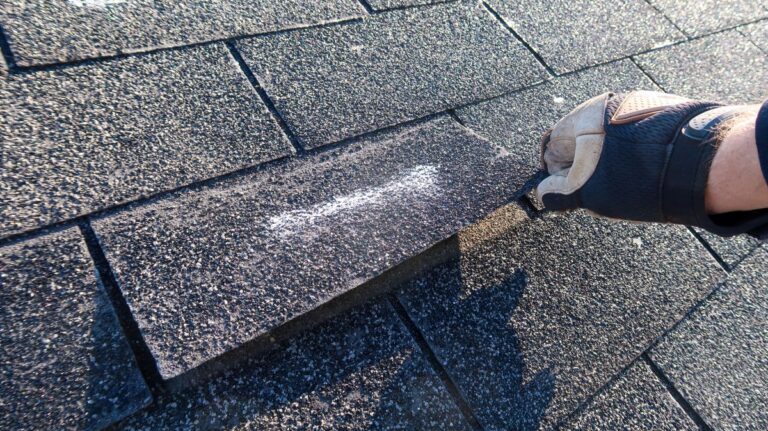
A spring roof inspection after the last freeze (typically mid-April in the Dayton and surrounding areas region) is the most important single maintenance step because it catches everything the winter did to your roof while damage is still small and cheap to fix. A qualified roofing contractor should walk the roof, inspect flashing at every penetration, check for lifted or missing shingles, examine the underlayment where visible, look for granule loss on asphalt shingles, and inspect the attic for any signs of water infiltration. Spring inspections also give homeowners time to schedule any needed repairs before summer storms arrive. Many roofing contractors offer free or discounted spring inspections; the value comes from having a professional eye examine details that homeowners typically can’t see safely from the ground.
- Timing: Mid-April in Dayton and surrounding areas.
- Scope: Full roof walk plus attic inspection.
- What to check: Flashing, shingles, underlayment, granule loss, water signs.
- Value: Catches winter damage before summer storms compound it.
2. Clean Gutters Twice a Year (Spring and Late Fall)
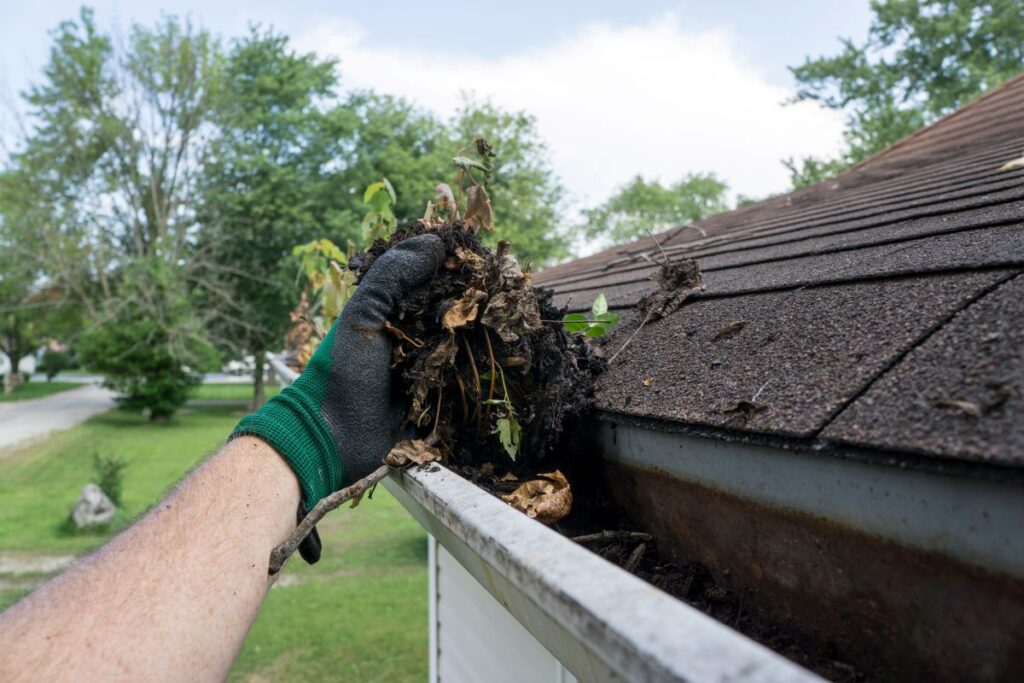
Cleaning gutters twice a year (once in spring after tree debris settles, once in late fall after all leaves have dropped) is one of the highest-value maintenance tasks a homeowner can do because clogged gutters cause more roof and foundation damage than almost any other single failure. Backed-up gutters push water behind fascia boards, up under roof edges, and into soffits where it causes rot, mold, and eventually structural damage. Late fall cleaning (typically mid-November in the Dayton and surrounding areas region) is especially important because clogged gutters going into winter trigger the exact conditions that cause ice dams. Homeowners uncomfortable with ladder work should hire a gutter cleaning service, which typically costs $100 to $250 per visit and pays back far more than that in avoided damage.
- Spring timing: After tree buds and seed pods drop.
- Fall timing: Mid-November after all leaves have fallen.
- Cost of service: $100 to $250 per professional cleaning.
- Ice dam link: Clogged fall gutters cause winter ice dams.
3. Trim Tree Branches Away from the Roof
Trimming tree branches away from the roof prevents multiple failure modes: branches that scrape shingles during wind wear away the granular surface, branches that overhang the roof drop leaves into gutters, branches that fall during storms can puncture the roof, and shaded areas of the roof accumulate moss and algae more quickly. The general rule is to keep branches at least 10 feet from the roof surface, and to remove any dead or damaged limbs immediately regardless of distance. Tree trimming is best done in late winter or early spring while trees are dormant and before leaf-out. Professional arborists charge $200 to $1,500 depending on tree size and complexity, and the investment protects both the roof and the tree itself (proper pruning improves tree health).
- 10-foot clearance: From the roof surface as a general rule.
- Dead limbs: Remove immediately regardless of distance.
- Best timing: Late winter or early spring while dormant.
- Cost: $200 to $1,500 professional tree service.
4. Check Attic Ventilation and Insulation Before Winter
Checking attic ventilation and insulation before winter is critical because these two systems working together prevent the ice dam formation that damages so many Ohio roofs. According to the U.S. Department of Energy’s Building America Solution Center, ice dams can form with as little as 2 inches of snow accumulation on a roof when heated air from the house escapes into the attic, warms the underside of the roof deck, and melts the snow above, and the three best ways to combat ice dam formation are to fully air seal the ceiling plane, thoroughly insulate the attic, and ventilate the roof. Check that soffit vents are not blocked by insulation, that the attic has proper baffles at every rafter bay, and that insulation levels meet R-49 to R-60 for Ohio’s climate zone. A properly ventilated attic stays close to outdoor air temperature, which prevents the melting-refreezing cycle that creates ice dams.
- 2 inches of snow: Enough to trigger ice dam formation.
- Three fixes: Air seal, insulate, ventilate the ceiling and attic.
- R-49 to R-60: Recommended attic insulation for Ohio climate.
- Soffit vent baffles: Ensure air flow from soffit to ridge.
5. Inspect Flashing and Seals at Every Penetration
Inspecting flashing and seals at every roof penetration should happen at least twice a year (spring and fall) because flashing failures cause the majority of interior water damage that homeowners initially misattribute to shingle problems. The penetrations to check include chimney bases, plumbing vent pipes, skylights, roof-wall junctions, dormer intersections, and any other spot where the roof surface meets another material. Look for lifted or separated metal, crumbling caulk, rust or corrosion, and missing sealant. Small issues (like caulk that has dried out and cracked) are quick to fix; large issues (like chimney flashing that has separated from the roof) require professional repair before the next rainfall. Photograph any suspect areas and share the images with a roofing contractor for a second opinion.
- Common failure points: Chimneys, vent pipes, skylights, wall junctions.
- What to look for: Lifted metal, crumbling caulk, rust, missing sealant.
- Frequency: Twice yearly plus after major storms.
- Response speed: Fix before the next significant rainfall.
6. Prevent Ice Dams Before They Start
Preventing ice dams before they start requires action in fall, not winter, because by the time an ice dam forms it is very difficult to safely remove without damaging the roof. Fall preparation includes making sure gutters are completely clear, verifying attic insulation and ventilation are adequate (see tip 4), and installing snow guards or heat cable in problem areas of the roof if ice dams have formed in previous winters. During winter storms, use a roof rake (a long-handled tool designed for snow removal) to pull snow off the lower 3 to 4 feet of the roof before ice dams can form. Never use ice picks, shovels, or salt on the roof; these damage shingles and flashing. If ice dams do form, hire a professional with steam removal equipment rather than attempting DIY removal.
- Fall preparation: Gutter clearing plus attic assessment.
- Roof rake: Safe tool for removing snow from the eaves.
- Never use: Ice picks, shovels, or salt on the roof.
- Ice dam removal: Hire professionals with steam equipment.
7. Monitor for Storm Damage Throughout the Year
Monitoring for storm damage throughout the year (rather than only during scheduled inspections) is important because Ohio’s severe weather can hit at any time and damage that gets missed for weeks or months compounds significantly. After any severe thunderstorm with hail or winds above 50 mph, walk the perimeter of the house and look up at the roof for missing or lifted shingles, look at the ground for shingles or granule accumulation, and check the interior ceilings for any new water stains. Take photographs of any suspect areas and contact a roofing contractor if anything looks off. Most insurance policies have a 12-month deadline from the date of the storm to file a claim, so catching storm damage quickly also protects insurance coverage. Storm damage inspections are typically free from reputable local contractors.
- After 50+ mph winds: Perimeter walk plus interior ceiling check.
- Photograph everything: Documentation supports insurance claims.
- 12-month claim window: Typical insurance deadline.
- Free inspections: Available from most reputable contractors.
8. Book a Professional Roof Tune-Up Annually
Booking a professional roof tune-up annually turns all of the above tips into a systematic maintenance program run by qualified roofers who can safely access the roof and address small problems before they grow. A typical roof tune-up includes a full inspection, minor sealant repairs, replacement of a small number of damaged shingles, flashing tightening, gutter clearing, and a written condition report. Tune-ups typically cost $250 to $600 depending on roof size and complexity, and they extend roof life significantly compared to reactive-only maintenance. Many contractors also offer multi-year maintenance packages that lock in pricing and ensure the roof gets consistent care over its full service life.
- Scope: Inspection, minor repairs, sealant, gutters, written report.
- Cost: $250 to $600 depending on roof size.
- Frequency: Once yearly plus after major storms.
- Multi-year plans: Lock in pricing for consistent care.
When to Call a Professional vs. Handle It Yourself
When to call a professional vs. handle it yourself comes down to safety, technical complexity, and warranty considerations. A structured approach helps homeowners make the right call for each situation.
What Homeowners Can Safely Do Themselves
Homeowners can safely do ground-level tasks themselves: visual inspections from the ground with binoculars, walking the perimeter after storms, checking interior ceilings for stains, monitoring the attic during and after heavy rain, and clearing debris from accessible gutters if comfortable on a ladder. These tasks require no roof access and pose minimal risk if reasonable precautions are followed. What matters most is doing them consistently rather than skipping them for months at a time. A monthly perimeter walk plus a post-storm check catches most issues that will develop into major problems.
- Ground-level visual inspections: Safe with binoculars.
- Post-storm perimeter walks: No ladder required.
- Interior ceiling monitoring: Look for new water stains.
- Attic checks during rain: Look for active drips or new stains.
When to Hire a Roofing Contractor
Homeowners should hire a roofing contractor for any task that requires roof access, any repair to shingles or flashing, any assessment of storm damage, any suspicion of active leaks, any warranty-related repair, and any work near the chimney or complex flashing details. Falls from roofs are one of the leading causes of home improvement injuries, and even minor incorrect repairs can void manufacturer warranties. Professional roofing contractors carry insurance, have the right equipment, and can safely and correctly complete work that would be risky or improper for homeowners to attempt themselves.
- Roof access: Never safe for most homeowners.
- Shingle repairs: Require professional work to preserve warranty.
- Storm damage assessment: Free from most local contractors.
- Warranty repairs: Must be done by qualified installers.
Frequently Asked Questions
How Often Should I Have My Roof Inspected in Ohio?
You should have your roof professionally inspected at least twice a year in Ohio (once in spring after winter, once in fall before winter), plus after any severe storm with hail or winds above 50 mph. Older roofs (15+ years) benefit from more frequent inspections. The National Roofing Contractors Association recommends this twice-yearly schedule as the minimum standard for maintaining warranty coverage and catching problems early.
What Are the Signs My Roof Needs Repair vs. Full Replacement?
Signs your roof needs repair include isolated missing shingles, small areas of lifted flashing, a single small leak, and localized storm damage. Signs your roof needs full replacement include widespread granule loss across most of the roof surface, multiple leaks in different areas, sagging roof deck visible from inside or outside, roof age over 20 to 25 years for asphalt shingles, and repeated repair costs approaching 30 percent of replacement cost. A professional inspection can identify which category your roof falls into.
Can I Do My Own Roof Inspection Safely?
You can safely do visual inspections from the ground with binoculars and from your attic looking for water signs, but you should not walk on the roof yourself unless you have specific training and safety equipment. Falls from roofs cause serious injuries and even deaths every year in the U.S. Professional roofing contractors have the harnesses, ladders, and experience to safely inspect roofs, and the cost of a professional inspection ($150 to $400) is far less than a hospital bill from a fall.
How Much Does Annual Roof Maintenance Cost in Ohio?
Annual roof maintenance in Dayton and surrounding areas typically costs $400 to $1,200 for the full package: two professional inspections ($150 to $400 each), spring and fall gutter cleaning ($100 to $250 each), and occasional minor repairs. This is a small fraction of the $12,000 to $30,000 cost of full roof replacement, and consistent maintenance extends roof life by 5 to 10 years, which more than pays back the maintenance cost over time.
Are Roof Maintenance Costs Tax Deductible?
Roof maintenance costs on a primary residence are generally not tax deductible for individual homeowners, though improvements that qualify for energy efficiency tax credits (like adding attic insulation) may be. Rental property owners can deduct roof maintenance as a business expense. Home office deductions may allow a portion of maintenance costs to be deducted. Consult a tax professional for specifics about your situation.
What Should I Do If I Find Storm Damage on My Roof?
If you find storm damage on your roof, take photographs from the ground before doing anything else, contact your homeowner’s insurance company to start a claim, and hire a reputable local roofing contractor to inspect and provide a written damage assessment. Do not sign any contract that gives the contractor rights to negotiate with your insurance company on your behalf. Legitimate storm damage repair is covered under most homeowner policies, subject to your deductible.
Why Dayton Homeowners Trust Johnson Restoration for Roof Care
Year-round roof care is one of the highest-value maintenance investments a homeowner can make, and the right approach combined with the right contractor can add 5 to 10 years of service life to any roof while catching small problems before they turn into expensive repairs. Johnson Restoration brings over a decade of industry experience to roof inspection, maintenance, and repair projects in Dayton and surrounding areas, with workmanship warranties, financing options, and the local expertise to help homeowners navigate Ohio’s four-season climate confidently. Whether you are scheduling a spring inspection, addressing storm damage, planning fall preparation for winter, or just want a second opinion on your roof’s condition, contact Johnson Restoration today for a free estimate and let our team help you protect your home for decades to come.