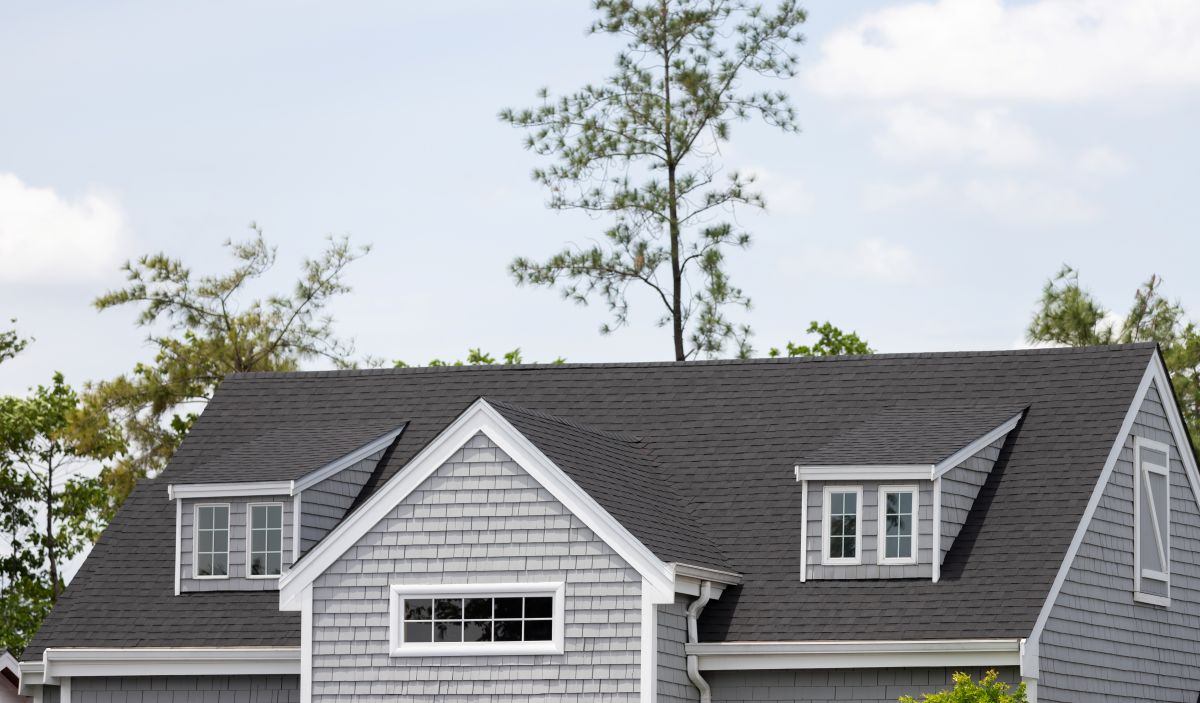

Hurricane roof straps are one of the most effective ways to secure your home against strong winds and severe weather. Designed to strengthen the connection between a roof and its supporting walls, these metal ties provide extra stability during storms, helping prevent structural separation and roof uplift. For homeowners in Miamisburg and surrounding areas, where high winds and seasonal storms can cause significant roof damage, hurricane roof straps are an affordable, long-term investment in safety.
- Purpose: Keeps the roof firmly attached to the structure during extreme wind events.
- Benefit: Reduces the risk of costly roof or framing damage.
- Longevity: Built from corrosion-resistant metal for decades of dependable performance.
Even if your area isn’t in a coastal hurricane zone, installing roof straps offers valuable peace of mind and increased protection against strong Ohio winds and severe storms.
What Are Hurricane Roof Straps?
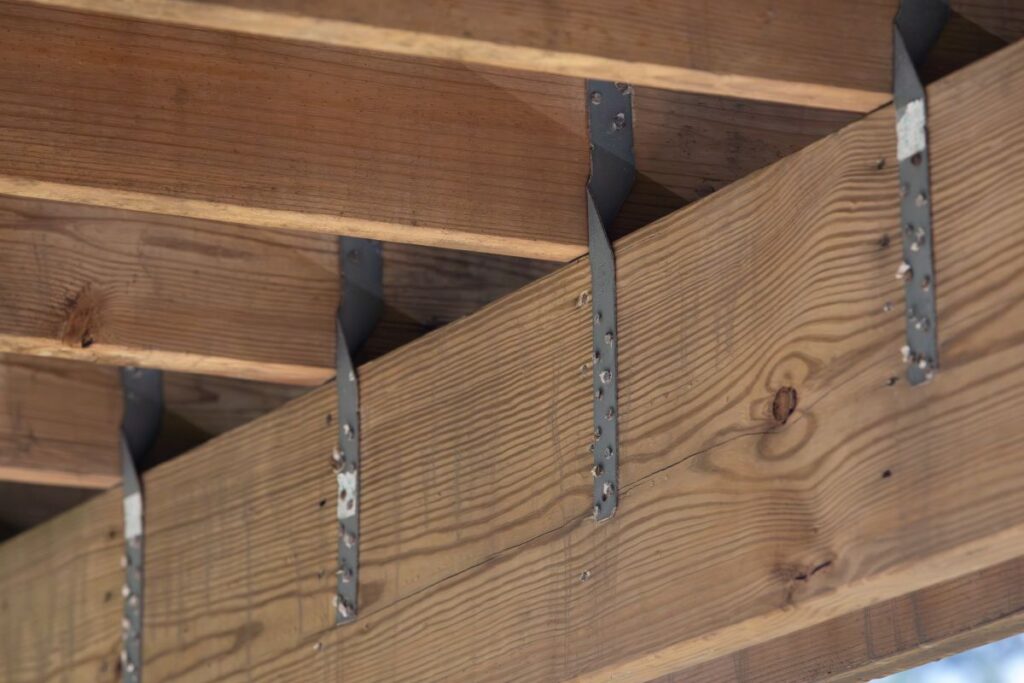
Hurricane roof straps—also called hurricane ties or clips—are heavy-duty metal fasteners that reinforce the structural connection between a home’s roof trusses and wall framing.
- Material: Usually made from galvanized steel or stainless steel for superior strength.
- Design: L-shaped or U-shaped connectors installed at key framing joints.
- Function: Distributes wind pressure evenly across the structure to prevent uplift.
These straps are small but powerful, playing a critical role in protecting your roof and home during high-wind conditions. By anchoring these sturdy metal ties directly to your roof trusses, you establish a rigid structural bond that keeps your entire attic framing tightly locked against the walls.
How Hurricane Roof Straps Work
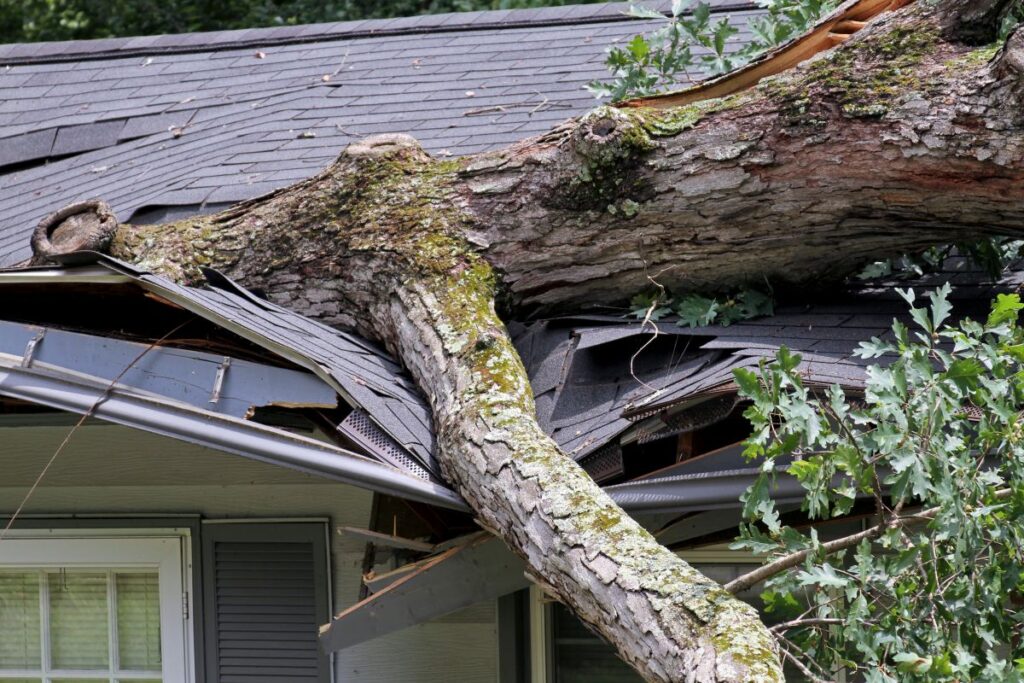
When strong winds hit a house, they create upward pressure on the roof. Without secure connections, that pressure can lift or peel the roof away from the walls. Hurricane roof straps help resist that force by anchoring the roof framing directly to the home’s wall plates and foundation.
- Increased load transfer: Transfers wind pressure from the roof to the building’s walls.
- Reinforced joints: Strengthens connections between rafters, trusses, and wall plates.
- Comprehensive stability: Prevents roof sections from lifting or separating.
This added structural integrity greatly reduces the risk of catastrophic roof loss during storms, protecting both property and occupants. Without these heavy-duty fasteners holding everything together, any severe wind damage to roof sections can quickly escalate into a complete blow-off scenario.
When To Consider Installing Hurricane Roof Straps
Even though the term “hurricane” might suggest coastal use, roof straps are valuable additions for homes in areas prone to severe thunderstorms and wind events.
- Frequent high winds: Properties in open or elevated areas benefit from reinforced connections.
- Storm-prone regions: Ohio’s seasonal wind and storm systems can cause uplift without warning.
- Older homes: Structures built before modern building codes may lack proper roof anchoring.
- New construction: Installing straps during the building process ensures maximum protection at minimal added cost.
For Miamisburg homeowners, roof straps can be especially beneficial during tornado season or when severe windstorms sweep through the region.
Benefits of Hurricane Roof Straps
Installing hurricane roof straps provides several structural and financial advantages.
- Wind protection: Prevents roof uplift and detachment during strong storms.
- Insurance savings: Some policies may offer discounts for homes with reinforced roofs.
- Long-term security: Provides permanent reinforcement that requires little to no maintenance.
- Versatile application: Works with wood-frame, truss, and rafter systems.
- Peace of mind: Protects your home and family during unpredictable weather.
Given the relatively low cost and high performance, roof straps offer one of the best returns on investment for home safety improvements. In addition to those ongoing premium discounts, having this documented structural reinforcement can heavily work in your favor when navigating complex storm damage insurance claims following a major regional weather event.
Types of Hurricane Roof Straps
There are several types of hurricane straps, each designed for specific building structures and roof styles.
- Single hurricane ties: Connect individual trusses or rafters to the top plate.
- Double hurricane ties: Used for larger roofs that need added support on both sides.
- Twist straps: Designed to fit around angled joints and tight framing spaces.
- Heavy-duty connectors: Provide maximum reinforcement for roofs in high-wind zones.
Your roofing contractor can recommend the right type of strap based on your home’s construction and exposure level.
5 Steps in the Hurricane Roof Strap Installation Process
Installing hurricane roof straps is a straightforward process for trained professionals, but precision is key to ensure maximum strength and reliability.
- Structural Evaluation: A roofing professional inspects the attic and framing to determine where straps are needed and whether existing connections meet code requirements.
- Material Selection: The correct size and style of galvanized or stainless-steel straps are chosen based on the building’s framing design.
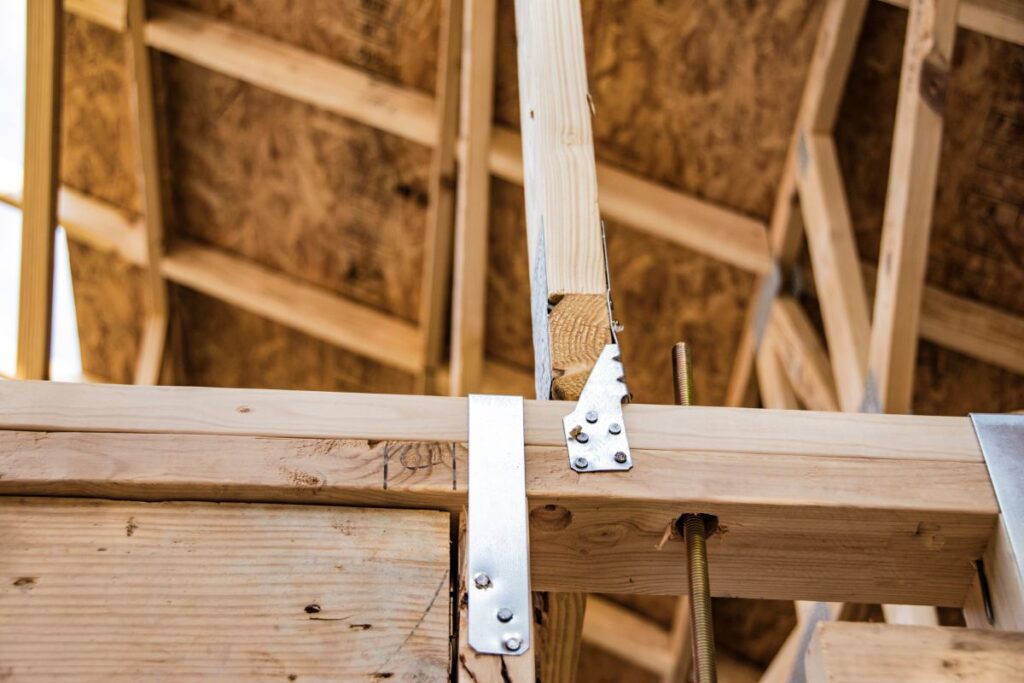
- Placement and Alignment: Straps are positioned at each truss or rafter joint, ensuring they align correctly with both the top plate and framing members.
- Fastening and Securing: Each strap is fastened with galvanized nails or screws for corrosion resistance and long-term holding power.
- Final Inspection: A final check ensures all straps are installed properly, with no missed connections or gaps that could weaken protection.
When installed correctly, hurricane straps form a continuous load path from the roof to the foundation, strengthening the entire structure against wind uplift.
How Hurricane Straps Compare to Other Reinforcement Options
While hurricane roof straps are one of the most effective methods for securing roofs, other reinforcement techniques may also be used.
| Reinforcement Method | Purpose | Cost | Installation Complexity | Ideal Use |
| Hurricane Roof Straps | Prevents uplift by tying roof to walls | Low | Moderate | Most homes and businesses |
| Roof Deck Adhesives | Bonds decking to rafters or trusses | Moderate | Moderate | New construction |
| Hurricane Clips | Small connectors reinforcing rafter joints | Low | Simple | Retrofit applications |
| Structural Bracing | Adds cross-support beams for high wind loads | High | Complex | Industrial or multi-story buildings |
For most homeowners, hurricane roof straps strike the right balance of affordability, effectiveness, and ease of installation.
Maintenance and Inspection Tips
Once installed, hurricane straps require very little upkeep, but periodic inspection helps ensure they remain secure and corrosion-free.
- Inspect annually: Check visible straps in attics or crawl spaces for rust or loose fasteners.
- After major storms: Look for structural movement or visible separation in joints.
- Touch-up coating: Apply anti-corrosion spray if metal begins to show discoloration.
- Avoid DIY adjustments: Only qualified professionals should tighten or replace fasteners.
- Re-evaluate during renovations: Ensure straps remain properly aligned after framing or roofing updates.
With occasional inspections, roof straps can continue providing dependable protection for decades.
Why Hurricane Roof Straps Make Sense in Ohio
While Ohio isn’t a coastal state, high wind events are common throughout the region—especially during spring and fall. Homeowners often underestimate the pressure these storms can place on roofs, siding, and structural framing. These sudden microbursts and straight-line winds are notorious for causing multiple types of roof damage, ranging from completely ripped-off decking to severely compromised framing joints.
- Tornado and thunderstorm activity: Sudden gusts can exceed 80 mph.
- Seasonal roof uplift risk: High winds often follow heavy rain, weakening roofing materials.
- Insurance advantages: Some insurers recognize roof reinforcement as a premium-reducing feature.
- Long-term durability: Galvanized straps resist corrosion from Ohio’s humid climate.
For homes in Miamisburg and surrounding areas, installing hurricane roof straps is a proactive step that helps prevent costly repairs after major weather events.
Strengthen Your Roof With Johnson Restoration
At Johnson Restoration, we know Ohio may not face hurricanes, but we do experience powerful windstorms, heavy rain, snow loads, and severe weather that can put real stress on your roof. That’s why strong, reliable roofing protection still matters. Our team helps homeowners in Miamisburg and surrounding areas reinforce their homes with proven solutions, including the installation and reinforcement of hurricane roof straps designed to improve overall roof stability.
As a trusted local roofing company, we deliver quality craftsmanship, lasting materials, and dependable service that gives you peace of mind through every season. Whether you’re reinforcing an older roof or preparing for future storms, contact Johnson Restoration today to learn how hurricane roof straps can help protect your home for years to come.