
Recognizing when it’s time for soffit replacement can help homeowners protect their roof, attic, and overall home structure from serious damage. The soffit, the material that covers the underside of your roof’s overhang, plays a key role in ventilation and weather protection. Over time, exposure to moisture, pests, and temperature changes can cause this area to deteriorate, making professional attention essential for maintaining your home’s health and appearance.
- Ventilation support: Soffits allow fresh air to flow through the attic, preventing moisture buildup.
- Weather protection: Shields rafters and roof edges from rain, snow, and debris.
- Structural importance: Helps maintain the integrity and lifespan of your roofing system.
Knowing the warning signs of damage can help you act quickly before small issues turn into costly repairs.
The Purpose of Soffits in Your Roofing System
Soffits serve as both a protective and functional feature of your roof. They help circulate air through the attic, reducing heat buildup in summer and moisture accumulation in winter. This balance keeps your roofing materials from aging prematurely.
In addition to ventilation, soffits add visual appeal by creating a finished look beneath the roofline. They also serve as a barrier against pests and birds that might otherwise enter your attic. Without them, exposed rafters could absorb moisture and weaken over time.
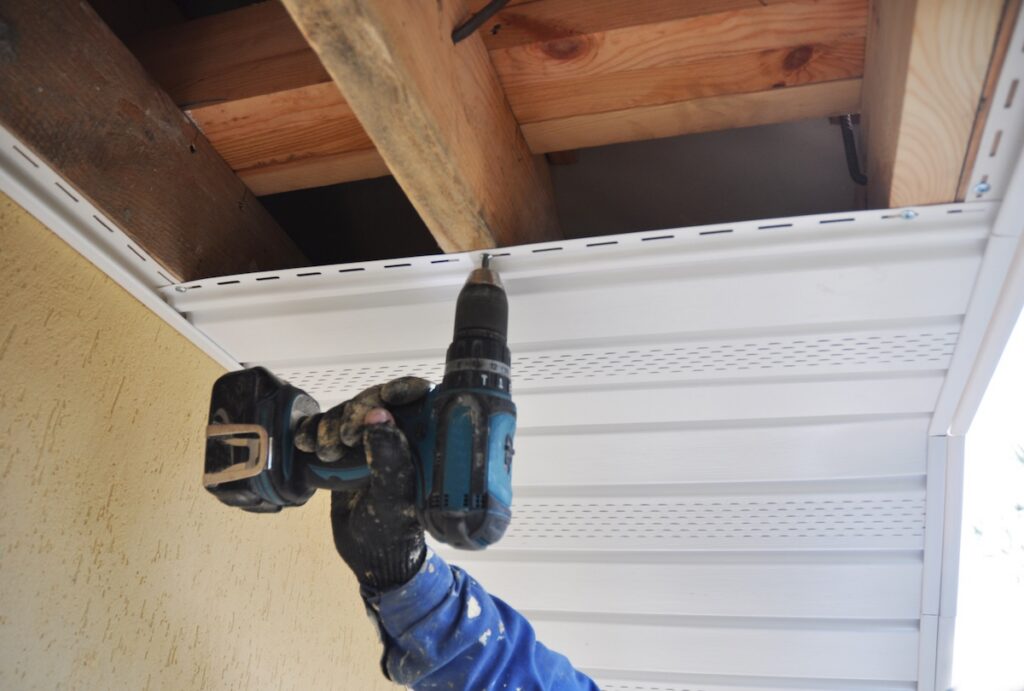
Why Soffit Damage Should Never Be Ignored
Even small cracks or gaps in your soffit can lead to major problems. Moisture intrusion is the most common issue, which can cause wood rot, mold growth, and structural damage. Damaged soffits can also reduce energy efficiency by disrupting attic airflow.
Because soffits are connected directly to fascia boards and roof edges, damage often spreads quickly. Repairing or replacing damaged soffits early helps protect your entire roofing system and maintain your home’s curb appeal.
8 Common Signs You Need Soffit Replacement
When soffits begin to deteriorate, they’ll often show clear signs of distress. Identifying these early allows you to contact a professional before more severe roof or attic damage occurs.
1. Visible Cracks or Holes
Cracks, holes, or sagging panels indicate the soffit material is failing. This damage often allows water and pests to enter, accelerating decay in the wood structure beneath.
- Quick fix: Small holes can sometimes be sealed, but widespread cracking usually means replacement is needed.
2. Peeling Paint or Discoloration
Peeling paint or dark stains along your roofline are often signs of trapped moisture. This can result from poor ventilation or clogged gutters that cause water to back up under the roof edge.
- Pro insight: Repainting without addressing the underlying moisture problem will only lead to recurring damage.
3. Mold or Mildew Growth
If you notice black spots or mildew forming on your soffits, there may be a leak or insufficient attic ventilation. Mold can spread quickly and compromise air quality inside your home.
- Warning: Mold presence often means hidden damage is already occurring behind the soffit panels.
4. Soft or Rotted Wood
Wood soffits that feel soft to the touch are a major red flag. Rot typically results from long-term moisture exposure, and replacement is the only lasting solution.
- Best action: Have a roofing contractor inspect the extent of the damage before it spreads to rafters or fascia boards.
5. Pest or Bird Infestations
Birds, squirrels, and insects are known to exploit weak soffits. They can enter small gaps and cause significant nesting damage or block ventilation openings.
- Preventative measure: Replace damaged panels and install vent screens to keep pests out.
6. Poor Attic Ventilation
If your attic feels excessively hot or humid, damaged or blocked soffits may be to blame. When airflow is restricted, condensation builds up, leading to mold and insulation problems.
- Professional solution: A roofing contractor can inspect ventilation pathways and recommend upgrades during soffit replacement.
7. Water Stains or Dripping Edges
Water stains along the soffit or dripping from roof overhangs suggest a leak in the roof edge or gutter system. This moisture can quickly deteriorate soffit materials and nearby trim.
- Immediate step: Address gutter or flashing issues along with any damaged soffits for a complete fix.
8. Sagging or Warped Panels
Warping indicates that the soffit material has absorbed moisture or expanded due to temperature changes. Sagging panels are also more likely to detach during high winds.
- Long-term fix: Replace warped sections with durable materials like vinyl or aluminum for lasting protection.
If you notice any of these signs, scheduling an inspection with a roofing professional is the best next step.
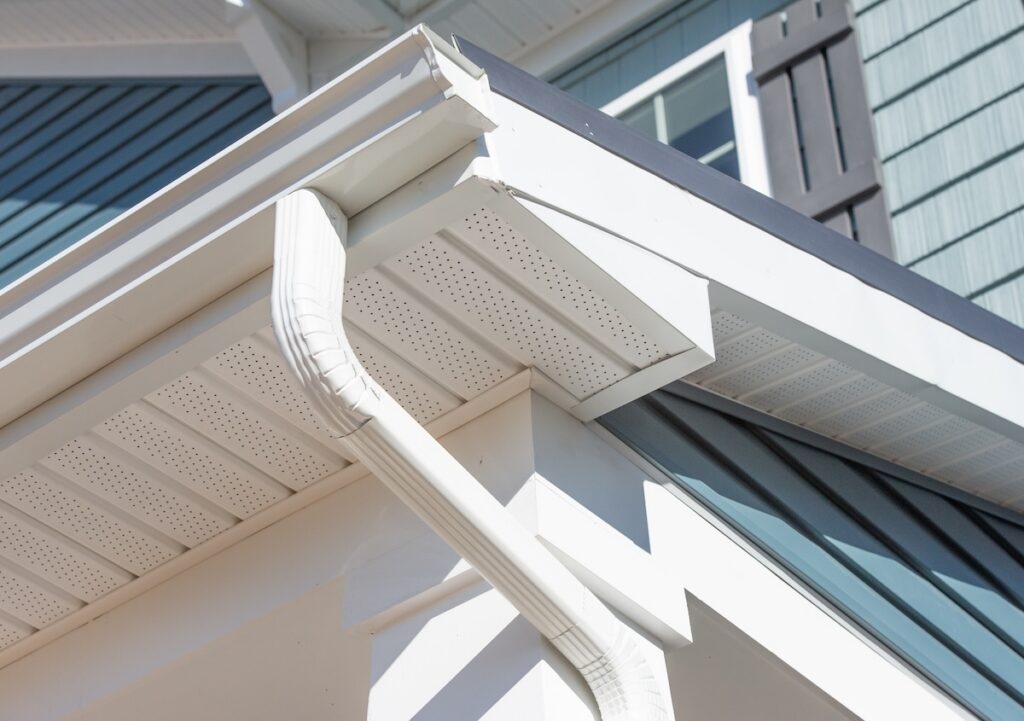
Best Materials for Soffit Replacement
Soffits are available in several materials, each offering different benefits in terms of durability, appearance, and maintenance. Choosing the right option depends on your home’s design, budget, and climate.
- Vinyl: Affordable, low-maintenance, and resistant to moisture and pests.
- Aluminum: Strong, lightweight, and excellent for improved ventilation.
- Wood: Offers a natural, traditional look but requires frequent maintenance.
- Fiber cement: Durable and resistant to fire, insects, and decay.
- Composite: Combines strength and weather resistance with minimal upkeep.
For homes in Ohio, vinyl and aluminum soffits are the most popular due to their balance of cost-effectiveness and performance.
The Soffit Replacement Process
Replacing soffits requires precision and attention to detail. A professional contractor ensures proper ventilation, fit, and protection throughout the process.
- Inspection: The contractor checks for hidden damage in fascia boards and rafters.
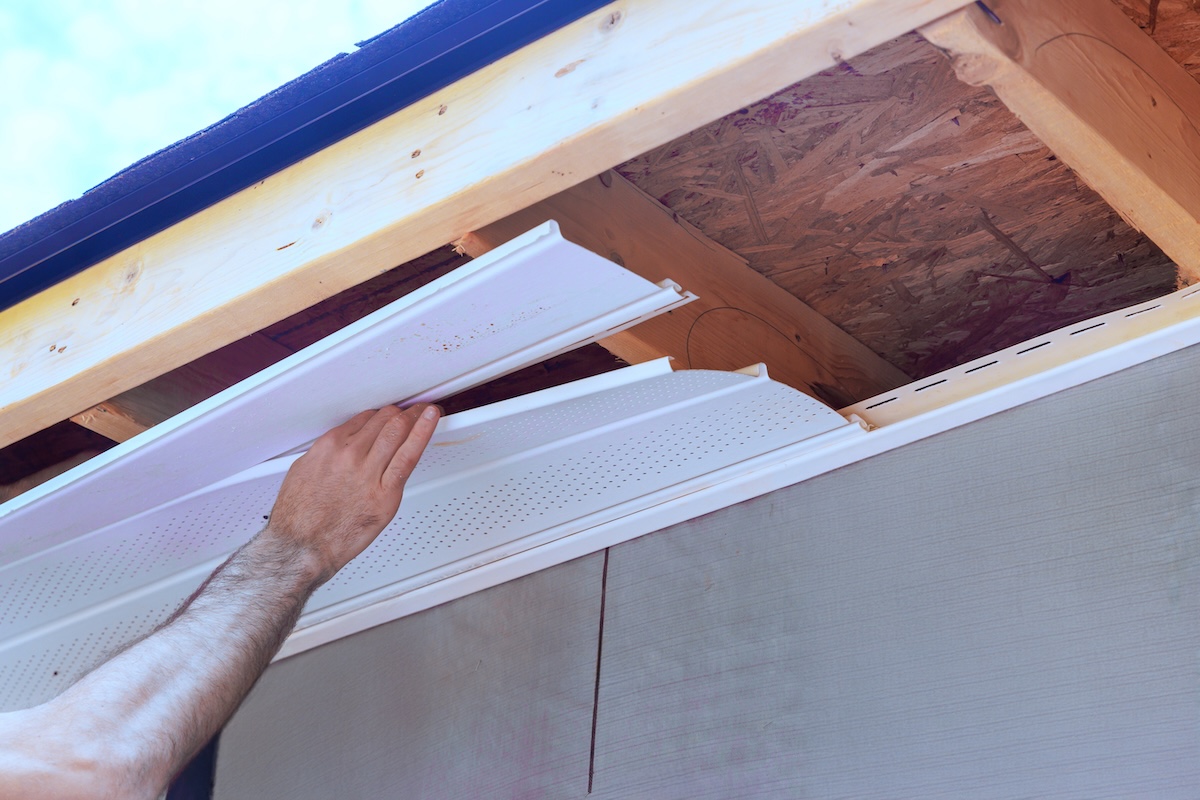
- Removal: Old or damaged soffit panels are carefully removed without disturbing surrounding materials.
- Repair and prep: Any damaged wood or flashing is repaired before new panels are installed.
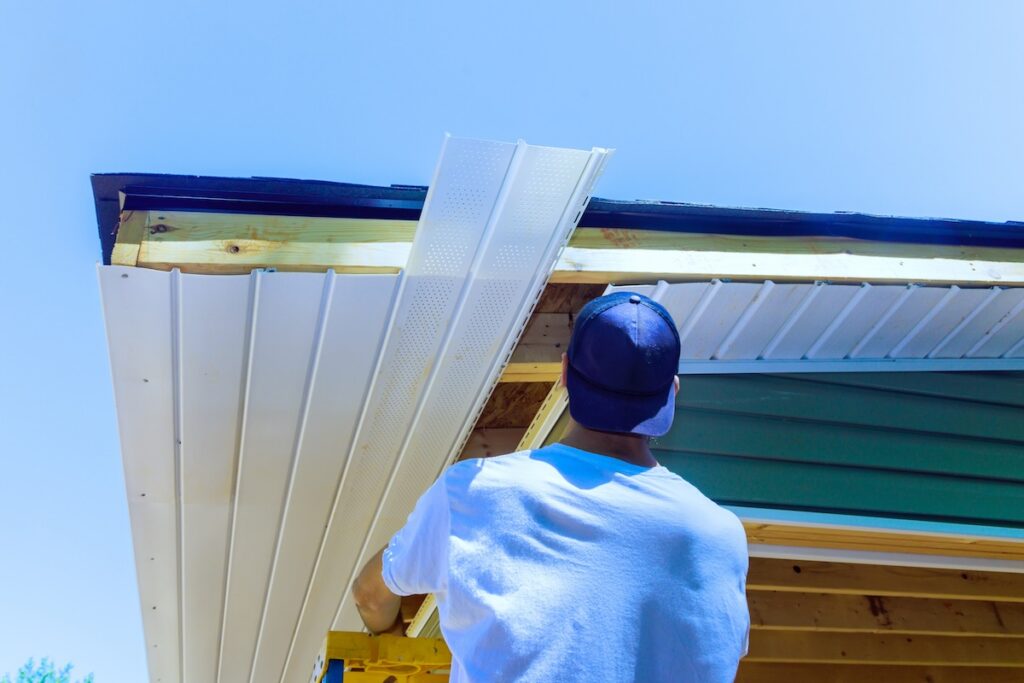
- Installation: New soffits are cut to size, fitted securely, and ventilated properly.
- Finishing touches: The system is sealed, painted, or trimmed for a seamless, polished appearance.
When completed by an experienced roofing team, this process not only restores function but also enhances your home’s curb appeal.
Preventing Future Soffit Damage
Once your soffits have been replaced, a few simple maintenance habits can help extend their lifespan and prevent future issues.
- Clean gutters regularly: Keep water flowing away from roof edges.
- Inspect annually: Check soffits each spring and fall for cracks or discoloration.
- Maintain ventilation: Ensure attic vents are clear and unobstructed.
- Trim trees: Prevent branches from scraping or dropping debris on the roofline.
- Address leaks immediately: Fix roof or gutter problems before they spread.
These steps help preserve both your soffits and the overall roofing system they support.
Why Soffit Care Is Especially Important in Ohio
Ohio’s climate exposes homes to constant changes in temperature, humidity, and precipitation. These conditions make soffits especially vulnerable to moisture and ice buildup.
In cities like Centerville and surrounding areas, seasonal storms can also cause hidden water infiltration along roof edges. Replacing or upgrading soffits with weather-resistant materials ensures your home stays protected through every season.
Protect Your Home With Johnson Restoration
At Johnson Restoration, we understand how vital soffits are to your home’s structure and ventilation system. Our experienced team proudly serves homeowners in Centerville and surrounding areas with professional soffit replacement, repair, and inspection services designed for long-term protection.
As a trusted local roofing company, we combine quality craftsmanship with durable materials to keep your roof performing at its best. If you’ve noticed soffit damage or suspect moisture problems, contact Johnson Restoration today. We’ll provide expert guidance and dependable service to help protect your home from the elements, season after season.