

A ridge vent plays a critical role in protecting your roof from moisture buildup and excessive heat throughout the year. Installed along the peak of your roof, this ventilation system allows warm, humid air to escape from the attic while drawing in cooler air through soffit vents. For homeowners in Bellbrook and surrounding areas, proper attic ventilation is essential for preventing mold, extending roof life, and improving overall energy efficiency.
- Moisture control: Prevents condensation that can damage insulation and decking.
- Temperature regulation: Reduces attic heat buildup during summer months.
- Roof longevity: Helps shingles and underlayment last longer.
Understanding how ridge vents work and why they matter can help you protect one of your home’s most important investments.
What Is a Ridge Vent and How Does It Work?
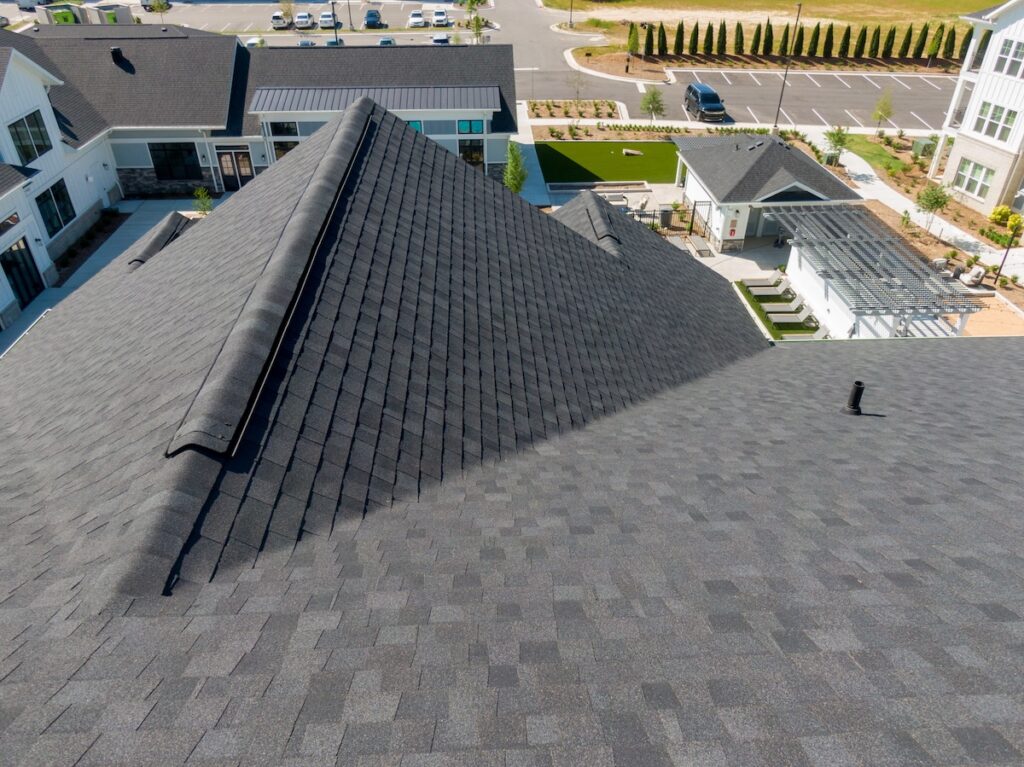
A ridge vent is a continuous ventilation system installed along the highest point of a sloped roof. It runs horizontally across the roof’s ridge and is typically covered with shingles to blend seamlessly with the rest of the roof.
The system works by allowing hot air to naturally rise and escape through the vent opening. At the same time, cooler air enters the attic through soffit vents located beneath the roof overhangs. This creates balanced airflow that regulates attic temperature and humidity levels.
Why Proper Attic Ventilation Matters
Without adequate ventilation, attics can trap heat and moisture, leading to a range of problems. In winter, warm air buildup can cause condensation on the underside of the roof deck. In summer, excessive heat can bake shingles from below and strain your air conditioning system.
Balanced ventilation provided by a ridge vent prevents these issues by maintaining consistent airflow. This not only protects roofing materials but also helps create a healthier and more energy-efficient home environment.
5 Ways a Ridge Vent Protects Your Roof
Ridge vents provide several important benefits that directly impact roof performance and durability. Here are five ways this system safeguards your home.
1. Prevents Moisture Buildup
Moisture trapped in the attic can lead to mold growth, wood rot, and insulation damage. A ridge vent allows humid air to escape before it condenses on rafters and decking.
- Mold prevention: Reduces the risk of fungal growth in attic spaces.
- Structural protection: Keeps wooden framing dry and strong.
This airflow is especially important during Ohio’s damp winter months.
2. Reduces Ice Dam Formation
Ice dams form when heat escapes through the roof, melting snow unevenly. The melted water refreezes at the edges, causing water to back up beneath shingles.
- Balanced temperature: Ridge vents help keep the roof deck cold and consistent.
- Winter protection: Prevents snow from melting and refreezing in problem areas.
For homes in Bellbrook and surrounding areas, this benefit can prevent costly seasonal repairs.
3. Extends Shingle Lifespan
High attic temperatures during summer can prematurely age shingles. Excessive heat causes materials to expand and contract, reducing their durability.
- Heat relief: Allows trapped hot air to escape before it damages roofing layers.
- Longer lifespan: Preserves the integrity of shingles and underlayment.
Proper ventilation protects your roofing investment year-round.
4. Improves Energy Efficiency
When attic temperatures rise, your HVAC system works harder to maintain indoor comfort. Ridge vents reduce this heat buildup, lowering cooling demands.
- Lower energy bills: Less strain on air conditioning systems.
- Consistent comfort: Maintains stable indoor temperatures.
Improved airflow contributes to a more efficient and comfortable home environment.
5. Enhances Overall Roof Performance
Ventilation supports every component of your roofing system. From insulation to decking, balanced airflow prevents stress and moisture-related damage.
- Reduced warping: Keeps roof decking stable and dry.
- Better insulation performance: Prevents moisture from compromising insulation materials.
Together, these advantages create a stronger and longer-lasting roof system.
Signs Your Ridge Vent May Not Be Working Properly
Even the best ventilation systems require occasional inspection. If your ridge vent isn’t functioning correctly, you may notice warning signs.
- Excess attic heat: Unusually high temperatures during summer.
- Visible mold: Black spots on attic rafters or insulation.
- Ice dams: Repeated winter ice buildup along eaves.
- Shingle deterioration: Curling or blistering caused by trapped heat.
- Condensation: Moisture droplets on the underside of the roof deck.
If these issues appear, it’s time to schedule a professional roof inspection.
Ridge Vent vs. Other Ventilation Options
Homeowners sometimes compare ridge vents to other ventilation systems. While each method has advantages, ridge vents often provide the most balanced and effective airflow.
- Gable vents: Allow side-to-side airflow but may not create consistent circulation.
- Box vents: Offer spot ventilation but lack continuous coverage.
- Powered attic fans: Provide active airflow but require electricity and maintenance.
- Ridge vents: Deliver continuous, passive ventilation along the entire roof peak.
For most homes in Ohio, ridge vents offer the most efficient and low-maintenance solution.
Installation Considerations
Installing a ridge vent requires precise cutting along the roof ridge and proper placement of vent materials. The system must be paired with functional soffit vents to ensure balanced airflow.
Professional installation ensures that the vent is properly sealed and covered with matching shingles. Poor installation can lead to leaks or inadequate airflow, reducing the effectiveness of the system.
Maintaining Your Ridge Vent
Routine maintenance keeps your ventilation system performing at its best. Seasonal inspections are especially important in climates with heavy rain or snow.
- Inspect after storms: Check for lifted shingles or damaged vent covers.
- Clear debris: Remove leaves or nests that block airflow.
- Check soffit vents: Ensure intake vents remain unobstructed.
- Schedule inspections: Annual roof evaluations prevent minor issues from escalating.
Simple maintenance steps help extend both the life of the ridge vent and your entire roof.
Why Ridge Vents Are Ideal for Ohio Homes
Ohio’s changing seasons bring both humid summers and freezing winters. Ridge vents help regulate attic conditions through each temperature shift, reducing the strain on roofing materials.
In Bellbrook and surrounding areas, homes benefit greatly from balanced ventilation that prevents moisture damage and heat stress. When combined with proper insulation, ridge vents create a highly efficient and durable roofing system.
Protect Your Roof With Johnson Restoration
At Johnson Restoration, we understand how important proper ventilation is to your roof’s long-term performance. Our team proudly serves Bellbrook and surrounding areas with expert inspections, roof replacements, and ventilation upgrades designed to protect your home year-round.
As a trusted local roofing company, we combine quality craftsmanship with proven solutions that defend against moisture, heat, and seasonal weather challenges. If you suspect ventilation issues or want to upgrade your roof system, contact Johnson Restoration today. We’re here to help you maintain a durable, efficient roof that provides lasting peace of mind.