
A modified bitumen roof is one of the most dependable solutions for commercial buildings, offering excellent durability, weather resistance, and value. Built to perform under demanding conditions, this roofing type combines the proven strength of asphalt with modern polymer technology to enhance flexibility and longevity. For business owners in Vandalia and surrounding areas, choosing modified bitumen can be a practical way to protect their property while maintaining low maintenance costs.
- Proven performance: Modified bitumen has been used in commercial roofing for more than 50 years.
- Flexible design: Works well on flat and low-slope roofs common in commercial structures.
- Weather durability: Resists cracking, blistering, and water intrusion during Ohio’s changing seasons.
Understanding how this system works—and when it’s the right choice for your property—can help you make confident, long-term decisions about your commercial roof.
What Is Modified Bitumen Roofing?
Modified bitumen roofing is a hybrid system that combines asphalt with rubber or plastic polymers to create a flexible yet tough material. It was developed to improve upon traditional built-up roofing (BUR) by offering better elasticity and easier installation.
- Material composition: Asphalt base layers mixed with modifiers like APP (atactic polypropylene) or SBS (styrene-butadiene-styrene).
- Layered design: Typically includes a base sheet, modified bitumen membrane, and protective cap sheet.
- Application methods: Can be installed using heat-welded, cold-applied, or self-adhering techniques.
The result is a waterproof, tear-resistant surface that performs well in both hot and cold weather conditions.
Why Commercial Buildings Use Modified Bitumen
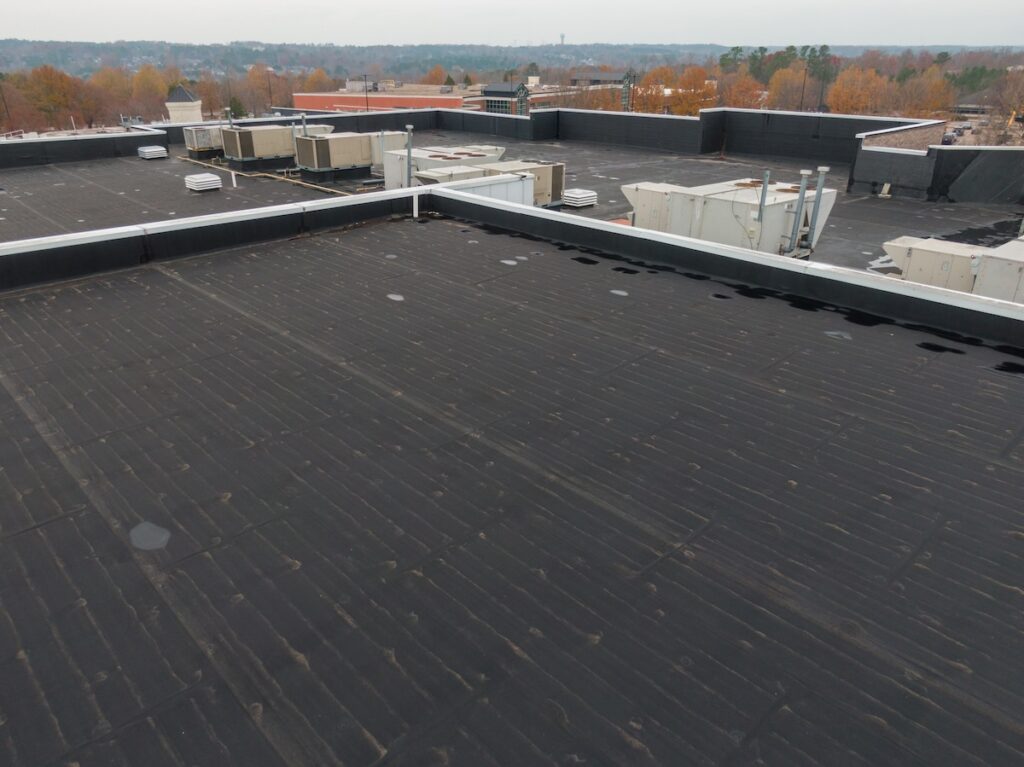
Commercial property owners often prefer modified bitumen because it balances cost, durability, and maintenance. The system’s layered construction allows it to handle daily wear while providing long-term protection against the elements.
- Durability: Withstands heavy foot traffic and temperature fluctuations.
- Flexibility: Expands and contracts without cracking under Ohio’s freeze-thaw cycles.
- Ease of repair: Small punctures or tears can be quickly patched without full replacement.
- Long lifespan: When maintained properly, can last 20 to 30 years or more.
These features make it a trusted choice for warehouses, office buildings, and retail properties that need reliable performance without excessive upkeep. Choosing the right material is a critical first step, but understanding the financial commitment is equally important for any business owner. Since every property has unique requirements, reviewing a detailed breakdown of commercial roofing cost factors can help you plan your budget effectively.
How a Modified Bitumen Roof Performs in Ohio Weather
Ohio’s unpredictable weather makes durability a top priority for business owners. Modified bitumen’s adaptability gives it an advantage over many single-ply systems.
- Cold resistance: SBS-modified systems remain flexible in freezing temperatures.
- Heat tolerance: APP-modified membranes reflect sunlight and resist UV damage.
- Storm durability: Strong seams and reinforced layers prevent leaks during heavy rain.
- Snow and ice protection: Seamless installation minimizes water infiltration from melting snow.
With these benefits, modified bitumen performs consistently across all four seasons, protecting your building from costly water or storm-related damage.
5 Common Installation Methods for Modified Bitumen Roofs
Each installation method offers unique advantages depending on building type, budget, and local climate. A professional roofing contractor will recommend the best fit based on your property’s structure and operational needs.
- Torch-Down Application
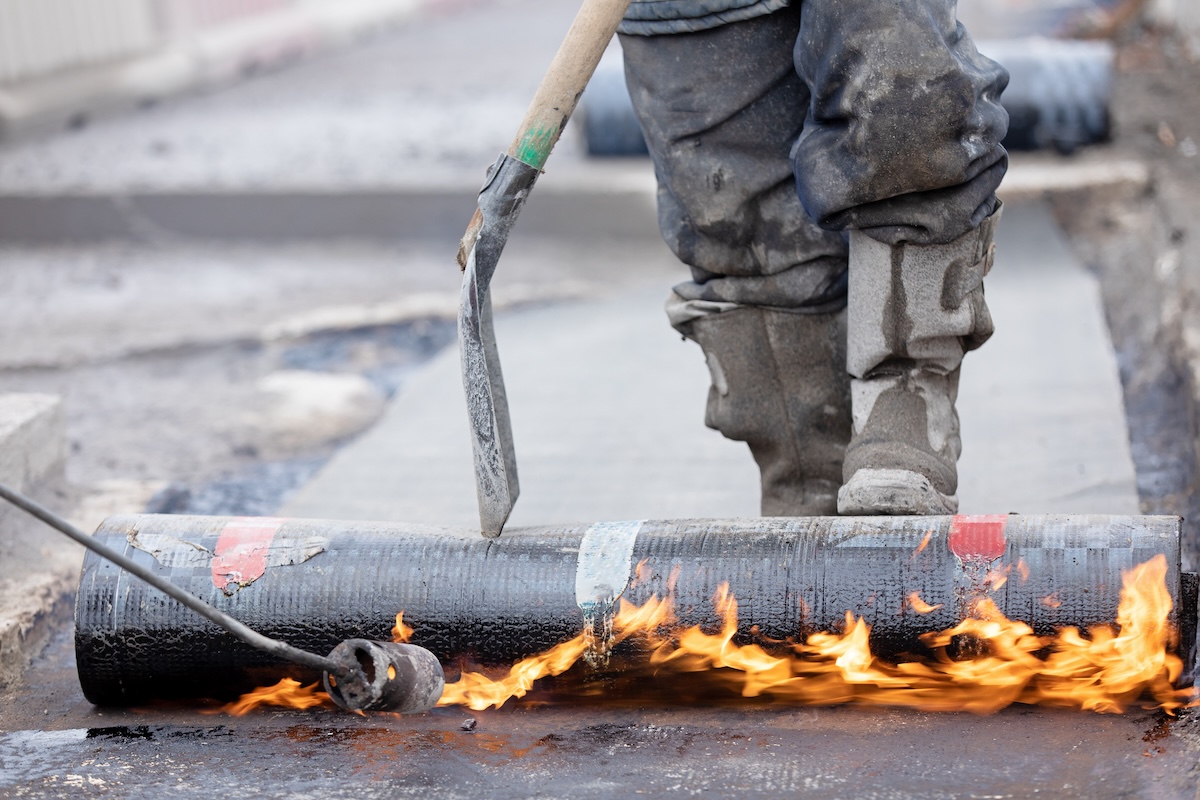
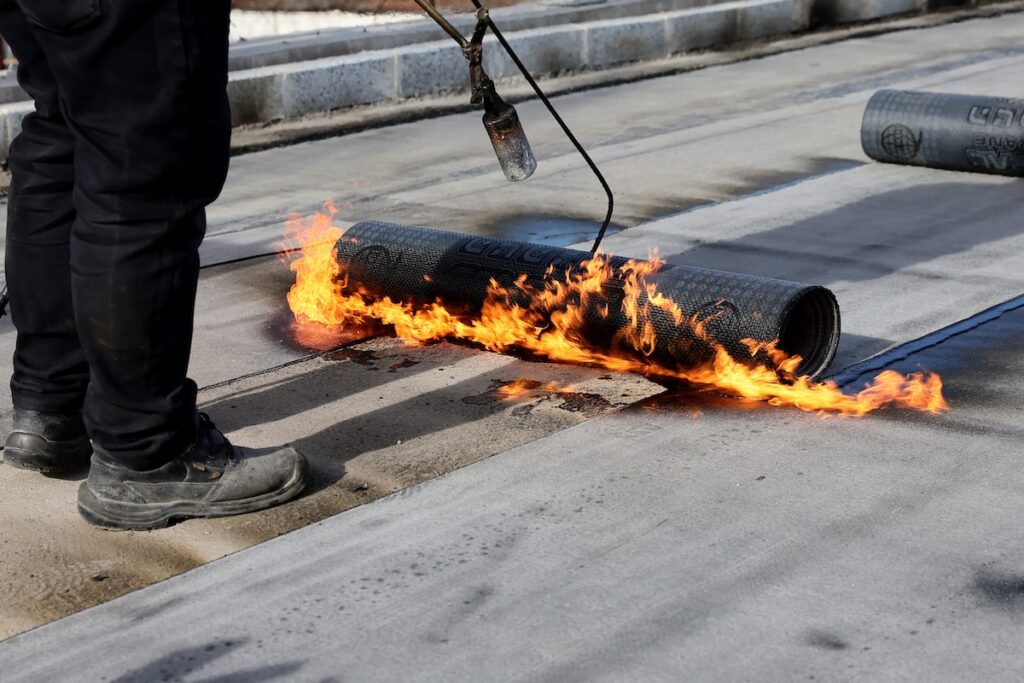
The most traditional method uses an open flame to heat the bitumen membrane, fusing it to the base sheet for a watertight bond. Torch-down systems are extremely durable but require skilled professionals for safe installation. - Cold-Adhesive Application
A liquid adhesive replaces heat, bonding layers without open flame. This method is ideal for buildings with strict fire-safety requirements. - Self-Adhering Membranes
These peel-and-stick sheets simplify installation and minimize odor, making them great for occupied buildings like offices or schools. - Hot Asphalt Application
Similar to BUR systems, hot asphalt secures layers together, forming a seamless and long-lasting barrier against moisture. - Mechanically Attached Systems
Fasteners and plates secure the membrane to the deck, reducing installation time and cost for certain commercial projects.
Each method can provide decades of protection when paired with regular inspections and professional maintenance.
Key Benefits of Modified Bitumen Roofing
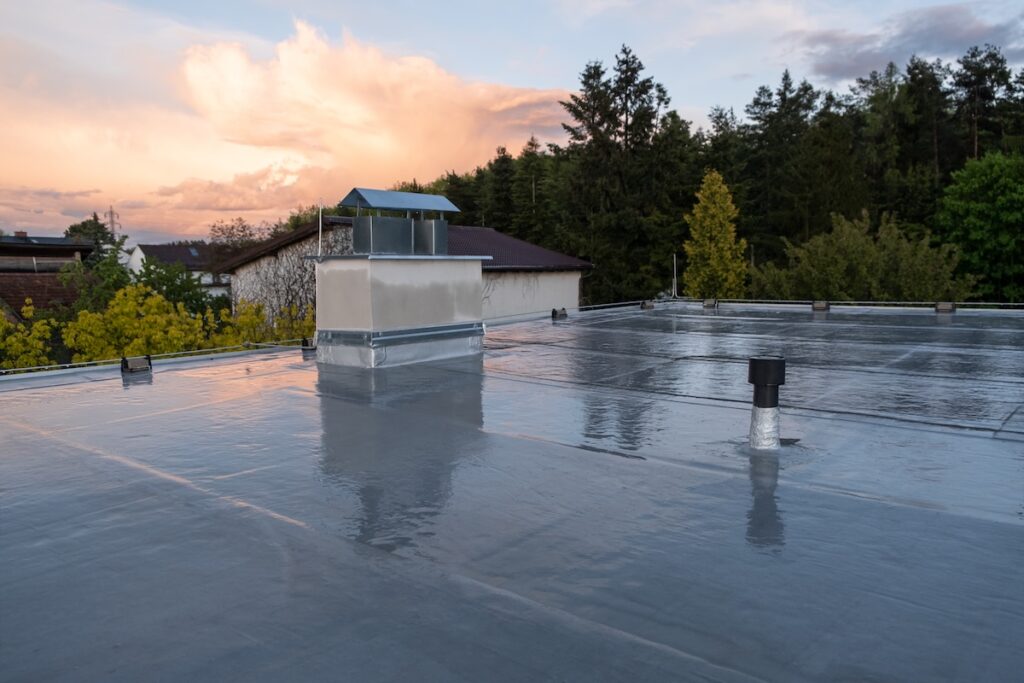
Modified bitumen has remained a popular commercial roofing solution because of its proven reliability and cost efficiency.
- Waterproofing strength: Multiple layers prevent leaks and resist pooling on flat surfaces.
- Thermal performance: Reflective coatings help reduce heat absorption and lower energy bills.
- Puncture resistance: Thick membranes handle maintenance foot traffic and falling debris.
- Ease of maintenance: Small repairs can be made quickly without major disruption.
- Compatibility with coatings: Can be re-coated to extend service life instead of full replacement.
This balance of affordability and performance makes modified bitumen one of the best options for commercial roofing projects that require both strength and flexibility.
Comparing Modified Bitumen to Other Commercial Roofing Systems
Before selecting a roofing system, it’s useful to compare modified bitumen with other common commercial materials.
| Roofing Type | Average Lifespan | Maintenance Level | Durability | Best For |
| Modified Bitumen | 20–30 years | Moderate | Excellent | Flat/low-slope roofs in varied climates |
| EPDM Rubber Roofing | 25–35 years | Low | Good | Budget-friendly large roofs |
| TPO Roofing | 20–30 years | Low | Very good | Energy efficiency and UV reflection |
| PVC Roofing | 25–30 years | Low | Excellent | Chemical-resistant and reflective surfaces |
| Metal Roofing | 40–70 years | Low | Exceptional | Long-term durability and aesthetics |
While each system has its strengths, modified bitumen remains one of the most versatile and time-tested options for Ohio’s mix of rain, snow, and temperature extremes.
Maintenance Tips to Extend the Life of a Modified Bitumen Roof
Like any roofing system, regular maintenance ensures your modified bitumen roof continues performing at its best.
- Inspect twice a year: Schedule professional inspections in spring and fall to check for cracks, blisters, or seam separation.
- Clear debris regularly: Leaves and dirt can trap moisture and degrade the surface.
- Clean drains and scuppers: Ensure proper water flow to prevent ponding.
- Recoat when needed: Reflective coatings preserve UV protection and extend lifespan.
- Repair small issues promptly: Fixing minor punctures prevents leaks and major damage.
Consistent care is the key to achieving the full 25–30-year lifespan that modified bitumen systems are designed to deliver.
When to Choose a Modified Bitumen Roof
Modified bitumen isn’t right for every building—but for many commercial properties, it strikes the perfect balance between affordability and strength. Consider this system if your property fits any of these conditions:
- Flat or low-slope roof design
- High foot traffic from HVAC or maintenance equipment
- Budget-conscious project requiring long-term reliability
- Need for quick, low-odor installation
- Desire for proven waterproofing in variable weather
If your building experiences harsh winters, frequent storms, or temperature swings, modified bitumen provides the flexibility and protection you need without overextending your maintenance budget.
Protect Your Property With Johnson Restoration
At Johnson Restoration, we understand how important it is for commercial property owners to choose a roofing system that offers durability, value, and peace of mind. Modified bitumen roofing provides all three, making it an excellent choice for businesses in Vandalia and surrounding areas that need reliable protection year-round.
As a local roofing company with extensive experience in Ohio’s commercial roofing needs, we deliver quality craftsmanship, long-term solutions, and dedicated service you can trust. Whether you’re replacing an existing roof or planning a new installation, our team will help you find the best materials to safeguard your investment for years to come.