
Gutter drainage plays a crucial role in keeping your home protected from water damage, roof deterioration, and foundation issues. When gutters aren’t working properly, water can overflow or pool around your home, leading to costly damage both inside and out. Understanding the causes of gutter drainage problems—and how to fix them—can make a huge difference in your home’s long-term durability.
- Common cause: Blockages, leaks, or poor installation can disrupt water flow.
- Biggest risk: Overflow and pooling can damage siding, fascia, and your home’s foundation.
- Best solution: Regular inspections and proactive maintenance protect your property year-round.
For homeowners in Centerville and surrounding areas, knowing how to identify and solve gutter issues early is key to preventing bigger, more expensive problems down the line.
Why Gutter Drainage Is Important
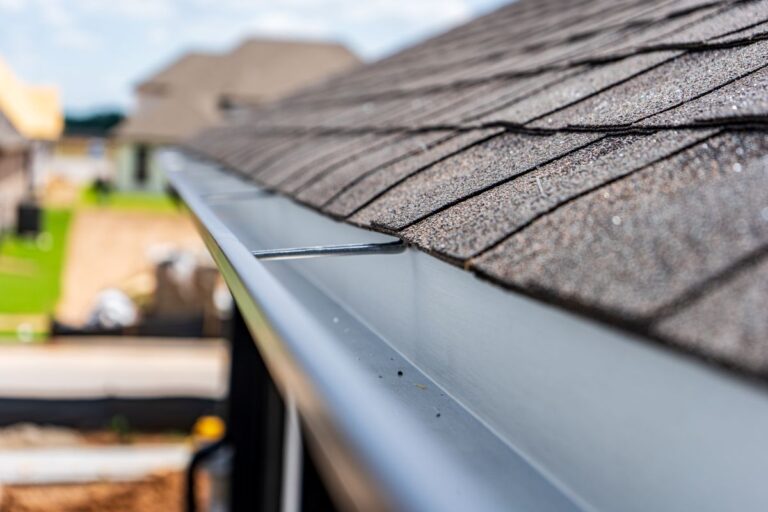
Your gutters are designed to capture rainwater from the roof and channel it safely away from your home. When gutter drainage fails, water finds its own path—often through walls, landscaping, and basements. Over time, this can cause major structural damage.
- Foundation protection: Proper drainage prevents soil erosion and cracking around your foundation.
- Roof preservation: Functioning gutters stop standing water from backing up under shingles.
- Basement safety: Controlled runoff keeps your lower level dry and mold-free.
Gutter drainage isn’t just about avoiding overflow—it’s about protecting your entire home from the top down.
Signs of Gutter Drainage Problems
It’s easy to overlook gutter issues until damage is already visible. However, there are several early warning signs that homeowners should watch for.
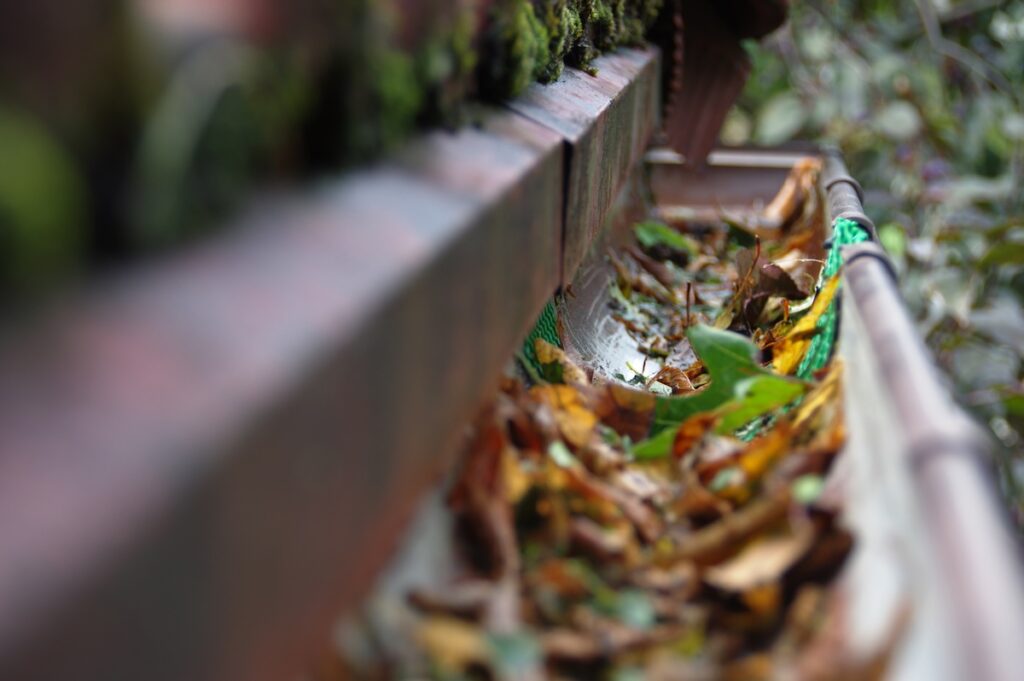
- Overflow during rain: If water pours over the sides, it’s a clear sign of a blockage or improper slope.
- Pooling near the foundation: Indicates downspouts are clogged or not extended far enough.
- Sagging or detached sections: Weight from debris or standing water may be pulling gutters away from the fascia.
- Peeling paint or stains: Water splashing over the gutter edge can damage siding and trim.
- Eroded landscaping: Runoff from poor drainage washes away mulch, soil, and plant beds.
Identifying these symptoms early helps prevent more serious water intrusion or foundation issues later.
5 Common Causes of Gutter Drainage Problems
Not all gutter issues stem from neglect. Weather, installation, and natural wear all contribute to system failure. Here are the most frequent culprits homeowners encounter.
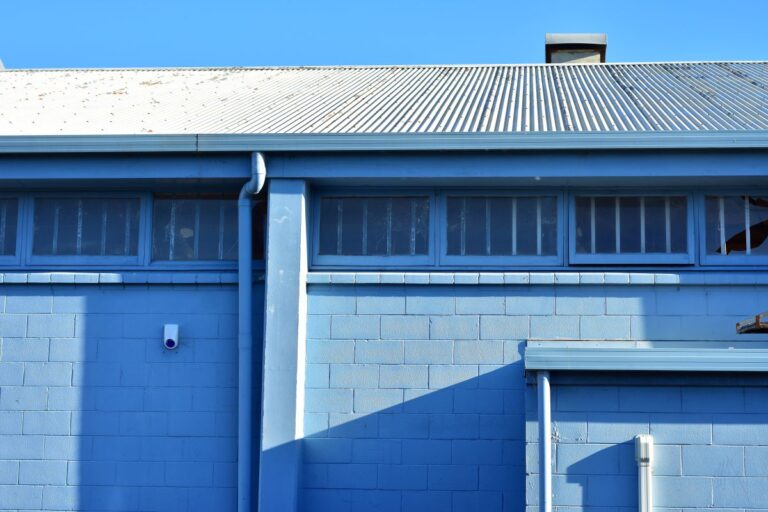
- Clogged Gutters and Downspouts: Leaves, twigs, and dirt can quickly block water flow, causing backups and overflows.
- Improper Pitch or Slope: Gutters should be slightly angled toward downspouts. Even a small misalignment prevents proper drainage.
- Loose or Damaged Hangers: If fasteners loosen, gutters can pull away from the fascia, disrupting flow and causing leaks.
- Short or Misplaced Downspouts: Downspouts that discharge too close to your home allow water to pool around the foundation.
- Storm or Wind Damage: Severe weather can bend or crack sections, making the system ineffective until repaired.
Understanding these causes makes it easier to spot—and fix—problems before they escalate. While staying on top of these tasks is essential, you don’t always need a ladder to get the job done safely. For those looking to simplify their routine between professional visits, learning how to clean gutters from the ground can be a game-changer for regular maintenance. By using the right tools and techniques, you can keep your drainage system clear and functional throughout the year without the risks of climbing.
How to Fix Gutter Drainage Issues
Once you’ve identified the cause of poor gutter drainage, addressing it quickly helps protect your home from long-term water damage.
- Clear clogs: Remove debris by hand or with a garden hose to restore proper flow.
- Adjust pitch: Gutters should slope about ¼ inch per 10 feet toward each downspout.
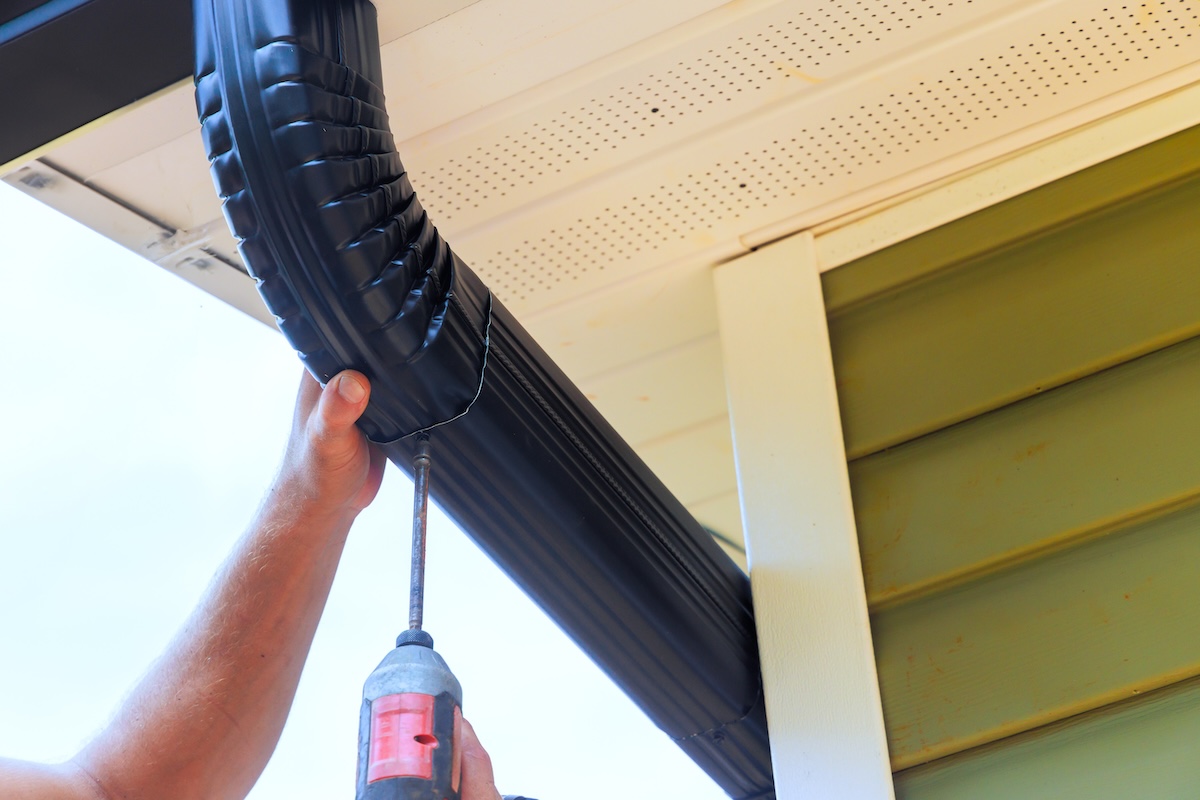
- Tighten hardware: Secure loose hangers and brackets to realign sagging sections.
- Extend downspouts: Drain water at least 4 to 6 feet away from the foundation.
- Repair leaks: Apply gutter sealant to small cracks or holes; larger damage may require replacement.
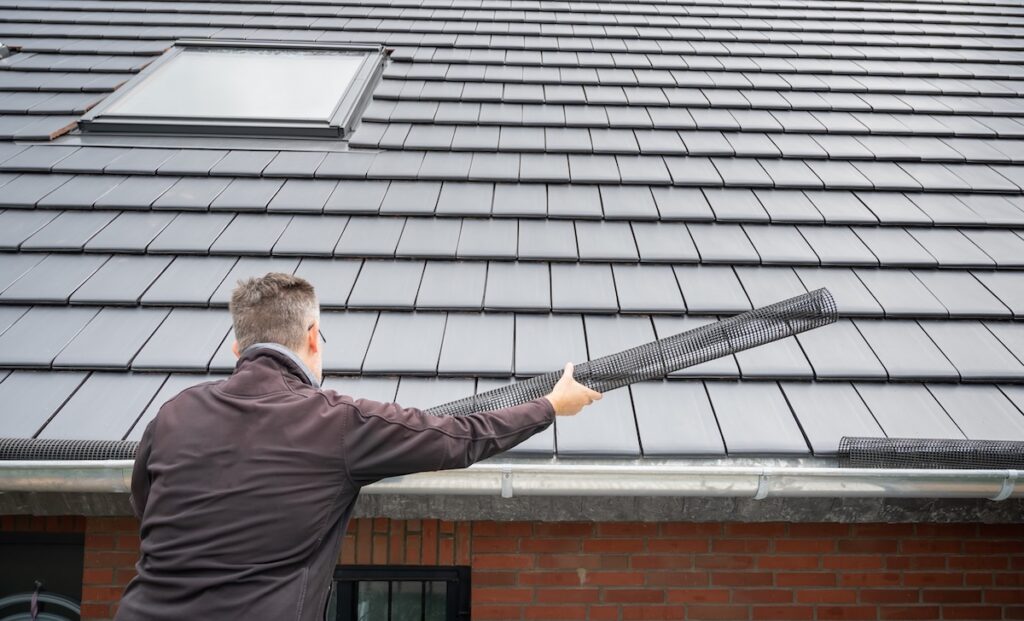
- Install guards: Gutter covers prevent debris buildup and reduce maintenance frequency.
These fixes are straightforward and cost-effective when caught early.
Long-Term Maintenance Tips for Healthy Gutter Drainage
Consistent maintenance ensures your gutter system functions properly through every season. Preventive care is the easiest way to avoid drainage-related damage.
- Inspect gutters twice a year: Check in spring and fall to remove debris and look for wear.
- Schedule professional cleaning: Annual cleanings prevent overflow and improve flow efficiency.
- Examine after storms: Wind and rain often loosen hardware or clog downspouts.
- Check slope alignment: A level or slightly declining pitch toward the downspout ensures proper drainage.
- Seal seams and joints: Prevent leaks where gutter sections meet.
- Trim nearby trees: Fewer leaves and twigs fall into your gutters throughout the year.
These simple steps can keep your gutter system working smoothly and protect your home’s foundation, siding, and roof from unnecessary stress.
How Weather in Ohio Impacts Gutter Systems
Ohio homeowners know how unpredictable the weather can be—from spring rainstorms to heavy snowfall. These conditions take a toll on gutter systems and increase the risk of drainage issues.
- Heavy rain: Intense downpours can overwhelm undersized or clogged gutters.
- Snow and ice: Winter buildup adds extra weight, pulling gutters away from fascia boards.
- Windstorms: Flying debris and broken branches often cause clogs or dents.
- Temperature swings: Expansion and contraction may loosen joints over time.
Because weather is such a major factor, regular inspection and maintenance are vital to protecting your home from seasonal water damage.
When to Call a Professional
Some drainage issues can be fixed with a ladder and a little time, but others require expert attention. Knowing when to call a professional can save time, money, and stress.
- Persistent leaks or sagging: May indicate damage to fascia or roof edges.
- Pooling water near the house: Could signal grading or downspout design problems.
- Visible cracks or rust: Compromised sections often need replacement, not repair.
- Storm-related damage: Professionals can assess whether insurance coverage may apply.
A certified roofing and exterior specialist ensures your gutter system works as part of your home’s full protection strategy.
Protect Your Home With Johnson Restoration
At Johnson Restoration, we understand how Ohio weather impacts homes year-round. From torrential rain in the spring to heavy snow in the winter, your gutter system works overtime to protect your roof and foundation. Our team helps homeowners in Beavercreek and surrounding areas identify and resolve gutter drainage problems before they lead to costly repairs.
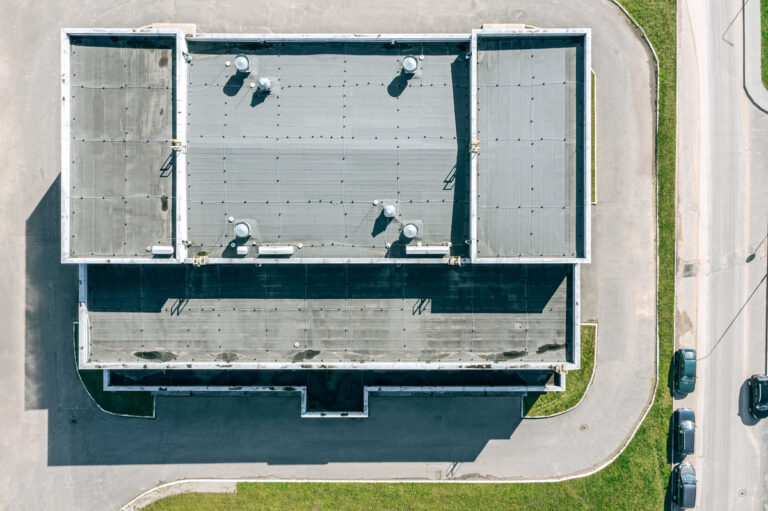
While these steps are effective for residential properties, larger buildings require a more robust approach to handle significant water runoff. If you manage a business or industrial facility, ensuring your system is built for high-capacity drainage is just as important as regular cleaning. Investing in a professional commercial gutter installation provides the heavy-duty durability needed to protect large-scale structures from the foundation issues and siding damage that standard gutters simply can’t prevent.
As your local roofing and exterior experts, we deliver quality craftsmanship, reliable roofing solutions, and long-term peace of mind. Whether you’re dealing with overflowing gutters, roof leaks, or storm damage, Johnson Restoration is here to help keep your home safe, dry, and structurally sound. Contact our team today to schedule an inspection or learn more about protecting your property through every Ohio season.