
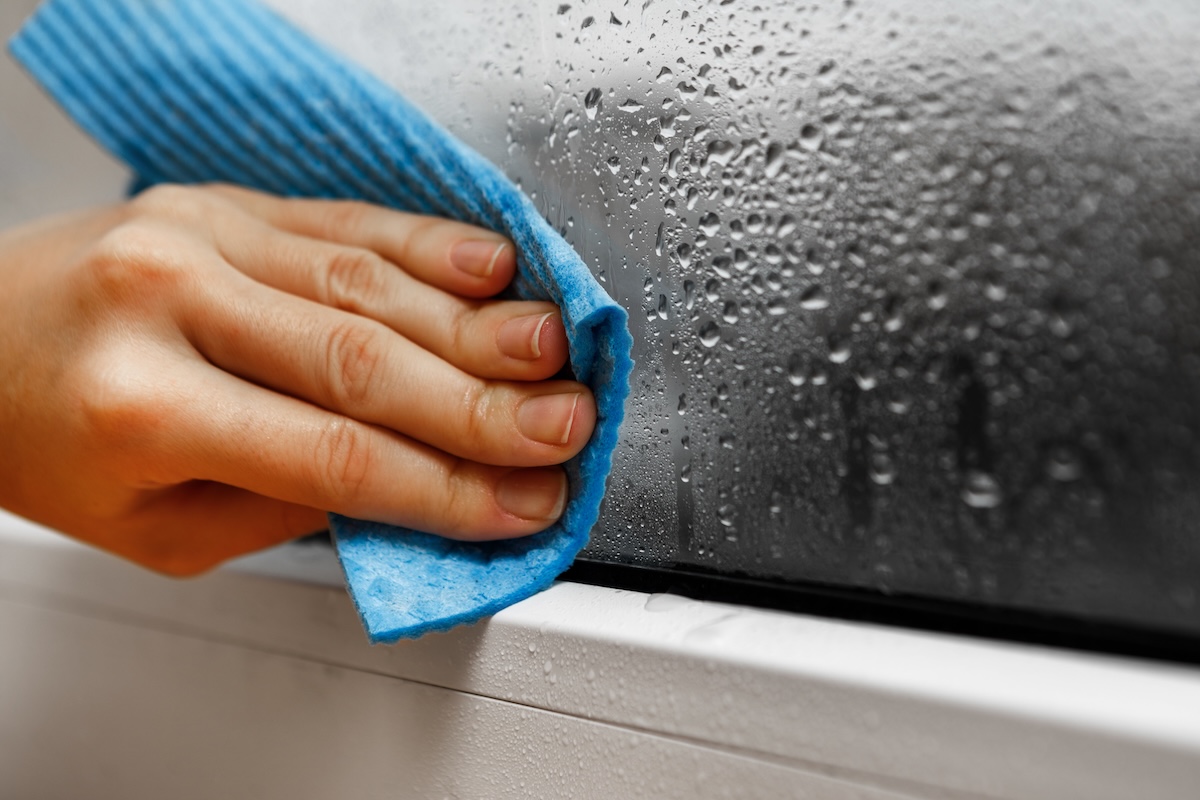

Condensation on inside of windows is a common problem for Ohio homeowners, especially during cooler months. While it might seem like just a foggy nuisance, persistent moisture can actually indicate underlying ventilation, insulation, or humidity issues inside your home. Checking your windows regularly will prevent water damage, mold growth, or reduced energy efficiency.
- Common cause: Moist indoor air meeting cold window glass.
- Potential damage: Warped wood frames, peeling paint, and mildew buildup.
- Simple solutions: Adjusting humidity levels, sealing leaks, or upgrading window materials.
Understanding what causes condensation—and how to fix it—can help you maintain a healthier, more energy-efficient home throughout the year in Springboro and surrounding areas.
What Causes Condensation Inside Windows?
Condensation forms when warm, humid indoor air comes into contact with a cold surface, such as window glass. As the air cools, it releases moisture, which appears as fog or droplets on the windowpane.
- Humidity imbalance: Too much moisture in your home’s air is the leading cause of condensation.
- Temperature difference: Cold outdoor air cools the glass, creating the perfect surface for moisture to collect.
- Poor ventilation: Limited airflow traps humidity inside bathrooms, kitchens, and basements.
Homes that are well-sealed for energy efficiency can sometimes trap too much moisture indoors, making condensation more likely—especially in newer or recently renovated homes.
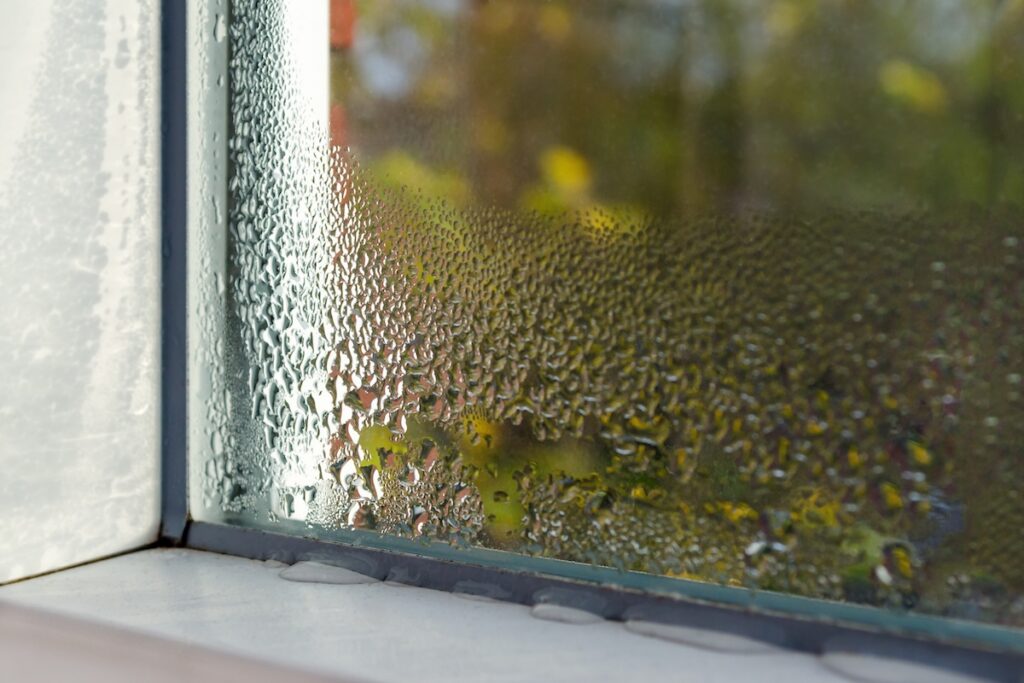
Is Condensation on Inside Windows Normal?
A little condensation isn’t unusual, especially during seasonal transitions. However, persistent or widespread fogging signals that something needs attention.
- Short-term condensation: Common on chilly mornings or after cooking or showering. Usually harmless.
- Constant moisture: Indicates a humidity or insulation problem that should be addressed.
- Pooling water or mold: A sign that the condensation has become a long-term issue affecting your home’s materials.
While minor fog can come and go, consistent moisture can cause structural and aesthetic problems over time. If you find that the moisture is trapped between the glass panes rather than just on the surface, you are likely dealing with a broken seal. Understanding why you have foggy windows is the first step toward restoring your home’s energy efficiency and preventing permanent damage to your window frames.
5 Common Causes of Window Condensation
Several household factors can cause interior condensation, especially in homes that are sealed tightly for energy efficiency.
- High Indoor Humidity: Running humidifiers, cooking, and even daily breathing add moisture to indoor air. Without adequate ventilation, that moisture has nowhere to escape.
- Poor Air Circulation: Closed vents, blocked registers, or heavy window coverings can trap warm air near the glass, leading to condensation.
- Temperature Differences: During Ohio winters, cold outdoor air meets warm interior air, creating the perfect conditions for condensation to form on the window surface.
- Old or Inefficient Windows: Single-pane or poorly sealed double-pane windows are prone to condensation because they lack proper insulation.
- Lack of Ventilation in Key Areas: Bathrooms, laundry rooms, and kitchens naturally produce more moisture. Without exhaust fans or open windows, humidity builds up quickly.
By identifying which of these issues applies to your home, you can choose the right solutions to reduce or eliminate window condensation.
How to Fix Condensation Inside Your Windows
Fortunately, condensation on inside of windows can often be resolved with simple adjustments. The key is to control humidity, improve ventilation, and ensure your windows are functioning properly.
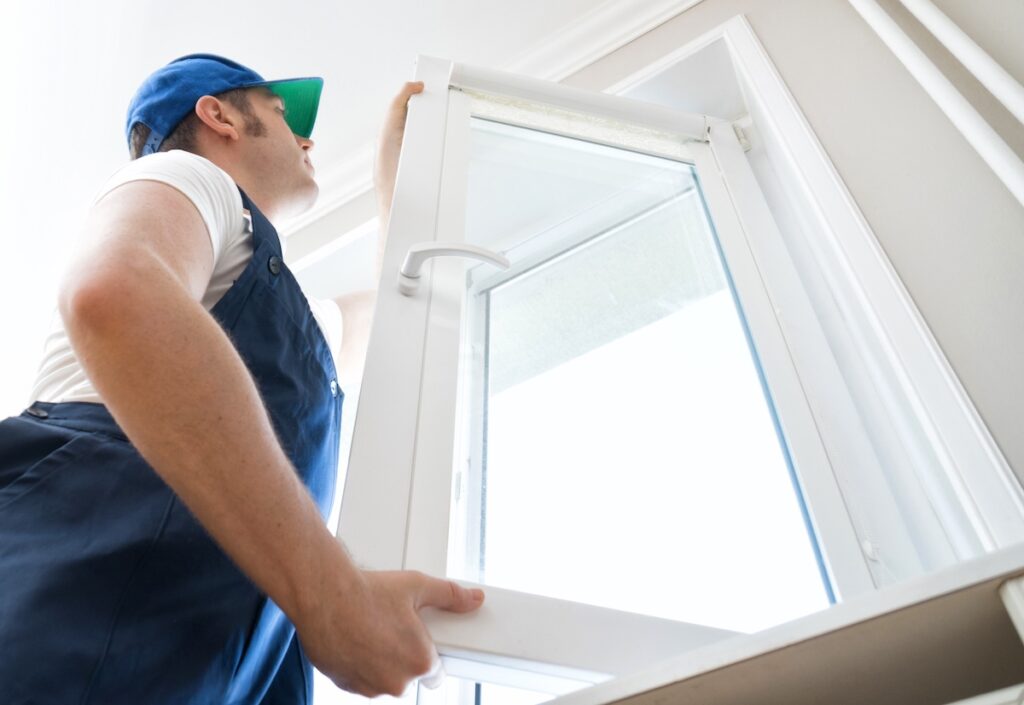
- Run exhaust fans: Use them in kitchens and bathrooms during and after cooking or showering.
- Increase ventilation: Crack open windows for short periods to balance indoor humidity.
- Use a dehumidifier: Ideal for basements or homes with consistently high humidity levels.
- Maintain consistent temperatures: Keep your thermostat steady to reduce temperature fluctuations between rooms.
- Move plants away from windows: Houseplants release moisture, increasing humidity levels nearby.
- Open blinds or curtains: Allow warm air to circulate across the glass surface.
These small changes can make a noticeable difference in reducing window fog and preventing long-term issues.
When Condensation Means Window Damage
Not all condensation is surface-level. Sometimes, moisture trapped between panes of glass points to a seal failure in double- or triple-pane windows.
- Fog between panes: Indicates that the insulating gas (argon or krypton) has escaped and the seal is compromised.
- Reduced energy efficiency: The window loses its ability to block heat transfer effectively.
- Permanent haze: Once moisture enters between panes, it typically can’t be removed without replacement.
If this type of condensation appears, replacement or professional repair is often the only permanent solution.
Preventing Condensation in the Future
Long-term prevention focuses on managing humidity, improving insulation, and keeping your windows in good condition.
- Upgrade insulation: Proper attic and wall insulation prevent temperature imbalances that cause condensation.
- Install new windows: Modern energy-efficient windows with double or triple glazing minimize condensation risk.
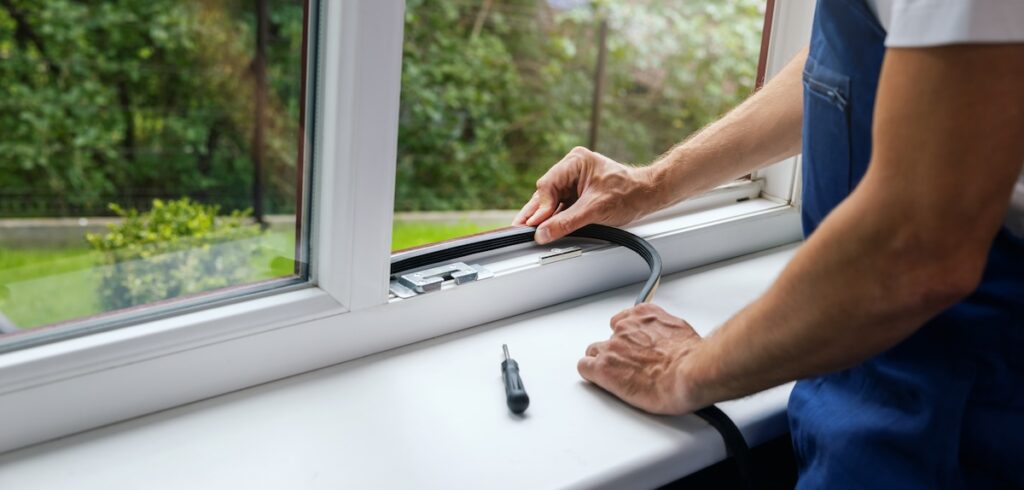
- Inspect seals regularly: Check window caulking and weatherstripping for cracks or wear.
- Monitor humidity: Use a hygrometer to keep indoor humidity between 30–50%.
- Maintain HVAC systems: Clean filters and ducts ensure proper airflow and ventilation.
Routine maintenance not only prevents condensation but also improves comfort and lowers heating costs during Ohio’s colder months.
How Weather and Location Affect Condensation
Ohio’s seasonal climate plays a big role in how often homeowners experience condensation on inside of windows.
- Cold winters: Large temperature differences between indoors and outdoors make condensation more common.
- Humid summers: Air conditioning can create cold glass surfaces that attract indoor moisture.
- Storm damage: Leaks or drafts around windows may introduce moisture, increasing fogging and staining.
Homeowners in Springboro and surrounding areas should pay close attention during seasonal changes, as fluctuations in temperature and humidity often make condensation more noticeable.
When to Call a Professional
If you’ve tried humidity control, dehumidifiers, and ventilation improvements but still see persistent condensation, it may be time to contact a professional.
- Window evaluation: Contractors can inspect for failed seals, insulation gaps, or poor installation.
- Moisture source detection: A roofing or siding issue could be contributing to indoor humidity.
- Upgrade recommendations: Experts can advise whether it’s time to replace older windows with energy-efficient models.
A professional inspection can help determine if condensation is a sign of an underlying problem that goes beyond humidity control.
Keep Your Home Comfortable With Johnson Restoration
At Johnson Restoration, we understand that Ohio’s climate can make managing indoor comfort a challenge. The changing seasons, from humid summers to freezing winters, put extra strain on windows, roofing, and siding. That’s why we focus on helping homeowners in Springboro and surrounding areas protect their homes with long-lasting exterior solutions.
As your local roofing and restoration company, we know how moisture, insulation, and ventilation all work together to maintain a healthy home. Whether you’re dealing with condensation inside your windows or storm damage to your roof, our experienced team is here to help.
Johnson Restoration offers quality craftsmanship, reliable service, and the peace of mind that comes from working with professionals who truly understand Ohio homes. If you’ve noticed moisture issues around your windows, contact our team today for trusted advice and expert home protection solutions.