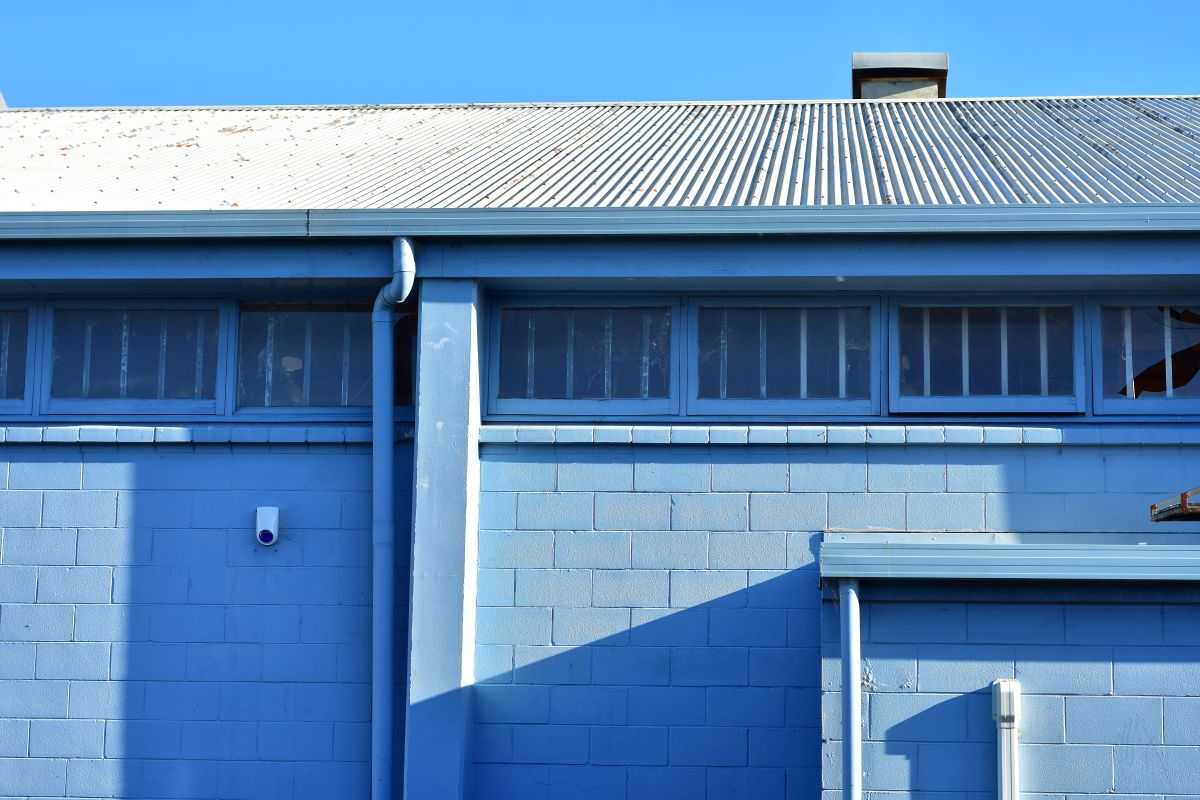

Proper commercial gutter installation is essential to protecting any business property from water damage, foundation issues, and premature roof wear. A well-designed gutter system manages heavy rainfall, snowmelt, and stormwater runoff—keeping your building dry and structurally sound. For property owners in Beavercreek and surrounding areas, investing in the right gutter system can prevent thousands of dollars in potential damage while extending the life of the entire roofing structure.
- Purpose: Directs water away from the building to prevent foundation and roof damage.
- Importance: Commercial roofs collect large amounts of water that require efficient drainage.
- Solution: Proper sizing and installation ensure durability and long-term performance.
Whether you manage a warehouse, retail center, or office building, understanding how gutters function—and why professional installation matters—can help you protect your investment.
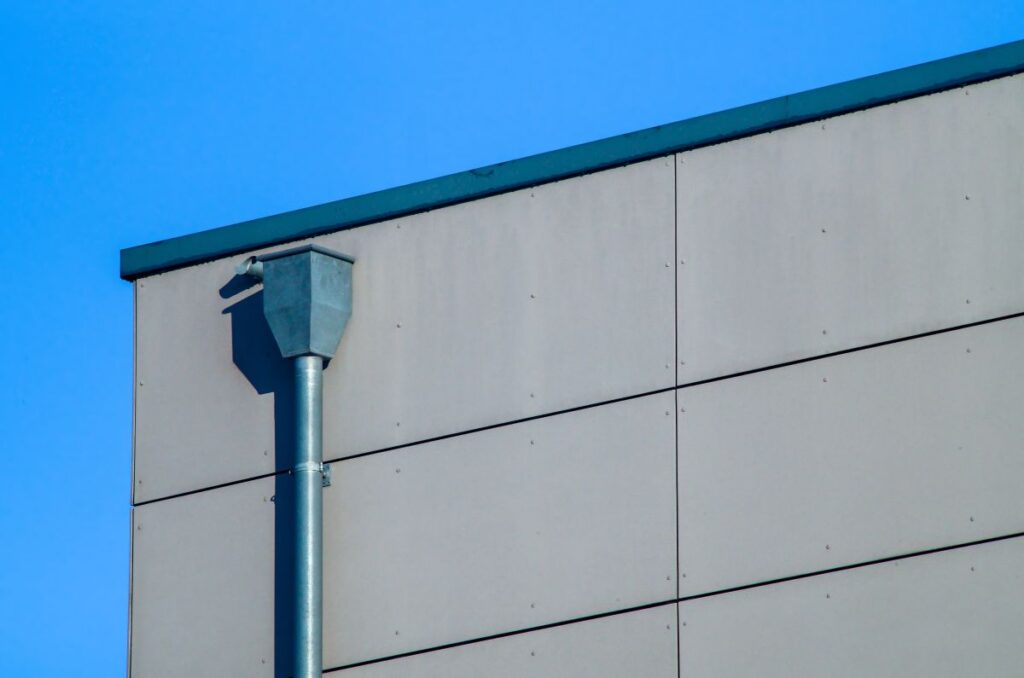
Why Gutters Are Vital for Commercial Buildings
Commercial roofs typically cover large surface areas, collecting substantial amounts of water during storms. Without gutters, that water can pour over edges, seep into foundations, or damage exterior walls.
- Water control: Prevents overflow and directs runoff safely away from the structure.
- Foundation protection: Reduces soil erosion and prevents cracking or settling.
- Siding and façade preservation: Stops streaking and staining caused by constant water exposure.
- Roof longevity: Prevents ponding and reduces the risk of leaks at roof edges.
A reliable gutter system is one of the most important, and often overlooked, elements of commercial building maintenance.
The Importance of Correct Gutter Sizing
Gutter size determines how effectively your system can handle water flow. Commercial roofs require larger capacity gutters than most residential properties to manage heavier runoff.
- 6-inch gutters: Common for small to medium commercial buildings with standard runoff levels.
- 7-inch or 8-inch gutters: Necessary for larger roof surfaces or properties in high-rainfall areas.
- Downspout diameter: Should increase proportionally to ensure balanced drainage.
- Gutter shape: Box-style and K-style gutters offer different performance and aesthetic benefits.
Incorrect sizing can cause overflow, sagging, and eventual structural damage—issues that are costly to repair and easily avoided through professional assessment.
Key Components of a Commercial Gutter System
Commercial gutters work as a coordinated system designed to capture, channel, and discharge water effectively.
- Gutters: Collect runoff from the roof’s edge.
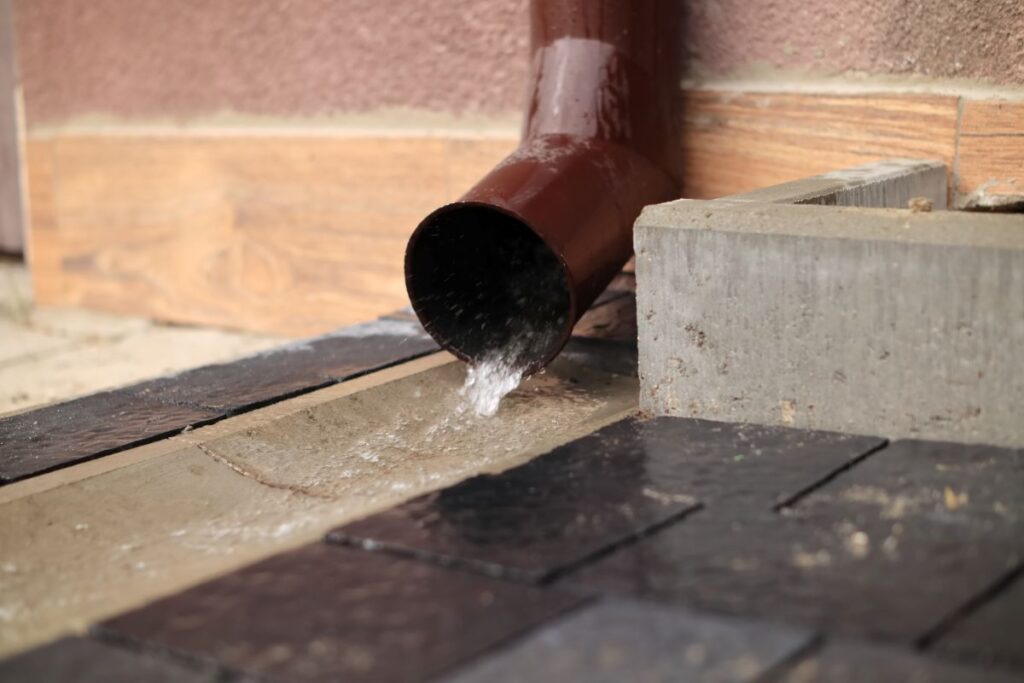
- Downspouts: Direct water from the gutter to ground level or designated drainage systems.
- Hangers and brackets: Support the gutter’s weight and maintain slope alignment.
- End caps and elbows: Prevent leaks and control directional flow.
- Scuppers and collector boxes: Allow overflow management for flat or low-slope roofs.
Each component plays a role in maintaining consistent, reliable drainage during even the heaviest downpours.
5 Steps in the Commercial Gutter Installation Process
Installing commercial gutters involves careful planning, precise measurements, and professional workmanship. The process ensures proper slope, secure attachment, and seamless integration with your roofing system.
- Initial Assessment and Design
Contractors evaluate your roof layout, slope, and drainage needs to determine gutter style, size, and placement. - Material Selection
Based on building design and budget, materials such as aluminum, galvanized steel, or copper are chosen for durability and appearance. - Measuring and Sizing
Precise measurements are taken to ensure correct slope (typically ¼ inch per 10 feet) for optimal water flow. - Fabrication and Installation
Seamless gutters are fabricated on-site and securely fastened with heavy-duty hangers for long-term stability. - Testing and Quality Check
After installation, the system is tested for leaks and proper drainage to confirm full functionality.
Each step is crucial to ensuring your gutter system performs reliably for years to come.
Common Mistakes in Gutter Installation
Even small errors during installation can lead to serious water management problems. Professional experience and precision are key to preventing these common issues.
- Incorrect slope: Too steep or too flat can cause overflow or pooling.
- Improper hanger spacing: Weak support can lead to sagging and detachment.
- Undersized gutters: Inadequate capacity leads to overflow during heavy rain.
- Poor downspout placement: Inefficient routing causes foundation and landscape erosion.
- Skipping expansion joints: Metal gutters expand and contract with temperature changes, requiring flexibility.
Avoiding these mistakes ensures your system handles water efficiently and prevents long-term damage.
Best Materials for Commercial Gutters
Different materials offer unique benefits depending on budget, design, and maintenance preferences.
- Aluminum: Lightweight, rust-resistant, and available in multiple finishes.
- Galvanized steel: Extremely durable but requires coating maintenance to prevent corrosion.
- Copper: Offers unmatched longevity and aesthetics, developing a natural patina over time.
- Stainless steel: Premium strength and resistance to temperature extremes.
For most commercial applications, aluminum and steel provide the best balance of cost, performance, and lifespan.
Maintenance Tips for Commercial Gutter Systems
Once installed, regular maintenance keeps your gutter system working efficiently and prevents costly repairs.
- Inspect twice a year: Schedule inspections in spring and fall to remove debris and check for leaks.
- Clean drains and downspouts: Prevent blockages that lead to overflow and structural damage.
- Check slope alignment: Ensure gutters remain properly pitched for consistent water flow.
- Seal joints and seams: Reapply sealant as needed to prevent leaks.
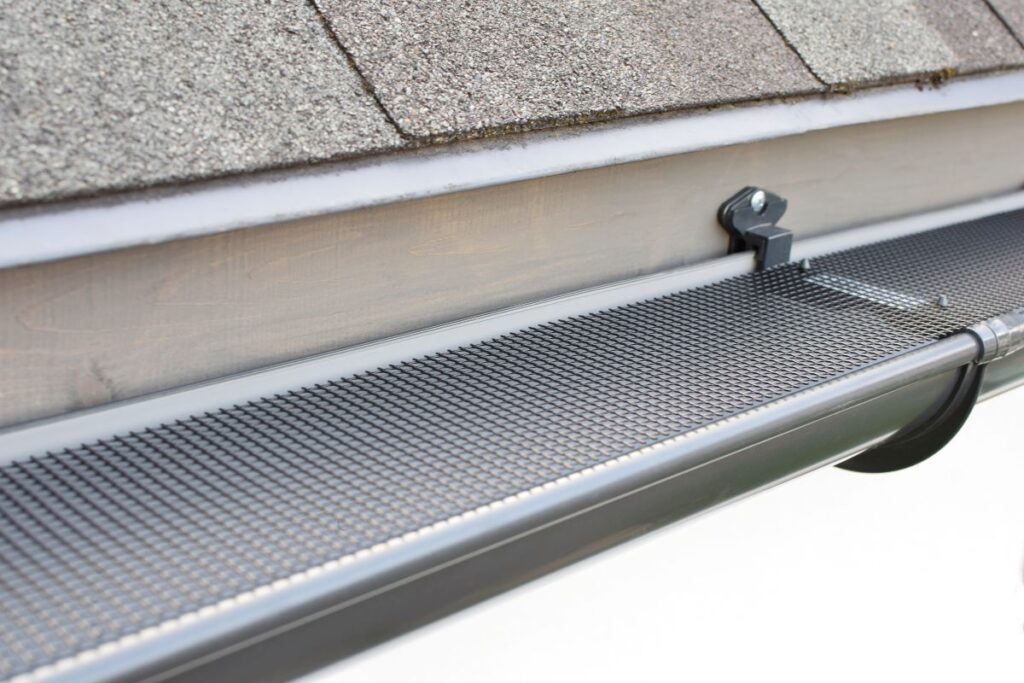
- Add guards or strainers: Keep leaves and debris out of the system for longer-lasting performance.
Preventive maintenance takes little time but makes a significant difference in protecting your property.
How Weather in Ohio Impacts Commercial Gutters
Ohio’s mix of heavy rainfall, snow, and freezing temperatures can challenge even the best gutter systems. Proper installation and maintenance help ensure long-term durability.
- Heavy rain: Oversized gutters handle high runoff volumes from large commercial roofs.
- Snow and ice: Reinforced hangers prevent sagging under additional weight.
- Freeze-thaw cycles: Seamless gutters reduce expansion-related cracking or separation.
- Windstorms: Secure fastening systems protect against detachment or misalignment.
With professional installation, your commercial gutter system can perform year-round despite Ohio’s unpredictable weather.
The Value of Professional Gutter Installation
Attempting a DIY gutter installation on a commercial building can lead to misalignment, improper slope, and drainage problems. Professional installers ensure the entire system is engineered for precision and performance.
- Custom sizing: Tailored to your building’s roof dimensions and runoff volume.
- Expert sealing: Prevents leaks and ensures long-lasting joints.
- Safety assurance: Professionals use proper equipment for large-scale installations.
- Warranty protection: Maintains manufacturer and workmanship coverage.
Hiring certified commercial roofing experts like Johnson Restoration provides long-term peace of mind and proven results.
Protect Your Building With Johnson Restoration
At Johnson Restoration, we know how crucial proper commercial gutter installation is to the health and longevity of your property. Our experienced team serves businesses in Beavercreek and surrounding areas with precision-engineered gutter systems designed to handle Ohio’s toughest weather conditions.
As a trusted local roofing company, we provide quality craftsmanship, reliable materials, and expert installation to safeguard your commercial investment. Whether you’re replacing aging gutters or installing a new system, contact Johnson Restoration today to schedule an inspection and keep your property protected year-round.