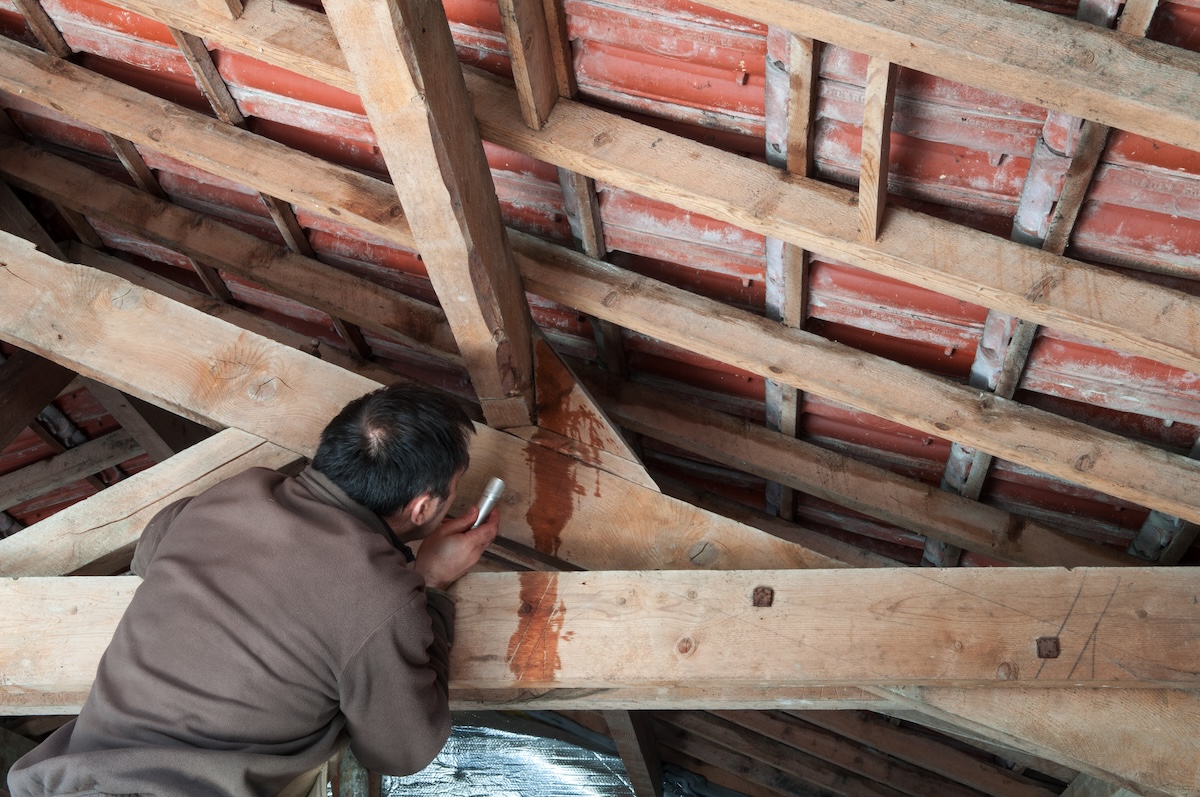

Attic mold remediation is a crucial topic for homeowners, especially those concerned about the safety and longevity of their homes. Mold in the attic can lead to serious health issues and structural damage if left untreated. Addressing this problem promptly and effectively not only safeguards your family’s well-being but also protects your investment. For those experiencing roofing challenges tied to mold, exploring professional residential roofing solutions can provide lasting protection and peace of mind.
- Understand the health risks associated with attic mold
- Learn the primary causes of attic mold growth
- Discover proven steps for effective attic mold remediation
- Explore preventive measures to avoid future mold issues
- Gain insight into the professional approach that provides durable solutions
Why Attic Mold Remediation Is Essential
Attic mold remediation matters because mold growth in the attic can compromise indoor air quality and damage the home’s structure. Mold often thrives in hidden spaces, making early detection and removal critically important to maintain a healthy living environment. Ignoring mold can escalate problems, resulting in costly repairs and health complications. Here are some compelling reasons to prioritize mold remediation in your attic:
- Improved Indoor Air Quality: Removing mold helps eliminate airborne spores that trigger allergies and respiratory issues.
- Health Protection: Mold exposure is linked to symptoms such as coughing, sneezing, and asthma attacks.
- Structural Integrity: Mold can deteriorate wood and insulation, weakening your attic’s framework over time.
- Property Value Preservation: Homes free from mold tend to retain higher market value and appeal to buyers.
- Compliance and Safety: Addressing mold ensures your home meets health and safety regulations.
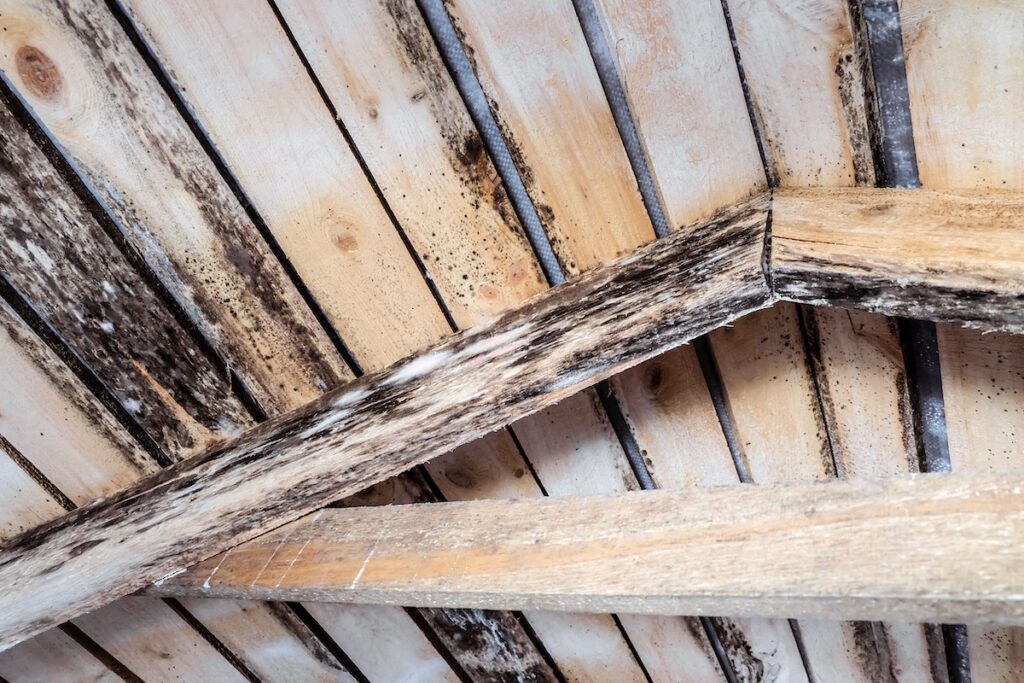
6 Step Guide to Attic Mold Remediation
Attic mold remediation involves thorough evaluation and systematic removal of mold to restore a safe environment. Each step is crucial to ensure the problem is fully resolved and does not recur. The following numbered process breaks down the key actions homeowners or professionals take during remediation.
1. Inspection and Assessment
The first step is a detailed inspection of the attic space to identify mold presence and the extent of contamination. This includes evaluating moisture levels and potential sources contributing to mold growth.
- Visual examination for discoloration and mold colonies
- Using moisture meters to detect damp areas
- Considering air quality testing for spores
2. Identifying Moisture Sources
Mold thrives in damp environments; pinpointing where moisture enters is essential for effective remediation. Common causes include roof leaks, poor ventilation, and plumbing issues.
- Check roofing and flashing for damage
- Analyze attic ventilation design
- Inspect plumbing or HVAC units near the attic
3. Containment and Protection
To prevent mold spores from spreading during cleanup, the affected area must be isolated. Protective gear and proper containment minimize risks to homeowners and workers alike.
- Seal off attic access points
- Use disposable coveralls, gloves, and respirators
- Employ plastic sheeting and negative air machines when necessary
4. Mold Removal and Cleaning
Physically removing mold involves cleaning contaminated surfaces and disinfecting the area. Depending on mold severity, methods range from scrubbing to removing affected materials.
- Use EPA-approved antimicrobial agents
- Dispose of mold-infested insulation or drywall safely
- Clean wooden beams and structural components thoroughly
5. Drying and Dehumidification
Maintaining a dry environment prevents mold recurrence. After removal, the attic must be dried using fans, dehumidifiers, or ventilation enhancement.
- Deploy high-capacity fans for air circulation
- Use dehumidifiers to reduce humidity below 60%
- Ensure continuous ventilation to promote airflow
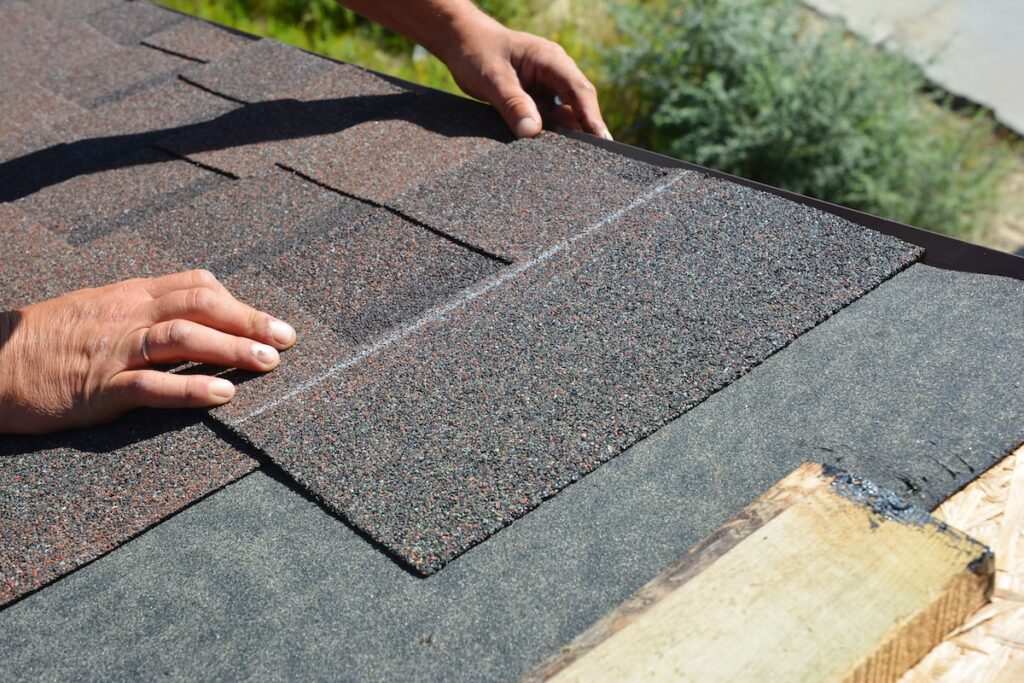
6. Repairs and Upgrades
Fixing structural issues and improving attic conditions eliminate future mold risks. This might include roof repairs, installing vapor barriers, or upgrading insulation.
- Seal roof leaks and improve insulation
- Add vents or ridge caps to enhance airflow
- Replace damaged building materials with mold-resistant alternatives
Advanced Strategies to Prevent Attic Mold Growth
Preventing mold is always better than remediation. Implementing strategic measures can maintain a dry and well-ventilated attic, significantly lowering mold risks.
- Ventilation Optimization: Proper attic ventilation prevents moisture buildup by allowing warm, moist air to escape.
- Regular Inspections: Scheduled attic checks help detect minor issues before they escalate to mold problems.
- Humidity Control: Using dehumidifiers and moisture barriers helps keep relative humidity low within the attic.
- Roof Maintenance: Timely roof repairs prevent leaks and reduce water intrusion into the attic.
- Insulation Quality: Adequate roof insulation prevents condensation on attic surfaces, reducing the conditions that foster mold.
Comparing Mold Remediation Options for Homeowners
When addressing attic mold, homeowners face several remediation options, each with different benefits and costs. Understanding these can guide choosing the right solution for your needs.
| Remediation Method | Effectiveness | Cost Range | Pros | Cons |
| DIY Cleaning | Low to Moderate | Low ($100–$500) | Cost-effective, easy for small areas | Risk of incomplete removal, exposure to spores |
| Professional Remediation | High | Moderate to High ($1,000–$5,000+) | Thorough cleaning, uses specialized equipment | Higher upfront cost, requires scheduling |
| Full Attic Replacement | Very High | High ($5,000+) | Completely removes mold and damaged structures | Expensive, invasive process |
Choosing a reliable roofing company often balances cost with peace of mind, especially when combined with residential roofing expertise for lasting attic protection.
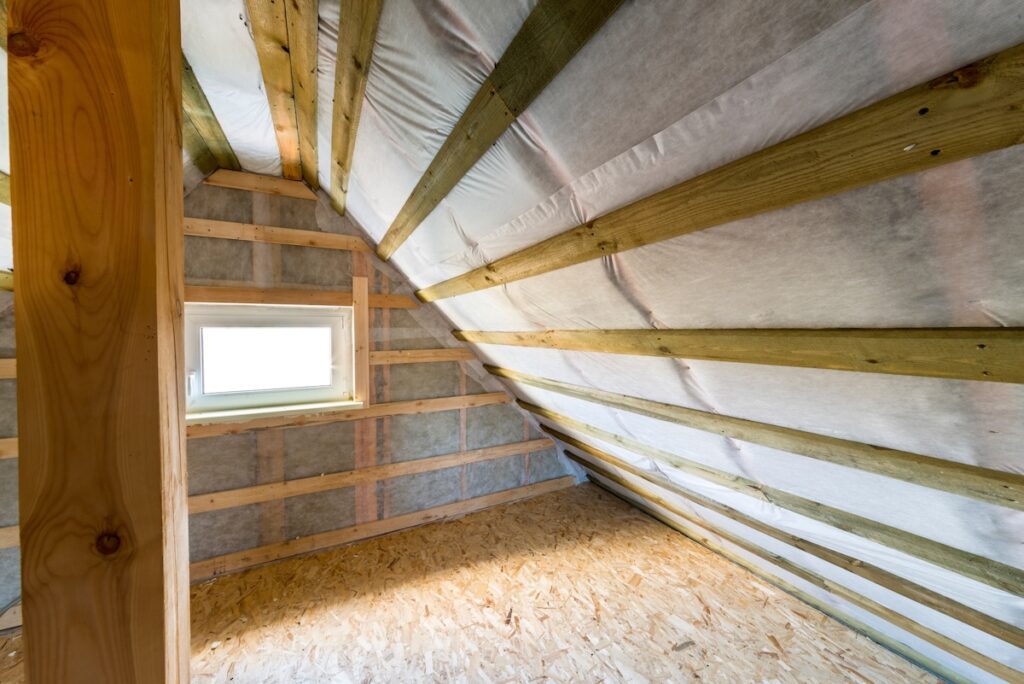
Take Action to Protect Your Home
Mold in the attic poses significant health risks and threatens the structural stability of your property. Timely attic mold remediation can restore safety and comfort, eliminating the root causes and preventing future outbreaks. Whether addressing mold actively or improving your roof and ventilation, don’t delay protecting your home. For tailored recommendations and expert assistance, contact us today to learn how we can help shield your home with effective and durable solutions.