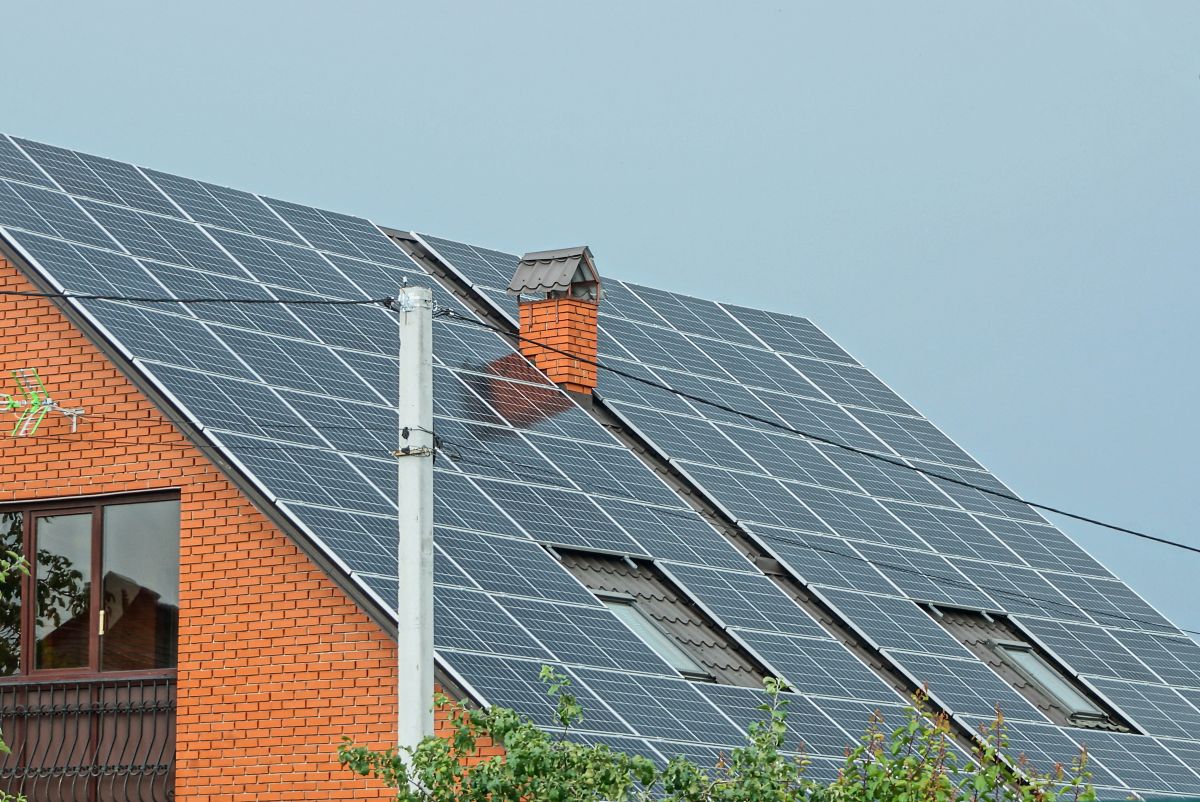

When comparing solar shingles vs solar panels, homeowners often want to know which option delivers the best balance of efficiency, appearance, and long-term value. Both systems generate renewable energy for your home, but they differ significantly in design, installation process, cost, and overall aesthetic. For homeowners in Spring Valley and surrounding areas, understanding these differences can help you make a confident investment in your roof and energy future.
- Energy production: Both systems convert sunlight into usable electricity.
- Design difference: One integrates into your roof, the other mounts above it.
- Cost considerations: Upfront pricing and long-term savings vary.
Choosing the right system depends on your goals, roof condition, budget, and long-term plans for your home.
What Are Solar Shingles?
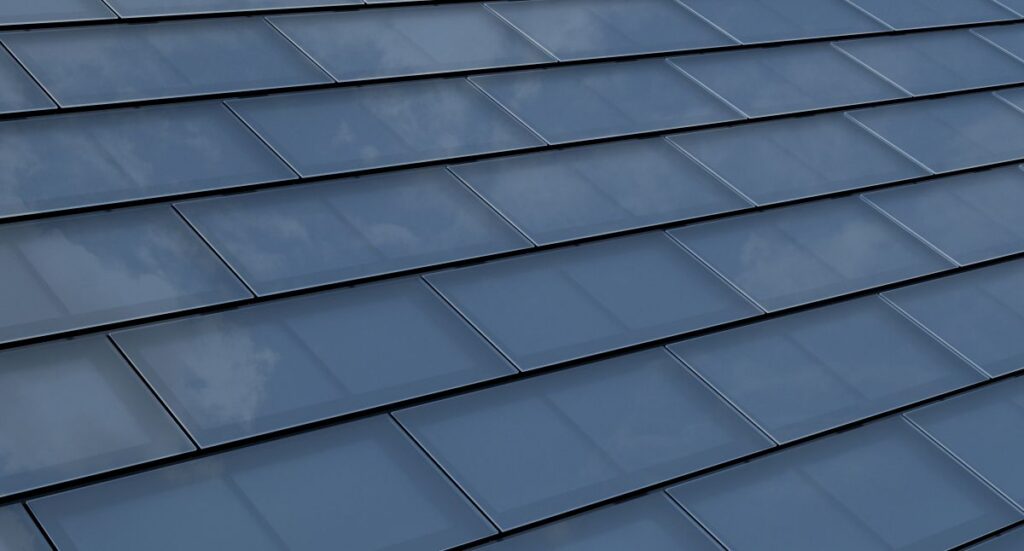
Solar shingles are roofing materials with built-in photovoltaic cells. Instead of installing solar panels on top of your roof, these shingles replace a portion of your existing roofing system.
Because they integrate directly into the roof surface, solar shingles provide a streamlined appearance that closely resembles traditional architectural shingles. They are typically installed during a full roof replacement, making them an appealing option for homeowners already planning a new roof.
What Are Solar Panels?
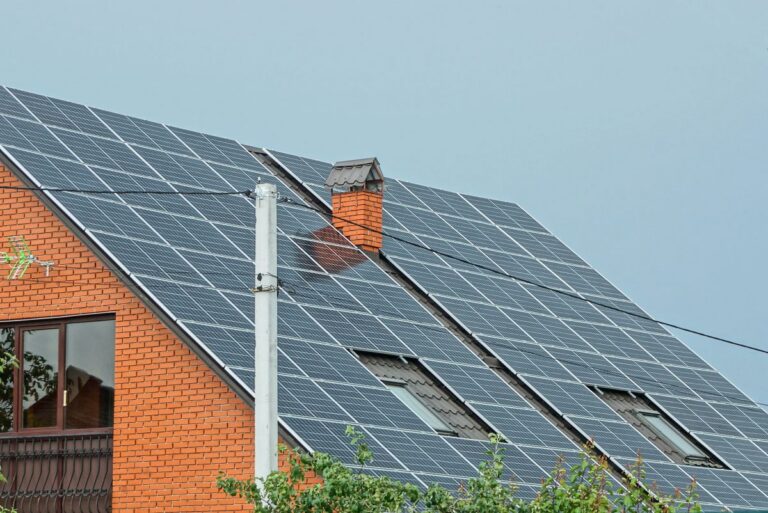
Solar panels are mounted systems installed above your existing roofing material. They are secured using racking systems and sit several inches above the roof surface.
Solar panels have been widely used for decades and are known for their strong energy output and reliability. Because they do not require a full roof replacement, they can be installed on roofs that are still in good condition.
5 Key Differences Between Solar Shingles and Solar Panels
Understanding the primary differences helps homeowners evaluate which option fits their priorities. These five factors often influence the final decision.
1. Appearance and Curb Appeal
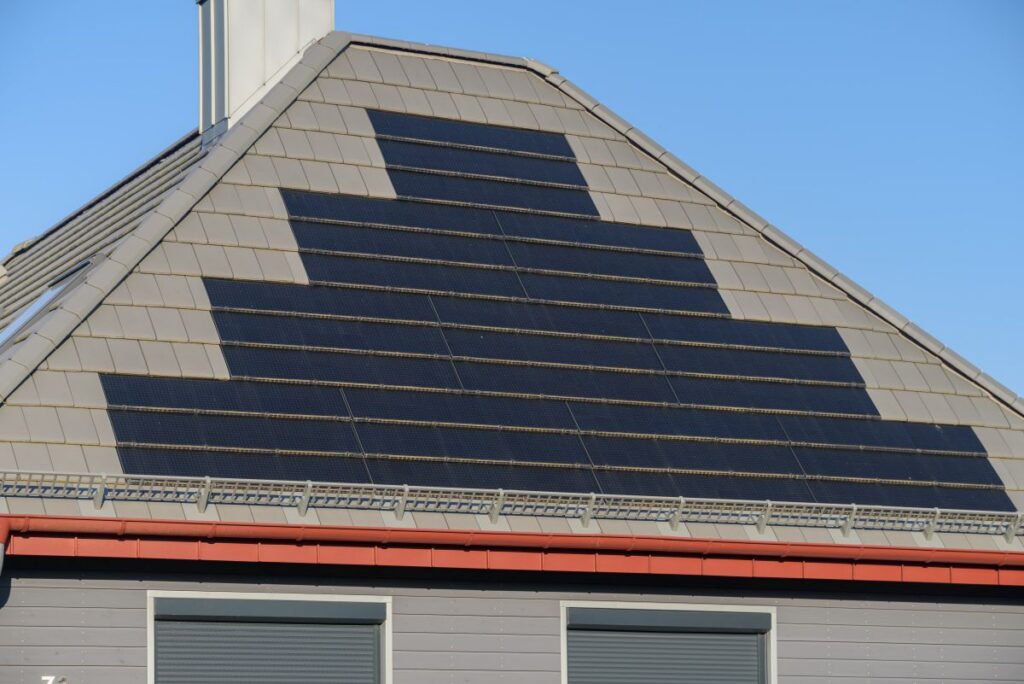
Solar shingles blend into the roofline, creating a low-profile, uniform look. Panels are more visible and may stand out depending on placement.
- Solar shingles: Seamless integration with roofing materials.
- Solar panels: Raised profile that may be more noticeable.
For homeowners focused on aesthetics, shingles often offer a cleaner appearance.
2. Installation Timing
Solar shingles are best installed during a complete roof replacement. Solar panels can be added to an existing roof without removing shingles.
- New roof projects: Ideal opportunity for solar shingle installation.
- Existing roof: Panels may be more practical if the roof is relatively new.
Your roof’s age plays a major role in determining which option makes sense.
3. Energy Efficiency
Traditional solar panels often produce slightly higher energy output per square foot compared to solar shingles. This can make them more efficient for homes with limited roof space.
- Panels: Higher efficiency in compact areas.
- Shingles: Moderate output but distributed across roof sections.
Energy goals should guide this decision.
4. Cost Structure
Solar shingles generally have a higher upfront cost because they replace roofing materials and integrate advanced technology. Solar panels typically cost less initially if your roof does not need replacement.
- Higher initial investment: Solar shingles combine roofing and energy systems.
- Lower upfront option: Panels add solar capability without replacing the roof.
Long-term savings and incentives can help offset both investments.
5. Maintenance and Accessibility
Solar panels are easier to remove and service individually if needed. Solar shingles, being integrated into the roof, require coordinated roofing expertise for repairs.
- Panel maintenance: Individual units can be accessed more easily.
- Shingle repairs: Often handled during roofing service appointments.
Both systems require routine inspection to ensure peak performance.
Cost Considerations for Both Options
Cost is often the deciding factor when comparing solar shingles and panels. Installation pricing depends on system size, roof complexity, electrical upgrades, and available incentives.
Federal tax credits and local utility programs may reduce overall expense. Homeowners in Spring Valley and surrounding areas should verify current incentives to calculate true net investment. Evaluating return on investment over time helps determine which system aligns best with your budget.
Long-Term Value and Durability
Both solar shingles and solar panels are designed for durability and weather resistance. Panels typically come with strong manufacturer warranties, often covering 20 to 25 years of performance.
Solar shingles also offer robust warranties when installed by certified contractors. Because they function as both roofing material and energy generator, their lifespan aligns closely with traditional roofing systems.
Which Option Is Better for Ohio Homes?
Ohio’s climate includes varied seasons, from snowy winters to warm summers. Both solar shingles and panels perform effectively in these conditions when properly installed.
Homes in Spring Valley and surrounding areas with south-facing slopes and minimal shading often see the greatest energy production. Evaluating roof orientation and shading is critical before selecting either system.
Pros and Cons at a Glance
To simplify the comparison, here is a quick breakdown of strengths and limitations.
- Solar shingles pros: Sleek design, integrated roofing system, strong curb appeal.
- Solar shingles cons: Higher upfront cost, best suited for roof replacement.
- Solar panels pros: Higher efficiency, flexible installation timing, lower initial investment.
- Solar panels cons: More visible appearance, mounted above roof surface.
- Shared benefits: Renewable energy production and reduced utility reliance.
Balancing aesthetics, budget, and performance goals leads to the best outcome.
Questions to Ask Before Deciding
Before choosing between solar shingles and panels, consider these important questions:
- How old is my roof? A roof nearing replacement age may favor shingles.
- What is my energy goal? Higher production needs may favor panels.
- Is appearance important? Shingles offer a more uniform look.
- What is my budget? Compare short-term investment and long-term savings.
- Do I plan to stay long-term? Longer residency improves return on investment.
A professional roof evaluation provides clarity on these factors.
Work With a Trusted Roofing Professional
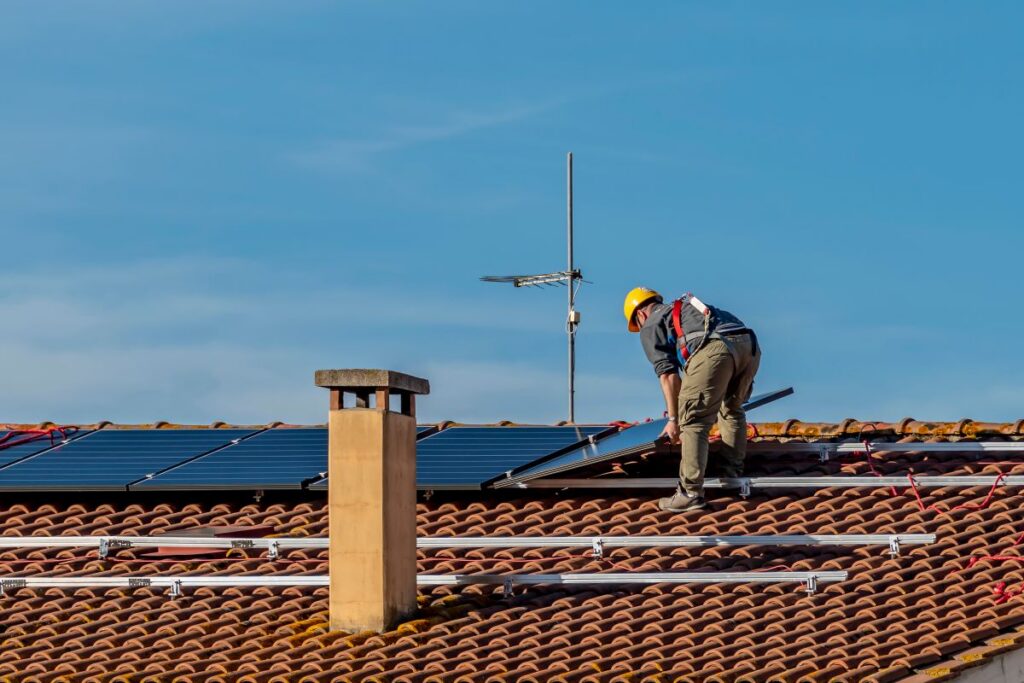
Solar installations require both roofing and electrical expertise. Improper installation can compromise waterproofing or system efficiency.
Choosing an experienced roofing contractor ensures your home remains structurally sound while meeting energy performance expectations. Professional assessments also help identify potential structural or electrical upgrades before installation begins.
Explore Your Options With Johnson Restoration
At Johnson Restoration, we help homeowners in Spring Valley and surrounding areas evaluate innovative roofing solutions with confidence. Whether you are comparing solar shingles vs solar panels or planning a traditional roof replacement, our team provides thorough inspections and honest recommendations tailored to your goals.
As a trusted local roofing company, we prioritize quality craftsmanship, long-term durability, and solutions that make sense for your home and budget. If you are exploring solar upgrades and want expert guidance on which option is right for you, contact Johnson Restoration today. We are here to help you protect your home while planning for a more energy-efficient future.