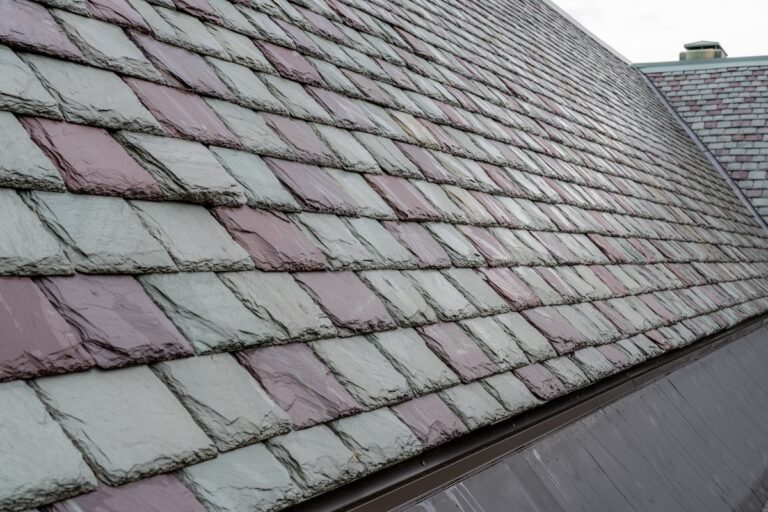
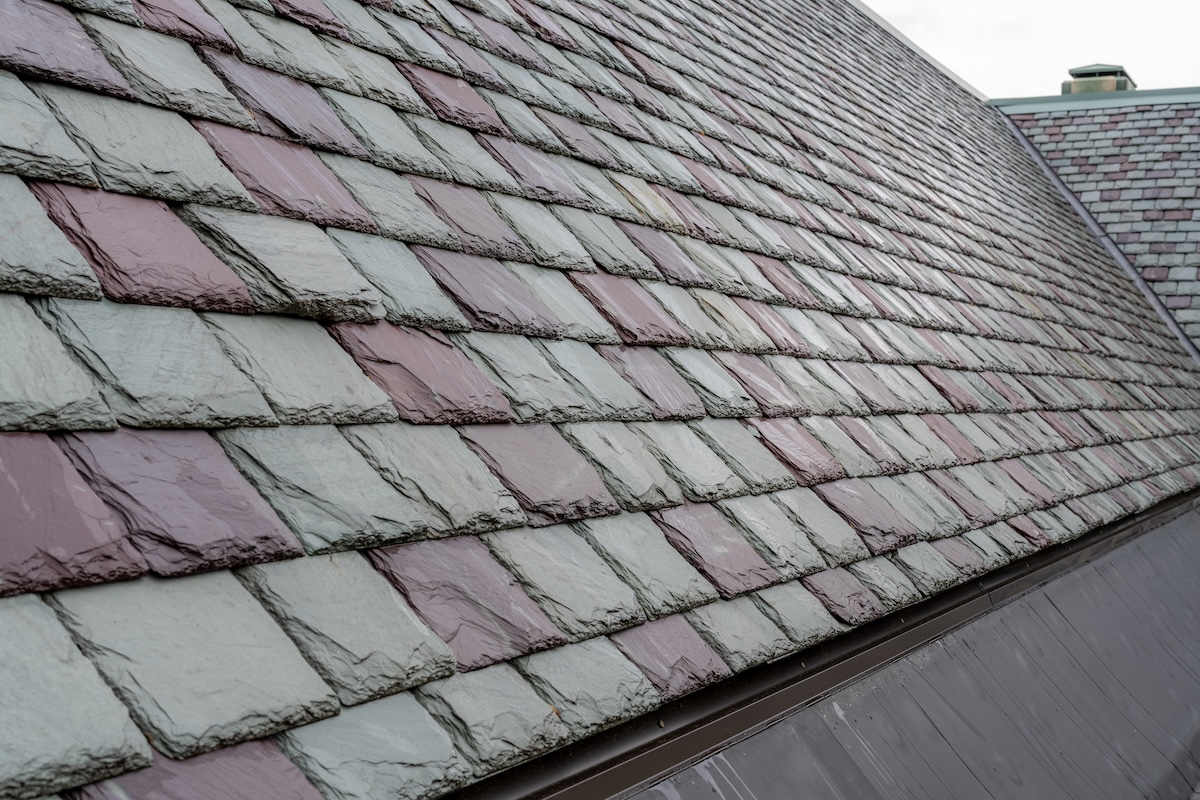

Slate roofing is known for its unmatched beauty, strength, and longevity, making it one of the highest-quality roofing materials available for homeowners today. Its natural stone composition allows it to last far longer than traditional shingles, but because slate is significantly heavier, it must be paired with a properly designed framing system to ensure long-lasting durability. Understanding how framing supports slate roofing helps homeowners make informed choices, plan structural upgrades, and avoid future issues.
- Heavier material: Slate weighs far more than asphalt shingles and requires reinforced support.
- Longevity: Many slate roofs last 75 to 150 years with proper installation.
- Structural importance: Strong framing ensures safety, performance, and long-term stability.
This guide explains the relationship between roof framing and slate roofing, how professionals evaluate structural needs, and the key steps involved in preparing a home for such a high-end roofing system in Mason and surrounding areas.
Why Slate Roofing Requires Strong Structural Support
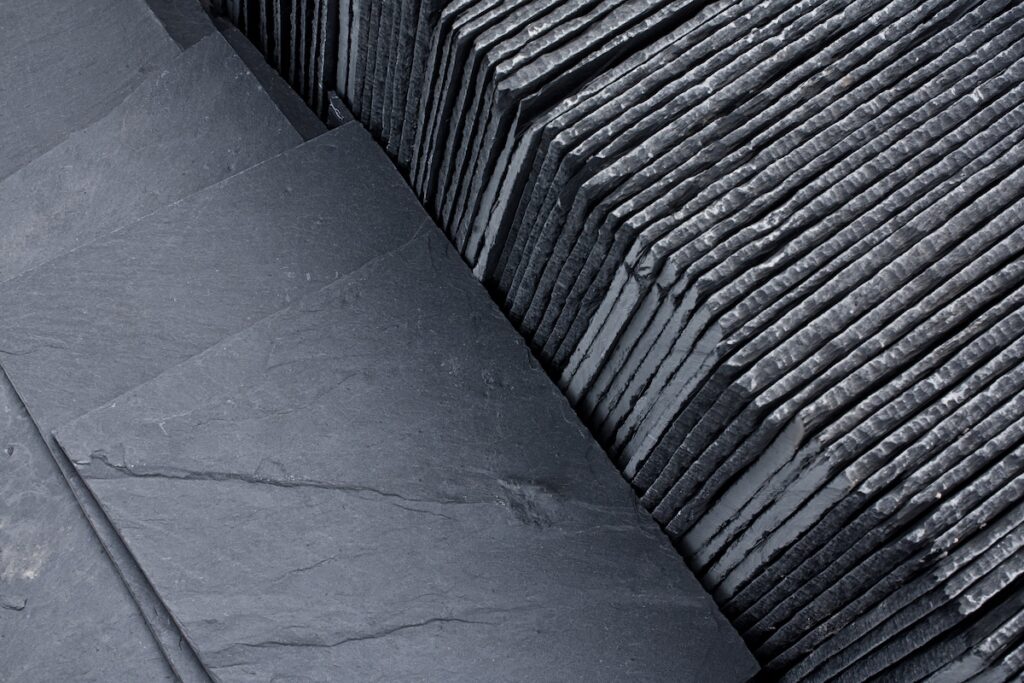
Slate tiles can weigh several times more than standard roofing materials. Because of this added weight, the supporting structure must be designed to carry the load safely. Homeowners considering slate should understand how this impacts their roof’s overall performance.
- Weight considerations: Depending on thickness, slate can weigh between 700 and 1,500 pounds per square.
- Framing stability: Roof rafters and trusses must support both the slate and the snow loads common in Ohio winters.
- Safety: Without proper reinforcement, framing systems may sag, crack, or fail over time.
Even though homeowners should always work with a structural specialist before choosing slate, understanding what makes a framing system strong helps you identify whether your current roof is a good candidate.
Key Factors That Affect Slate Roofing Support
The load-bearing capability of your home determines whether it can support slate roofing. Several factors influence how well the structure will perform under heavy, long-term weight.
- Rafter spacing: Wider spacing may require additional reinforcement to handle heavy materials.
- Roof pitch: Steeper roofs distribute weight more evenly across the structure.
- Age of the home: Older homes may need structural upgrades before slate installation.
- Existing materials: Light roofing materials like asphalt often indicate framing built for lower weight loads.
Evaluating these conditions early helps prevent issues and guides the preparation process for a durable slate roofing installation.
What Makes Slate Roofing Last So Long?
Slate is one of the most durable roofing materials available, but its longevity also depends on proper support. When paired with a strong framing system, slate offers impressive performance.
- Natural durability: Slate resists weathering, moisture, and UV exposure.
- Fire resistance: As a stone product, slate is naturally noncombustible.
- Low maintenance: Slate requires fewer repairs than most other roofing materials.
- Timeless appearance: The natural color and texture of slate enhance curb appeal for decades.
These qualities make slate an ideal choice for homeowners seeking a premium, long-lasting roofing system backed by excellent structural integrity.
7 Steps in Preparing Roof Framing for Slate Roofing
Homeowners should always consult a licensed structural engineer or framing specialist when preparing for slate roofing. While Johnson Restoration does not perform structural framing modifications, our team ensures your slate roofing plans align with proper support requirements before installation begins. This general overview explains the typical preparation process.
- Evaluate Structural Load Capacity
A structural professional determines whether the existing rafters, joists, and decking can support slate’s heavy weight. This evaluation includes load calculations, inspection of wood condition, and review of local building codes. - Inspect Rafters and Trusses
The framing system must be in excellent condition. Any signs of rot, cracks, or warping require correction before proceeding with slate roofing plans. - Reinforce where Necessary
If the framing is not up to modern load standards, specialists may install additional rafters, sister beams, or support braces to strengthen the structure for long-term durability. - Upgrade Roof Decking
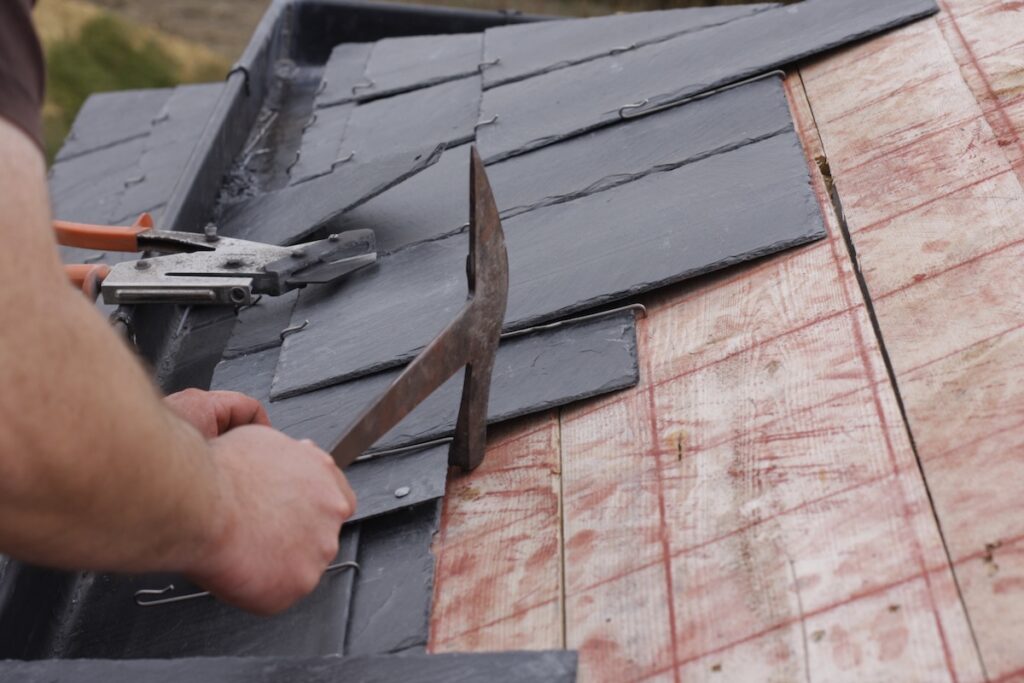
Slate requires solid wood decking, often thicker than what is used for asphalt shingles. Upgrading the decking ensures proper fastener hold and long-term support. - Ensure Proper Roof Pitch
Slate performs best on roofs with pitches steeper than 4/12. Structural adjustments may be necessary for flat or low-slope roofs to ensure proper water runoff. - Confirm Ventilation and Moisture Control
Adequate attic ventilation prevents moisture buildup that can weaken framing and reduce slate’s effectiveness. Roof vents and soffit systems must be evaluated and upgraded if needed. - Finalize Weight Distribution Plan
Once reinforcement is complete, professionals ensure the framing distributes weight evenly to avoid long-term sagging or structural strain. This ensures slate roofing performs at its highest level for decades.
With these steps completed, homeowners can move forward with confidence that their roof structure is ready to support the premium durability slate roofing provides.
Common Issues Caused by Poor Framing Support
Homes that receive slate roofing without proper structural reinforcement may face serious issues later. Awareness of these risks helps property owners make informed choices.
- Sagging rooflines: Excessive weight can gradually deform rafters and decking.
- Cracking or bowing ceilings: Structural strain may appear inside the home over time.
- Loose or shifting tiles: Movement in the structure affects slate alignment and performance.
- Leaks: Improper support can disrupt underlayment, flashing, and tile positioning.
These issues can become costly, making proper preparation essential before slate installation.
Benefits of Choosing Slate Roofing for Your Home
When supported by strong framing, slate roofing offers numerous advantages that make it one of the best long-term roofing investments.
- Exceptional lifespan: Many slate roofs last over a century.
- Enhanced property value: Slate adds premium appeal and durability.
- Weather resilience: Slate handles wind, rain, and snow with outstanding performance.
- Low long-term cost: While initial installation is more expensive, the low maintenance and long lifespan reduce lifetime costs.
Choosing slate roofing means investing in beauty, strength, and performance that lasts for generations.
How Ohio Weather Impacts Slate Roofing
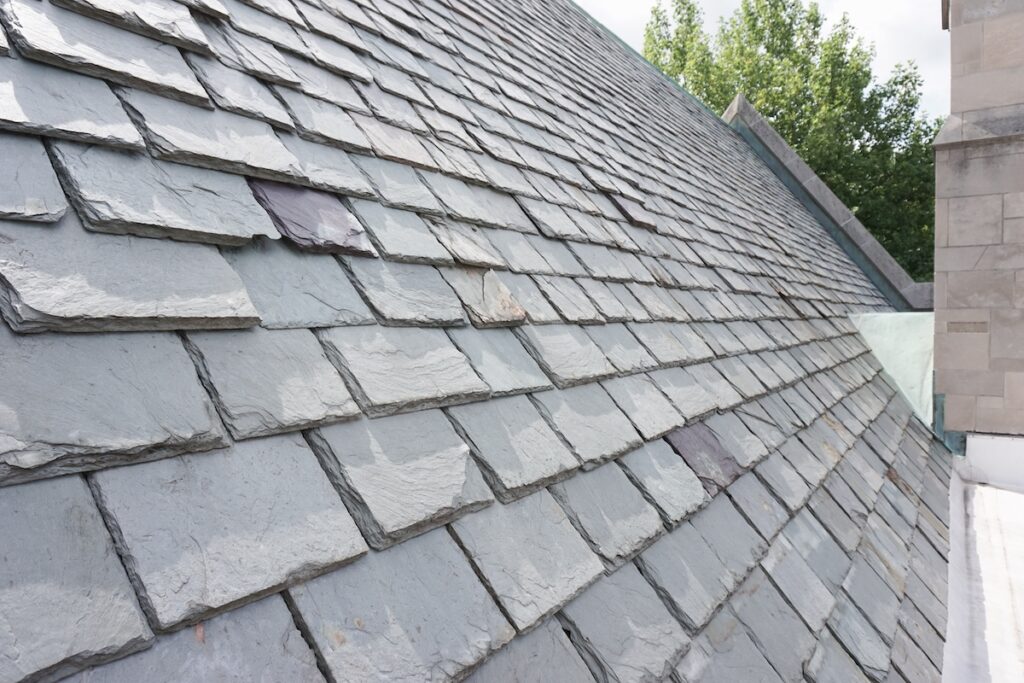
Ohio’s climate plays a major role in how well slate roofing performs over time. Slate is strong, but the framing beneath must be able to handle local weather patterns.
- Snow loads: Heavy winter snow can stress underbuilt framing.
- Freeze-thaw cycles: Slate handles temperature changes well, but framing must be protected from moisture.
- Wind exposure: Strong winds require secure fastening and well-supported decking.
Homeowners in Mason and surrounding areas benefit from regular inspections to ensure both slate and framing remain in excellent condition.
Protect Your Home With Johnson Restoration
Slate roofing is one of the most durable and beautiful choices a homeowner can make, but its performance depends on proper support and expert installation. At Johnson Restoration, we understand how Ohio homes are built, how our climate affects roof systems, and what it takes to protect your property for decades.
If you’re considering slate roofing for your property, or if your current roof shows signs of aging or storm damage, contact Johnson Restoration today. Our roofing contractors will guide you through your options and help you protect your home with long-lasting, reliable roofing solutions.