Your attic needs to breathe, but every opening that lets air out can also let in rain, snow, pests, and debris if it is not properly protected. That is where roof vent covers come in. These caps, hoods, and screens sit over the openings in your roof, keeping the weather and wildlife out while letting your ventilation system do its job. A cracked or loose cover can quickly turn into a leak. For homeowners in Huber Heights and surrounding areas, keeping these parts in good shape helps protect everything beneath your shingles.
A quick overview of this guide:
- What roof vent covers do and why they matter
- Five reasons every vented roof needs them
- The most common cover types and materials
- When to repair, replace, or leave vents alone
What Vent Covers Do for Your Home
Most homes rely on a mix of intake and exhaust vents to move air through the attic. Those vents are openings in your roof, and without the right covers, they become easy entry points for water and animals.
A good vent cover is designed to shed water and block debris without choking off airflow. That balance is what keeps your attic dry, your shingles healthy, and your energy bills in check. Here is why that matters:
- Leak protection: Covers keep rain and melting snow from falling straight through vent openings and soaking insulation, rafters, and ceilings.
- Pest prevention: Screens and solid hoods stop birds, squirrels, bats, and insects from moving into your attic.
- Healthy ventilation: Properly designed covers let hot, moist air escape so heat and humidity do not build up and damage your roof deck.
- Longer roof life: A dry, well-ventilated attic helps prevent mold, wood rot, and the kind of heat stress that shortens shingle life.
Without proper ventilation, a sealed attic can trap heat and moisture that lead to mold, ice dams, and shorter shingle life, which is why it helps to understand how attic airflow really works. Vent covers are the piece of that system you can actually see from the yard, so they are often the first clue that something needs attention.
5 Reasons Your Roof Needs Vent Covers
Vent covers are small, inexpensive parts, but they protect some of the most vulnerable spots on your roof. Each of the reasons below explains how they keep your home safer and drier.
1. They Keep Rain and Snow Out
Every exhaust vent is a hole cut through your roof deck. Covers are shaped to deflect water away from that opening, even during wind-driven rain. Without them, water can drip directly onto insulation and framing, often without any visible sign until a stain appears on the ceiling.
- Protects insulation from soaking and compressing
- Prevents ceiling stains and drywall damage
- Reduces the risk of hidden wood rot
2. They Block Pests and Wildlife
An attic is warm, quiet, and sheltered, which makes it appealing to animals looking for a nest. Damaged or missing vent covers give them an easy way inside. Once pests settle in, they can chew wiring, tear up insulation, and leave behind droppings that create odor and health concerns.
- Mesh screens stop insects and small birds
- Sturdy metal hoods resist chewing by squirrels
- Intact covers remove an easy entry point
3. They Keep Debris From Clogging Vents
Leaves, pine needles, twigs, and seed pods collect on roofs every season. Covers keep that debris from falling into vent openings, where it can block airflow and trap moisture. A clogged vent can make your entire ventilation system work less efficiently.
4. They Help Your Roof Handle Storm Damage
Hail, high winds, and falling branches can dent, crack, or tear off vent covers. Homes in Huber Heights and surrounding areas see their share of spring storms, and vent covers are often among the first parts of the roof to show damage. Sturdy, properly fastened covers hold up better and help keep water out until repairs can be made.
- Metal covers resist cracking from hail better than brittle plastic
- Secure fastening reduces the chance of blow-offs
- Dented covers are often documented during storm inspections
5. They Support Better Energy Efficiency
Your ventilation system helps release summer heat and winter moisture from the attic. When covers are crushed, clogged, or the wrong style, airflow suffers, and your HVAC system may have to work harder. Keeping covers in good condition helps your attic stay closer to outdoor temperatures, which supports a more comfortable home.
Each of these reasons comes back to the same idea: vent covers protect the openings that keep your attic healthy. When even one cover fails, the problems it allows can spread well beyond that single spot.
Common Types of Roof Vent Covers
Not every vent on your roof uses the same kind of cover. Knowing what you have makes it easier to spot problems and choose the right replacement when the time comes.
Box Vent Covers
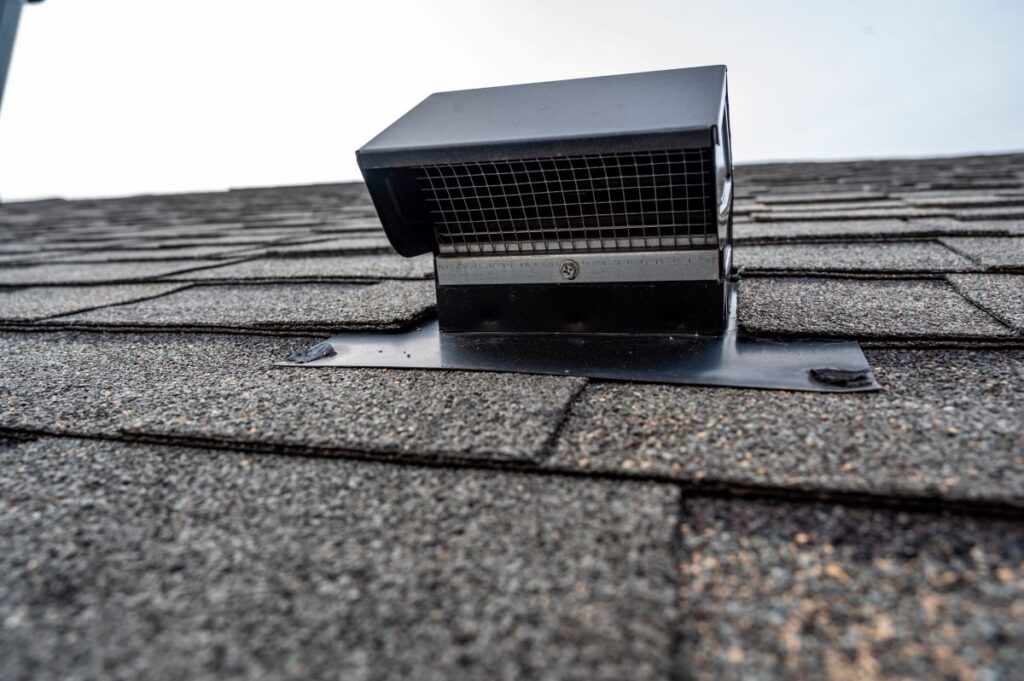
Also called static vents or roof louvers, box vents are square or slanted hoods placed near the ridge. Their covers shield the opening from rain while allowing hot air to escape through screened sides.
Turbine Caps
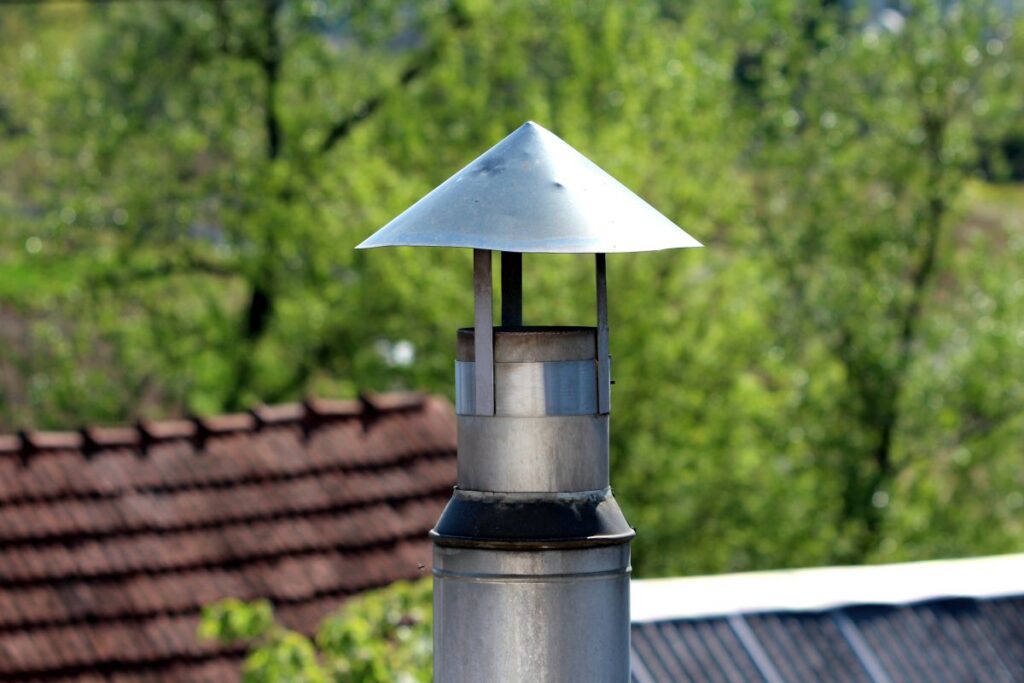
Turbine vents use wind to spin an enclosed fan that pulls air out of the attic. The spinning head acts as the cover, and worn bearings or dented fins can let water in or stop the turbine from turning.
Plumbing Vent Covers
Plumbing vent pipes release sewer gases and allow drains to flow properly. These pipes rely on a flashing boot to seal around the base, and any cap added on top must be a style designed for plumbing stacks so it does not restrict airflow.
Exhaust Vent Caps
Bathroom and kitchen exhaust fans often vent through the roof. Their caps usually include a damper that opens when the fan runs and closes to keep out drafts, pests, and weather.
Ridge Vent Covers
Ridge vents run along the peak of the roof and are covered with matching ridge cap shingles. Many include built-in baffles or filters that help block wind-driven rain, snow, and insects.
Matching the cover to the vent type is important. Mixing different exhaust vent styles in the same attic can also disrupt airflow, so replacements should always fit your existing system. When shopping online, keep in mind that many vent lids sold are RV covers built for the standard 14 by 14 inch RV roof opening, not for home roofs. Measuring the existing vent and its opening is the best way to get accurate sizing.
Choosing Materials and Knowing When to Act
Vent covers come in a range of materials, and each one holds up differently over time. Comparing them side by side helps you understand what you have now and what might work better in the future.
| Material | Strengths | Limitations |
| Aluminum | Lightweight, rust resistant, widely available | Can dent from hail or falling branches |
| Galvanized steel | Strong and durable, resists impact | Can rust once the coating wears away |
| Plastic or polypropylene | Affordable and corrosion proof | UV exposure can make it brittle, fade, or crack over time |
| Copper | Long-lasting with a distinctive look | Higher cost and less common on homes |
Warning Signs to Watch For
You do not need to climb onto the roof to spot many common problems. A careful look from the ground or a pair of binoculars can reveal:
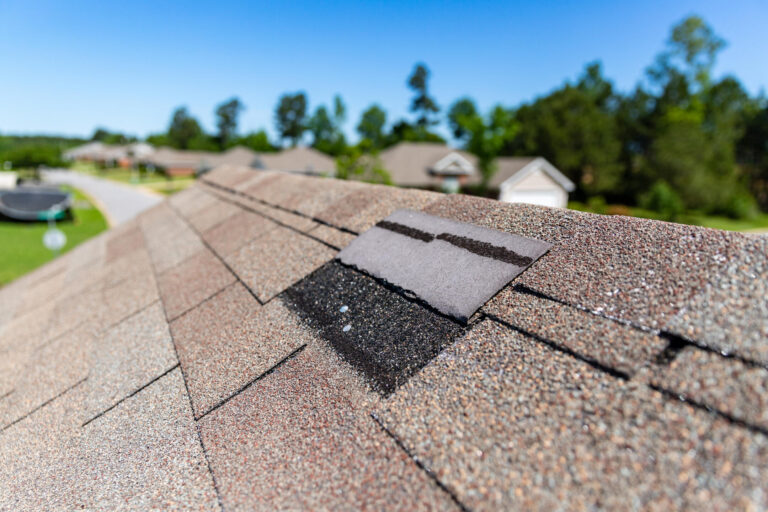
- Dented, cracked, or missing covers
- Rust streaks running down from vent hoods
- Lifted shingles or gaps around vent bases
- Birds or animals entering near a vent
- Water stains on ceilings below vent locations
Should You Cover Vents in Winter?
Some homeowners consider covering turbine or box vents during cold months to keep heat in. In most cases, that is a mistake. Attic ventilation releases warm, moist air in winter, and blocking it can lead to condensation, frost, and ice dams.
If you notice any of the warning signs above, have your vents inspected before the next storm season. Catching a damaged cover early is a quick, affordable fix compared to repairing a soaked attic.

Frequently Asked Questions About Roof Vent Covers
Vent covers raise plenty of questions because they sit somewhere most homeowners rarely look. Here are clear answers to the questions we hear most often.
Do roof vent covers reduce airflow?
Properly designed covers should not meaningfully restrict airflow. Problems usually come from damaged, clogged, or mismatched covers, which is why replacements should always match the vent type and size.
Can I replace a roof vent cover myself?
Some homeowners can install a new cover with basic tools like a cordless drill and a putty knife to break the old sealant. Still, working on a roof carries real fall risk, and an improperly sealed cover can leak. A professional will make sure the new cover is fastened and flashed correctly.
How long do vent covers last?
It depends on the material and weather exposure. Metal covers tend to last longer than plastic, but any cover can be damaged early by hail, wind, or falling limbs.
Are vent covers replaced with a new roof?
Usually, yes. During a roof replacement, vents and their covers are typically replaced or upgraded so they match the new roofing system and seal properly with new flashing.
How often should I check my vent covers?
A good rule is to check them at least once a year and after any major storm. Routine roof inspections are an easy time to confirm that every cover is secure and clear.
If your question is not covered here, our team is happy to take a closer look at your roof. A quick inspection can confirm whether your vents and covers are working the way they should.
Keep Your Attic Protected With Johnson Restoration
Roof vent covers may be small, but they guard the openings that keep your attic dry, cool, and free of pests. When they are cracked, dented, or missing, water and wildlife can find their way in fast. Johnson Restoration has helped homeowners in Huber Heights and surrounding areas protect their roofs since 2012, with free estimates and a written scope of work on every project. Our team will inspect your vents, explain what we find, and recommend the right repair or replacement. If you have noticed damage or just want peace of mind before the next storm, contact us today to schedule your free inspection.