
A roof valley is one of the most important yet vulnerable parts of any roofing system. It’s the area where two roof slopes meet, forming a channel that directs rainwater and melting snow down to your gutters. Because roof valleys handle large amounts of water flow, they require proper installation, flashing, and maintenance to prevent leaks and long-term damage.
- Purpose: Directs water off the roof and into the gutter system efficiently.
- Vulnerability: Valleys are more prone to leaks than flat sections of the roof.
- Protection: Correct flashing and sealant installation prevent water infiltration.
For homeowners in Centerville and surrounding areas, understanding how roof valleys work—and how to keep them in good condition—can protect your home from costly repairs.
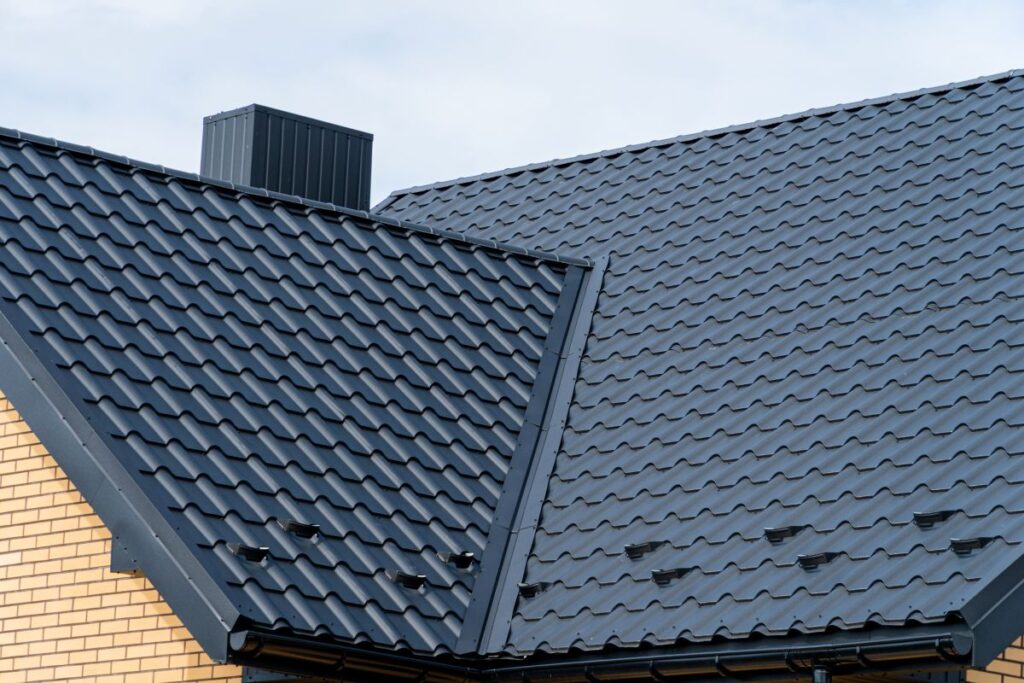
The Function of a Roof Valley
Roof valleys serve as natural drainage paths for your roof. Whenever rain or snow lands on the surface, the valley channels water toward your gutters. Because valleys handle more concentrated runoff than other areas, they’re at greater risk of leaks or erosion if not properly maintained.
- Water flow control: Directs heavy rainwater toward the eaves.
- Ice and snow management: Reduces buildup in cold weather to prevent ice dams.
- Roof design flexibility: Allows complex roof structures to shed water safely.
Without strong, sealed valleys, even a high-quality roof can develop leaks that affect insulation, drywall, and your home’s structure.
Different Types of Roof Valleys
Not all roof valleys are built the same. Depending on your roofing materials and home design, contractors choose from a few common valley styles.
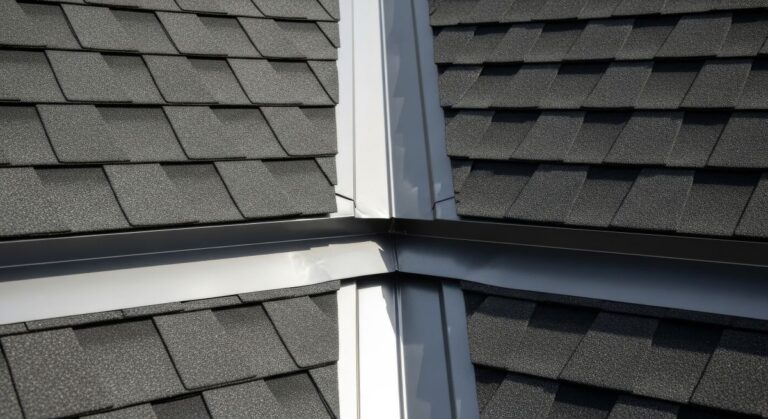
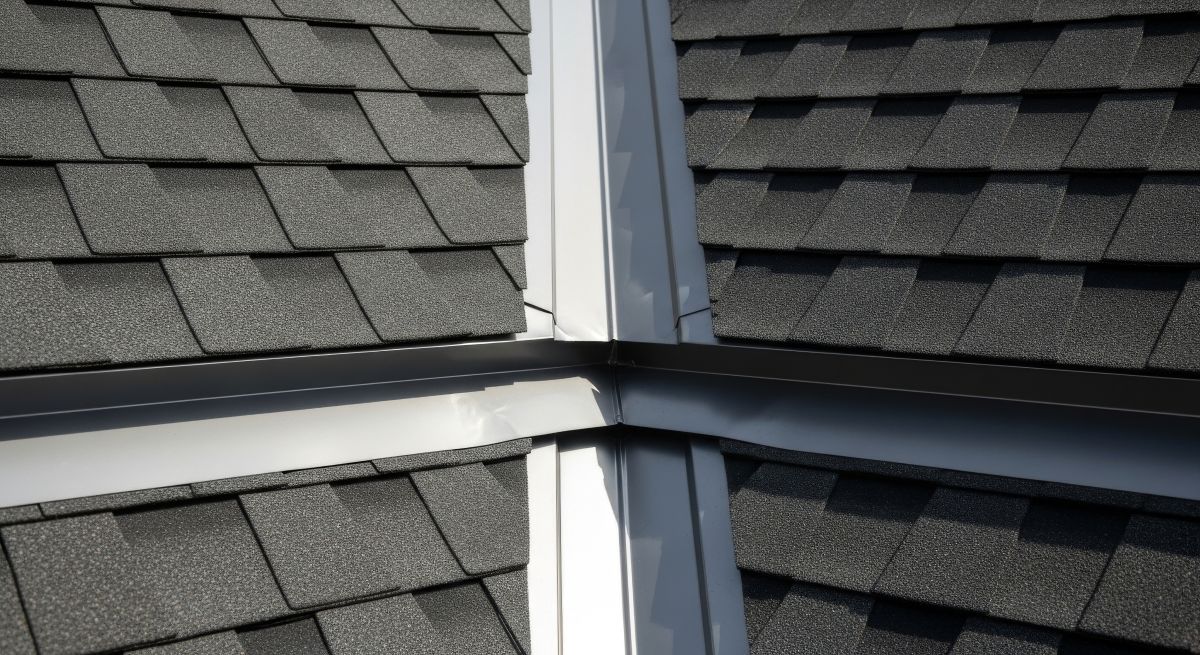
- Open valleys: Expose metal flashing between roof sections, offering excellent water flow and visibility for inspection.
- Closed-cut valleys: Shingles overlap to cover the flashing, creating a seamless appearance while still protecting against leaks.
- Woven valleys: Shingles are interlaced across the valley for added reinforcement, though this method is less common with modern materials.
Each type offers unique aesthetic and performance benefits. Your roofing contractor will select the right one based on your home’s slope, shingle type, and drainage needs.
Why Roof Valleys Are Prone to Leaks
Because valleys concentrate runoff, even small installation or maintenance issues can lead to significant leaks over time. Common causes include aging materials, storm damage, or debris accumulation.
- Improper flashing installation: Gaps or misaligned metal can allow water to penetrate the roof deck.
- Clogged valleys: Leaves and branches block water flow, forcing it beneath shingles.
- Shingle wear: Cracked or lifted shingles around the valley expose underlayment to moisture.
- Ice dams: In winter, melting snow refreezes in the valley, trapping water and causing leaks.
- Sealant deterioration: Over time, caulking and adhesive materials lose flexibility and peel away.
Because valleys often carry more water than any other part of the roof, even minor issues can quickly turn into leaks inside your attic or walls.
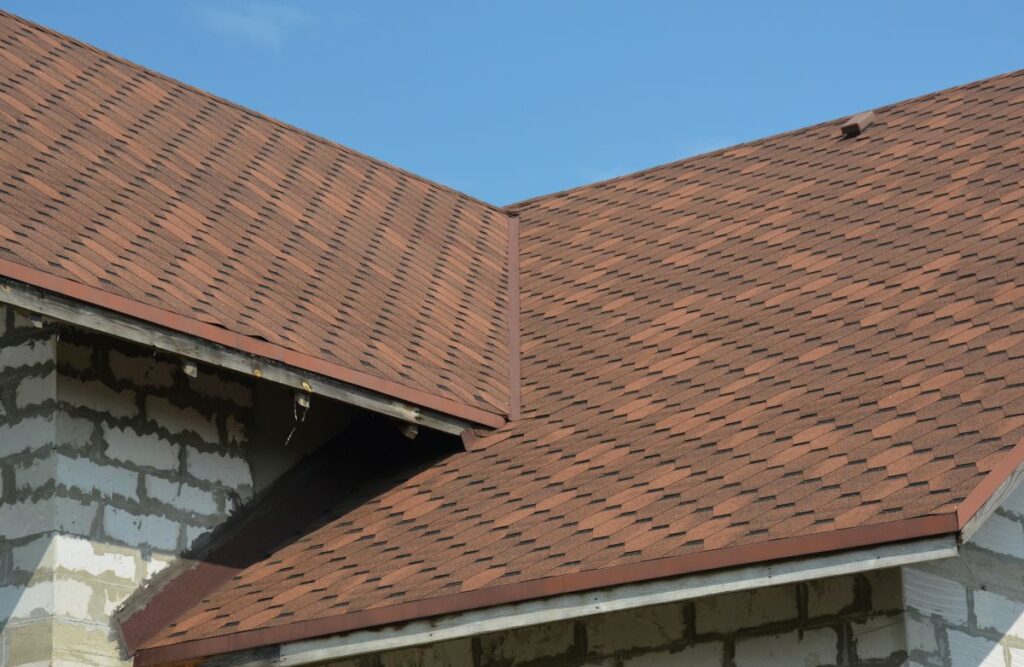
The Role of Flashing in Roof Valleys
Flashing is the metal lining installed under or over shingles to protect joints and seams from water. In roof valleys, it’s essential for directing water away from the roof deck.
- Material types: Common flashing materials include aluminum, copper, and galvanized steel.
- Installation method: Flashing is laid along the valley before shingles are applied, forming a watertight seal.
- Maintenance need: Periodic inspection ensures flashing remains intact and corrosion-free.
When flashing is installed correctly, it creates a durable channel that safely guides water toward the gutters. However, if flashing becomes damaged or rusted, leaks can develop even on newer roofs.
6 Steps in the Roof Valley Repair Process
When a roof valley begins leaking or showing signs of damage, professional repair ensures the problem doesn’t spread. Here’s a general overview of how roofing contractors restore proper function and protection.
- Inspection and Damage Assessment
The roofer examines the valley to determine whether the issue is due to shingle wear, flashing damage, or improper installation. - Debris Removal
Leaves, dirt, and other debris are cleared from the valley to expose the full surface and locate the problem area. - Shingle Removal
Damaged or lifted shingles are carefully removed to access the valley lining and underlayment beneath. - Flashing Replacement or Repair
Old flashing is replaced if rusted, cracked, or improperly installed. New flashing is secured to form a continuous, watertight seal. - Underlayment Reinforcement
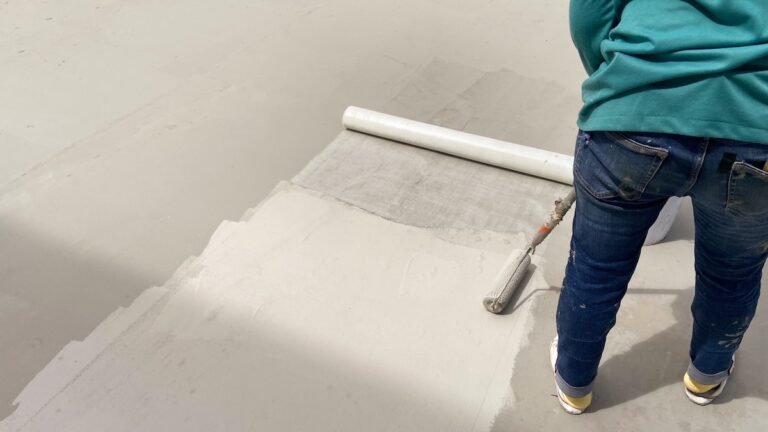
A waterproof barrier is applied beneath the flashing to add extra leak protection. - Shingle Reinstallation
New shingles are installed to match the existing roof, and edges are sealed to prevent water intrusion.
Following these steps restores full protection to the valley area and helps extend the lifespan of the entire roofing system.
Preventing Roof Valley Leaks
Routine maintenance is the most effective way to prevent future problems. By keeping your valleys clean and scheduling professional inspections, you can avoid major repairs later.
- Clean regularly: Remove leaves, twigs, and debris every spring and fall.
- Check flashing: Look for corrosion, cracks, or lifting edges.
- Inspect after storms: High winds and hail can damage shingles or lift flashing.
- Clear gutters: Proper drainage keeps valleys from backing up with water.
- Add snow guards: In winter, guards help prevent ice buildup in sloped valleys.
A small amount of attention a few times a year can make a big difference in keeping your roof valleys watertight and structurally sound.
How Ohio Weather Affects Roof Valleys
Homes in Centerville and surrounding areas face seasonal weather challenges that make roof valleys especially important.
- Heavy rain: Ohio storms can overwhelm valleys without proper flashing and drainage.
- Snow and ice: Winter accumulation often leads to ice dam formation.
- High humidity: Moisture accelerates rust and wear on metal flashing.
- Wind damage: Strong gusts lift shingles or debris, exposing seams to water intrusion.
Local roofing contractors understand how these conditions affect valley performance and can recommend specific materials or design adjustments for long-term durability.
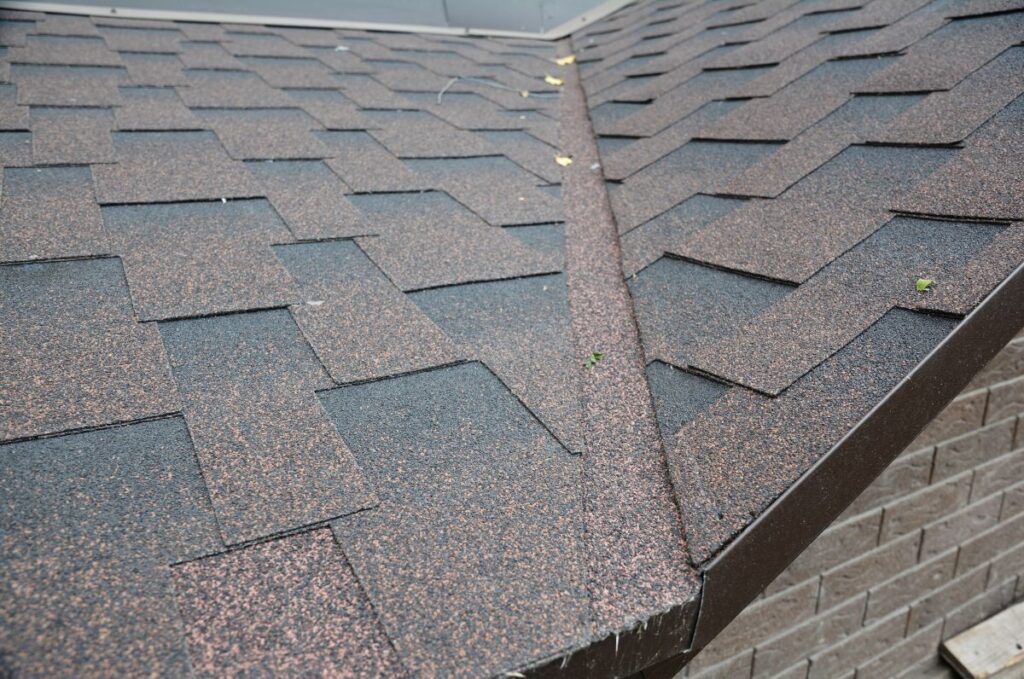
Protect Your Home With Johnson Restoration
At Johnson Restoration, we understand that a roof valley may be small compared to the rest of your roof, but it plays one of the biggest roles in keeping your home dry and secure. Our team helps homeowners in Centerville and surrounding areas repair, replace, and maintain roof valleys to ensure every part of your roofing system performs its best.
As your trusted local roofing company, we combine quality craftsmanship with proven materials and dependable service. If you notice leaks, stains, or damage near your roof valleys, contact Johnson Restoration today. Our roofing contractors will inspect your system, repair any issues, and restore your peace of mind before the next Ohio storm rolls through.