
Your roof is one of the most critical components of your home, acting as the primary shield against the elements. However, like any other part of your house, it requires regular maintenance to ensure its longevity and peak performance. One essential—and often affordable—aspect of roof maintenance is the periodic inspection. Understanding the average roof inspection cost is key to budgeting for this important preventative measure.
But how much does a roof inspection cost for your home, specifically? The answer depends on several variables, including your roof’s complexity and whether you need an advanced inspection method like infrared imaging or a simpler visual check. We’ll show you exactly how factors like steep slopes, multiple dormers, and square footage influence the final quote, making sure you know what to expect before you call a professional contractor.
Key Takeaways
- Cost Range: A basic roof inspection cost averages between $150 to $500, but advanced methods (Drone, Infrared) can cost $1,000 or more. Many companies offer free inspections for repair estimates.
- Cost Drivers: The final price depends primarily on Roof Complexity and Size (steep pitch, multiple features) and Inspection Type (Visual vs. Infrared).
- When to Inspect: Inspections are vital at least once a year (spring or fall) and immediately after any severe weather events (storms, hurricanes). Older roofs require checks every six months.
- Contractor Vetting: When hiring, always verify the contractor’s Licensing and Insurance, check customer Reviews, and confirm the Warranty and Guarantees they offer on materials and labor.
When Should You Schedule a Roof Inspection?
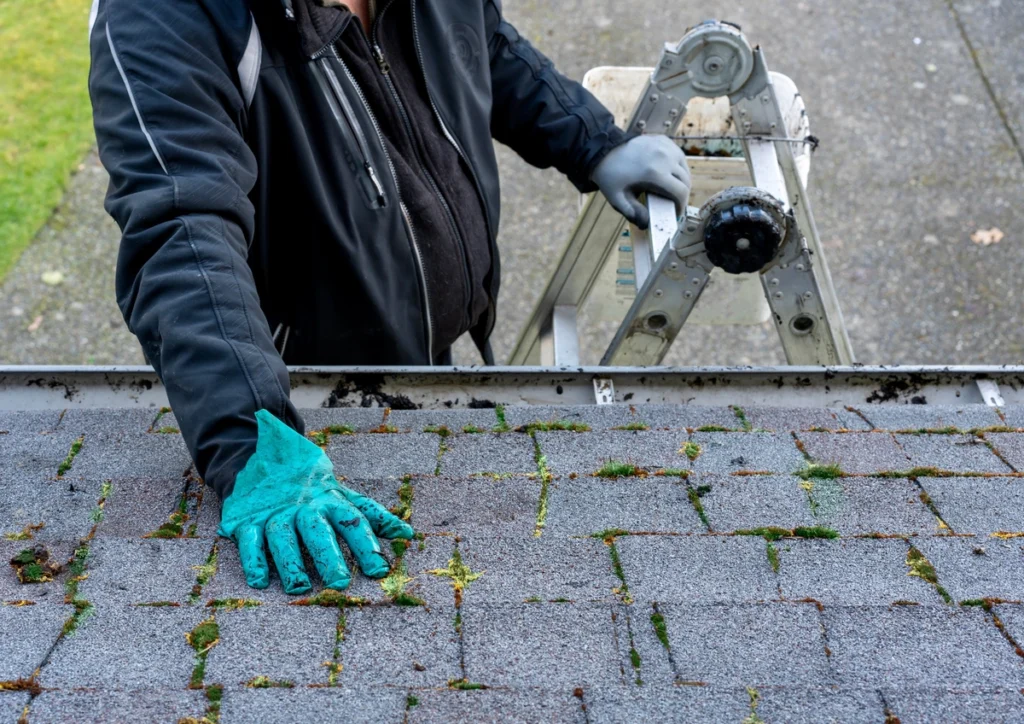
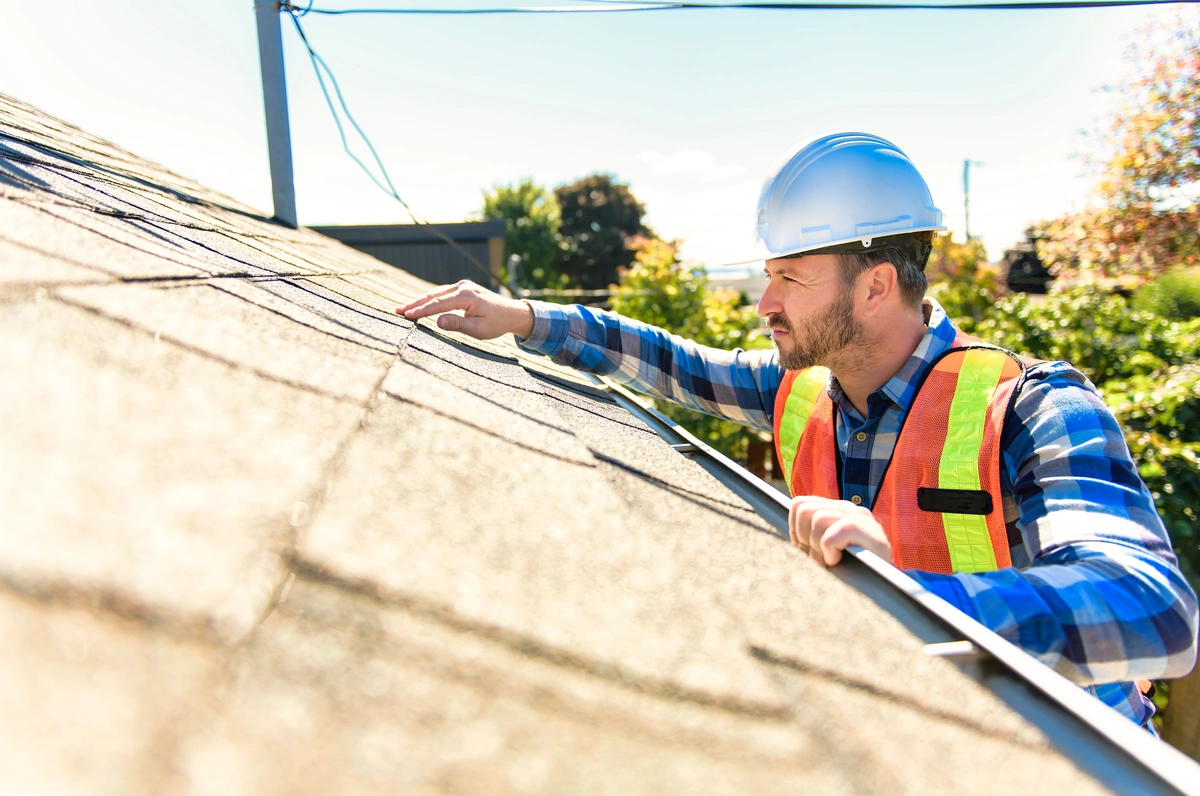
Ideally, you should schedule a roof inspection at least once a year, preferably in the spring or fall. These seasons are optimal because they precede the harsh weather conditions of summer and winter. Additionally, you should schedule an inspection after severe weather events such as storms or hurricanes, which can cause damage to your roof. Signs that indicate the need for an immediate inspection include:
- Missing, cracked, or curling shingles
- Leaks or water stains on your ceiling
- Moss or algae growth
- Sagging or uneven areas on the roof
- Debris buildup in gutters
All the symptoms listed above fall into specific structural categories that require targeted repair plans. To understand the critical distinction between a minor flaw and a significant structural failure—and to learn the full classification of issues affecting your home—review our complete analysis of the different types of roof damage.
How Much Does a Roof Inspection Cost?
The cost of a roof inspection can vary depending on several factors, including the size and complexity of your roof, the location of your home, and the contractor you hire. On average, the basic roof inspection cost is $150 and can go up to $500. However, more extensive inspections, such as those involving drone technology or thermal imaging, can cost upwards of $1000.
Keep in mind that while the upfront roof inspection cost may seem high, it can save you money in the long run by identifying potential problems early on. Moreover, many roofing companies offer free inspections as part of their services, especially if you’re considering them for repairs or replacements.
Determinants and Cost Factors
When homeowners ask, “How much does a roof inspection cost?” the simple answer is that the price depends entirely on factors unique to their property. While a standard visual check may be relatively inexpensive, complex or high-risk jobs can significantly increase the overall roof inspection cost.
Factors That Influence Your Roof Inspection Cost
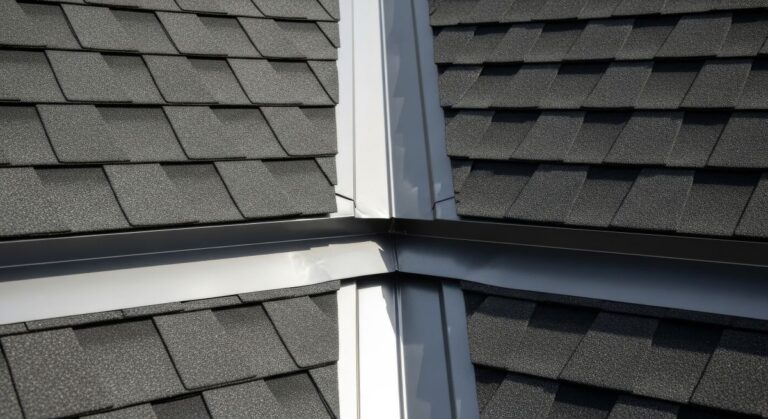
- Roof Complexity and Size: The largest determinants of your roof inspection cost are how complicated and how big your roof is. Roofs with multiple slopes, many valleys, numerous features like chimneys and skylights, or a large overall square footage require more time and effort, driving the price up.
- Accessibility and Safety: If your roof has a very steep pitch or is exceptionally tall (like on a two-story home), it makes the inspection difficult and potentially dangerous.
Inspection Type
Not all inspections are the same, and the method drastically affects the final fee. Your roof inspection cost will depend on the level of detail required:
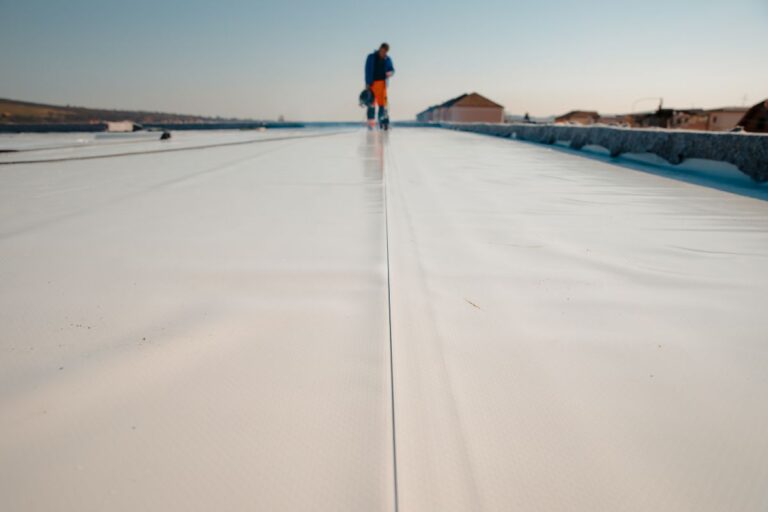
- Physical/Visual Inspection: The simplest option, typically for flat or easily accessible roofs.
- Drone Inspection: Costs more but allows inspectors to safely check inaccessible or steep roofs and provides high-resolution photos for documentation.
- Infrared Inspection: The most detailed type, used to detect hidden moisture, leaks, and potential mold deep beneath the surface, which is impossible to see with the naked eye.
Location and Climate
Inspection fees vary regionally due to different labor costs and local market conditions. Furthermore, if you live in a region that experiences severe, unpredictable weather, such as hurricanes (as seen in North Carolina), the need for a comprehensive inspection is heightened, potentially influencing the local roof inspection cost.
Why Your Roof Inspection Could Be Free
Several roofing companies offer free roof inspections as a way to attract potential customers and build trust within the community. These free inspections typically include a visual assessment of your roof’s condition, identification of any visible damage or issues, and recommendations for repairs or maintenance.
While the inspection itself may be free, it’s essential to be wary of companies that use this tactic as a sales ploy to upsell unnecessary services. Look for reputable roofing contractors with positive reviews and a track record of honest and transparent dealings.
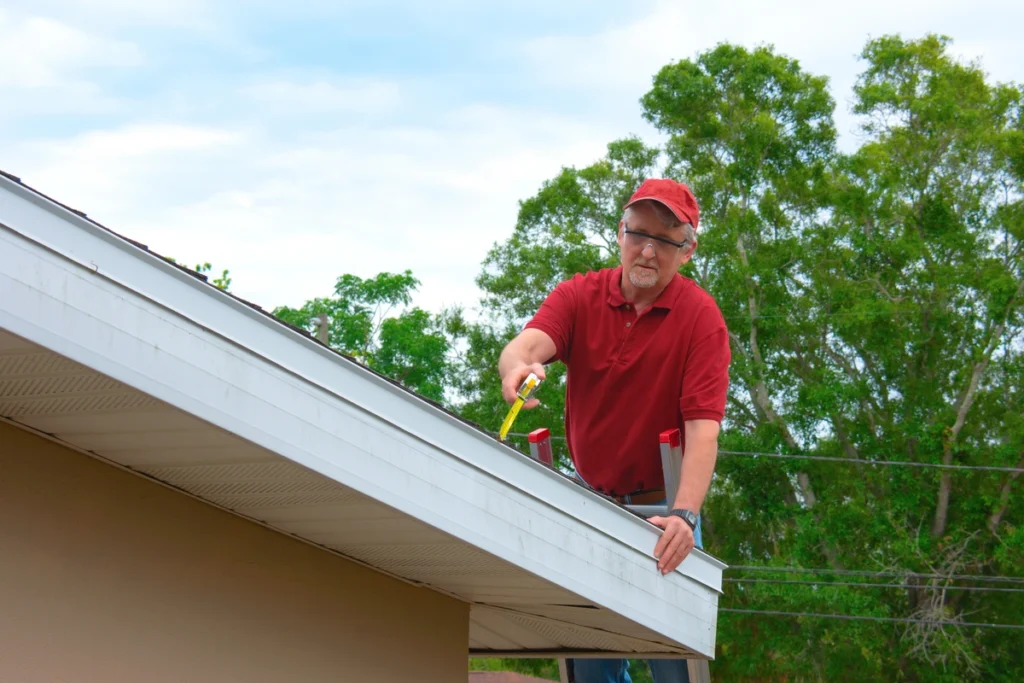
How Often Should Your Roof Be Inspected?
As mentioned earlier, scheduling a roof inspection at least once a year is recommended. However, certain factors may necessitate more frequent inspections:
- Age of the roof: Older roofs (10 years or more) may require inspections every six months due to increased wear and tear.
- Weather conditions: If your area experiences frequent storms, high winds, or extreme temperatures, more frequent inspections may be necessary to assess any damage.
- Previous repairs: If you’ve recently had repairs done on your roof, it’s advisable to schedule an inspection to ensure that the work was completed satisfactorily and that no new issues have arisen.
Ultimately, the frequency of inspections will depend on your specific circumstances and the recommendations of your roofing professional.
How to Find a Quality Roofing Contractor
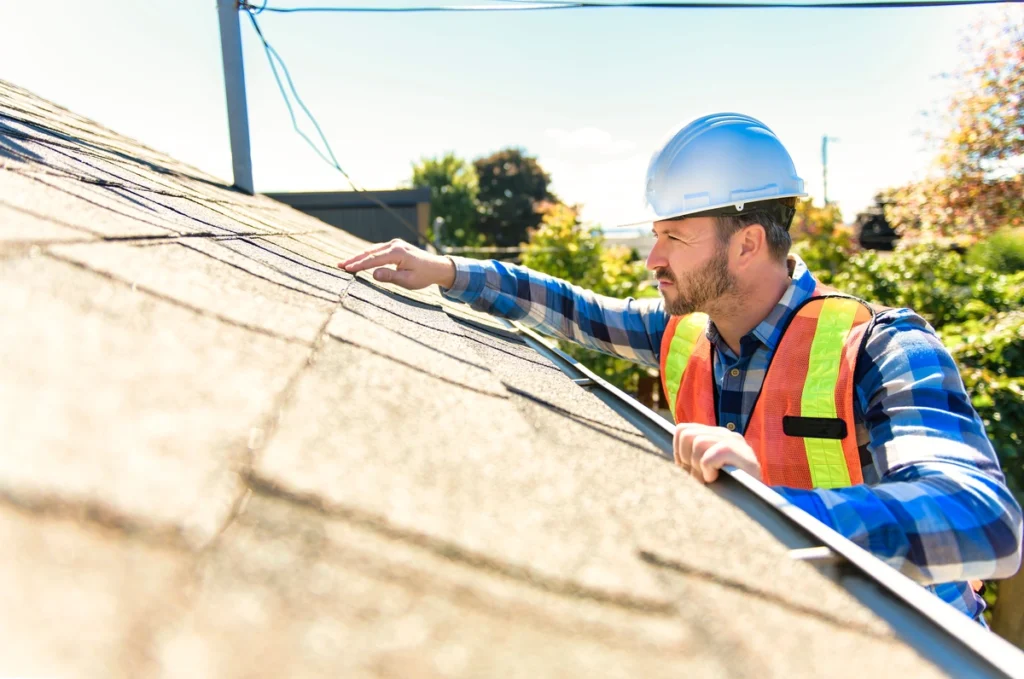
Finding a reputable roofing contractor is crucial to ensuring the success of your roof inspection and any subsequent repairs or maintenance. Here are some tips for finding a quality contractor:
Research and Reviews:
Start by researching local roofing companies and reading reviews from past customers. Look for companies with a strong reputation for professionalism, reliability, and quality workmanship.
Credentials and Experience:
Verify that the contractor is licensed, bonded, and insured to perform roofing work in your area. Additionally, inquire about their experience and expertise in conducting roof inspections and repairs.
Warranty and Guarantees:
A reputable roofing contractor should offer warranties on their workmanship and the materials they use. Be sure to ask about any guarantees or warranties provided before hiring a contractor.
Get Multiple Estimates:
Obtain estimates from several roofing contractors to compare prices and services. However, be cautious of unusually low bids, as they may indicate subpar workmanship or the use of inferior materials.
Communication and Transparency:
Choose a contractor who communicates clearly and transparently throughout the inspection and repair process. They should be willing to deliver an exact roof inspection cost or other alternatives the moment you schedule the repair or replacement. It’s also important that all your questions get answers through regular updates on the status of the work.
Schedule a Professional Roof Inspection
Investing in regular roof inspections is a proactive measure that can save you time, money, and stress in the long run. By understanding the factors that influence roof inspection costs, knowing when to schedule an inspection, and finding a reputable roofing contractor, you can ensure that your roof remains in optimal condition for years to come. Don’t wait until a minor issue becomes a major problem—schedule your roof inspection today and enjoy peace of mind knowing that your home is well-protected.
Contact Johnson Restoration to work with a roof inspector that you can trust!