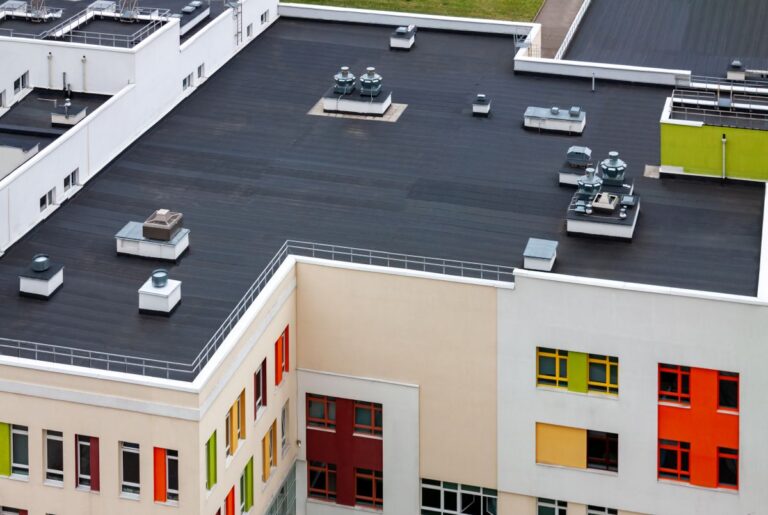
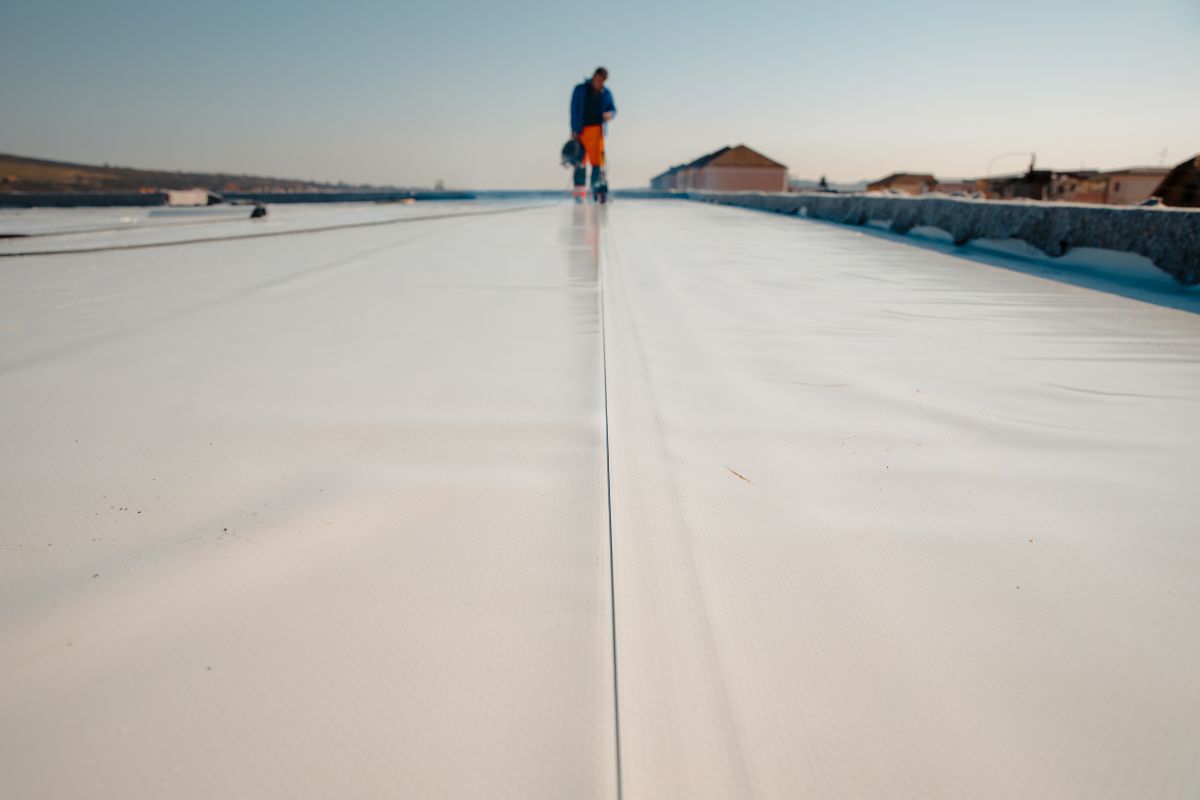

PVC roofing has become one of the most popular options for commercial properties thanks to its durability, energy efficiency, and ease of maintenance. Designed to withstand harsh weather, chemicals, and heavy foot traffic, this single-ply roofing membrane offers long-term protection for a variety of commercial structures. Whether you manage a warehouse, office complex, or retail center in Kettering and surrounding areas, PVC roofing provides the strength and performance your building needs to stay protected year-round.
- Durable construction: PVC membranes are made to handle decades of exposure to sunlight, wind, and rain.
- Low maintenance: Requires minimal upkeep compared to older commercial systems.
- Proven performance: Delivers excellent resistance to leaks, chemicals, and UV rays.
Let’s explore six key benefits that make PVC roofing an excellent choice for commercial buildings across Ohio.
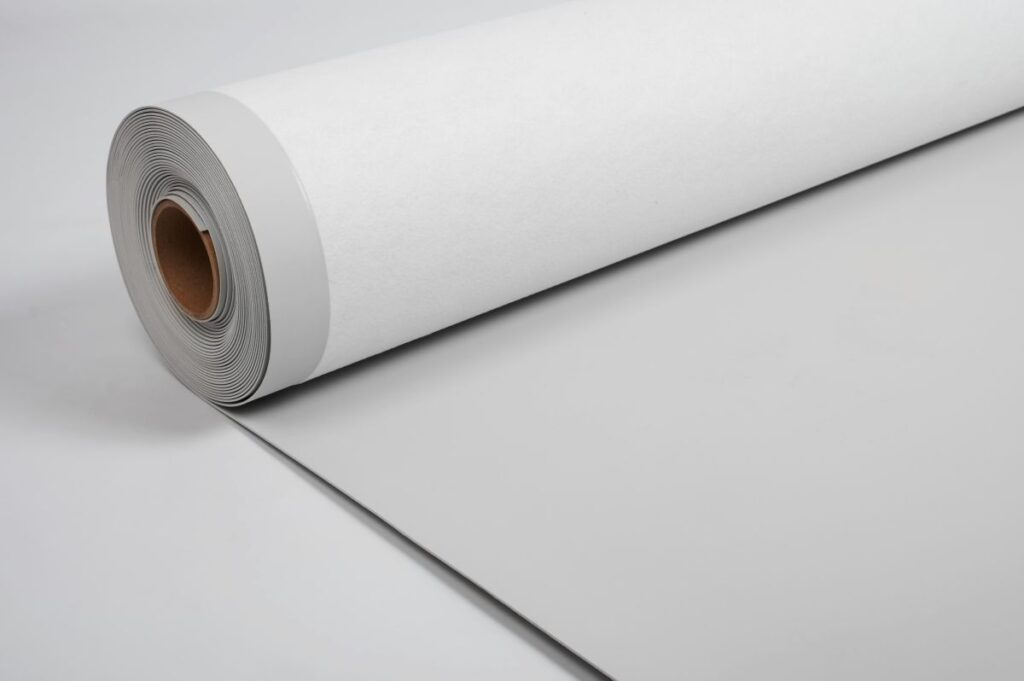
What Is PVC Roofing?
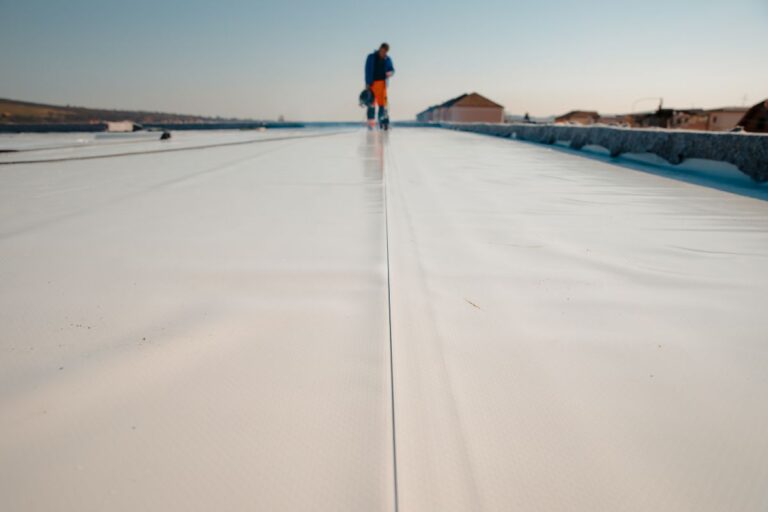
PVC roofing, or polyvinyl chloride roofing, is a single-ply thermoplastic membrane commonly used on flat or low-slope commercial roofs. It’s made from two layers of PVC reinforced with a polyester mesh for added strength and stability.
- Heat-welded seams: Fused together for superior waterproofing and leak resistance.
- Flexible installation: Works with various roof shapes and mechanical systems.
- Longevity: Offers decades of reliable performance with minimal repairs.
Because it’s resistant to water, chemicals, and fire, PVC roofing is a go-to choice for commercial facilities seeking durability and efficiency.
Why Commercial Property Owners Choose PVC Roofing
Business owners and property managers often choose PVC because it delivers long-term value with fewer maintenance requirements. It performs exceptionally well in Ohio’s fluctuating weather conditions, offering both resilience and energy efficiency.
- Reduced downtime: Quick installation means less disruption to operations.
- Energy savings: Reflective surface lowers cooling costs during hot summer months.
- Custom fit: Available in different thicknesses and colors to suit building design needs.
- Compatibility: Easily integrates with rooftop equipment and drainage systems.
These features make PVC roofing a smart investment for modern commercial properties.
6 Benefits of PVC Roofing for Commercial Buildings
When it comes to long-term performance, PVC stands out from other single-ply materials. Here are six key benefits that explain why so many property owners rely on this system.
1. Exceptional Durability
PVC roofing is known for its ability to withstand the elements and maintain strength over time. Its flexible yet rigid composition resists tearing, cracking, and puncturing, even in high-traffic areas.
- Reinforced design: Polyester mesh reinforcement adds superior tensile strength.
- Weather resistance: Performs well under heavy rain, snow, and temperature swings.
- Impact tolerance: Handles debris and hail without significant damage.
This combination of strength and flexibility helps PVC roofing last 25–35 years or longer with proper maintenance.
2. Superior Leak Protection
Water intrusion is one of the biggest threats to any flat roof, but PVC’s design minimizes this risk. Its seams are heat-welded, creating a continuous, watertight surface that’s far more durable than glued or taped seams used in other systems.
- Welded seams: Form a permanent bond that resists leaks even under standing water.
- Minimal maintenance: No adhesives to degrade over time.
- Reliable performance: Performs consistently through multiple freeze-thaw cycles.
These features make PVC ideal for commercial roofs with complex drainage systems or heavy rainfall exposure.
3. Energy Efficiency
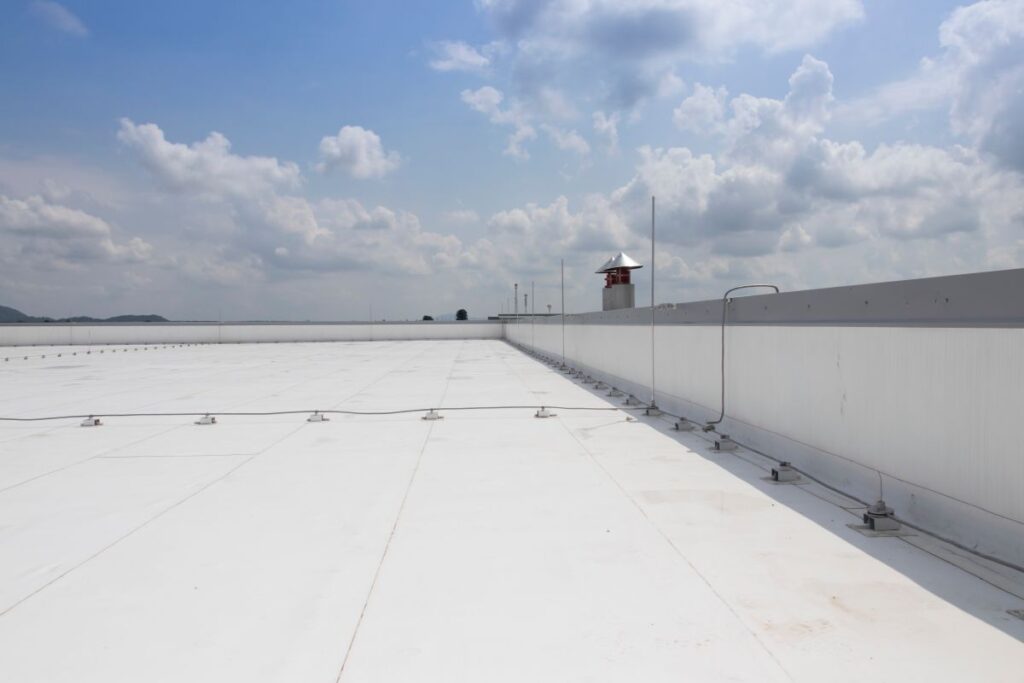
PVC roofing’s reflective surface helps reduce heat absorption, lowering indoor temperatures and energy costs for cooling. This benefit makes it especially valuable for large commercial spaces that rely on air conditioning during summer months.
- Cool roof technology: Reflects sunlight to maintain lower roof temperatures.
- Lower energy bills: Can reduce cooling costs by up to 30%.
- Sustainability advantage: Meets ENERGY STAR® and LEED efficiency standards.
By reducing HVAC strain, PVC roofing not only saves energy but also extends the lifespan of mechanical systems.
4. Chemical and Fire Resistance
PVC is inherently resistant to many substances that can damage traditional roofing materials. This makes it an excellent choice for manufacturing facilities, restaurants, and other businesses exposed to grease, chemicals, or industrial pollutants.
- Chemical protection: Withstands oils, acids, and industrial emissions.
- Fire performance: Self-extinguishing properties meet building safety standards.
- Long-term stability: Does not degrade or weaken when exposed to harsh materials.
This resistance adds an extra layer of protection for buildings with rooftop ventilation or industrial exhaust systems.
5. Low Maintenance Requirements
Commercial property owners appreciate how easy PVC is to maintain. Its smooth surface prevents dirt buildup, and inspections or repairs are straightforward.
- Easy cleaning: Smooth finish resists algae, mold, and debris accumulation.
- Simplified repairs: New PVC patches can be heat-welded to existing sections.
- Longevity with minimal upkeep: Requires only annual inspections and cleaning.
Compared to other flat roofing systems, PVC offers one of the lowest lifetime maintenance costs.
6. Long-Term Cost Efficiency
While PVC roofing may cost more upfront than EPDM or TPO, it often delivers a better return on investment due to its durability and energy-saving properties.
- Extended lifespan: Many systems exceed 30 years with routine care.
- Fewer repairs: Durable seams and reinforced materials minimize future costs.
- Improved building value: Energy efficiency and reliability add long-term property value.
When factoring in reduced maintenance, energy savings, and fewer replacements, PVC roofing becomes one of the most cost-effective systems available for commercial use.
Comparing PVC Roofing to Other Flat Roof Systems
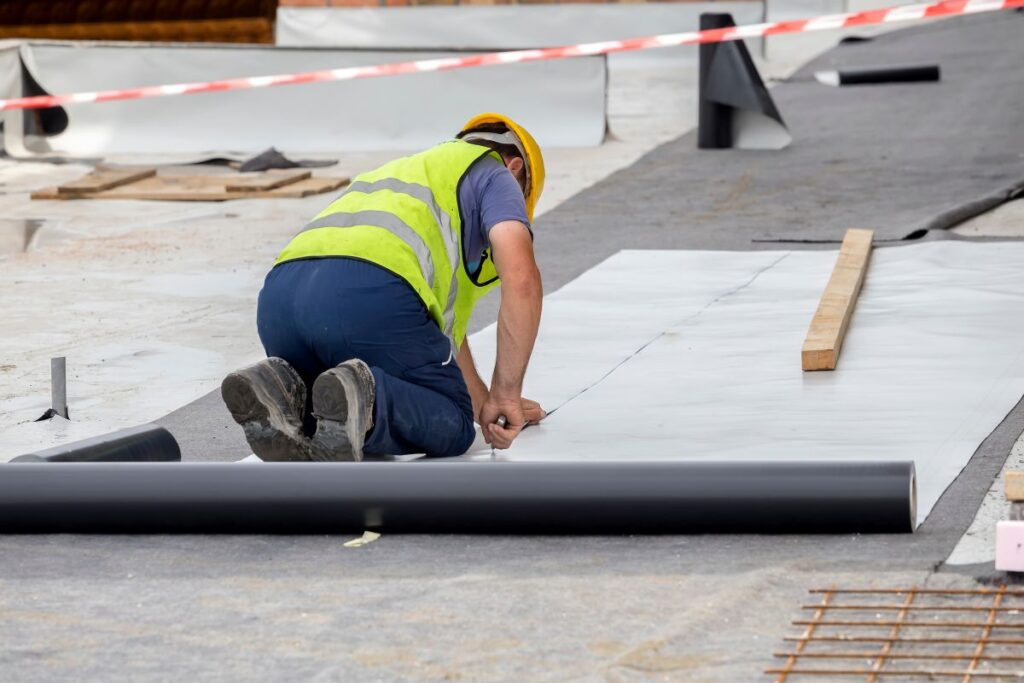
Each flat roofing system offers unique advantages, but PVC often provides the best balance of strength and efficiency.
| Roofing Material | Durability | Energy Efficiency | Maintenance | Average Lifespan |
| PVC Roofing | Excellent | Excellent | Low | 25–35 years |
| TPO Roofing | Very Good | Excellent | Low | 20–30 years |
| EPDM Roofing | Good | Moderate | Moderate | 25–30 years |
| Modified Bitumen | High | Moderate | Moderate | 20–30 years |
PVC stands out for combining exceptional durability, chemical resistance, and reflective properties in a single system.
Maintenance Tips for PVC Roof Longevity
Although PVC requires little maintenance, regular inspections help maximize performance and lifespan.
- Inspect seams and flashings: Annual inspections catch small separation issues early.
- Clean drains and scuppers: Prevent water pooling and dirt accumulation.
- Address damage quickly: Prompt patching ensures waterproof integrity.
- Avoid sharp tools or debris: Minimize foot traffic during maintenance.
- Schedule professional assessments: Annual evaluations ensure your warranty remains valid.
Following these simple steps can extend the life of your PVC roof for decades.
Protect Your Investment With Johnson Restoration
At Johnson Restoration, we understand how vital a durable, efficient roofing system is for your business. PVC roofing offers exceptional protection and performance for commercial properties in Kettering and surrounding areas, making it a smart choice for long-term value.
Our team specializes in high-quality commercial roofing solutions designed to withstand Ohio’s unpredictable weather. From expert installation to dependable maintenance, we provide the quality craftsmanship and peace of mind your property deserves. Contact Johnson Restoration today to learn how PVC roofing can strengthen your building and lower your long-term costs.