
Knowing the minimum pitch for metal roof systems is crucial when designing or upgrading your home or commercial property. Pitch determines how quickly water and snow can drain from your roof, directly impacting performance, longevity, and leak prevention. Whether you’re planning a new installation or checking if your existing slope meets manufacturer standards, understanding how to calculate the right pitch ensures your metal roof performs efficiently in all seasons.
- Definition: Roof pitch measures the slope or steepness of a roof surface.
- Importance: The right pitch prevents pooling, ice dams, and premature corrosion.
- Goal: Ensure proper water flow and maintain manufacturer warranty compliance.
For homeowners and property managers in Lebanon and surrounding areas, learning how to calculate the correct pitch helps you choose a durable, low-maintenance roofing system built for Ohio’s unpredictable weather.
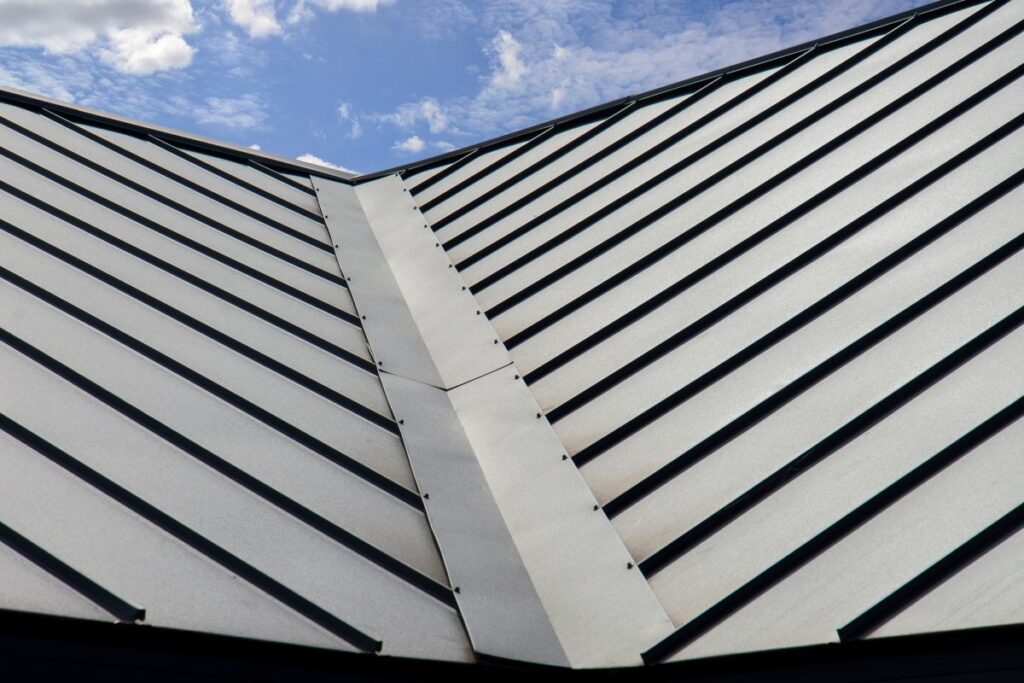
Why Roof Pitch Matters for Metal Roofs
Pitch plays a major role in determining how well a metal roof drains water, sheds snow, and resists wind. If the slope is too shallow, water can pool along seams and fasteners, leading to leaks and corrosion over time.
- Drainage efficiency: Steeper slopes move water and debris off the roof faster.
- Material compatibility: Different metal roofing types require specific minimum slopes.
- Aesthetic impact: Roof pitch affects curb appeal and architectural balance.
- Longevity: Proper slope reduces standing water, preventing rust and wear.
A correctly calculated pitch ensures your roof performs well structurally and visually.
Standard Minimum Pitch for Metal Roofs
The minimum pitch depends on the roofing style and system design. Metal roofs can accommodate a wide range of slopes, from nearly flat to steeply pitched architectural styles.
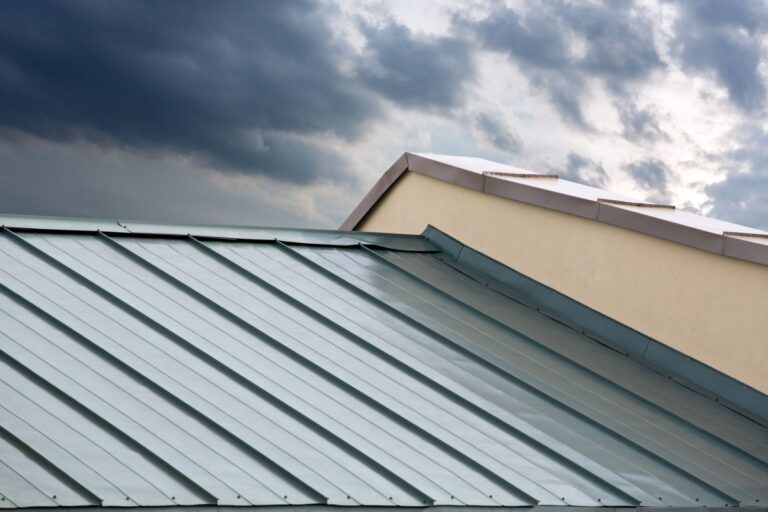
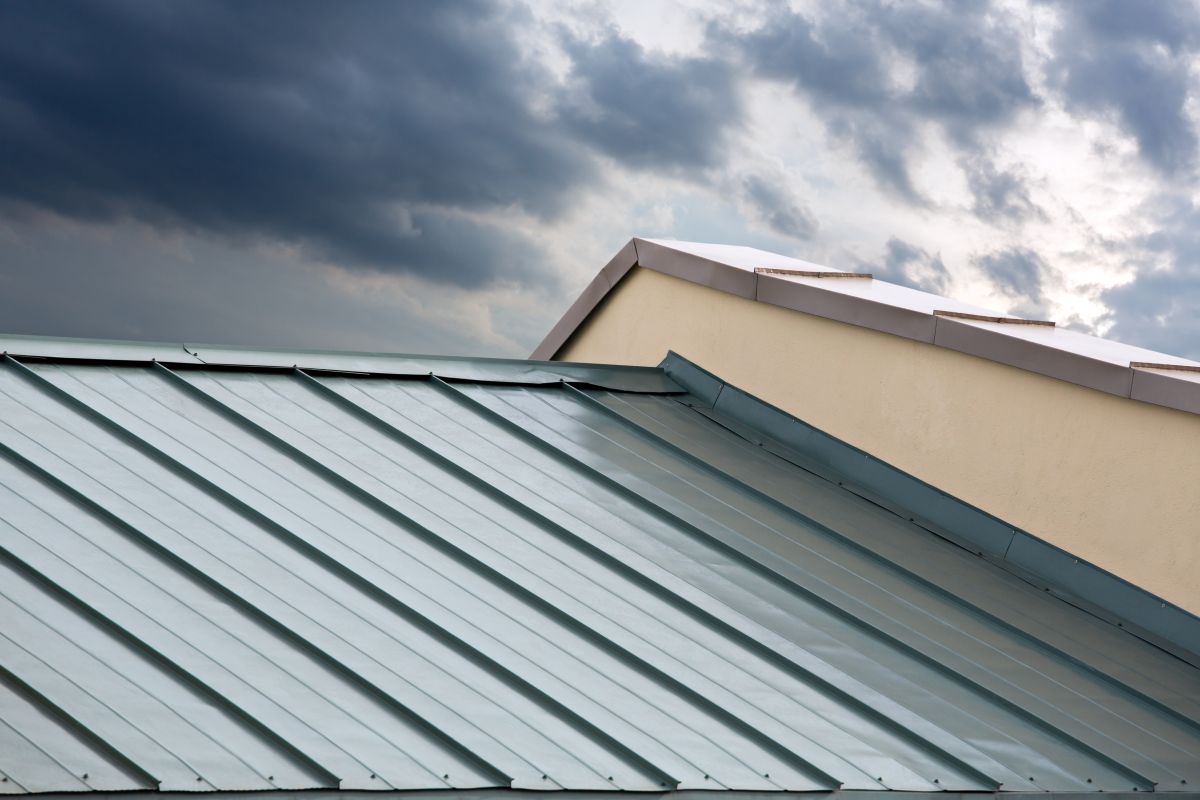
- Standing seam metal roofs: Minimum pitch of ¼:12 to 3:12, depending on panel type and seam height.
- Corrugated or exposed-fastener panels: Typically require a minimum pitch of 3:12 for proper drainage.
- Structural metal panels: Can handle low slopes down to ¼:12 when sealed properly.
- Residential systems: Most homes perform best with pitches between 3:12 and 6:12 for balance and appearance.
Before installation, always confirm manufacturer specifications to ensure the roof meets warranty and performance standards.
Factors That Influence Minimum Roof Pitch
Several factors affect the ideal slope for a metal roof. These include roof type, local weather, and installation method.
- Roof type: Standing seam systems can perform on lower pitches than exposed-fastener panels.
- Climate: In areas with heavy snowfall, steeper slopes prevent snow accumulation.
- Building use: Commercial structures often use lower pitches for aesthetic and cost reasons.
- Underlayment and sealants: High-quality moisture barriers allow lower slopes to perform safely.
A professional roofing contractor can evaluate these variables to determine the safest and most efficient pitch for your property.
4 Methods to Calculate Roof Pitch
There are several ways to calculate your roof’s pitch accurately. Each method uses simple tools and basic math to determine how steep your roof is.
1. Measure Pitch Using a Level and Tape Measure
This is the most common and straightforward method for homeowners.
- Place a 2-foot level horizontally against your roof’s surface.
- Measure vertically from the 12-inch mark on the level to the roof surface.
- The number you measure in inches equals your pitch rise per foot.
For example, if the vertical rise is 3 inches, your roof pitch is 3:12.
2. Use a Pitch Finder or Smartphone App
Modern tools and smartphone apps can quickly determine roof pitch using sensors or camera angles.
- Position the device on the roof surface or take a side-angle photo.
- The app calculates the pitch ratio and displays it instantly.
- Useful for quick checks or large commercial roofs.
These tools are helpful when measuring areas that are difficult to access or unsafe to climb.
3. Calculate Pitch From Building Plans
If your property’s blueprints are available, roof pitch is often listed in the design notes or elevations.
- Check architectural drawings for “slope” or “pitch” notations.
- Common formats include ratios (e.g., 4:12) or degrees (e.g., 18.4°).
- If plans are missing, use measurements from known roof dimensions to estimate.
This method works best for new construction or renovations handled by professional designers.
4. Determine Pitch Using Rise and Run Measurements
For a more precise calculation, use direct rise and run measurements between the roof edge and peak.
- Measure the vertical rise (height from eave to ridge).
- Measure the horizontal run (distance from eave to ridge).
- Divide rise by run, then multiply by 12 to get the pitch ratio.
For example, if the rise is 2 feet and the run is 24 feet:
2 ÷ 24 × 12 = 1:12 pitch
This method provides the most accurate results, especially for calculating drainage and load-bearing requirements.
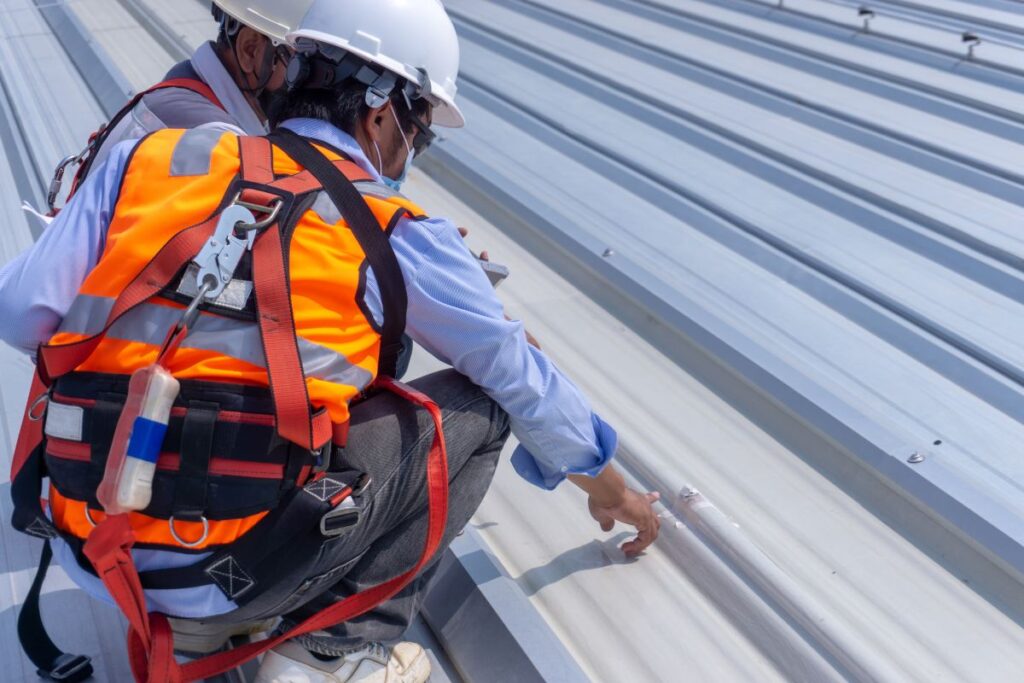
Common Mistakes When Determining Roof Pitch
Getting the pitch wrong can cause major roofing issues. Avoid these common errors to ensure your metal roof performs properly.
- Assuming all roofs use the same pitch: Each system has unique drainage needs.
- Ignoring local climate: Flat roofs may work in dry areas but fail in wet or snowy conditions.
- Measuring incorrectly: Even small errors can change slope ratios and cause water pooling.
- Overlooking panel design: Some metal roofs have interlocking seams that require specific angles for sealing.
- Skipping manufacturer specs: Using the wrong slope can void your roof’s warranty.
Accurate measurement and professional installation prevent long-term damage and maximize roof life.
How Roof Pitch Affects Performance in Ohio
In Ohio, where rain, wind, and snow vary throughout the year, roof pitch directly impacts a building’s resilience.
- Snow accumulation: Steeper slopes help shed snow faster, preventing added weight.
- Heavy rainfall: Proper slope reduces pooling that can corrode metal seams.
- Wind resistance: The right pitch distributes wind loads evenly across panels.
- Aesthetic balance: Pitched roofs complement traditional Ohio architecture.
A properly designed slope helps metal roofs withstand Ohio’s changing seasons while maintaining structural integrity and visual appeal.
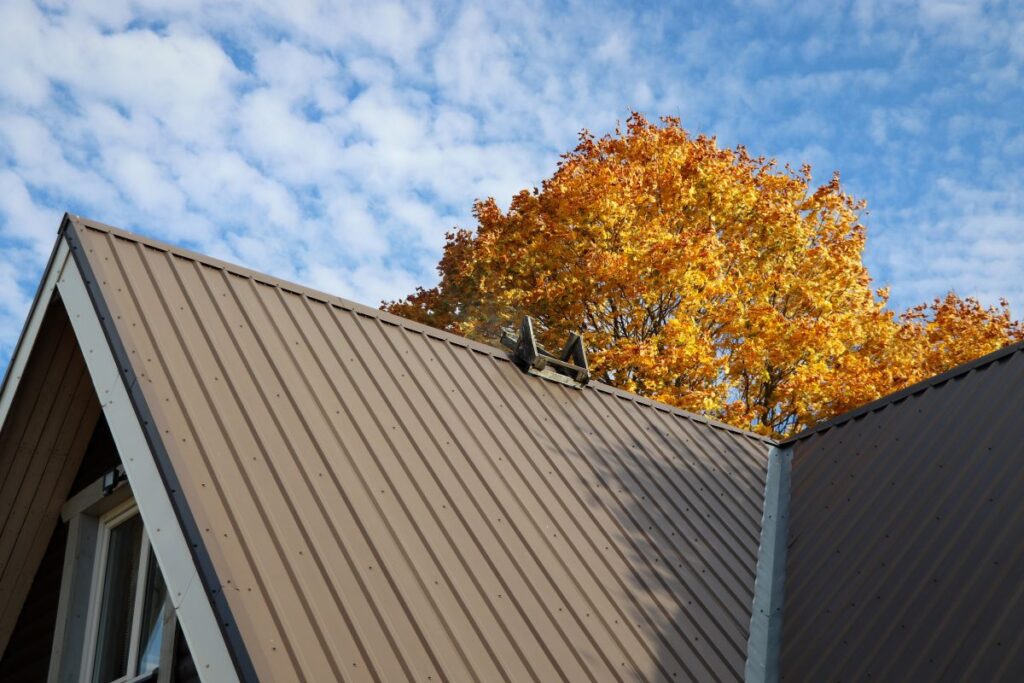
Maintenance and Inspection Tips for Low-Slope Metal Roofs
Even with the correct pitch, ongoing maintenance ensures long-term protection and performance.
- Inspect seams and fasteners: Tighten loose screws or re-seal joints annually.
- Check for ponding: After heavy rain, look for standing water or dirt lines.
- Clean debris: Keep leaves and branches clear from roof valleys and drains.
- Monitor coatings: Reapply reflective or protective coatings as recommended.
- Schedule professional inspections: Annual checkups help prevent minor issues from turning into leaks.
These steps extend your roof’s lifespan and preserve its warranty coverage.
Choose the Right Pitch With Johnson Restoration
At Johnson Restoration, we understand that the correct minimum pitch for metal roof systems is essential for durability and performance. Our team helps homeowners and commercial property managers in Lebanon and surrounding areas evaluate roof slope, drainage, and structural design to ensure optimal results for every project.
As your trusted local roofing company, we provide expert inspections, precision installations, and dependable repairs. Whether you’re installing a new metal roof or assessing your existing slope, Johnson Restoration delivers quality craftsmanship and roofing solutions that stand up to Ohio’s toughest weather. Contact our team today for expert guidance and lasting peace of mind.