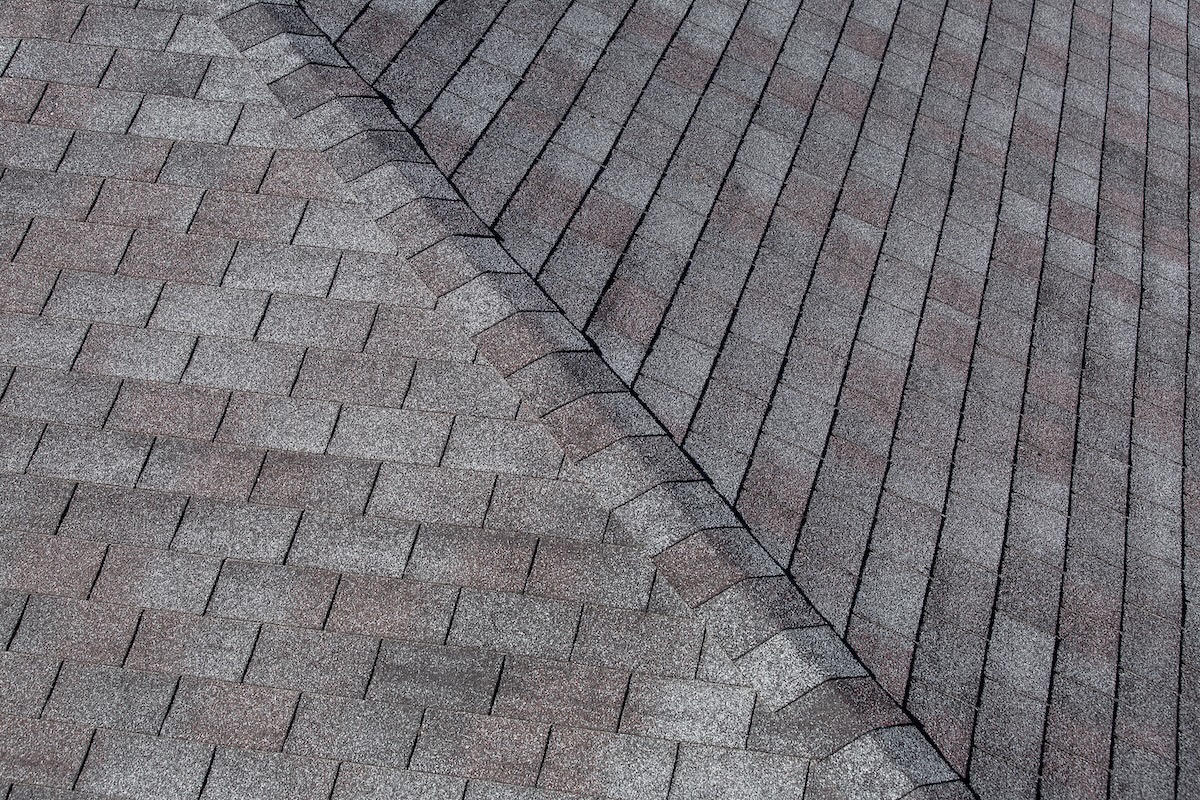

Homeowners often ask “how long does a shingle roof last”, and the answer depends on several factors including materials, weather conditions, and ongoing maintenance. While asphalt shingles are the most common roofing choice in Ohio, not all shingle roofs age the same. The more you understand about their lifespan, the easier it becomes to plan for repairs, replacements, and long-term home protection.
- Average lifespan: Most asphalt shingle roofs last 15 to 30 years with proper care.
- Weather impact: Ohio storms, heat, and winter freezes can shorten a roof’s lifespan.
- Maintenance matters: Routine inspections and simple upkeep can significantly extend roof longevity.
In this guide, we’ll cover what affects the lifespan of a shingle roof, signs of aging to look for, and six essential maintenance tips to help your roof stay strong in Lebanon and surrounding areas.
What Determines the Lifespan of a Shingle Roof?
Several factors affect how long a shingle roof lasts, and understanding them can help you maximize your investment. Roofs age differently depending on installation, materials, and the environment they face throughout the year.
- Material type: Standard three-tab shingles generally last 15 to 20 years, while architectural shingles can last 25 to 30 years.
- Climate and weather: Ohio’s heavy winds, hail, and freeze-thaw cycles put extra stress on shingles.
- Installation quality: Poor installation leads to premature failure, leaks, and shingle blow-offs.
- Ventilation: Proper attic airflow prevents heat and moisture buildup, which can shorten shingle life.
- Maintenance consistency: Regular inspections and small repairs protect the roof from long-term deterioration.
Knowing what impacts roof longevity helps homeowners understand whether their shingle roof is aging normally or wearing out faster than expected.
Typical Lifespans for Different Shingle Types
Shingle roofs do not age at the same rate, and the material you choose directly determines how long your roof will last.
- Three-tab shingles: These are the most affordable shingles, typically lasting 15 to 20 years. Their flat, lightweight design makes them more vulnerable to high winds and storm damage over time.
- Architectural shingles: Also called dimensional shingles, these offer improved durability and a thicker structure. Their lifespan normally ranges from 25 to 30 years with proper care.
- Impact-resistant shingles: Designed to withstand hail and debris, these shingles often last longer in regions with frequent storms. They provide extra protection and may extend roof life beyond the average range.
If you’re unsure which type your home has, a roofing inspection can help determine both the material and its remaining lifespan.
Signs Your Shingle Roof Is Aging
As your roof nears the end of its lifespan, visible symptoms begin to appear. Recognizing these early can help prevent more expensive repairs or interior water damage.
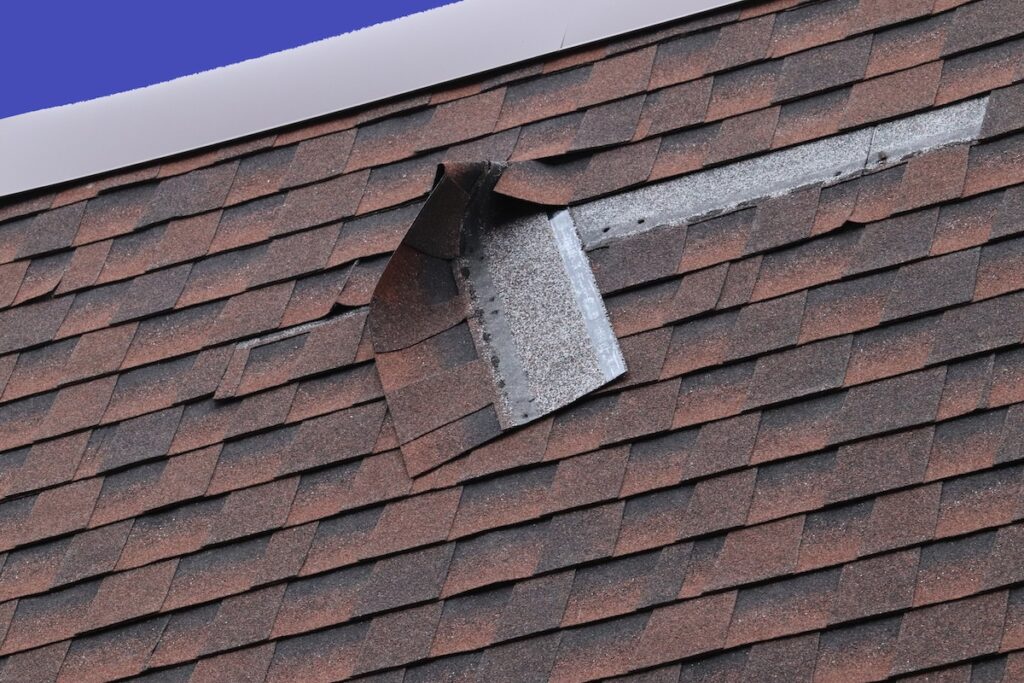
- Curling or cupping shingles: Warped shingles can no longer protect against water intrusion or wind uplift.
- Granule loss: Bald spots on shingles indicate advanced wear and reduced UV protection.
- Dark streaks or stains: Often caused by algae, these discolorations may signal moisture issues.
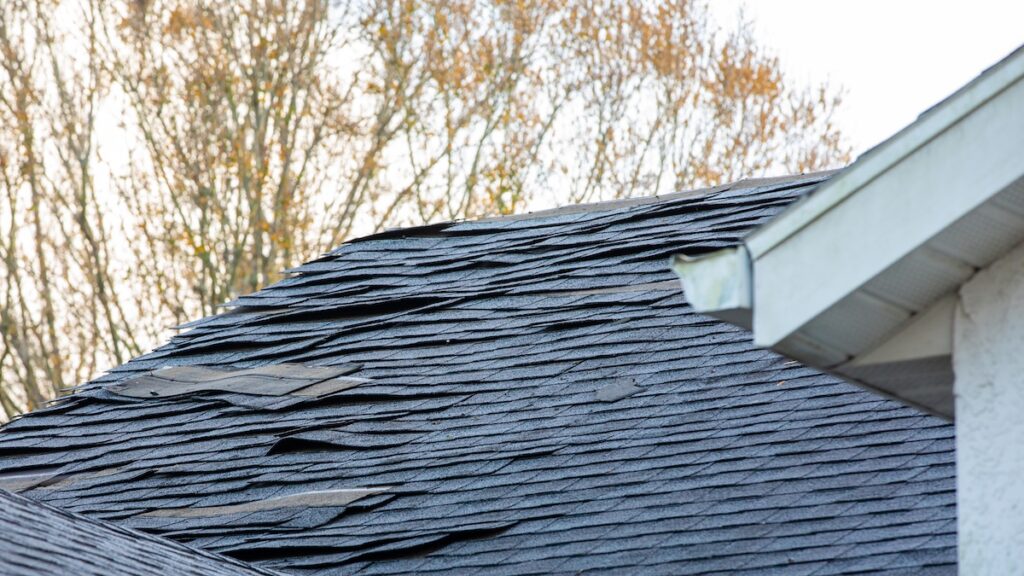
- Loose or missing shingles: A common sign that the roof is no longer able to withstand strong winds.
- Soft or sagging decking: Indicates potential water infiltration beneath the surface.
- Frequent leaks: Repeated interior leaks often point to a roof nearing the end of its life.
If your roof shows several of these signs, it may be time to start planning for replacement.
Weather Effects on Ohio Shingle Roofs
Ohio’s four-season climate plays a significant role in how quickly shingle roofs wear down. From extreme summer heat to heavy winter snowfall, roofs are constantly exposed to conditions that accelerate aging.
- Wind damage: Strong gusts can loosen shingles or rip them entirely from the roof.
- Snow and ice: Freeze-thaw cycles create ice dams that push water beneath shingles.
- Summer heat: Hot temperatures can cause shingles to crack or lose granules faster.
- Spring storms: Hail and heavy rain increase the risk of punctures and erosion.
Homeowners in Lebanon and surrounding areas benefit from seasonal roof inspections, especially after major storms.
6 Maintenance Tips to Extend the Life of Your Shingle Roof
Regular upkeep is the best way to extend roof life and protect your home from expensive repairs. These six maintenance tips help ensure your shingle roof performs well year after year.
- Schedule Annual Roof Inspections
A professional inspection helps identify loose shingles, small leaks, and early damage that may not be visible from the ground. Fixing issues early can add years to your roof’s lifespan. - Keep Gutters Clean
Clogged gutters cause water to back up beneath shingles and damage the roof deck. Cleaning gutters twice a year keeps rainwater flowing properly away from the roofline. - Trim Nearby Trees
Overhanging branches drop leaves, create shade that encourages moisture, and can scrape shingles during storms. Keeping branches trimmed prevents unnecessary wear. - Check Attic Ventilation
Proper airflow prevents heat and humidity from damaging shingles from the underside. Poor ventilation can cut a roof’s lifespan significantly. - Remove Moss and Algae Carefully
Moss holds moisture on the shingles, causing them to deteriorate faster. Use gentle cleaning methods to avoid stripping granules or damaging the roof surface. - Repair Minor Damage Quickly
Even a single torn shingle can allow water to enter the roof system. Addressing small issues immediately prevents bigger problems and helps the roof last longer.
By incorporating these simple habits into your home maintenance routine, you can help ensure your shingle roof reaches its full expected lifespan.
When It’s Time to Replace Your Shingle Roof
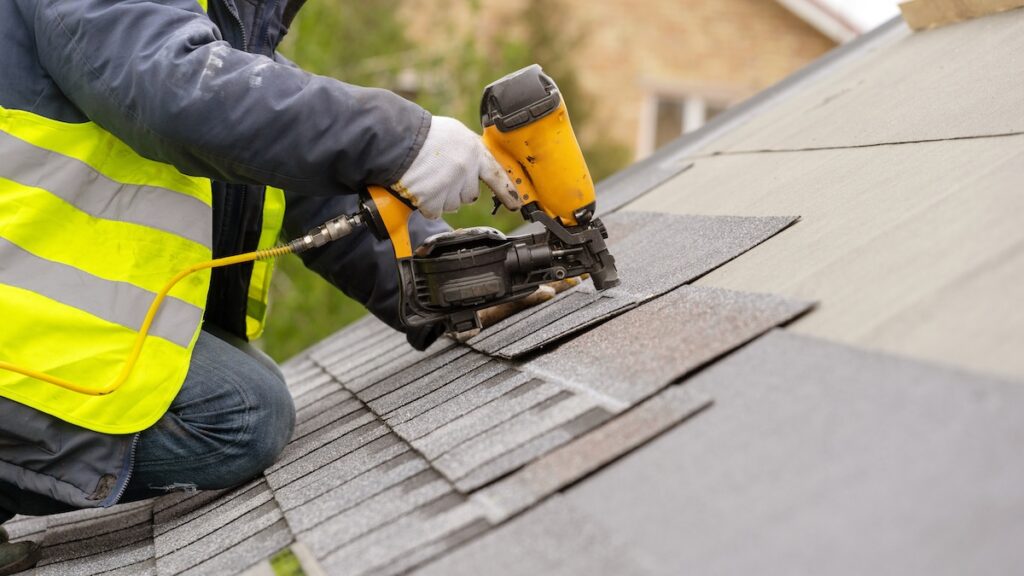
Even with the best maintenance, every roof eventually needs replacement. Recognizing the right time to act helps you avoid interior damage, mold growth, and rising repair costs.
- The roof is over 20 years old: Most shingle roofs begin to show significant decline after this point.
- Widespread granule loss: Bare patches indicate that shingles are no longer protecting against UV exposure.
- Multiple leaks: Frequent leaks suggest the system is failing as a whole.
- Storm damage: Severe wind or hail may make repair impractical or cost-ineffective.
- Sagging roof structure: Indicates potential rot or moisture infiltration that requires immediate attention.
A professional roofing company can assess whether repairs or replacements make the most financial sense for your home.
How Long Should a Replacement Roof Last?
With today’s improved materials and proper installation, a new shingle roof can often last longer than older systems. Architectural and impact-resistant shingles provide better performance and are becoming popular among Ohio homeowners seeking long-term value.
When installed by experienced roofing contractors and maintained properly, modern shingle roofs provide excellent protection, strong wind resistance, and improved curb appeal. Most importantly, they offer the peace of mind homeowners need during Ohio’s unpredictable weather patterns.
Protect Your Home With Johnson Restoration
At Johnson Restoration, we understand the unique challenges that Ohio weather brings to local roofs. From humid summers to icy winters, your shingles face year-round stress. That’s why our team is dedicated to helping homeowners in Lebanon and surrounding areas extend the life of their roofs through expert repairs, roof replacements, and dependable roofing solutions.
If you’re wondering whether your shingle roof is nearing the end of its lifespan, contact Johnson Restoration today. Our roofing contractors will assess your roof, provide clear guidance, and help you protect your home with confidence and peace of mind.