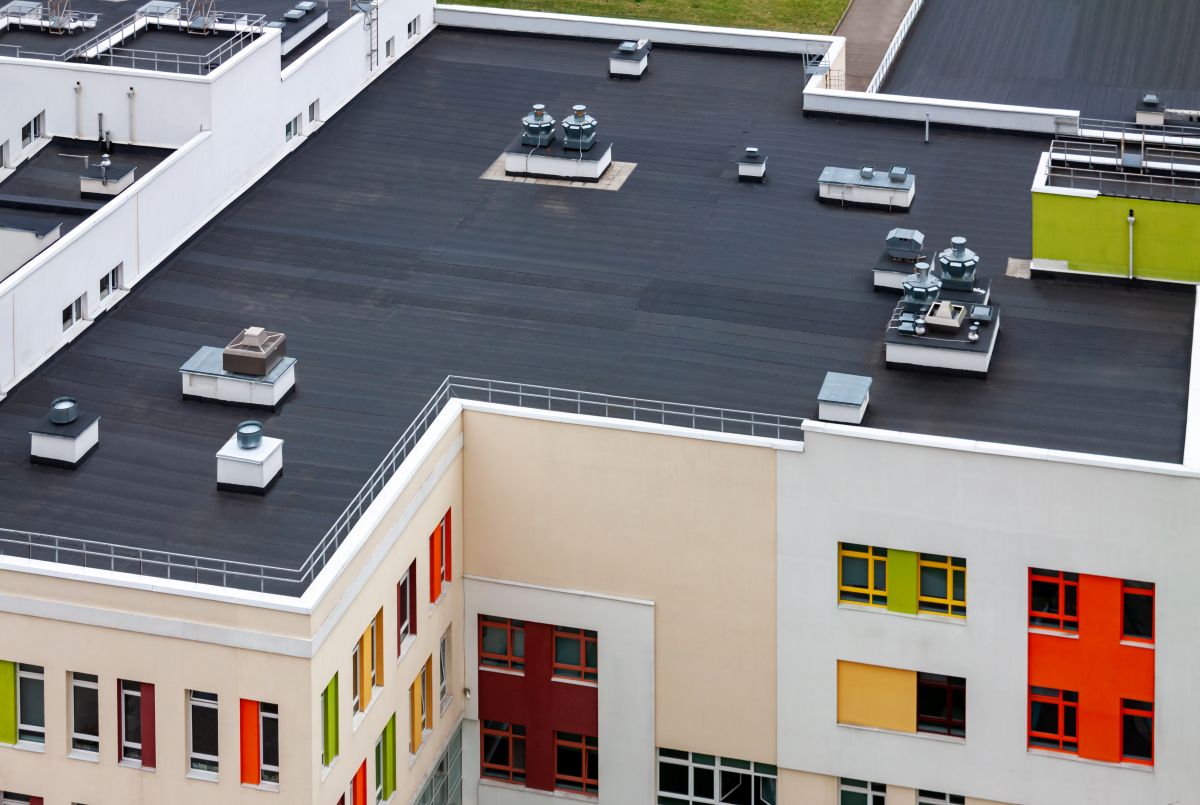

Choosing the right flat roof materials is one of the most important decisions for any commercial property owner. The type of commercial roofing system you select will impact everything from energy efficiency to maintenance costs and building durability. With several high-performing options available today, understanding the advantages, disadvantages, and lifespan of each can help you make a confident, cost-effective decision for your property in West Chester and surrounding areas.
- Durability matters: The right materials prevent leaks and resist weathering for decades.
- Maintenance levels vary: Some systems require regular coatings, while others are nearly maintenance-free.
- Cost vs. longevity: Balancing upfront cost with lifespan determines overall value.
Let’s take a closer look at the most common commercial flat roof systems and how they compare in performance, longevity, and maintenance requirements.
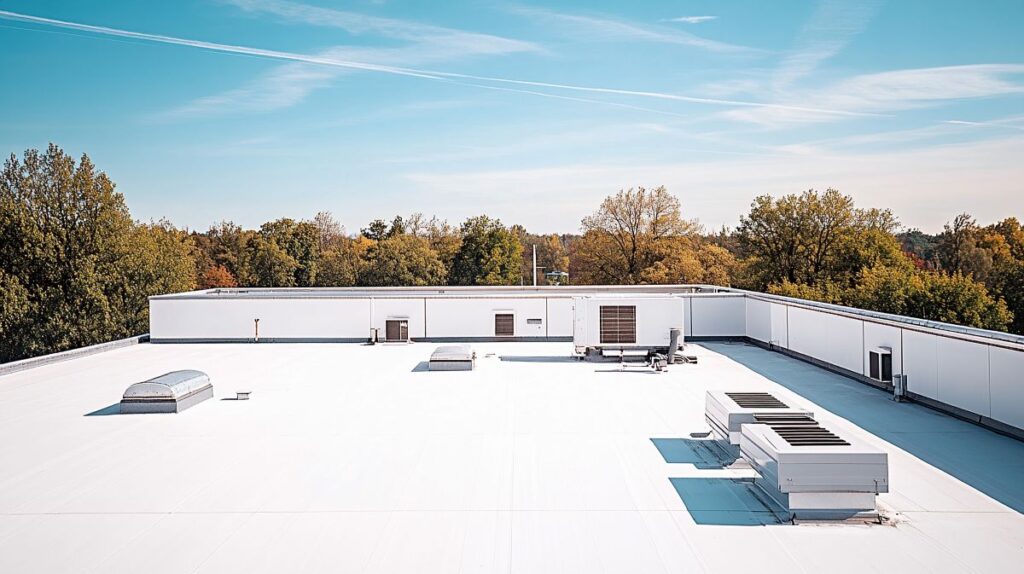
Why Flat Roofs Are Common in Commercial Buildings
Flat roofs are widely used in commercial construction because they’re cost-effective and practical. They provide easier access for HVAC units, solar panels, and maintenance crews while offering modern design appeal.
- Affordability: Installation costs are generally lower than pitched roofs.
- Efficiency: Easy to inspect, repair, and maintain without steep angles.
- Functional space: Flat surfaces allow for equipment storage or rooftop amenities.
- Structural flexibility: Suitable for large, open-span buildings like warehouses and retail centers.
Despite their advantages, flat roofs require proper materials and installation to handle pooling water and Ohio’s variable weather conditions.
Key Considerations When Choosing Flat Roof Materials
Not all roofing materials perform equally in every environment. Before selecting a system, business owners should consider several key factors.
- Climate: Frequent rain, snow, or temperature changes affect performance.
- Budget: Initial cost versus long-term maintenance and energy efficiency.
- Lifespan expectations: Some materials last 15 years, while others exceed 40.
- Building use: Warehouses, offices, and restaurants each have unique roofing demands.
- Warranty coverage: Manufacturer warranties often depend on professional installation and maintenance.
Working with an experienced roofing contractor helps determine the best system for your property’s needs and budget.
5 Top Flat Roof Materials for Commercial Buildings
When it comes to durability and value, these five materials are the most commonly used and trusted in commercial roofing applications.
1. EPDM (Ethylene Propylene Diene Monomer) Rubber Roofing
EPDM is a single-ply rubber membrane known for its durability and cost-effectiveness. It’s been a go-to solution for commercial flat roofs for decades.
- Pros: Affordable, easy to install, UV-resistant, and long-lasting.
- Cons: Prone to punctures if walked on frequently and can absorb heat without a reflective coating.
- Average lifespan: 25–30 years with routine maintenance.
- Best for: Warehouses and large commercial buildings needing reliable, low-cost protection.
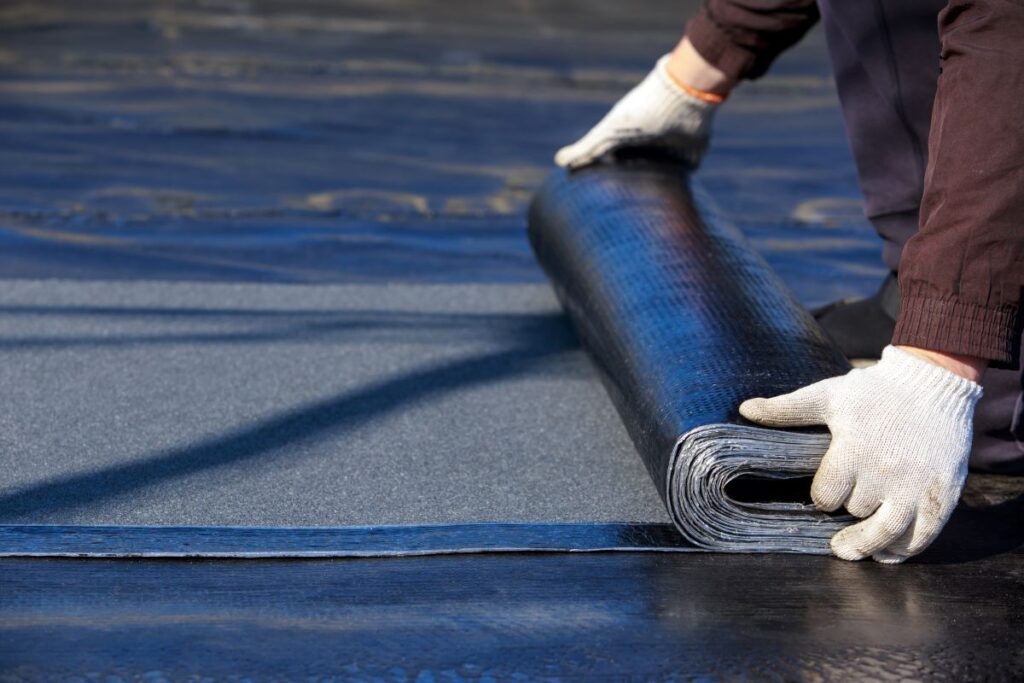
2. TPO (Thermoplastic Polyolefin) Roofing
TPO is a popular choice for energy efficiency and reflective properties. This white single-ply membrane helps lower cooling costs by reflecting sunlight.
- Pros: Energy-efficient, heat-welded seams provide excellent waterproofing, and lightweight design reduces load stress.
- Cons: Installation quality heavily affects longevity; poor welds may lead to leaks.
- Average lifespan: 20–30 years when properly installed.
- Best for: Businesses focused on energy savings or sustainability.
3. PVC (Polyvinyl Chloride) Roofing
PVC is another single-ply membrane system similar to TPO but with added chemical and fire resistance. It performs well in environments where exposure to grease or chemicals is common.
- Pros: Excellent resistance to chemicals, UV rays, and fire; low maintenance requirements.
- Cons: Higher cost compared to other flat roof materials.
- Average lifespan: 25–35 years depending on thickness and maintenance.
- Best for: Restaurants, manufacturing facilities, and chemical processing plants.
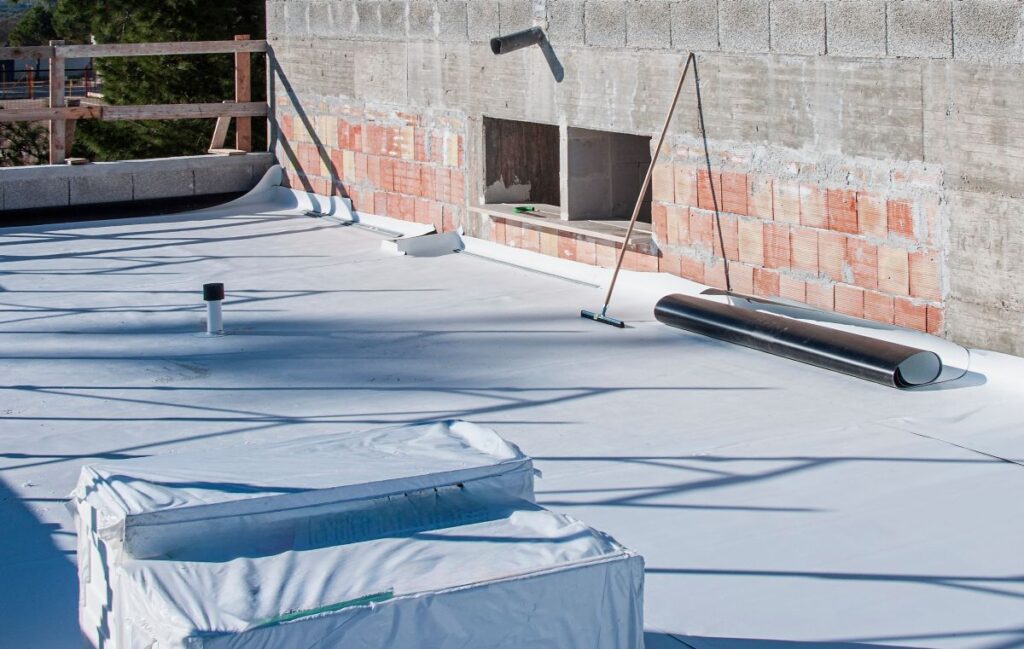
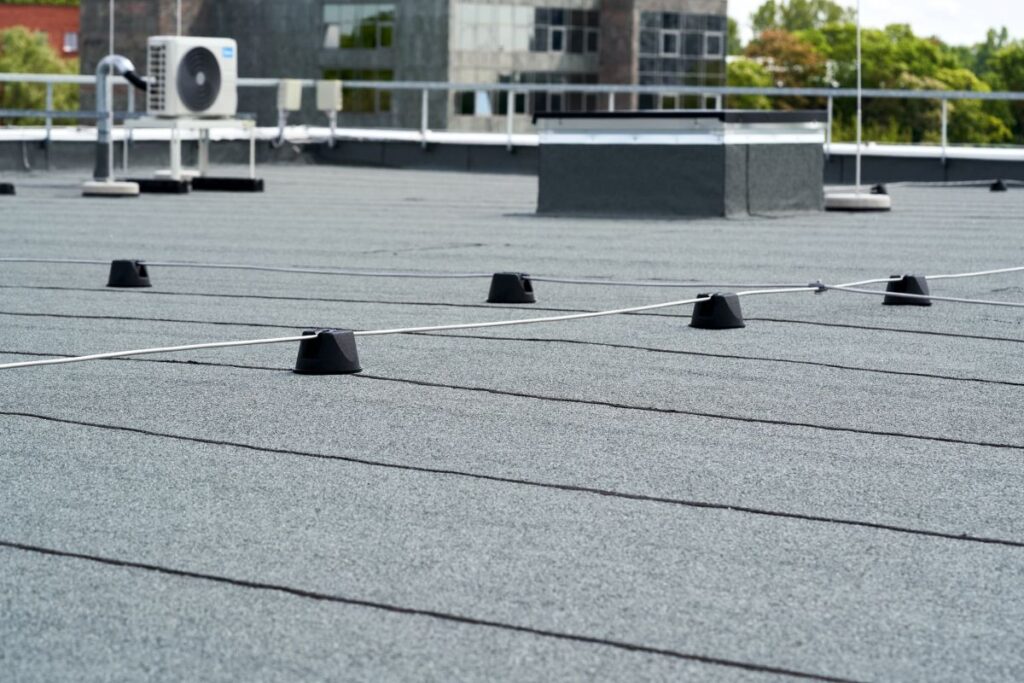
4. Modified Bitumen Roofing
Modified bitumen combines traditional asphalt roofing with modern polymers to increase flexibility and durability. It’s applied in layers, often with heat or adhesive systems.
- Pros: Highly durable, easy to repair, and performs well in Ohio’s freeze-thaw climate.
- Cons: Requires professional installation and periodic re-coating for optimal lifespan.
- Average lifespan: 20–30 years.
- Best for: Commercial buildings needing a balance between strength and affordability.
5. Metal Roofing Systems
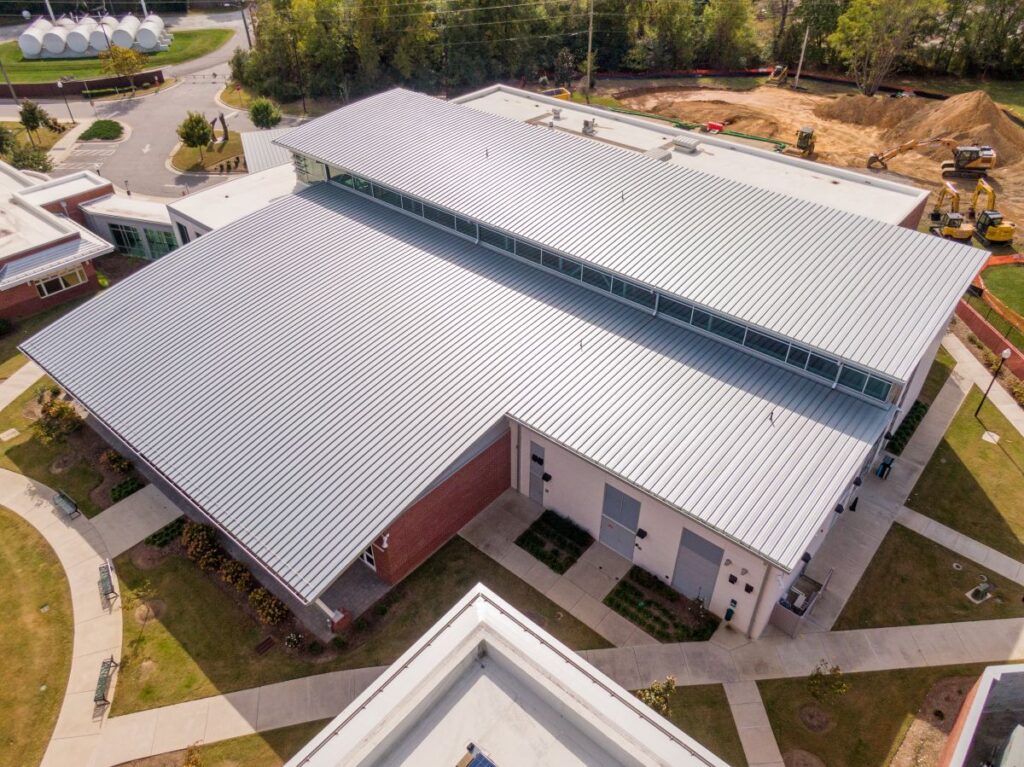
Metal roofs are increasingly popular for commercial applications thanks to their longevity and low maintenance. They’re suitable for slightly sloped roofs and can be integrated with energy-efficient coatings.
- Pros: Extremely durable, fire-resistant, and recyclable; reflects heat effectively.
- Cons: Higher upfront cost and can be noisy during rain if not properly insulated.
- Average lifespan: 40–60 years or more.
- Best for: Buildings needing long-term protection and minimal maintenance.
Each of these materials provides distinct advantages, but the right choice depends on your building’s structure, climate exposure, and maintenance capabilities.
Comparing Flat Roof Materials at a Glance
To help visualize the differences, here’s a simple comparison chart showing how each material performs across key categories.
| Material | Cost | Durability | Energy Efficiency | Maintenance Needs | Lifespan |
| EPDM | Low | High | Moderate | Low | 25–30 years |
| TPO | Moderate | High | Excellent | Low | 20–30 years |
| PVC | High | High | Excellent | Low | 25–35 years |
| Modified Bitumen | Moderate | High | Moderate | Moderate | 20–30 years |
| Metal Roofing | High | Excellent | Excellent | Very Low | 40–60 years |
This comparison highlights that while metal roofs last longest, single-ply systems like TPO and PVC balance affordability with efficiency and performance.
Common Problems With Flat Roofs
Even the best flat roof materials can develop problems without proper maintenance. Regular inspections help prevent these common issues:
- Ponding water: Poor drainage leads to leaks and premature wear.
- Membrane punctures: Foot traffic or falling debris can cause damage.
- Seam separation: Temperature fluctuations weaken adhesive or welded seams.
- UV degradation: Without reflective coatings, sunlight can cause cracks or fading.
- Clogged drains: Debris buildup prevents proper runoff, increasing leak risk.
Preventive maintenance and timely repairs can significantly extend your roof’s life span and performance.
Maintenance Tips for Long-Lasting Flat Roofs
Consistent upkeep ensures maximum longevity and performance for your flat roofing system.
- Inspect twice a year: Check for cracks, bubbles, or pooling water.
- Clean regularly: Remove debris, leaves, and branches to prevent clogs.
- Monitor drainage: Ensure gutters and scuppers are clear and flowing properly.
- Repair promptly: Address small leaks or punctures before they spread.
- Schedule professional inspections: Annual maintenance helps catch problems early.
A well-maintained flat roof can exceed its expected lifespan and continue protecting your property efficiently.
The Best Flat Roof for Ohio’s Climate
In Ohio, flat roofs must withstand heavy rain, high winds, and freeze-thaw cycles. Systems like TPO, modified bitumen, and metal roofing perform particularly well under these conditions.
- TPO: Reflects heat and resists punctures, ideal for commercial offices or retail spaces.
- Modified Bitumen: Provides superior flexibility and waterproofing for colder months.
- Metal Roofing: Long-lasting and durable against snow, wind, and hail.
Selecting the right flat roof material ensures your business remains protected year-round with minimal maintenance.
Protect Your Investment With Johnson Restoration
At Johnson Restoration, we understand how important durable, long-lasting roofing systems are for commercial properties. Our team helps business owners in West Chester and surrounding areas choose and install the best flat roof materials for their needs. Whether you’re comparing EPDM, TPO, or metal roofing, we’ll guide you through every option to find the perfect solution for your property.
As a trusted local roofing company, we specialize in high-quality craftsmanship, expert installations, and long-term reliability. Contact Johnson Restoration today to learn more about our commercial roofing solutions and get the peace of mind that comes from working with professionals who know Ohio roofs inside and out.