If your home or building has a flat or low-slope roof with short walls rising above the edge, the cap along the top of those walls is doing more work than you might think. A coping roof detail covers the top of each parapet wall, sheds rainwater, and seals the roof edge against wind and weather. When that cap fails, water slips straight into the wall below. For property owners in Lebanon and surrounding areas, understanding coping is a smart way to protect the structure overhead before small gaps turn into big repairs.
Here is a quick rundown of what this guide covers:
- What roof coping is and where you will find it
- Seven reasons coping matters for your property
- The most common coping materials
- How coping differs from flashing, plus warning signs to watch for
Why the Top of Your Wall Deserves Attention
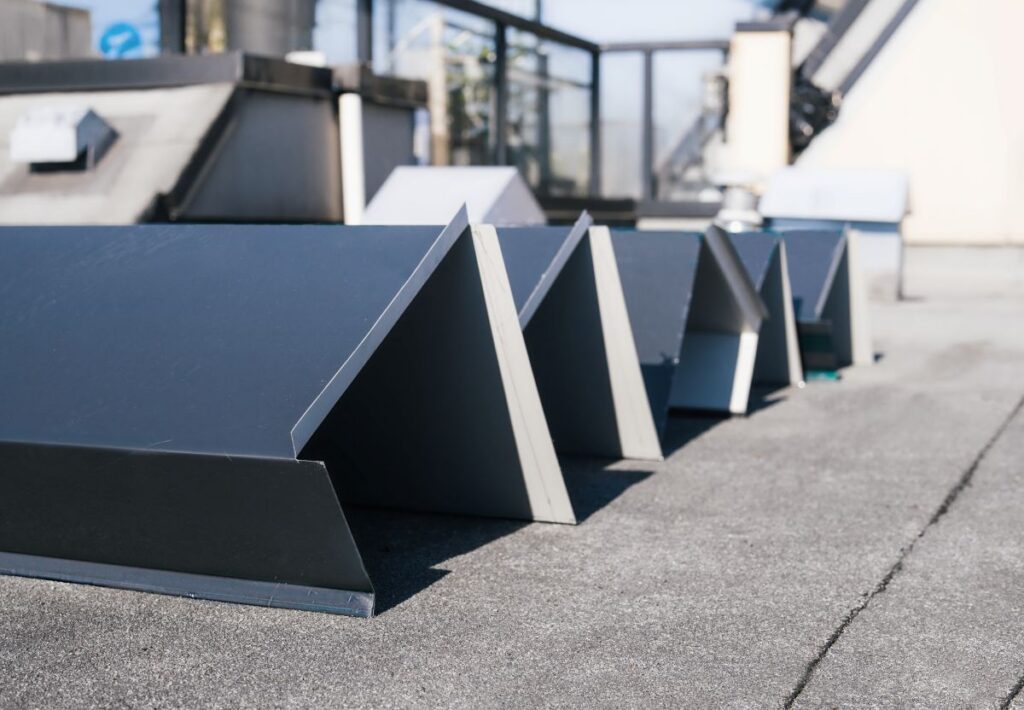
Parapet walls are the short walls that extend above the roofline on many flat roofs, and they take a beating from the elements every single day. Coping, commonly referred to as a wall cap or parapet cap, sits on top of most parapet walls, and without it, the most exposed part of the wall would have no defense at all.
Coping is typically sloped or curved so water runs off rather than sitting on top. In architectural terms, it is simply the capping or covering of a wall, but its impact on your roof is anything but simple. Here is why it matters:
- Leak prevention: Coping helps prevent water infiltration by keeping water from soaking into the parapet wall, where it can travel into ceilings, insulation, and framing.
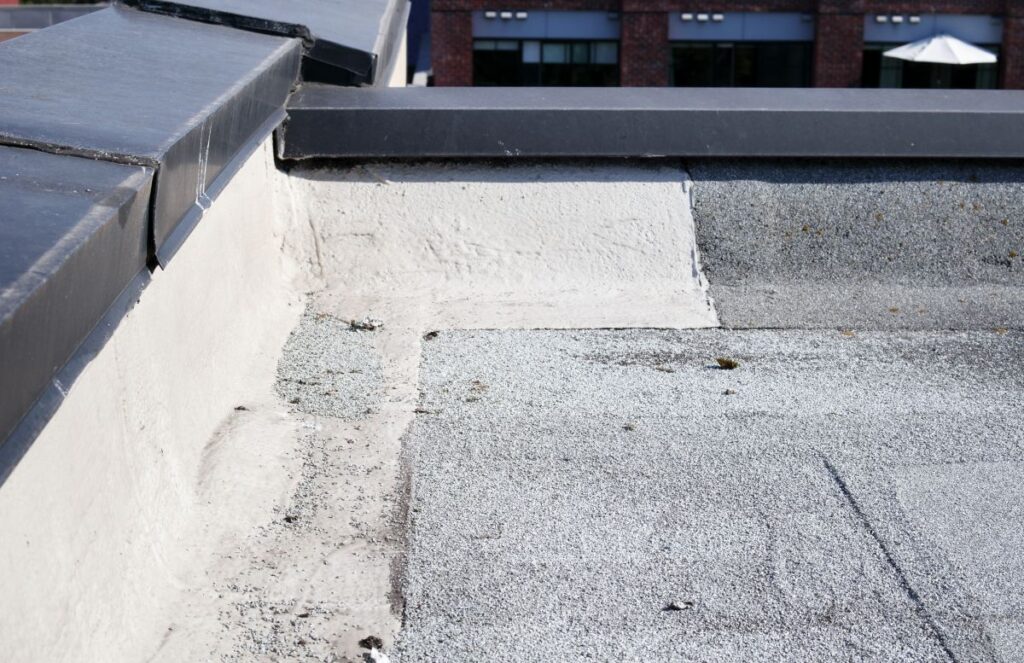
- Edge security: On many flat roofs, the roofing membrane runs up the inside of the parapet and ends beneath the coping, which holds it in place.
- Structural integrity: Masonry and concrete walls maintain their strength longer when their tops are shielded from constant moisture and sunlight.
- Clean appearance: A well-installed coping gives the roofline a finished, uniform look that adds to curb appeal.
Because coping sits high on the roof, it often goes unnoticed until stains or leaks appear inside. Giving it a little attention during routine inspections can save you money on repairs that cost far more than the coping itself.
7 Reasons a Coping Roof Matters for Your Property
Coping may look like a simple strip along the top of a wall, but it plays several roles at once. Each of the reasons below connects back to the same goal: keeping water and weather out of your building.
1. It Keeps Water Out of the Wall Below
The top of a parapet wall is flat and fully exposed, which makes it one of the most common points of water intrusion. Coping covers that surface and directs rainwater away, either onto the roof where drains can carry it off or out past the face of the wall.
- Stops rain from pooling on the wall top
- Reduces moisture moving through mortar joints
- Protects interior finishes below the roofline
2. It Protects Against Freeze-Thaw Damage
Southwest Ohio winters bring repeated freezing and thawing, and homes in Lebanon and surrounding areas feel the effects every year. When water gets into masonry and then freezes, it expands and can crack brick, loosen mortar, and break apart concrete from the inside. Good coping keeps that water out in the first place.
3. It Anchors the Roof Membrane at the Edge
On many single-ply and modified bitumen roofs, the membrane extends up the inside face of the parapet and terminates beneath a metal coping. The coping acts as a cover and a clamp, protecting the exposed edge of the membrane so wind and water cannot get underneath it.
4. It Helps the Roof Resist Wind
Roof edges and corners experience some of the strongest wind uplift on a building. A securely fastened coping improves wind resistance and holds the perimeter together during severe storms. Some metal coping systems are FM Approved, meaning they have been tested for wind uplift performance. When coping loosens or blows off, the membrane edge is left exposed, and wind damage can spread across the roof quickly.
- Secures the perimeter of the roofing system
- Limits the chance of membrane peel-back
- Reduces debris risk during high winds
5. It Shields Masonry From Sun and Weathering
Constant exposure to ultraviolet light, rain, and temperature swings slowly wears down unprotected wall tops. Coping takes that abuse instead, helping the wall below hold up for years longer than it would on its own.
6. It Prevents Hidden Interior Damage
Water that enters a parapet wall does not always show up right away. It can travel down inside the wall and appear as stains, peeling paint, or white chalky deposits called efflorescence. By the time you see these signs, moisture may have been moving through the wall for months.
7. It Completes the Look of the Building
Coping is functional first, but it also finishes the roofline. Metal coping can be matched to trim colors, while stone coping or precast concrete adds a traditional character that suits historic buildings.
Each of these reasons points to the same conclusion: coping is a small component with a big responsibility. When it is installed correctly and kept in good condition, it protects the walls, the roof, and everything inside.
Common Coping Materials to Know
Coping comes in several materials, and the right choice depends on your building, your budget, and the look you want. Building code generally calls for parapet coping to be made from noncombustible, weatherproof materials at least as wide as the wall it covers. Here is a note on each type to keep in mind:
- Aluminum: Lightweight, corrosion resistant, and available in factory-applied finishes. It is one of the most common choices for modern flat roofs.
- Galvanized steel: Strong and cost-effective, with painted finishes that come in a wide range of colors. Seams and fasteners need regular checks.
- Copper: Extremely durable and attractive, developing a natural patina over time. It is also the most expensive metal option.
- Stone coping: Heavy, long-lasting, and classic in appearance. It suits historic buildings but requires careful installation.
- Precast concrete: A budget-friendly masonry option with a clean profile. Joints need proper sealing to stay watertight.
- Clay or terra cotta: Often seen on older buildings, with a rounded profile that sheds water well. Replacement pieces can be harder to match.
Metal coping expands with heat and shrinks in the cold, and that expansion and contraction is why proper joints, splice plates, and fastening are critical. Much of it is custom fabricated to fit the exact wall width and corner transitions. Whatever material you choose, the quality of the installation matters just as much as the product itself.
Coping vs. Flashing and Signs of Trouble
Coping is often confused with flashing, and while the two work together, they do different jobs. The table below shows how each piece fits into the system.
| Component | Where It Sits | Main Job |
| Coping | Across the top of the parapet wall | Covers the wall top and sheds water away |
| Base flashing | Where the roof meets the wall | Seals the joint between the roof surface and the wall |
| Counterflashing | Above the base flashing on the wall | Covers and protects the top edge of the base flashing |
| Through-wall flashing | Inside the wall, often beneath the coping | Collects water that gets into the wall and directs it out |
When a metal coping also covers the top of the base flashing, it is often called cap flashing, since it serves both roles at once.
Warning Signs Your Coping Needs Attention
Most coping problems start small. Watch for these signs during seasonal checks or after a storm:
- Loose, lifted, or missing coping sections
- Open seams, cracked sealant, or failed joints
- Rust stains or corrosion on metal coping
- Cracked or shifted stone and concrete pieces
- Gaps around penetrations or wall transitions
- Water stains or efflorescence on walls below the roofline
If you spot any of these issues, prioritize an evaluation of the coping and parapet before the next round of heavy rain or freezing weather. Catching a failed seam early is much easier and less expensive than repairing a soaked wall or damaged roof deck.

Frequently Asked Questions About Coping Roofs
Coping is one of those roofing terms many property owners hear for the first time during an inspection. This article wraps up with clear answers to the questions customers ask most often.
Do residential homes have roof coping?
Yes, some do. Homes with flat or low-slope roofs, modern designs, or decorative parapet walls often have coping. It is most common on commercial buildings, but plenty of residential properties use it too.
Is coping the same as flashing?
Not exactly. Coping covers the top of the wall, while flashing seals the joints where the roof meets the wall. Metal coping that also covers the base flashing is often called cap flashing.
Can damaged coping be repaired?
In many cases, yes. Loose sections can be refastened, and failed seams can be resealed. If the coping is badly corroded, cracked, or the wood blocking beneath it has rotted, replacement is usually the better long-term fix.
How often should coping be inspected?
A good rule is to have the roof, parapet walls, and coping inspected once or twice a year, plus after major wind or hail storms. Regular maintenance catches open seams, for example, before water reaches the wall.
Does coping need to be replaced with a new roof?
Often, it does. When a flat roof is replaced, the membrane usually runs up the parapet and under the coping, so the coping is typically removed and reinstalled or replaced to properly seal the new system.
If your question is not answered here, our team is happy to walk through the details of your specific roof. With a variety of roof designs out there, a quick conversation can clear up a lot of uncertainty.
Keep Your Roof’s Edges Protected With Johnson Restoration
Coping may sit quietly at the top of your walls, but it is one of the first lines of defense against leaks, freeze-thaw damage, and wind. Keeping it sealed and secure protects your parapet walls, your roofing system, and the spaces inside. Johnson Restoration has helped customers in Lebanon and surrounding areas care for their roofs since 2012, with free estimates and a clear written scope of work on every project. Our team will inspect your coping, explain exactly what we find, and recommend the right repair or replacement. If you have noticed stains, loose sections, or open seams along your roofline, contact us today to schedule your free inspection.